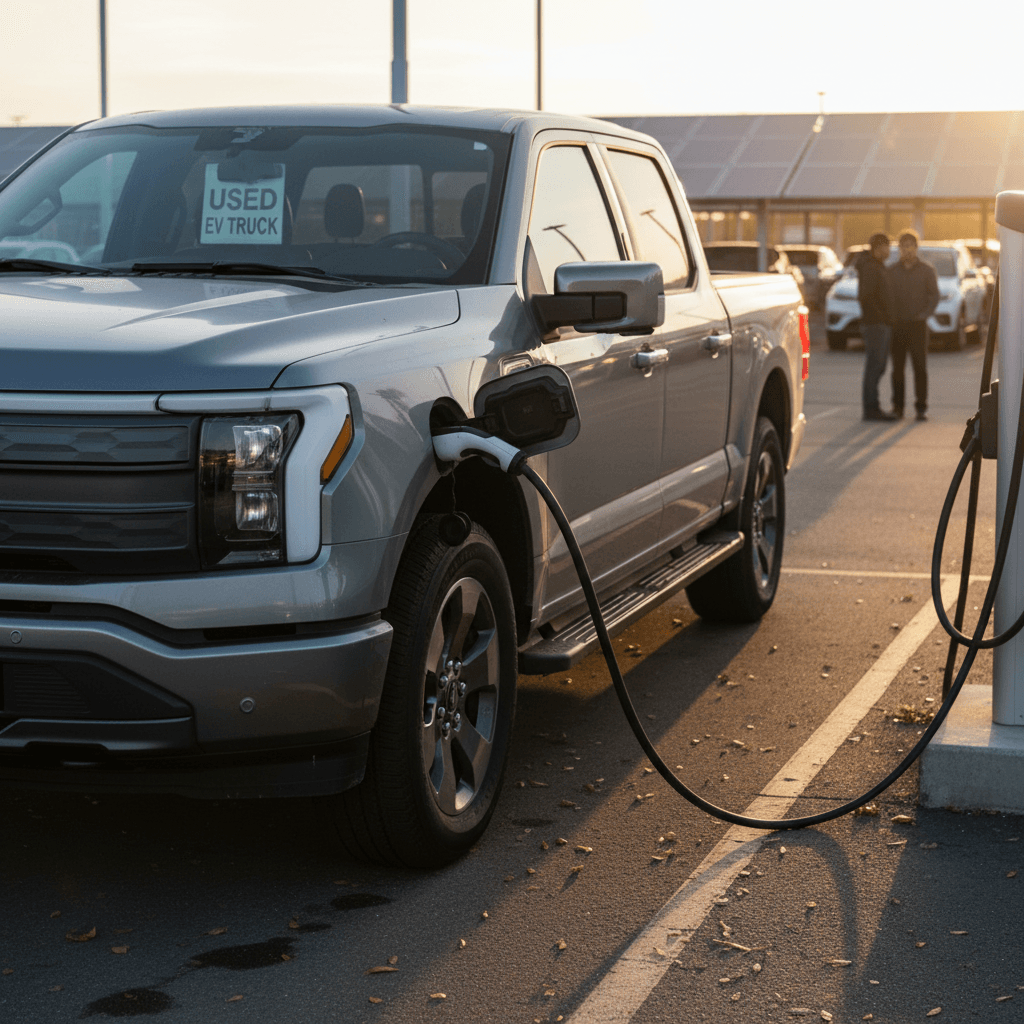
If you’re eyeing a Ford F-150 Lightning in 2026, you’re not just buying a truck, you’re buying into Ford’s first all-electric pickup experiment at a time when the company is already pivoting hard toward hybrids and rethinking its EV lineup. That raises a fair question: is the Ford F-150 Lightning still worth buying in 2026, especially as a used truck?
Quick take
Overview: Is the F-150 Lightning Worth It in 2026?
Where the Lightning shines
- Instant torque and smoothness that make city driving and towing feel effortless.
- Excellent daily-driver comfort with a quiet cabin and modern tech.
- Home charging and low running costs versus a comparable gas F-150 if you can plug in overnight.
- Bidirectional power (Pro Power Onboard and home-backup capability on some trims) that can legitimately replace a generator.
- Used prices in 2026 that are typically well under original MSRPs thanks to early depreciation and Ford’s price cuts.
Where you need to be cautious
- Ford is ending production of this generation Lightning, and shifting investment toward hybrids and future trucks, so long-term parts and software support are big questions to watch.
- Multiple recalls and software issues mean you need to verify campaign completion and update history on any truck you’re considering.
- Heavy towing still crushes range; if you tow long distances, you’ll need to plan around chargers and lower real-world range.
- Resale values have already taken a hit and could soften further as newer electric and hybrid trucks arrive.
Our high-level verdict
What’s Changed With the F-150 Lightning by 2026
When Ford launched the F-150 Lightning for the 2022 model year, it was pitched as the future of the best‑selling truck in America. By late 2025 and into 2026, reality looks different: Ford has announced plans to end production of the current all‑electric Lightning and lean harder into hybrids and future electric platforms. That doesn’t make the trucks already on the road bad, but it does change how you should think about buying one.
F-150 Lightning Context Heading Into 2026
Ford’s EV pivot matters
Big Reasons the F-150 Lightning Can Be Worth Buying
Why Shoppers Still Seek Out the F-150 Lightning
Real strengths that make the truck compelling in 2026, especially used
Effortless power
Home charging advantage
Power your home & tools
Low routine maintenance
Great daily-driver manners
Used deals in 2026
Key Drawbacks and Risks to Know First
You don’t have to dig far into owner forums or recall databases to see that the F-150 Lightning is a first‑generation product with some growing pains. Before you decide it’s "worth it," you need to understand where those pain points sit, and whether they matter to how you’ll actually use the truck.
- Ford’s product strategy has shifted. The company has publicly signaled that this all‑electric Lightning will give way to other trucks and more hybrids, so you’re buying into a truck that won’t be the centerpiece of Ford’s lineup long‑term.
- There have been multiple recalls. From battery‑related shutdowns to roll‑away risks, Ford has issued a string of recalls on 2022–2025 trucks. Most can be fixed, but you must confirm they’ve been addressed on any truck you consider.
- Long‑distance towing is still a challenge. Tow a big camper or enclosed trailer at highway speeds and you can easily see effective range cut in half, forcing more frequent charging stops and careful route planning.
- Charging infrastructure is improving but uneven. If you live in a dense metro area with robust fast‑charging, the Lightning is easier to live with than in rural regions where DC fast chargers remain sparse.
- Resale is a moving target. Fast‑evolving competition, price cuts on newer EVs, and Ford’s changing EV strategy mean nobody can promise what these trucks will be worth in 5–8 years.
If this sounds like you, think twice
Range, Towing, and How Much Truck You Really Get
On paper, the F-150 Lightning’s range numbers look competitive with other electric trucks of its era, especially with the Extended Range battery. In practice, conditions like temperature, speed, payload, and especially towing can swing real‑world numbers widely. To decide whether the Lightning is worth buying in 2026, you need to match its capabilities to your actual routes.
F-150 Lightning Capability Snapshot
Approximate specs for common configurations (always verify exact truck specs; these are directional, not promises).
| Configuration | Battery | EPA Rated Range (when new) | Best Use Case |
|---|---|---|---|
| Pro / XLT Standard Range | ~98 kWh | ~230 miles | Commuting, short‑haul work, light towing near home |
| XLT / Lariat Extended Range | ~131 kWh | ~300 miles | Mixed commuting, regional trips, moderate towing with charging plan |
| Platinum Extended Range | ~131 kWh | ~280 miles | Comfort‑focused daily driver, occasional towing and road trips with more stops |
Real‑world range will vary with driving style, weather, terrain, and load.
How to right‑size range
Reliability, Recalls, and Battery Health in the Real World
By 2026, there’s a clearer picture of how the F-150 Lightning behaves after a few years on the road. The story is mixed: owners praise the driving experience, but report frustrations with software glitches, warning lights, connectivity bugs, and some hardware issues that have led to National Highway Traffic Safety Administration (NHTSA) recalls across multiple model years.
What to Know About Lightning Reliability in 2026
The truck is livable, but demands a smarter pre‑purchase inspection than a typical gas half‑ton
Recall history
Software maturity
Battery health so far
Service reality
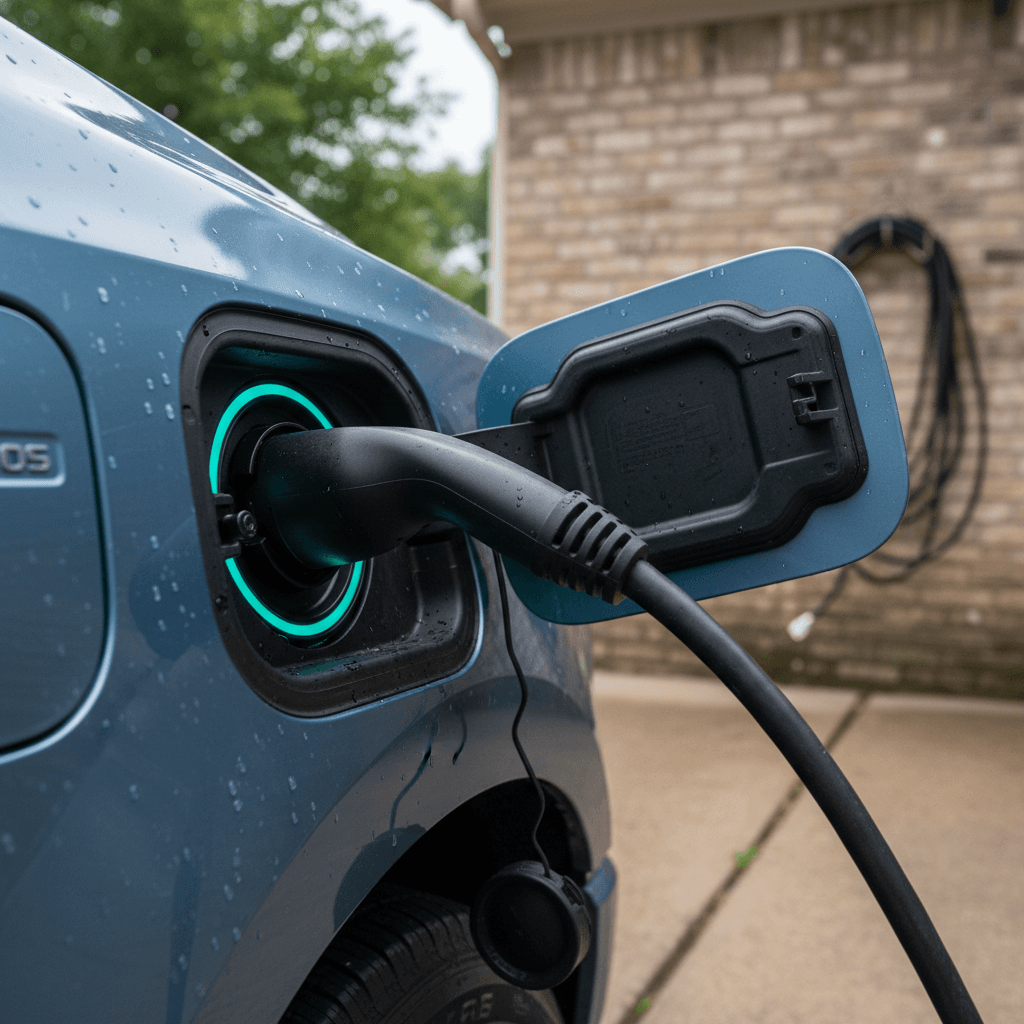
How Recharged helps on battery and recalls
Pricing, Resale, and Which Lightning Trims Make Sense
Between headline‑grabbing price hikes at launch, later price cuts, and Ford’s push to keep plants running efficiently, new F-150 Lightning pricing has been a moving target. The upside for 2026 shoppers is that used prices often undercut what early buyers paid by a wide margin, especially on work‑oriented trims.
How pricing evolved
- Early 2022–2023 trucks carried strong demand and limited supply, driving transaction prices above or near MSRP.
- As demand cooled and competition grew, Ford cut prices on several trims and layered on incentives, especially around 2024–2025.
- By 2026, new Lightning pricing is less of a moving target, but early depreciation has already done its work on the used side.
For you as a 2026 buyer, that means a lot of the "early adopter" premium has been burned off, particularly if you’re looking at a used Pro, XLT, or Flash‑type mid‑trim truck.
Used‑market sweet spots
- Pro / XLT Standard Range: Good value for contractors and fleet buyers who stay local and don’t need extended‑range road‑trip capability.
- XLT / Lariat Extended Range: Often the best balance of price, comfort features, and real‑world flexibility for families and mixed‑use owners.
- Platinum: High content, but you’ll pay for it, and the range hit versus other Extended Range trucks means you should want the luxury, not just the badge.
At Recharged, we benchmark each Lightning against real transaction data to highlight when a specific truck is over‑ or under‑priced versus the broader market.
Financing a used Lightning
Who the F-150 Lightning Is (and Isn’t) Ideal For
Is a Ford F-150 Lightning the Right Truck for You?
Great fit for these buyers
Homeowners (or small businesses) who can install Level 2 charging and mostly drive within a fixed radius.
Drivers who tow <strong>occasionally and moderately</strong>, think a small camper a few weekends a year or a utility trailer around town.
Contractors who value <strong>on‑site power</strong> and quiet operation more than maximum range between jobs.
Tech‑forward buyers who want a smooth, quiet truck with advanced driver‑assist features and are comfortable with the occasional software quirk.
Fleets that can centralize overnight charging and track total cost of ownership across a known duty cycle.
Think carefully or look elsewhere if…
You tow heavy (large RV, enclosed car hauler) long distances where charging is sparse or time‑sensitive.
You live in an apartment or can’t count on regular home or workplace charging and rely heavily on public DC fast charging.
You need a truck that can reliably serve 15+ years with minimal concern about software end‑of‑life or changing fast‑charging standards.
Your local Ford dealer network has limited EV expertise and the nearest experienced Lightning service center is hours away.
You’re extremely sensitive to resale value swings and plan to sell or trade in within just a couple of years.
Smart Shopping Checklist for a Lightning in 2026
10 Things to Do Before You Buy a Ford F-150 Lightning in 2026
1. Lock in your charging plan
Confirm whether you can install a <strong>Level 2 charger</strong> at home or work. If not, map out nearby DC fast chargers and check how busy they are during your typical driving times.
2. Define your worst‑case duty cycle
Write down your longest days: miles, trailer weight, terrain, and weather. Compare that to realistic Lightning range assumptions using only 60–70% of usable battery.
3. Pull a full recall and service history
Use the VIN to check NHTSA and Ford databases, then confirm at a dealer that <strong>all open recalls and campaigns</strong> have been performed. Ask for printed service records where possible.
4. Verify software and connectivity
From the driver’s seat, check for pending software updates, connectivity status (FordPass / BlueCruise where equipped), and any recurring error messages. A truck that won’t stay connected can be frustrating.
5. Get a battery‑health report
Battery state of health matters more than odometer alone. A <strong>diagnostic scan</strong>, like the battery analytics in Recharged’s Score Report, can flag abnormal degradation patterns early.
6. Inspect tires, brakes, and suspension
EV trucks are heavy. Look for uneven tire wear, tired shocks, and brake issues that might indicate hard use, overloading, or frequent towing beyond what the owner admits.
7. Test charging on Level 2 and DC fast
If possible, plug into a Level 2 and a public DC fast charger during your test period to confirm charge rates look normal and there are no unexpected errors or throttling.
8. Examine bed, hitch, and underbody
Heavy work use isn’t a deal‑breaker, but deep gouges, bent hitches, or underbody impacts can signal abuse. Combine that with your battery report to decide whether the price truly reflects the truck’s past life.
9. Compare trims and options, not just price
A cheaper Pro missing key driver‑assist or comfort features might be less livable than a slightly pricier XLT or Lariat that fits your everyday needs better.
10. Benchmark against alternatives
Before signing, compare the Lightning against <strong>other used EV trucks and hybrid half‑tons</strong>. Tools like Recharged’s marketplace and Score Reports make it easier to see how each option stacks up on cost, range, and battery health.
FAQ: Buying a Ford F-150 Lightning in 2026
Frequently Asked Questions About the F-150 Lightning in 2026
Bottom Line: Is the F-150 Lightning Worth Buying in 2026?
In 2026, the Ford F-150 Lightning is no longer the shiny new experiment, it’s a maturing, first‑generation electric truck with real‑world miles, documented recalls, and a shifting corporate strategy behind it. For informed buyers, that actually creates opportunity: you can now judge the truck on data and lived experience, not just launch‑day hype, and shop used examples at more reasonable prices.
If your life revolves around predictable routes, home charging, and short‑haul towing, and you want a quiet, powerful truck that doubles as a rolling battery bank, the F-150 Lightning can absolutely be worth buying in 2026, especially with the right inspection and pricing. If instead you tow heavy across long distances, live far from charging, or want bulletproof long‑term simplicity, a gas or hybrid F‑150 may be a better fit.
Either way, don’t buy blind. Use tools like Recharged’s used‑EV marketplace, battery‑health diagnostics, and expert support to compare specific Lightnings against other EV and hybrid trucks. The right truck for you isn’t just an F‑150 badge, it’s the one whose capabilities, condition, and total cost of ownership line up cleanly with how you really drive and work.