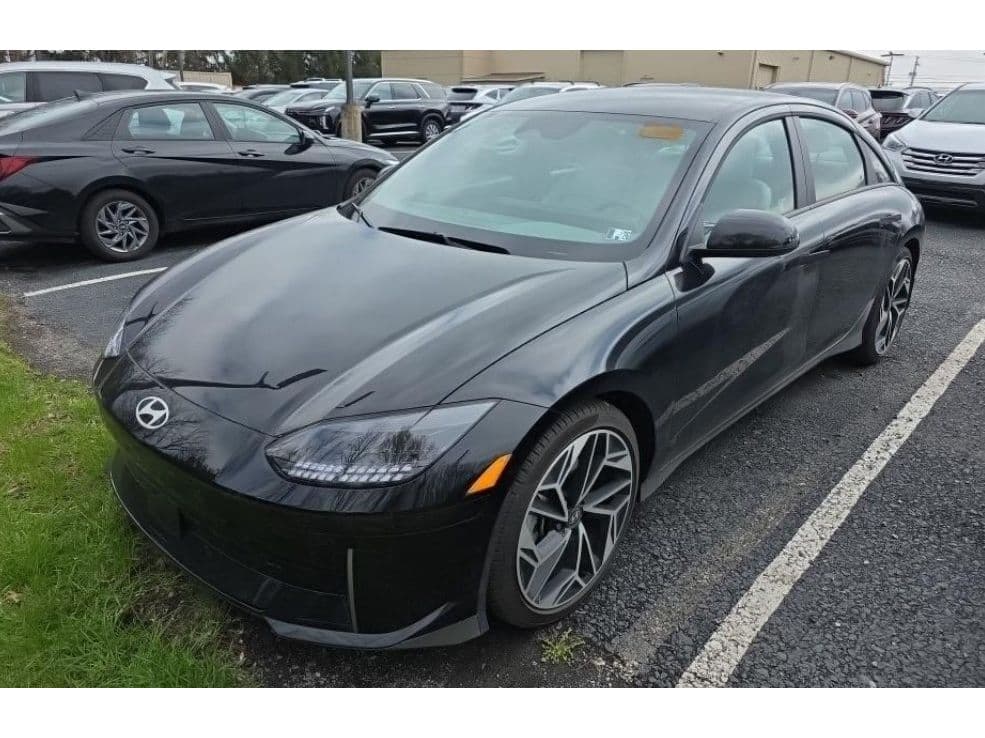
If you’re considering a Hyundai Ioniq 6, you’re probably trying to build a realistic monthly budget. That means understanding not just your car payment, but also your Hyundai Ioniq 6 insurance cost per month. Because it’s a newer electric sedan with advanced tech, premiums can surprise some drivers, but with the right expectations and a smart strategy, they don’t have to blow up your budget.
Key takeaway on Ioniq 6 insurance
Hyundai Ioniq 6 insurance cost per month: overview
Hyundai Ioniq 6 insurance snapshot (U.S., 2025–2026 estimates)
A number of data sources that track ownership costs and model‑specific insurance estimates suggest that a Hyundai Ioniq 6 with full coverage typically runs around $2,000–$2,400 per year for many U.S. drivers. That works out to roughly $115–$200 per month, depending on your age, driving history, location, and coverage choices.
You will absolutely find quotes below and above that range. Some insurers and comparison tools show averages in the high‑$100s per month for more expensive trims or younger drivers, while others show more favorable numbers for safe, older drivers with strong credit. The important thing is to treat averages as a starting point, not a promise, and then get quotes based on your real profile and garaging address.
How much is Hyundai Ioniq 6 insurance per month?
To make the averages more concrete, it helps to look at a few common scenarios. These aren’t offers from any one insurer, just realistic ballparks based on current market data and typical EV surcharges compared with similar gas sedans.
Hyundai Ioniq 6 estimated monthly insurance by driver profile
Illustrative full‑coverage estimates for drivers in the U.S. assuming typical commuting mileage and good credit. Your own quote could be lower or higher depending on your exact situation.
| Driver profile | Example age & record | Estimated monthly premium | What to expect |
|---|---|---|---|
| Experienced, clean record | 45‑year‑old, no tickets/claims, suburban area | $110–$140 | Often at or a bit below national averages for EVs, especially in competitive insurance states. |
| Newer driver, clean record | 25‑year‑old, no tickets, urban area | $150–$200 | Younger age and city traffic raise risk; the Ioniq 6’s price and repair costs add to the premium. |
| Driver with recent at‑fault accident | 35‑year‑old, 1 recent claim, mixed driving | $190–$260 | Accidents and claims can matter more than the model itself, especially in the first 3–5 years after an incident. |
| Minimum‑coverage shopper | 35‑year‑old, clean record, state‑minimum only | $60–$100 | Strips out comp/collision, but leaves the car’s value at risk, especially tough on a newer EV like the Ioniq 6. |
These figures are for educational planning only, always compare real quotes before you buy or lease.
Don’t fixate on a single average
Why Hyundai Ioniq 6 insurance can cost more than gas cars
If you’re moving to an Ioniq 6 from a mainstream gas sedan or compact SUV, you might notice that the monthly insurance quote is higher than you’re used to. That’s not unique to Hyundai, many insurers still price electric vehicles at a premium compared with similar gas models.
- Higher vehicle value and repair costs. The Ioniq 6 is a tech‑heavy, relatively new EV. Battery packs, aluminum bodywork, and advanced driver‑assistance hardware make major repairs expensive, so insurers price for that risk.
- Limited long‑term claims history. Insurers have decades of data on midsize gas sedans. For newer EVs like the Ioniq 6, the claims history is growing but still relatively short, which can keep pricing conservative.
- More costly collision and comprehensive claims. When a modern EV is involved in a serious crash, repair decisions can escalate quickly, especially if the battery or high‑voltage system is involved. That’s reflected in collision and comprehensive premiums.
- Regional variations in EV familiarity. In states where EV adoption and repair networks are strong, insurers sometimes price EVs more competitively. In markets where EVs are still rare, premiums can skew higher.
Context from the broader EV market
9 factors that change your Ioniq 6 insurance cost
When you ask “What’s the Hyundai Ioniq 6 insurance cost per month?”, what you’re really asking is “What would it cost for a driver like me, where I live, with my coverage choices?” Here are the levers that move your premium up or down.
The biggest levers on your Ioniq 6 premium
Some you can’t change overnight, but others you absolutely control.
1. Your driving record
2. Age and experience
3. Garaging location
4. Coverage level
5. Deductibles
6. Trim, MSRP, and equipment
7. Annual mileage and usage
8. Credit‑based insurance score (in most states)
9. Discounts and bundling
Turn underwriting into a checklist
How coverage levels change your monthly bill
You’ll see wildly different “per month” numbers depending on whether you’re pricing bare‑bones liability or robust full coverage. For a newer EV like the Hyundai Ioniq 6, especially if you’re financing or leasing, full coverage is usually required and, frankly, wise.
Liability‑only (state minimum or slightly above)
- What it covers: Primarily damage and injuries you cause to others.
- What it doesn’t: Little or no protection for your Ioniq 6 itself if you’re at fault, it’s stolen, vandalized, or hit in a parking lot.
- Typical Ioniq 6 cost: Often in the $60–$110/month range for many drivers, but varies heavily by state.
Liability‑only coverage can look attractive if you’re chasing the lowest possible bill, but on a relatively new EV with a high‑value battery pack, it leaves you exposed to large out‑of‑pocket repair or total‑loss costs.
Full coverage (liability, collision, comprehensive)
- What it covers: Liability for injuries/damage you cause to others, plus damage to your Ioniq 6 after covered incidents, including many crashes, theft, vandalism, fire, and certain weather events.
- Typical Ioniq 6 cost: Frequently $115–$200/month for mainstream drivers, more if you’re young or have recent claims.
- Why lenders require it: If you finance or lease, the bank wants the asset protected for the life of the contract.
For most Ioniq 6 owners, especially first‑time EV buyers, full coverage is the sensible baseline. You can fine‑tune deductibles and limits to hit a number that fits your budget.
Be careful dropping coverage on a financed EV

8 smart ways to lower Ioniq 6 insurance costs
You don’t control every rating factor, but you have more influence than you might think. Here are practical, realistic steps that can bring your Hyundai Ioniq 6 insurance cost per month down without cutting corners on protection.
Practical steps to trim your Ioniq 6 premium
1. Shop more than one insurer
Different companies price EV risk differently. Get at least three quotes with identical coverage and deductibles. You’ll sometimes see spreads of $40–$60 per month for the same Ioniq 6 and driver profile.
2. Right‑size your deductibles
If you can comfortably afford a higher deductible in an emergency, raising it from $500 to $1,000 can often shave meaningful dollars off your monthly bill. Just be honest about your real savings cushion.
3. Adjust coverage, not just price
Consider whether you truly need extras like rental reimbursement or roadside from your insurer if you already get similar benefits from another source. Trim add‑ons before you gut core liability or collision coverage.
4. Ask about EV‑friendly and telematics discounts
Some carriers now offer <strong>EV or green‑vehicle discounts</strong> and app‑based programs that reward gentle acceleration, limited night driving, and low mileage, all of which fit the Ioniq 6’s efficient character.
5. Bundle home or renters insurance
Combining your Ioniq 6 policy with home or renters coverage can unlock sizable multi‑policy discounts. If you’re moving for a new job or changing apartments, it’s a perfect time to re‑shop bundles.
6. Clean up tickets and old claims over time
Most violations and at‑fault accidents don’t affect your rate forever. Mark anniversaries on your calendar and re‑shop once those points roll off, especially on an EV that may have looked pricey at first.
7. Update your usage and mileage honestly
If your Ioniq 6 turns into a low‑mileage commuter or second car, tell your insurer. A reduction in annual miles or a shift from business to pleasure use can bring premiums down.
8. Consider a slightly older, well‑equipped used Ioniq 6
A high‑spec used Ioniq 6 with a slightly lower market value can sometimes be cheaper to insure than a brand‑new build, all else equal, especially when paired with a strong battery‑health report like the Recharged Score.
Budgeting: payment plus insurance on an Ioniq 6
It’s easy to focus on the Ioniq 6’s monthly payment and forget that insurance, charging, and taxes share the same checking account. When you look at the car as a complete ownership package, your decisions about trim level, age, and mileage matter just as much as the APR on your loan.
New Ioniq 6: higher payment, higher insurance
Brand‑new Ioniq 6 models usually carry:
- Higher MSRP and loan balance → larger monthly payment.
- Higher replacement value → more expensive collision/comprehensive coverage.
- More advanced tech → great for safety, but sometimes pricier to repair.
If your goal is the latest styling and features, budget extra room for both the car payment and insurance, especially in the first 3–5 years.
Used Ioniq 6: lower payment, potentially lower premium
A carefully chosen used Ioniq 6 can reset the math:
- Lower purchase price → smaller monthly payment or shorter term.
- Lower market value → can translate into somewhat lower comp/collision premiums.
- Known battery health when you buy through a marketplace like Recharged, where every vehicle includes a Recharged Score battery diagnostic and transparent pricing.
For many shoppers, combining a used Ioniq 6 with a solid full‑coverage policy is the sweet spot between cutting‑edge EV tech and a manageable monthly budget.
Tip for total monthly budgeting
Used Hyundai Ioniq 6 insurance and the Recharged advantage
Insurers don’t just see a model name; they see a VIN, an age, a value, and where the car has been. That’s where buying a used Hyundai Ioniq 6 through a transparent, EV‑focused marketplace can help you present your best story to your insurer, and protect your budget long‑term.
- Verified battery health. Every used EV listed on Recharged comes with a Recharged Score battery‑health report. A healthy pack doesn’t just support range, it also helps your own confidence in carrying a higher deductible, since you’re more comfortable repairing rather than totaling the car after a claim.
- Fair, data‑driven pricing. When you’re not overpaying for the car itself, you have more room in your monthly budget to choose coverage that actually protects you, rather than racing for the bare minimum.
- EV‑savvy support. Recharged’s EV specialists can help you think through total cost of ownership, from insurance and financing to charging. That way, the Ioniq 6 you pick fits your budget even after the new‑car glow wears off.
- Financing and trade‑in options. With financing and trade‑in support built for EV shoppers, you can pair a right‑sized payment with insurance that doesn’t feel like an afterthought.
Make your quotes vehicle‑specific
Hyundai Ioniq 6 insurance cost FAQ
Common questions about Hyundai Ioniq 6 insurance cost per month
Bottom line: what to expect for Ioniq 6 insurance
Putting it all together, most mainstream U.S. drivers can expect Hyundai Ioniq 6 insurance costs per month to land somewhere in the low‑ to mid‑$100s with full coverage, drifting higher for very young or high‑risk drivers and lower for experienced, claim‑free ones. EV‑specific factors, repair costs, limited long‑term data, and regional familiarity, explain much of the difference you may see versus your outgoing gas car.
The smart move is to decide on a coverage level that genuinely protects your finances, then use every tool available, multiple quotes, higher deductibles where appropriate, discounts, and even a carefully chosen used Ioniq 6, to pull that number into a monthly budget you can live with over the long haul. If you’re exploring a used Hyundai Ioniq 6, Recharged can help you match verified battery health, fair pricing, and financing with an insurance plan that fits your real‑world life, not just the showroom brochure.