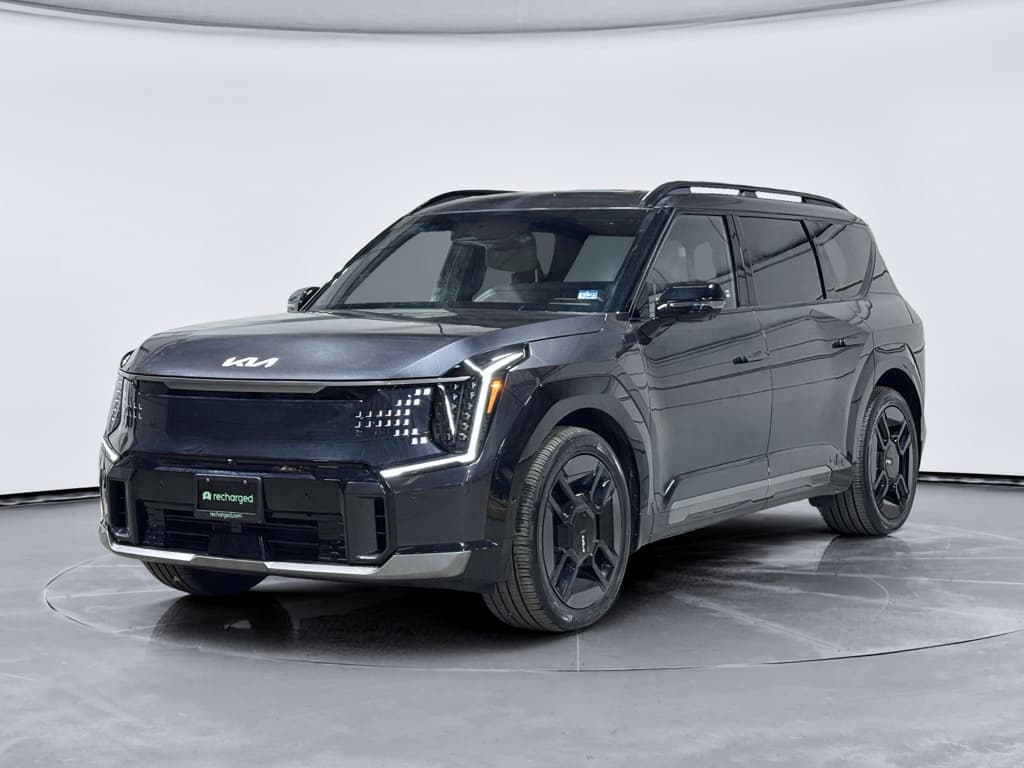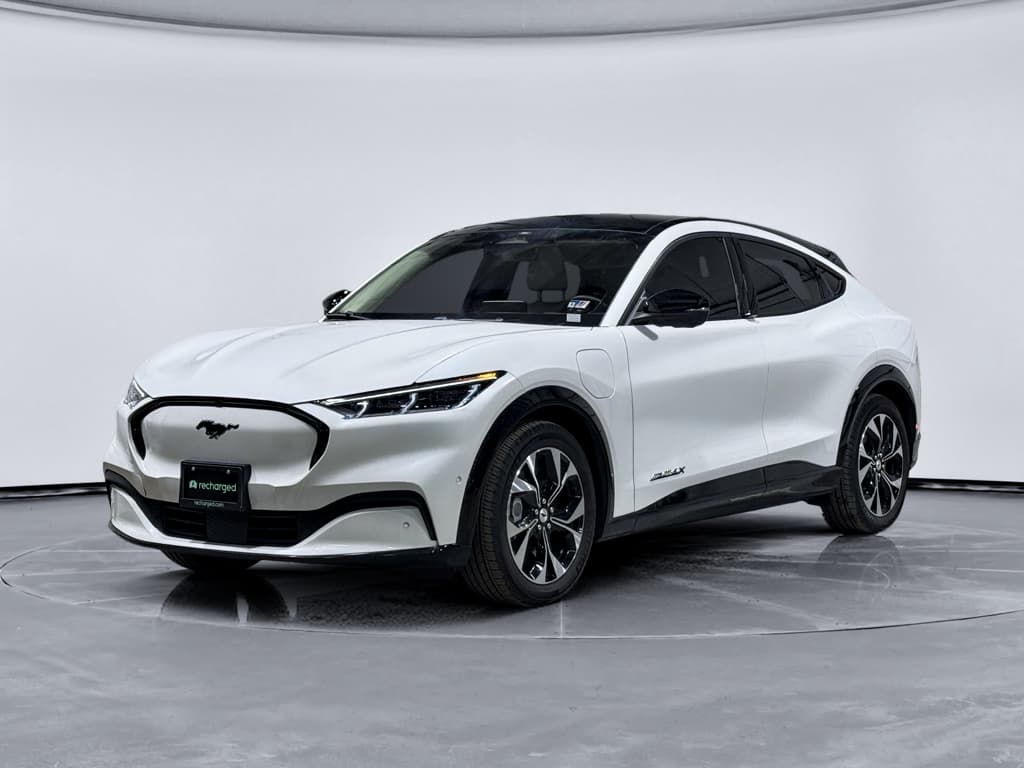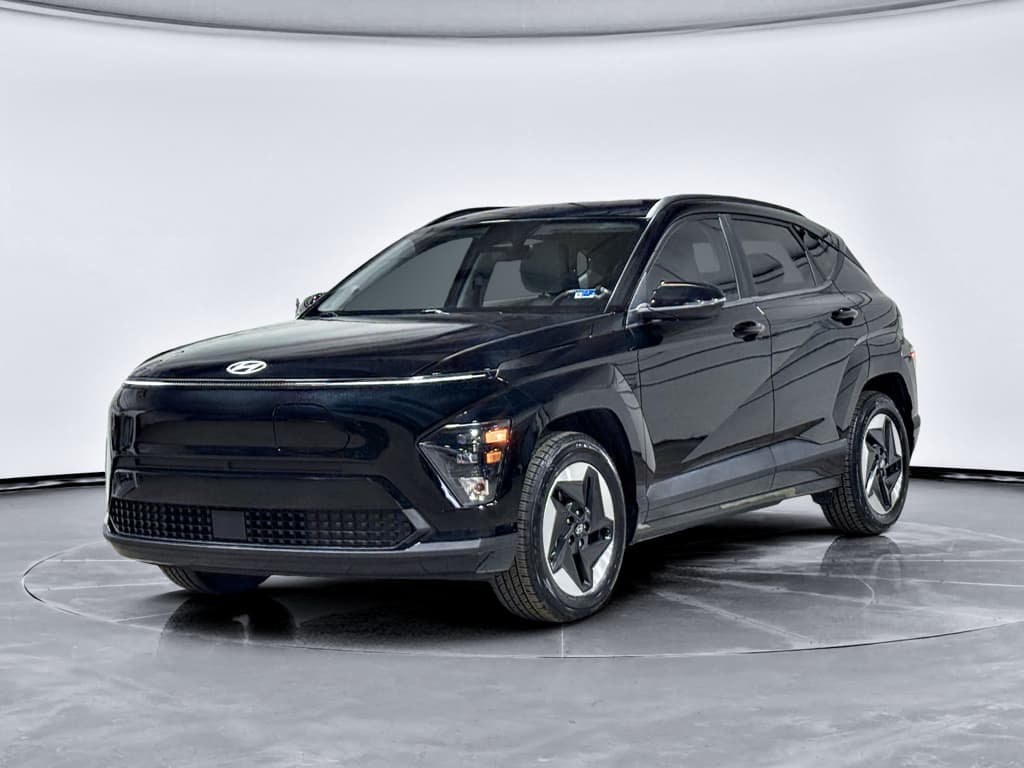
You’re not imagining it: used electric vehicles have gotten a lot cheaper. In early 2025, average used EV prices fell more than 15% year over year, even as gas and hybrid prices barely budged. That’s made a lot of drivers ask the same question you are: is a used EV worth it in 2025, or are falling prices a red flag?
The short answer
Is a Used EV Worth It in 2025? Quick Overview
- Yes, it’s often worth it if you have access to home or reliable workplace charging, drive at least 8,000–10,000 miles a year, and choose a model with a strong battery and thermal management system.
- You benefit from steep early depreciation. Many EVs lose 50–60% of their value in the first 5 years, so you’re buying after the worst of the drop while still getting modern tech.
- Running costs are usually far lower. Typical U.S. EV drivers spend roughly $400–$600 per year on electricity and about $500–$800 per year on maintenance for a used EV, often well below a comparable gas car.
- The big question mark is the battery. A healthy used EV battery should still have at least ~80% of its original capacity. Below 75%, the car can feel like a different vehicle in winter or on the highway.
- Incentives are shifting. Some federal and state EV tax credits have changed or phased out by late 2025, so you need to run the numbers for your ZIP code, not just the headline offers from a year or two ago.
A quick rule of thumb
How the Used EV Market Has Changed by 2025
The story in 2023–2024 was simple: EVs were the hot new thing, and used prices were sky-high. By 2025, that flipped. As more off-lease EVs came back to market and some new-EV demand cooled, 1–5‑year‑old used EVs dropped roughly 15% in price year over year, landing around the low $30,000s on average, while overall used car prices barely moved.
Used EV Market Snapshot in 2025
Depreciation has been steepest for some Teslas and early‑generation EVs, which is painful for first owners but a gift for savvy second buyers. You’ll now see late‑model compact EVs with original sticker prices in the $45,000–$55,000 range trading in the mid‑$20,000s, while still offering plenty of range, fast charging, and modern safety tech.
Don’t misread the price drops
Used EV vs Gas Car: Total Cost in 2025
Sticker price is only part of the story. To decide if a used EV is worth it in 2025, you need to look at total cost of ownership: purchase price, fuel or electricity, maintenance, repairs, taxes, and financing.
5‑Year Cost Comparison: Used EV vs Used Gas SUV (Example)
Illustrative comparison for a typical U.S. driver putting 12,000 miles a year on a 3‑year‑old compact SUV, 2025 prices and energy costs.
| Category | Used EV (3‑year‑old compact SUV) | Used Gas (3‑year‑old compact SUV) |
|---|---|---|
| Purchase price | $27,000 | $25,000 |
| Financing cost (5 yrs) | $5,000 | $4,600 |
| Fuel / Electricity (5 yrs) | ~$2,500 (home charging) | ~$8,000 (25 MPG @ $3.00/gal) |
| Maintenance & repairs (5 yrs) | ~$3,000–$4,000 | ~$5,000–$6,000 |
| Total 5‑year cost (est.) | $37,500–$38,500 | $42,600–$43,600 |
| Estimated 5‑year resale value | $12,000–$14,000 | $10,000–$12,000 |
Numbers are rounded estimates; your exact costs will vary by model, location, and driving style.
Even when the used EV starts a little more expensive, the lower fuel and maintenance spend usually close the gap and then some over five years, especially if you can charge at home on a reasonable electric rate. Where the scales can tip back toward gas is if you rely heavily on expensive DC fast charging instead of home or workplace charging.
When public fast charging kills the math
What Really Matters: Battery Health on a Used EV
Battery health is the make‑or‑break factor for whether a used EV is worth it. The good news: real‑world research in 2024 showed that EV batteries in normal stop‑and‑go driving may last up to 30–40% longer than early lab estimates suggested. The less‑good news: abuse and poor thermal management can still shorten a battery’s useful life.
- Most modern EVs see around 1–2% capacity loss per year in typical use, with some Tesla packs closer to ~1% per year.
- A “healthy” used EV usually has at least 80% State of Health (SOH) remaining. That means a 300‑mile car might now be a 240‑mile car.
- Below about 75% SOH, range loss becomes very noticeable, especially in winter or at highway speeds, and resale value suffers.
- Early models with passive cooling (like older Nissan LEAFs) can show much heavier degradation in hot climates. These should be priced accordingly, or avoided if you need full highway range.
The one non‑negotiable: a battery health report

Battery Health Red Flags to Watch For
These don’t automatically kill the deal, but they should lower the price or send you looking elsewhere.
Extreme climate history
Lots of fast‑charge miles
No battery documentation
Depreciation: Are Used EVs Still Dropping in Value?
In 2024–early 2025, the headlines were brutal: some EVs losing 20–30% of their value in a year. By late 2025, that free‑fall has cooled, but the pattern is clear, most EVs depreciate faster than comparable gas cars in their first three years.
Verified 5‑Year Depreciation Snapshots (Illustrative 2024–2025 Data)
How several popular EVs tend to hold value over five years compared with their original MSRP.
| Model | Approx. 5‑Year Retained Value | Approx. Depreciation |
|---|---|---|
| Rivian R1T | 50–52% | 48–50% |
| Tesla Model Y | 39–40% | 60–61% |
| Hyundai IONIQ 5 | ~40% | ~60% |
| Nissan LEAF (recent gen) | ~34% | ~66% |
These are representative figures based on 2024–2025 data, not guaranteed outcomes for every vehicle.
If you buy new, that hurts. If you buy used, it’s an opportunity. A 3–4‑year‑old EV has already taken the steepest depreciation hit, yet often still has a decade of useful life left in the battery. That’s why many value‑focused buyers in 2025 are targeting 3–6‑year‑old EVs rather than brand‑new models.
Sweet spot for value
When a Used EV Is Absolutely Worth It
1. You commute and charge at home
If you drive 30–70 miles a day and can plug in at home overnight, a used EV can slash your fuel bill. Even with moderate electricity prices, you’re often paying the equivalent of $1–$1.50 per gallon. Over five years, that adds up to thousands in savings versus a gas car.
2. You’re buying as a second car
For families who keep a gas or hybrid vehicle for long trips, a used EV makes a brilliant second car. School drop‑offs, errands, commuting, all on cheap electricity, while you keep the road‑trip rig for those 800‑mile holiday hauls.
Other Situations Where a Used EV Really Pays Off
If any of these sound like you, a used EV in 2025 is worth a hard look.
Urban & suburban drivers
You care about emissions
You want modern safety on a budget
Where Recharged fits in
When a Used EV Might Not Be Worth It
There are absolutely situations where a used EV in 2025 is not the smartest move, or at least requires careful model selection.
Red‑Flag Scenarios for Buying a Used EV
1. You can’t reliably charge at home or work
If you live in a dense city with no assigned parking, no on‑street charging, and no workplace options, you’ll lean heavily on public fast charging. That can be inconvenient, expensive, and quickly erode the cost advantage.
2. You do frequent long‑distance road trips
Cross‑country drives are absolutely possible in an EV, but they’re smoother if you’re in a newer model with long range and robust fast‑charging support. A short‑range early EV is a poor choice if you constantly drive 400–600 miles in a day.
3. The specific car has poor battery health
A rock‑bottom price doesn’t make up for a tired pack. If diagnostics show less than ~75% SOH and there’s no plan or warranty for replacement, skip it unless the price is low enough to factor in a future battery or a very limited‑use role.
4. Replacement battery costs are sky‑high
Some early or low‑volume models have expensive or hard‑to‑source battery packs. If a replacement costs more than half the car’s value and there’s any question about the current pack, walk away.
5. You’re buying purely for short‑term flipping
Used EV pricing has already taken a major step down. Treat this as a tool to drive, not a speculative investment. Plan to keep it long enough to enjoy the fuel and maintenance savings.
Don’t assume every EV is a deal
Financing, Incentives, and 2025 Tax Credit Changes
Policy has been a moving target. By late 2025, several clean‑energy incentives, including some EV tax credits, have changed or begun to phase out under new federal tax legislation. That makes it even more important to separate today’s reality from last year’s headlines.
Key Money Questions for 2025 Used EV Buyers
These are the levers that can tilt the math in your favor.
Are there still used‑EV tax credits for you?
What will you pay to borrow?
How Recharged can help with the math
How to Safely Shop for a Used EV in 2025
Once you’ve decided a used EV might be worth it, the way you shop determines whether you end up with a gem or an expensive science project. The good news: the checklist is different from shopping for a used gas car, but not harder.
Essential 2025 Used EV Shopping Checklist
1. Demand a battery health report
This is step one, not a bonus. Look for an official OEM report, a reputable third‑party diagnostic, or a platform like Recharged that bakes battery health into a standardized score.
2. Verify real‑world range for your use
Take your commute and weekend drives, add a buffer, and make sure the EV’s current usable range comfortably covers that even in winter. A 240‑mile car that becomes 170 miles on a cold highway may still be fine if your daily need is 60.
3. Check charging standards and adapters
Know whether the car uses CCS, NACS (Tesla), or CHAdeMO, and what’s common where you live. With more brands adopting NACS, adapters and compatibility are improving, but you don’t want surprises after you buy.
4. Review service history and recalls
Software updates, battery or drive‑unit work, and recall completion all matter. EVs need fewer oil‑change‑type services, but you still want evidence that recalls and key updates were handled properly.
5. Inspect tires, brakes, and suspension
EVs are heavy and torquey. Tires and suspension components can wear faster than on comparable gas cars. Budget for a full set of quality tires if they’re near the end of life.
6. Take a long, mixed‑driving test drive
Drive at city speeds and on the highway. Pay attention to ride comfort, noise, one‑pedal driving, and how the range estimate behaves. Try at least one fast‑charge session if possible to confirm charging behavior.
Skip the guesswork with Recharged
Ready to find your next EV?
Browse VehiclesFAQ: Is a Used EV Worth It in 2025?
Frequently Asked Questions About Used EVs in 2025
Bottom Line: Is a Used EV Worth It for You?
In 2025, the balance has tipped: for a lot of drivers, a used EV is not just worth it, it’s the smartest way to go electric. Steep early depreciation means you can buy serious technology and range for much less than new, while lower fuel and maintenance costs quietly pay you back every month you own the car.
But this isn’t a blanket “yes.” The deal only makes sense if you have a realistic plan for charging, pick a model that fits your driving, and insist on verified battery health and fair pricing. That’s exactly where tools like the Recharged Score, EV‑savvy financing, and expert support help you separate the bargains from the headaches.
If you’re ready to run the numbers on your own situation, start by sketching out your daily miles, where you’d charge, and how long you plan to keep your next vehicle. Then explore used EVs with transparent battery reports and pricing. Do that, and when someone asks you whether a used EV is worth it in 2025, you’ll be able to answer from experience, confidently.