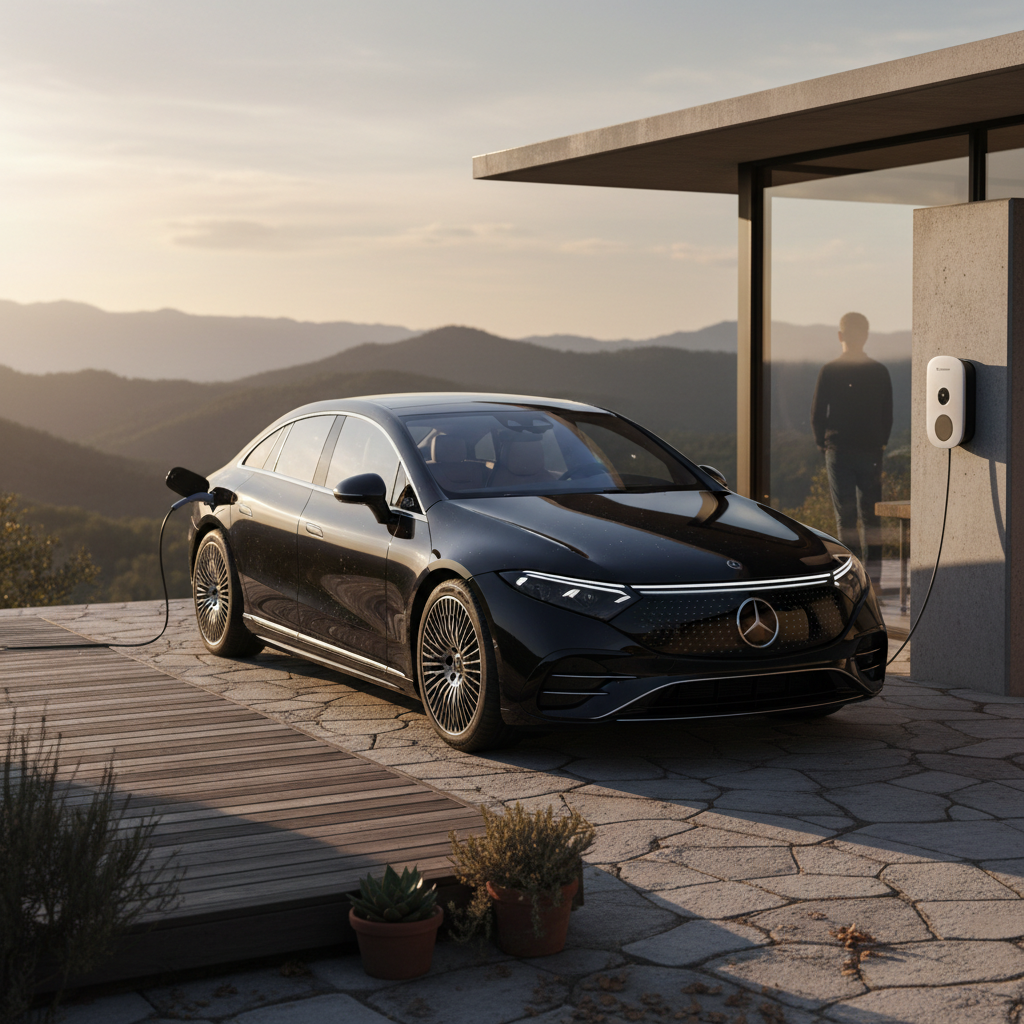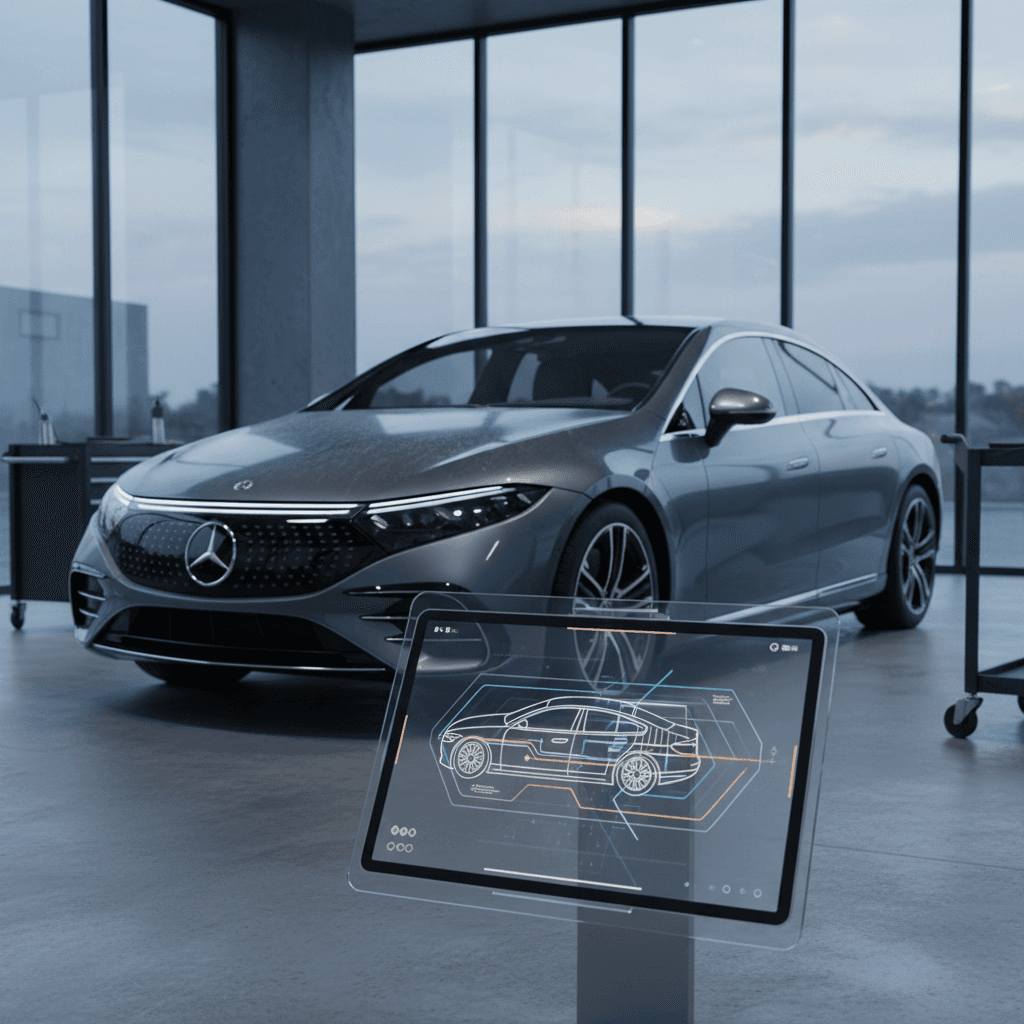
If you’re eyeing a **2023 Mercedes EQE**, sedan or SUV, you’re probably wondering whether the car’s long‑term reliability lives up to the three-pointed star on the hood. The EQE delivers quiet, luxurious electric driving, but its first model years have also brought software bugs, recalls, and some uneven ownership stories. Let’s walk through what’s actually known about 2023 Mercedes EQE reliability and how to shop smart, especially if you’re considering a used example.
Quick take
Overview: How Reliable Is the 2023 Mercedes EQE?
Because the **EQE** is still relatively new, there isn’t a deep pool of long-term reliability data yet. Consumer surveys and owner forums show a mixed picture: some drivers report tens of thousands of trouble-free miles, while others have dealt with multiple warning messages, software updates, and occasional component failures. As with many first‑wave luxury EVs, the core electric hardware seems robust; it’s the electronics and complexity that tend to cause headaches.
Where the 2023 EQE looks strong
- Battery and motors use proven Mercedes EV components shared across the EQ family.
- No widespread high-voltage battery failure pattern has emerged so far.
- Structurally solid chassis, braking, and suspension, with only isolated complaints.
Where reliability is more concerning
- Electronics and software (warning lights, infotainment, driver-assist quirks).
- Recalls for steering, lighting, and electrical components affecting 2023 models.
- Dealer downtime when parts or software approvals are delayed.
2023 Mercedes EQE Reliability Snapshot (Early Years)
First‑year EV rule still applies
Recalls and Known Issues for the 2023 EQE
Recalls aren’t automatic dealbreakers, especially when they’re addressed promptly, but you do want to know what’s on the list. Several campaigns affect 2023 EQE sedans and SUVs in the U.S., mostly around the steering, wheels, and electrical system.
Major U.S. Recalls Touching 2023 Mercedes EQE
These are high-level summaries; always run the VIN on NHTSA or with a Mercedes dealer to see exactly which recalls apply to a specific vehicle.
| Area | Model years / models mentioned | Risk if not fixed | Typical fix |
|---|---|---|---|
| Steering coupling bolt | 2023–2026 EQE (and some GLC) | Loose coupling could lead to loss of steering control. | Dealer inspects and correctly tightens or replaces steering coupling bolt. |
| Wheel rim inserts | 2023 EQE 350 4MATIC and EQE 350+ | Rim inserts may detach and create a road hazard. | Inspection and replacement of affected rim inserts. |
| 80-amp main fuse | 2023–2024 EQE and several other models | Fuse failure could cut drive power, key safety systems, or in rare cases increase fire risk. | Replacement of main fuse box with correctly manufactured components. |
| Headlight adjustment (comfort suspension cars) | 2023 EQE 350 with comfort suspension | Improperly aimed headlights and compromised dynamic control performance. | Headlight control unit software update and adjustment. |
Recall actions are performed free of charge by Mercedes-Benz dealers.
How to check a 2023 EQE for open recalls
Software, Electronics, and Infotainment Quirks
When shoppers ask about **2023 Mercedes EQE reliability**, nine times out of ten they’re really asking, “Is this thing going to be in the shop all the time for warning lights and software gremlins?” The short answer: electronics are the most common sore spot across EQE owner reports.
Common Electronic and Software Complaints on 2023 EQE
Most are fixable under warranty, but they can be frustrating.
Random warning messages
Infotainment glitches
12V battery issues
Why software-heavy EVs feel "buggier"
The upside is that **many of these issues are fixable with updates**, not major hardware replacements. The downside is that you might spend more time than you’d like at the dealer, waiting for software patches, diagnostic approvals, or parts for related components.
High-Voltage Battery Health, Range, and Degradation
For any used EV, the big fear is the big battery. So far, there’s no evidence that the **2023 EQE’s high‑voltage pack** is failing at unusual rates. Most concern around the EQE family has centered on battery-management software rather than physical cell failures.
- Mercedes has issued software updates for the battery management system (BMS) on various EQE/EQS models to prevent unexpected shutdowns or loss of drive power.
- Range retention on 2023 EQE sedans and SUVs appears typical for luxury EVs, modest, gradual loss over the first few years, not catastrophic drops.
- As with any EV, fast‑charging frequently at very high states of charge and storing the car fully charged in extreme heat can accelerate degradation.
Smart habits to protect your EQE’s battery
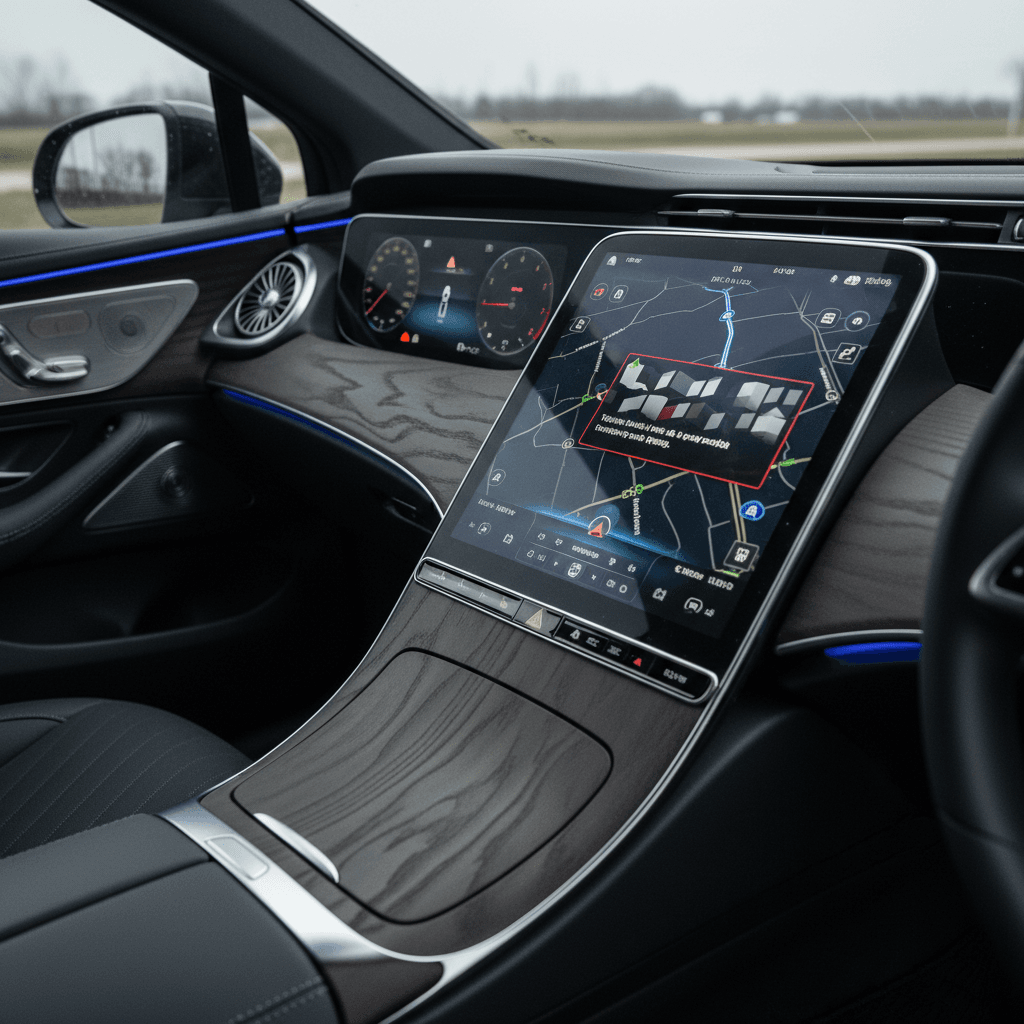
Where you should be more cautious is with **cars that sat on dealer lots for a long time**. Extended storage with improper charging practices can be tougher on batteries than normal driving. If the Carfax or dealer history shows a 2023 EQE that wasn’t titled for a year or more, a professional battery health check is a smart move.
What Owners Are Reporting So Far
Real‑world owner reports on the 2023 EQE run the gamut, from “absolutely bulletproof” to “never again.” The truth, as usual, lands somewhere in the middle and often depends on how quickly a dealer can resolve issues.
Anecdotal Owner Experiences With 2023 EQE
Individual stories aren’t statistics, but patterns are worth noting.
The smooth-sailing cases
The headache stories
“I put over 40,000 miles on a 2023 EQE 350 4MATIC without any issues… We’ve driven our EQE 350 in everything from -20°F to 98°F without any problems.”
Taken together, the pattern looks similar to other high‑tech luxury EVs: most owners have acceptable experiences, but the unlucky minority can face frustrating, time‑consuming problems that often revolve around electronics and dealer support rather than catastrophic mechanical failures.
Repair Costs, Warranty Coverage, and Downtime
When reliability wobbles, the next question is simple: what will it cost me, in dollars and in time? Here the 2023 EQE is a typical modern Mercedes: warranty coverage is solid, but out‑of‑warranty repairs can be pricey, and dealer downtime is a real consideration.
Key Warranty Protections on a 2023 Mercedes EQE (U.S.)
1. New-vehicle limited warranty
Typically 4 years/50,000 miles from original in‑service date. Covers most non‑wear components and many electronic issues, critical if you’re buying used while this coverage is still active.
2. High-voltage battery warranty
Mercedes generally covers EQ batteries for around 8 years/100,000–125,000 miles against excessive capacity loss or defects (exact terms vary by market). This is your safety net against big-ticket battery failures.
3. Certified pre-owned (CPO) extensions
Many used EQEs on dealer lots are CPO, adding 1–2 years of extra coverage. That can be valuable with a complex EV where a single module or suspension component may cost thousands to replace.
4. Software and recall work
Recall campaigns and manufacturer-issued software updates are performed at no cost, but may require you to leave the car with the dealer for days or weeks depending on workload and parts.
Don’t ignore dealer capacity
Typical cost profile
- Under warranty: Most issues cost you time, not money. The big frustration is multiple visits and waiting on parts.
- Out of warranty: Expect high labor rates and expensive components, especially for suspension, electronics, and interior hardware.
- Battery or drive unit: Catastrophic failures are rare so far and usually fall under the battery or powertrain warranty if they occur early.
How Recharged can help
If you’re shopping used, a platform like Recharged is built to reduce these unknowns. Every EV gets a Recharged Score Report with verified battery health, pricing that reflects current market depreciation, and guidance on warranty status.
That way, you’re not guessing whether a “great deal” on a 2023 EQE is actually hiding a big future bill.
Buying a Used 2023 Mercedes EQE: What to Check
With steep early depreciation, the 2023 EQE can look like a screaming bargain on the used market. The key is separating the genuinely solid cars from the ones that might become your second full‑time job.
Used 2023 EQE Pre‑Purchase Checklist
1. Verify recall and campaign history
Ask the seller or a Mercedes dealer for a printout of all <strong>completed and outstanding recalls</strong> and service campaigns. Walk away from any car that hasn’t had safety‑critical work completed.
2. Ask about software update history
A well‑maintained EQE should have had key software updates for the infotainment system, battery management, and driver‑assist modules. Gaps here may mean more glitches for you later.
3. Inspect for warning lights and error messages
During your test drive, cycle the car off and on and scroll through menus. Any persistent warnings, malfunction messages, or disabled driver‑assist features are red flags until properly diagnosed.
4. Get a high-voltage battery health report
Whenever possible, obtain a <strong>battery health diagnostic</strong> showing usable capacity and cell balance. Recharged includes this as part of the Recharged Score so you know what you’re buying.
5. Check storage and usage patterns
Be extra cautious with cars that sat on lots for long periods. Ideally, you want a vehicle that’s been driven regularly, charged mostly on Level 2, and serviced at recommended intervals.
6. Evaluate warranty and CPO coverage
Know the in‑service date, remaining factory coverage, and whether the car is CPO. A year or two of additional coverage can make the difference between a smart buy and a roll of the dice.
Why buying through Recharged can de‑risk a 2023 EQE
Ready to find your next EV?
Browse Vehicles2023 EQE Reliability vs Other Luxury EVs
If you’re cross‑shopping, it helps to see the 2023 EQE in context. Compared with other mid‑size luxury EVs, think BMW iX, Tesla Model S/Model 3 Long Range, Audi Q8 e‑tron, the EQE sits near the middle of the pack for reliability, with its own strengths and weaknesses.
How the 2023 EQE Stacks Up on Reliability
Broad, experience-based comparison of major luxury EV players, not a substitute for detailed surveys, but a useful orientation.
| Model | Relative reliability feel (early years) | Biggest positives | Common headaches |
|---|---|---|---|
| Mercedes EQE (sedan/SUV) | Average for a first-gen luxury EV | Comfort, build quality, robust battery warranty | Electronics, software glitches, dealer downtime |
| BMW iX | Above average | Solid chassis, mature BMW service network | Occasional software gremlins, parts pricing |
| Audi Q8 e-tron | Average to slightly above | Refined ride, conservative tech | Range vs competitors, some charging quirks |
| Tesla Model S/3 LR | Mixed: strong drivetrain, variable build | Supercharger network, efficient powertrain | Fit-and-finish, intermittent software/regional service issues |
Ratings are directional and reflect early ownership impressions, not final verdicts over 10+ years.
Luxury EVs are not Camrys
Is the 2023 EQE a Good Used EV Bet?
Putting it all together, the 2023 Mercedes EQE is neither a slam‑dunk “buy it blind” choice nor a model you must avoid at all costs. It’s a sophisticated, comfortable luxury EV whose **long‑term reliability story is still being written**, with early chapters showing:
- Strong fundamentals in the high‑voltage battery and drivetrain so far.
- A pattern of software and electrical issues that can be annoying, though usually fixable under warranty.
- Real variation between individual cars and dealerships, some owners experience trouble‑free motoring, others fight repeated glitches.
If you prioritize comfort, quietness, and a richly appointed cabin over rock‑bottom running costs, a **carefully vetted 2023 EQE**, with solid service history, clean recall record, and meaningful remaining warranty, can be a compelling value on the used market. Just budget some extra time for dealer visits, and work with a seller or platform that can document battery health and software updates. That’s exactly the gap Recharged was built to fill for used EV shoppers.