If you grew up on oil changes and 30,000‑mile brake jobs, the idea of an electric car barely touching its brake pads sounds like a fairy tale. Yet thanks to regenerative braking, many EV owners go 70,000–100,000+ miles before their first brake replacement. So how often do EV brakes really need replacing, and what should you expect if you’re buying or owning a used electric vehicle?
Short answer
EV brakes: how often is “often”?
Typical brake life: EVs vs gas cars
Across brands, real‑world data and fleet maintenance experience suggest EV brake pads typically last 70,000–100,000 miles or more, compared with 30,000–50,000 miles for many gas cars. Some Tesla, Hyundai, and Chevy EV owners report well over 100,000 miles on original pads with mostly highway driving and strong regen. On the other end, hard city driving, towing, or lots of steep downhill work can still wear EV brakes faster.
Mileage isn’t the only clock
Why EV brakes often last 70,000–100,000+ miles
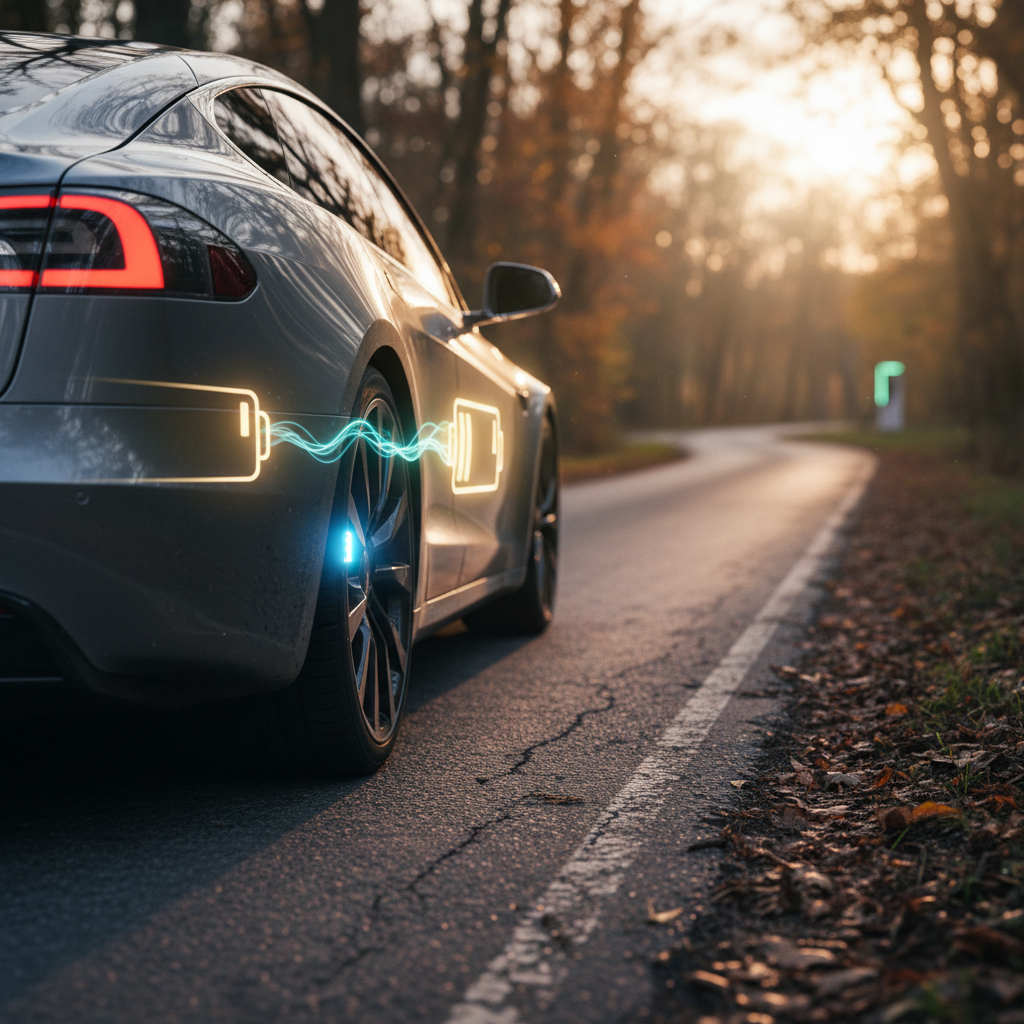
In a conventional car, every stop is a friction‑brake event: pads clamp the rotors, turning motion into heat. In an EV, the car’s electric motor becomes a generator when you lift off the accelerator, slowing the car while pumping energy back into the battery. This is regenerative braking, and it does the majority of your day‑to‑day slowing.
- Less friction work: Regen handles a huge share of routine braking, so pads may only do significant work in hard stops or below very low speeds.
- One‑pedal driving: Many EVs let you slow aggressively just by lifting off the accelerator, further reducing how often you touch the brake pedal.
- Smoother driving patterns: EV torque and smooth deceleration encourage more progressive driving, which is easier on brakes.
Turn up regen, save your pads
What friction brakes still do
- Emergency and panic stops
- Very low‑speed stopping (often below 3–5 mph)
- Braking when the battery is full or cold, limiting regen
- Holding the car at a stop (depending on the model)
When regen does the heavy lifting
- Most normal deceleration from cruising speeds
- Descending gentle grades or highway ramps
- Stop‑and‑go traffic when you “drive the pedal” smoothly
- Urban errands where speeds stay moderate
When EV brakes actually need replacing
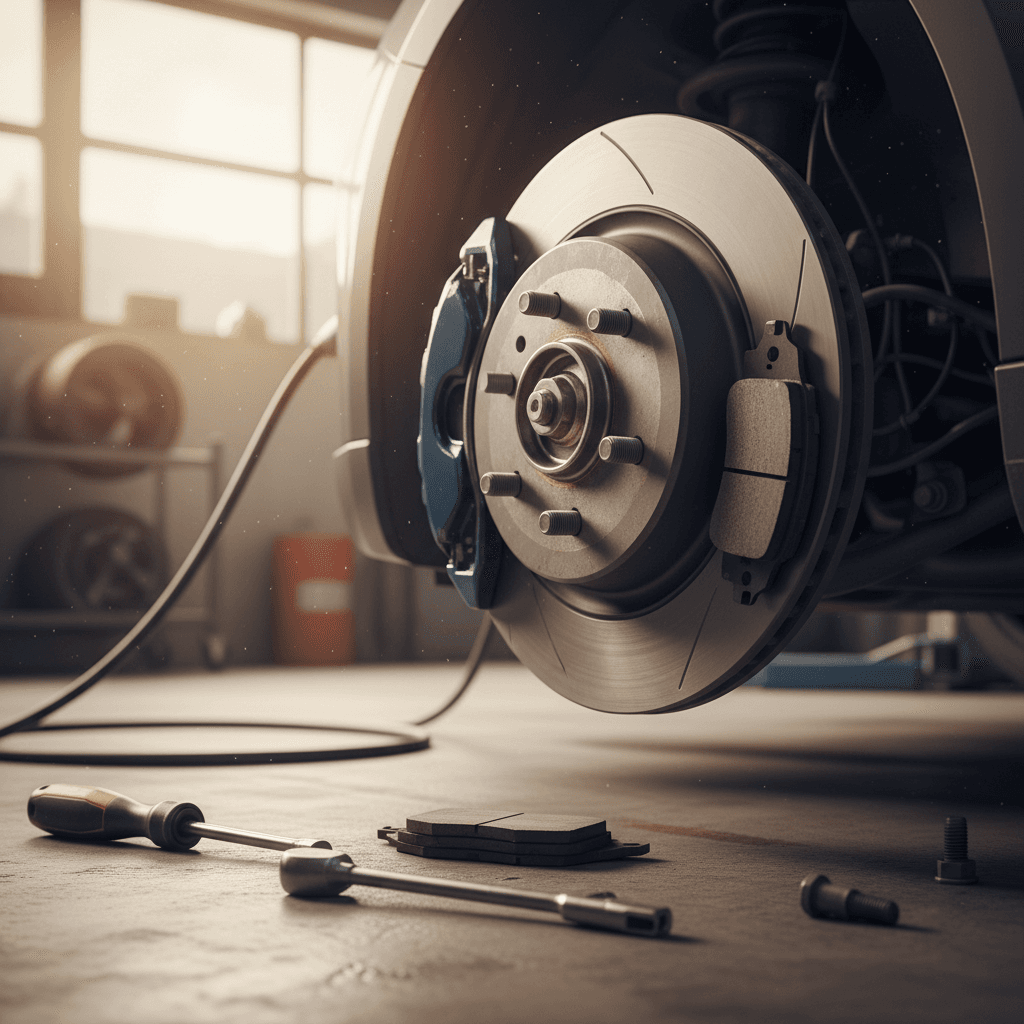
There’s no universal “replace at 80,000 miles” rule. Instead, EV brake replacement timing depends on pad wear, rotor condition, and corrosion. Modern EVs use the same basic brake hardware as gas cars, pads, rotors, calipers, and the same inspection logic applies.
Common EV brake replacement triggers
Mileage is just one part of the story. These are typical reasons an EV ends up needing brake work.
| Trigger | What it means | Typical mileage window |
|---|---|---|
| Pads at or below minimum thickness | Friction material worn down to the manufacturer’s limit, often around 2–3 mm remaining. | 60,000–120,000+ miles on many EVs. |
| Severely rusted rotors | Surface flaking, deep grooves, or pitting from sitting or salty roads. | As little as 30,000–60,000 miles in harsh climates. |
| Uneven wear or sticking calipers | Pads wearing badly on one side, dragging brakes, or warped rotors. | Anytime, often 40,000–80,000 miles if not maintained. |
| Noise & vibration that cleaning won’t fix | Persistent grinding, squealing, or pulsing under braking. | Usually 50,000+ miles, but can be sooner with abuse. |
Your actual replacement interval will depend on how and where you drive, plus how often the system is inspected and cleaned.
What manufacturers typically recommend
Warning signs your EV needs brake service now
Because regenerative braking masks how rarely you use the friction system, EV brake problems can sneak up on you. You’re not “feeling” the brakes every few seconds like in a gas car. Pay attention to these red flags, especially on a used EV whose history you don’t fully know.
Critical warning signs
1. Grinding or scraping sounds
A harsh, metallic scraping when you brake can mean pads are worn through to the backing plate or rust has eaten into the rotor surface. This moves you from simple pad replacement to more expensive rotor work.
2. Pulsation or vibration in the pedal
If the brake pedal or steering wheel shakes when you slow down from highway speeds, rotors may be warped or badly rusted. That usually requires resurfacing or replacing rotors along with new pads.
3. Noticeably longer stopping distances
If you have to press much harder on the pedal or your EV doesn’t slow as confidently, especially when regen is limited by a cold or full battery, get the system checked immediately.
4. Brake warning lights
Modern EVs monitor brake fluid level, ABS, and stability systems. Any brake‑related warning light demands quick attention, even if the car still seems to stop normally.
5. Burning smell after light braking
A hot, chemical smell or smoke near a wheel could mean a sticking caliper or dragging pad, which can overheat and damage components quickly.
Don’t rely only on regen
EV vs gas: brake life and replacement costs
Part of the appeal of EVs is lower maintenance, and brakes are one of the clearest wins. Over the life of the car, you may do one full brake job instead of two or three. That’s real money saved, especially if you’re putting big miles on the odometer or planning to buy used and keep the car a long time.
Brake life and cost: EV vs gas at a glance
These are broad averages, your driving style and climate still rule the outcome.
Modern EV
- Pad life: 70,000–100,000+ miles typical.
- Rotor life: Often 1–2 pad sets before replacement if corrosion is controlled.
- Cost per axle: Roughly $250–$600 for pads and rotors, depending on brand and shop.
- Frequency: Many owners see one major brake job in 8–10 years of driving.
Typical gas car
- Pad life: 30,000–50,000 miles common.
- Rotor life: Often every 2nd pad change or sooner with heavy use.
- Cost per axle: Similar $250–$600 range, sometimes more for performance hardware.
- Frequency: Two to three brake jobs over the same mileage as an EV’s single service.
The long‑term math favors EVs
How driving style and climate change EV brake wear
Ask two EV owners how often they replaced brakes and you’ll get two wildly different answers. A gentle commuter in Arizona and a hard‑charging driver in Boston are living on different planets. EV brake wear is dominated by three things: how you stop, where you live, and what you haul.
- Aggressive vs smooth driving: Repeated heavy braking defeats the whole point of regen. If you’re always rushing up to red lights and then braking hard, your pads will look more like a gas car’s.
- Hills and mountains: Long downhill grades put more continuous load on the friction brakes, especially if the battery gets full or the regen system limits current for protection.
- Climate and corrosion: In wet, coastal, or snowy regions where roads are salted, rotors can rust faster because they’re not scrubbed clean as often. This is one of the biggest reasons some EVs need earlier brake service.
- Towing and heavy loads: Electric trucks and SUVs that tow or haul regularly will lean harder on friction brakes, especially on descents where regen alone can’t safely manage the speed.
- Driving mode choices: Eco or high‑regen modes maximize electric braking. Sport modes that prioritize coasting or use less regen will demand more work from the pads.
Cold weather caveat
Preventive maintenance to avoid premature EV brake replacement
If you want your EV to hit the big numbers, 100,000+ miles on original pads, you have to give the hardware at least a little love. The good news: the checklist is short, and much of it is about habits, not huge bills.
Simple ways to extend EV brake life
Schedule periodic brake inspections
Ask for a brake inspection every 1–2 years or roughly every 15,000–25,000 miles, especially if you live where it snows or near the coast. A tech can catch rust or sticky slider pins before they eat your pads and rotors.
Have calipers cleaned and lubricated in harsh climates
In cold or salty areas, many manufacturers recommend cleaning and lubricating caliper hardware on a fixed schedule. This simple service keeps pads sliding freely instead of dragging or seizing.
Use strong regen for daily driving
If your EV offers adjustable regenerative braking, pick the highest setting that feels natural. You’ll rely less on friction brakes, and your pads will thank you years from now.
Practice one‑pedal driving (safely)
Learn to modulate the accelerator so you rarely need a hard brake application. On many EVs, you can come nearly to a stop using regen alone, which dramatically cuts pad use.
Occasionally “exercise” the brakes
Once in a while, on a safe, empty stretch of road, use the friction brakes firmly from moderate speeds to clean light surface rust. This helps keep rotors smooth and reduces noise.
Rinse winter road salt when possible
If you drive through salted slush, a periodic underbody rinse, including brakes and suspension, can slow rust. Many modern car washes offer undercarriage rinses that help.
Used EV shopping: brakes to check before you buy
If you’re considering a used EV, brakes are one of the most overlooked line items in the inspection, and one where electric cars play by slightly different rules. The pads may have plenty of life left, but rotors could be deeply rusted, or the calipers may have spent winters chewing through salty slush.
Used EV brake checklist before you sign
You don’t need to be a mechanic, but you do need to be curious.
Ask for brake service history
Look for records of pad/rotor replacement or caliper cleaning, especially on EVs from cold or coastal regions. A brake job done recently is a plus; an older car with no records is a question mark.
Inspect pad thickness & rotors
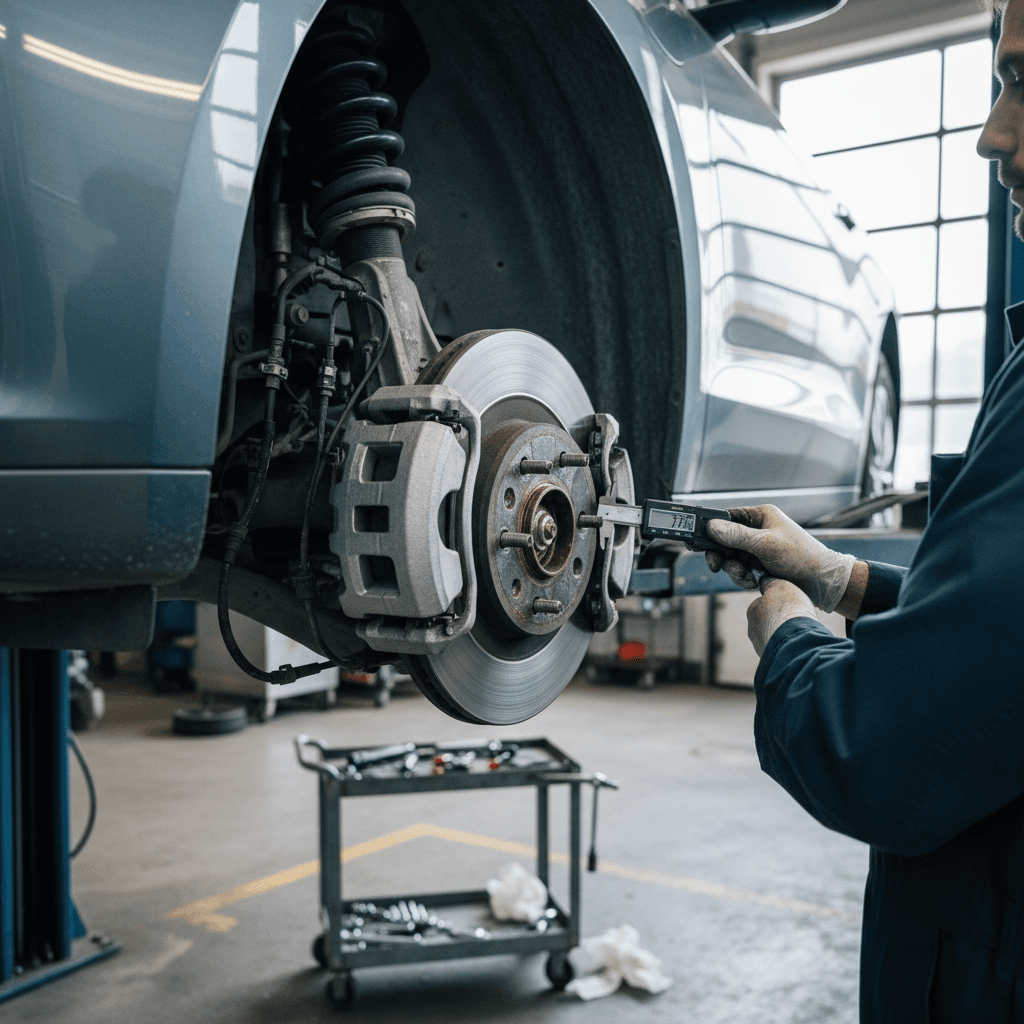
Through the wheel spokes, you can often see pad material and rotor faces. Uneven wear, heavy grooves, or flaky rust are clues the car may need brake work soon.
Feel the pedal on a test drive
During your drive, do a few moderate stops from 40–50 mph with regen reduced (if possible). Feel for vibration, pulling, or noise. An EV should brake smoothly and confidently.
How Recharged evaluates brakes on used EVs
FAQ: EV brake replacement
Frequently asked questions about EV brake life
Bottom line: how often do EV brakes need replacing?
If you’re coming from the world of oil‑burners, EV brake life feels almost like cheating. For many owners, the answer to “how often do EV brakes need replacing?” is: once, somewhere past 70,000–100,000 miles, and sometimes much later. That’s not a guarantee, but it’s a realistic expectation if you use regenerative braking, keep an eye on corrosion, and get the system inspected now and then.
For used‑EV shoppers, healthy brakes are another quiet way an electric car saves you money in the first few years of ownership, if someone has done the homework. At Recharged, that’s built in: every car gets a Recharged Score Report with verified battery health and a clear-eyed look at wear items like brakes, so you can shop the fun stuff (range, features, color) without worrying you’re about to inherit an expensive first service visit.
Treat your EV’s brakes as what they are now: emergency athletes rather than everyday grunts. Give them occasional exercise, keep them inspected, and they’ll likely be one of the least demanding line items in your maintenance budget, whether you’re driving new off the lot or stepping into a carefully vetted used EV from Recharged.