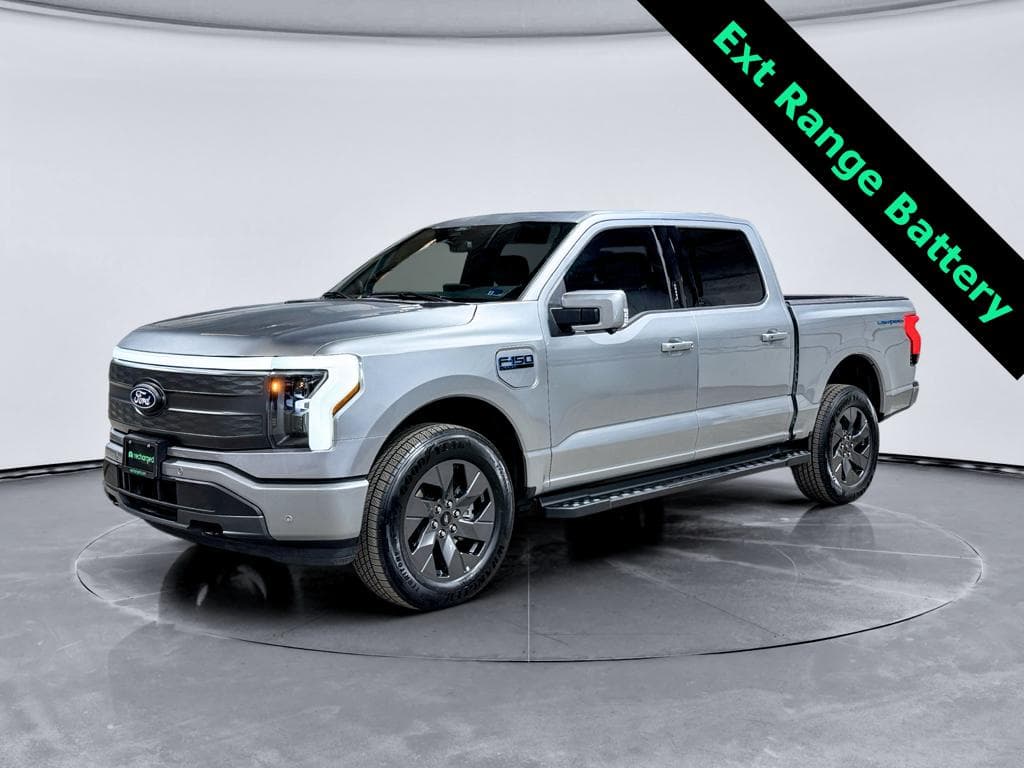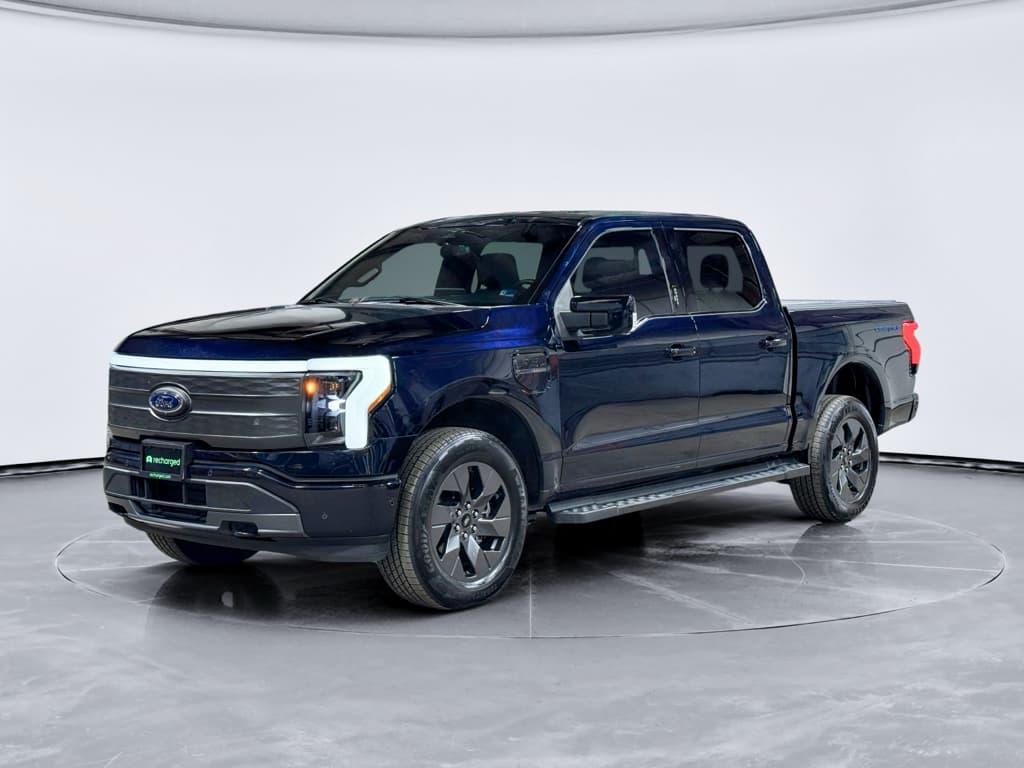
You’re not imagining it: used 2024 Ford F‑150 Lightnings are starting to show up on lots and online marketplaces at serious discounts. With Ford announcing it will end production of the current all‑electric Lightning in favor of an extended‑range hybrid version, many shoppers are asking a simple question: is the 2024 F‑150 Lightning still a good buy in 2026 or a short‑lived experiment you should avoid?
Context has changed fast
Quick answer: Is the 2024 F‑150 Lightning a good buy?
Yes, it’s a good buy if…
- You mostly drive locally or regionally and don’t tow long distances.
- You have (or can install) reliable home Level 2 charging.
- You value smooth, quiet power, tech features and low running costs over max towing range.
- You’re comfortable owning a first‑generation EV truck with some software and reliability wrinkles.
- You’re buying at a meaningful discount versus original MSRP and comparable new trucks.
No, you should probably skip it if…
- You tow heavy trailers or equipment hundreds of miles in all weather.
- You rarely have access to overnight charging at home or work.
- You want a truck to keep 10–15 years and worry about parts support on a discontinued model.
- You need bulletproof reliability and can’t tolerate software glitches or service visits.
- You’re stretching your budget and counting on strong resale value later.
In other words: for the right driver, a used 2024 Lightning can be a compelling value play in 2026. For the wrong driver, it can be an expensive mismatch. The rest of this guide walks through specs, real‑world pros and cons, pricing, and a step‑by‑step checklist so you can decide which camp you’re in.
What changed: The 2026 market context
Three big shifts that affect 2024 Lightning buyers
Why the same truck looks different in 2026 than it did in 2024
1. Ford’s strategy pivot
Ford has confirmed it will end production of the current all‑electric Lightning and move to a next‑gen extended‑range setup that pairs electric drive with a gas generator. That raises questions about long‑term parts availability but also means more discounts on first‑gen trucks as dealers clear inventory.
2. Charging landscape has matured
Compared with 2022–2023, public fast charging is slightly more reliable and more networks support plug‑and‑charge. But the Lightning still relies on CCS hardware, while the industry is standardizing around NACS (Tesla) connectors, so adapters and port standards matter for future proofing.
3. EV truck demand cooled
High MSRPs, interest rates, and range‑while‑towing realities cooled demand for full‑size EV pickups. That’s bad news for Ford’s balance sheet, but good news if you’re shopping used: depreciation has been steep, and 2024 trucks can trade well below original sticker.
Key specs: 2024 F‑150 Lightning at a glance
2024 F‑150 Lightning core numbers
2024 F‑150 Lightning trims most common on the used market
Approximate positioning of popular trims you’re likely to see in 2026. Exact equipment and pricing will vary by truck.
| Trim | Typical Battery | Headline Features | Who it fits best |
|---|---|---|---|
| Pro | Standard Range | Work‑oriented interior, vinyl seats, fewer comfort options, big torque still included | Fleets, value‑focused buyers with predictable local usage |
| XLT | Standard or Extended Range | More comfort and tech, crew cab, good blend of price and features | Families and small businesses using the truck as a daily driver |
| Flash | Extended Range | Tech‑heavy: large central screen, BlueCruise driver assist on many trucks, upgraded audio | Tech‑focused buyers who want range plus driver‑assist features |
| Lariat | Extended Range | Leather, premium audio, panoramic roof on many builds, more luxury touches | Buyers cross‑shopping luxury trucks and high‑spec SUVs |
| Platinum / Platinum Black | Extended Range (high‑content) | Top‑spec materials, all the toys, limited‑run Black edition on some 2024s | Image‑conscious buyers who want the most upscale Lightning |
Use this as a rough map; always verify options and battery pack on the specific truck you’re considering.
Don’t assume all Lightnings have the big battery
Pros: Where the 2024 Lightning still shines
- Instant torque and smooth power. Even base trims feel quick, and higher‑spec Lightnings can out‑accelerate many performance cars while towing or loaded.
- Familiar F‑150 cabin and ergonomics. If you’ve driven a late‑model gas F‑150, the Lightning’s driving position, cabin, and controls feel immediately familiar, lowering the learning curve.
- Excellent around‑town and suburban truck. For home‑improvement runs, commuting, and contractor work inside a metro area, the Lightning’s quiet operation and one‑pedal driving make daily use less tiring.
- Lower running costs vs. gas. Electricity is typically cheaper per mile than gasoline, and the Lightning has far fewer moving parts, no oil changes, and less brake wear thanks to regenerative braking.
- Built‑in power export. Many 2024 Lightnings can power tools, campsites, or even portions of a home during outages when paired with the right hardware, still a unique selling point among trucks.
- Big depreciation = better value. If you’re buying in 2026, the steep early‑life depreciation and Ford’s pivot away from the current Lightning mean you may be getting a lot of truck for the money.
Cons and red flags before you buy
Know these limitations going in
- Range vs. towing reality. Hook up a large trailer or drive at highway speeds in cold weather and your effective range can fall by 40–50% or more. If your work or travel depends on long‑haul towing, this is a major limitation.
- Public fast charging still lags. The Lightning relies on CCS fast chargers, which in many areas remain less reliable and less dense than Tesla’s Supercharger network. If you can’t charge at home, owning a Lightning gets more frustrating.
- Below‑average early reliability. Independent data and owner surveys have pointed to software bugs, charging glitches, and some drive‑unit and battery‑related service visits on early trucks. These issues haven’t been catastrophic across the board, but they’re not trivial either.
- Complex software ecosystem. Over‑the‑air (OTA) updates can fix issues, but can also introduce new ones. Owners have reported occasional phantom warnings, infotainment resets, and BlueCruise quirks after updates.
- Depreciation uncertainty. Ford’s decision to end the current pure‑EV Lightning and pivot to an extended‑range design creates more uncertainty around long‑term resale value for 2024 trucks. If you plan to flip the truck in a few years, price this risk in.
Reliability and recalls: What we know so far
By 2026, we have a meaningful, if still incomplete, picture of 2024 F‑150 Lightning reliability. Independent testing groups have generally scored the Lightning below average for predicted reliability, with most complaints centering on electronics, charging behavior, and software, not catastrophic battery failures.
Reliability snapshot: 2024 F‑150 Lightning
Patterns seen across owner reports, early‑life repairs, and recall history. Exact experience will vary by truck.
| Area | What owners report | Risk level for used buyers |
|---|---|---|
| High‑voltage battery | So far, relatively few complete pack failures reported; some range loss in hard‑used fleet trucks, but most private trucks show modest early degradation. | Medium – critical but so far not a widespread failure point. |
| Software & infotainment | Glitches after OTA updates, occasional system reboots, Android Auto/CarPlay hiccups, features like BlueCruise sometimes behaving inconsistently. | Medium – rarely strands the truck, but adds frustration and service visits. |
| Charging hardware | Intermittent DC fast‑charging faults, communication errors with some public chargers, occasional onboard charger replacements. | Medium – especially important if you rely heavily on DC fast charging. |
| Chassis & body | Overall solid F‑150 bones, but some owners note squeaks/rattles and minor trim issues, similar to gas F‑150s. | Low to medium – typical modern full‑size truck issues. |
| Recalls | Multiple recalls across 2022–2024 Lightnings, including software‑based fixes and, more recently, a park system issue that can affect 2022–2024 model years. | Medium – recalls themselves are fixable, but volume highlights how much software the truck relies on. |
Use this as a directional guide, not a guarantee, always have any used Lightning evaluated by an EV‑literate technician.
Always check recall status by VIN
Pricing, depreciation, and incentives in 2026
Lightning pricing has been a moving target since launch. Ford raised and cut MSRPs multiple times through 2023–2024, and the truck’s early resale curve has been steeper than traditional F‑150s. For you as a used buyer in 2026, the question is whether today’s prices properly reflect those realities.
What you’ll typically see in 2026
- Many 2024 Pro and XLT trucks fell from original stickers in the $60Ks into the high‑$30Ks to $40Ks range by year 2–3, depending on miles and condition.
- Flash and Lariat Extended Range models often command a premium but still undercut comparable new EV trucks and high‑spec gas F‑150s.
- Platinum and Platinum Black trucks remain rarer and can hold value better, but still depreciate heavily versus their original, often six‑figure stickers.
Exact numbers vary regionally and over time, but the key point is this: early buyers absorbed the biggest hit. As a 2026 shopper, you’re seeing prices that better reflect the truck’s real‑world strengths and compromises.
Incentives and financing considerations
- Many used 2024 Lightnings no longer qualify for federal new‑EV tax credits, but may qualify under used‑EV rules if the sale and buyer meet income, price, and age requirements.
- State and utility incentives for used EVs are patchy but can meaningfully lower your effective purchase price.
- Because values have been volatile, lenders may be conservative on loan‑to‑value (LTV). Pre‑qualification through an EV‑savvy lender can smooth the process.
On Recharged, you can see transparent pricing aligned to current market data and pre‑qualify for financing without impacting your credit, which helps you understand the real monthly cost before you fall in love with a specific truck.
When pricing tilts the 2024 Lightning into “smart buy” territory
Is the 2024 Lightning right for your use case?
How the 2024 Lightning fits different owners
Urban & suburban daily driver
Home charging available in garage or driveway.
Mostly trips under 60–80 miles per day, with occasional weekend runs.
Rarely or never tow more than a small utility trailer or light toys.
Prioritize quiet, quick acceleration and low running costs.
→ For this profile, a 2024 Lightning, especially XLT or Flash, is often an <strong>excellent buy</strong>.
Contractor or small business, mostly local
Fleet or owner‑operator doing jobs within a metro region.
Truck returns to the same yard or driveway each night for charging.
Occasional towing or hauling heavy loads, but not 300‑mile days with a trailer.
Interested in using the truck as a <strong>mobile power source</strong> for tools or job sites.
→ Here, the Lightning can work very well, especially if you carefully model range and charging around your routes.
Road‑trip family with light towing
One or two long road trips per year, plus weekend getaways.
Small camper or boat, but not a massive fifth‑wheel.
Comfortable planning charging stops and embracing EV road‑trip rhythms.
→ A 2024 Lightning can work, but you need to be realistic about charging time and range loss with trailers. Consider Extended Range trims only.
Heavy‑duty towing or remote work
Regularly towing at or near max capacity.
Frequent trips through rural areas with sparse fast‑charging.
Need to keep tight schedules regardless of weather or charger status.
→ In 2026, a 2024 Lightning is <strong>usually not the best tool</strong> for this job. A hybrid or efficient gas truck may be a better match.
Used buying checklist for a 2024 F‑150 Lightning
Step‑by‑step checks before you sign
1. Confirm the battery and range you’re really getting
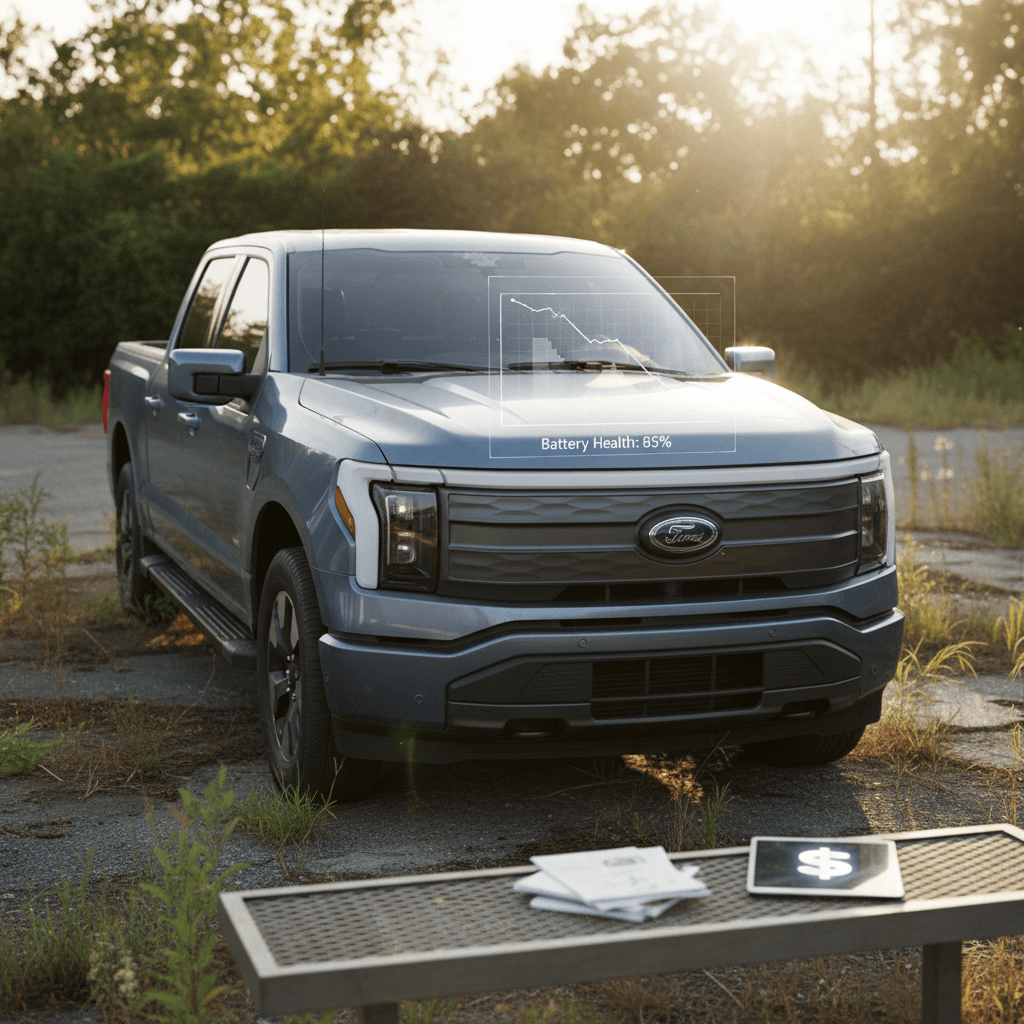
Verify whether the truck has the <strong>Standard Range</strong> or <strong>Extended Range</strong> battery and compare the original EPA rating with your actual needs. A Recharged Score Report includes a battery‑health diagnostic so you’re not guessing about remaining capacity.
2. Review charging history and habits
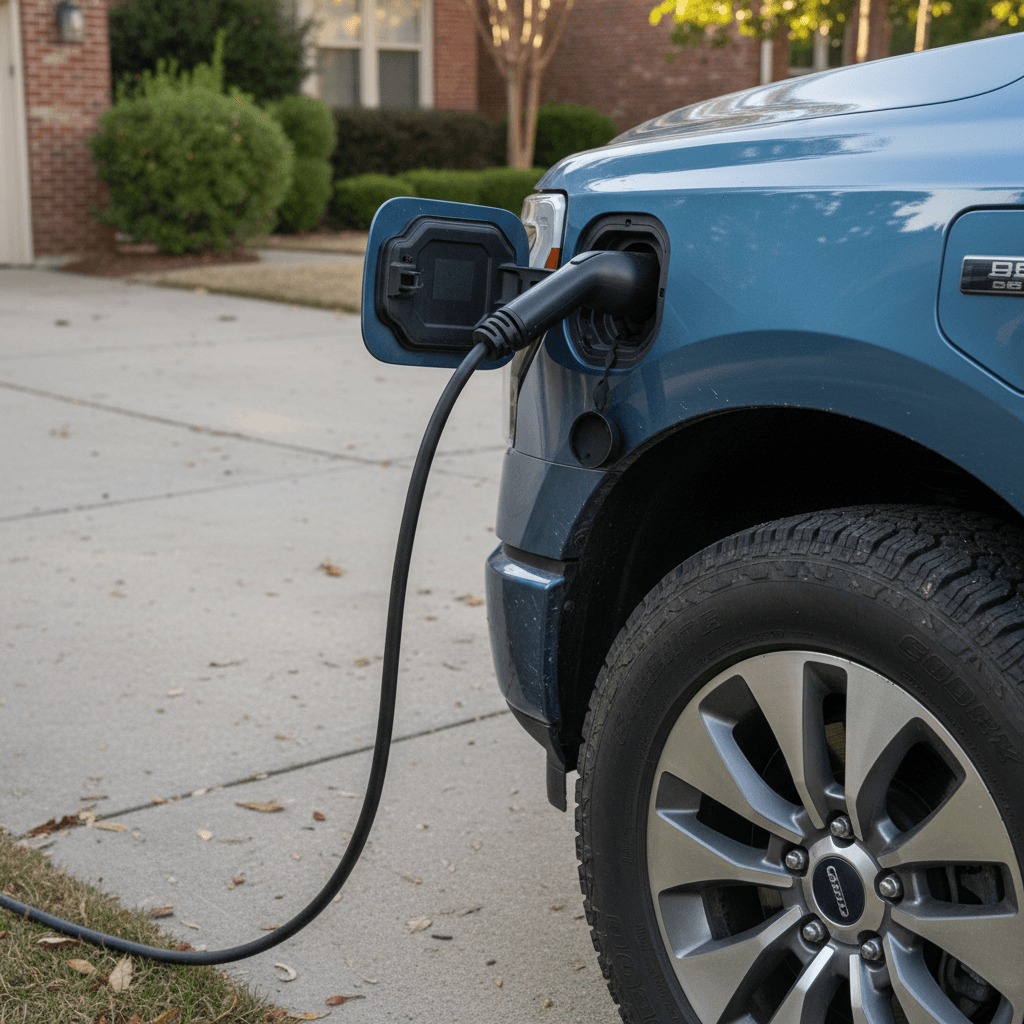
Ask how the previous owner charged the truck. Frequent DC fast charging and habitually charging to 100% can accelerate degradation. Ideally, you’ll see a mix of home Level 2 charging and moderate DC fast‑charge use.
3. Check for completed recalls and software updates
Run the VIN through NHTSA’s recall tool or ask for dealer service records showing that <strong>all open recalls</strong> and key software campaigns are complete. An EV‑literate dealer or marketplace like Recharged will have this documented.
4. Inspect tires, brakes, and suspension
EV trucks are heavy and can wear tires and suspension components faster than gas equivalents. Check for uneven tire wear, suspension noises, or premature brake issues. Budget accordingly if replacement is near.
5. Test real‑world range on a mixed drive
On a thorough test drive that includes highway speeds and some stop‑and‑go, watch projected range vs. miles driven. Sudden, large drops can hint at battery‑health or software‑calibration issues that deserve further investigation.
6. Evaluate charging behavior at home and DC fast chargers
If possible, plug into a Level 2 charger and a DC fast charger during your evaluation. Confirm that charging starts reliably, speeds ramp up as expected, and there are no repeated error messages.
7. Confirm options that matter to you
BlueCruise, power‑export outlets, spray‑in bedliner, tow packages, and interior materials all vary by trim and options. Don’t assume, they materially affect both your ownership experience and future resale value.
8. Get a third‑party EV‑focused inspection
If you’re buying from a private party or non‑EV specialist, consider an inspection through an EV‑savvy shop. With Recharged, every vehicle undergoes <strong>EV‑specific checks</strong> and comes with a Recharged Score Report so big surprises are less likely.
How Recharged helps with used F‑150 Lightning shopping
Shopping for a used 2024 Lightning isn’t like grabbing a used gas F‑150 off the lot. You’re balancing battery health, software versions, recall history, charging behavior, and volatile pricing. That’s exactly the complexity Recharged was built to simplify.
Why consider buying a 2024 Lightning through Recharged
Used EVs are what we do, including electric trucks like the F‑150 Lightning.
Verified battery health
Transparency on pricing and history
Financing, trade‑in, and delivery
Ready to find your next EV?
Browse VehiclesFAQ: 2024 F‑150 Lightning as a used buy
Frequently asked questions about buying a 2024 Lightning
Bottom line: When the 2024 Lightning is a good buy
The 2024 Ford F‑150 Lightning is not a perfect truck, and Ford’s shifting EV strategy hasn’t made your decision any simpler. But that’s exactly why a smart, informed buyer can win here. If you go in with realistic expectations about range, towing, and software; if you buy at a price that reflects the truck’s early depreciation and recall history; and if you lean on independent battery‑health data instead of guesswork, a used 2024 Lightning can be a very good buy in 2026 for the right use case.
If you’re curious whether a specific truck is worth it, or you want to see only 2024 Lightnings that have already been vetted, you can start with Recharged. Every vehicle includes a Recharged Score Report, transparent pricing, and EV‑specialist support from first click through delivery, so you spend less time worrying about what you don’t know, and more time deciding whether this is the right electric truck for your driveway.