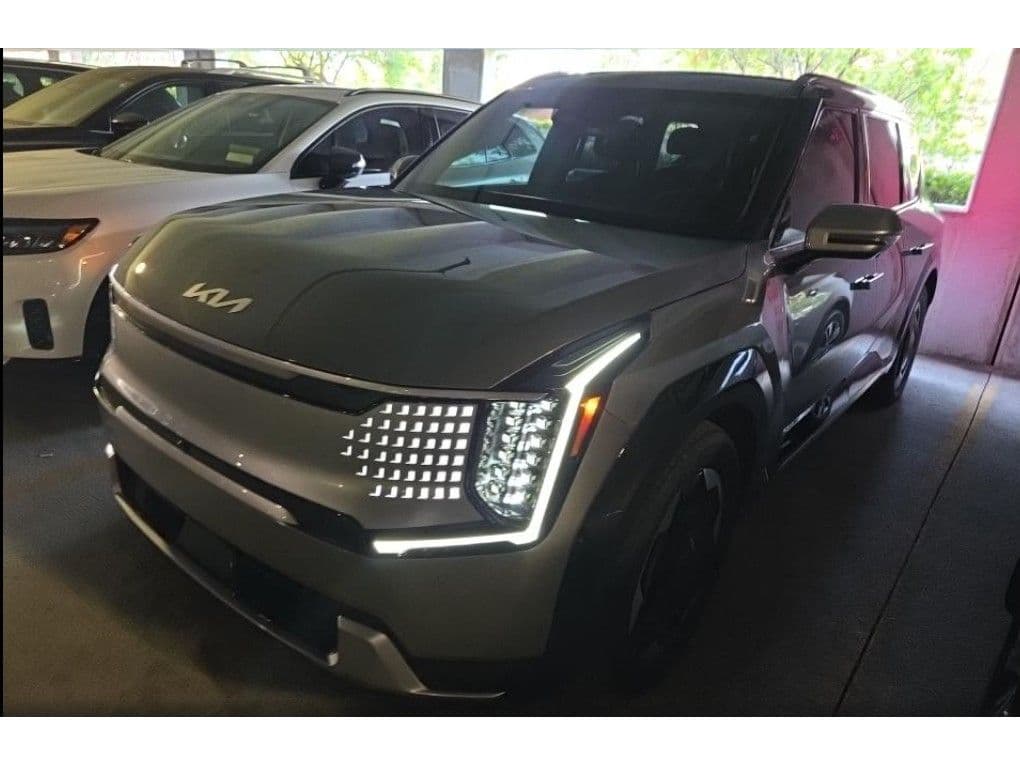
If you own a Kia EV9, you’re sitting on one of the most in‑demand three‑row electric SUVs in the U.S. right now. But EVs also depreciate differently than gas SUVs, and policy changes in 2025–2026 make timing extra important. Knowing the best time to sell a Kia EV9 can easily be the difference between keeping thousands of dollars versus leaving them on the table.
Short answer
How the used Kia EV9 market looks in 2025–2026
The EV9 is still a relatively new model, so used supply is thin compared with established gas SUVs. That scarcity helps support values, but the broader EV market has seen **faster depreciation** than many buyers expected. Data from pricing guides shows steep early‑year value drops for 2024–2025 EVs, and early EV9 resale estimates already put it toward the higher end of depreciation for large SUVs. Combined with rising incentives on new EV9s, the gap between new and used pricing can narrow quickly if you mistime your sale.
EV9 value dynamics at a glance
Why timing matters more for EVs
The 5 biggest timing drivers for selling a Kia EV9
- Federal EV tax credit changes (especially the September 30, 2025 deadline for many credits).
- New EV9 model‑year launches and feature changes (like built‑in NACS ports).
- Dealer and manufacturer incentives on new EV9s, which compete directly with your used one.
- Your mileage and warranty remaining (battery, powertrain, and bumper‑to‑bumper).
- Seasonal demand for 3‑row family vehicles and EVs in general.
Downward pressure on your EV9’s value
- Big rebates and bonus cash on new 2025–2026 EV9s.
- Dealers using remaining tax credits to heavily discount leases.
- Upcoming 2026+ EV9s with native NACS ports and incremental feature updates.
- Broader EV price cuts from rivals (Model X, Rivian R1S, etc.).
Forces that support EV9 resale
- Still‑limited supply of used 3‑row EVs.
- Families wanting a practical EV without new‑car prices.
- Buyers who missed out on federal tax credits for a new EV9.
- Strong equipment levels and range even on earlier model years.
Follow the **spread**, not just your car
So when is the best time to sell a Kia EV9?
If you want one clear answer, it’s this: in the current U.S. policy and market environment, **the best time to sell a Kia EV9 is either**:
- Late spring through early summer 2025, before the September 30, 2025 federal EV tax credit cutoff scrambles new‑car pricing and while 2024–2025 EV9s still feel current.
- Early 2026, before your EV9 crosses major mileage and age thresholds (36,000–45,000 miles, 3–4 years old) and before 2027–2028 refreshes make first‑generation examples feel dated.
Which window is best for you depends on how long you’ve owned the car and how fast you’re racking up miles. But in both cases, you’re selling before the market perceives your EV9 as “old tech” and while families are still lined up for a three‑row EV at a discount to new.
Seasonal timing: best months to sell your EV9
On top of policy and product changes, the time of year also matters. The EV9 is a family hauler, so its seasonality looks more like a three‑row SUV than a sports car.
Best and worst seasons to sell a Kia EV9
Family demand, weather, and incentives all play a role
Spring (March–May)
Often the best time. Tax refunds hit, families plan summer road trips, and weather makes test drives easy. If you’re targeting spring 2025 or 2026, list a few weeks before peak demand in your area.
Summer (June–August)
Still strong for three‑row EVs, especially in hotter states where buyers want electric cooling without idling. Be mindful of aggressive summer incentives on new EV9s that can undercut your price.
Fall & Winter
Demand tends to soften once school starts and weather turns. The exception is late‑December buyers chasing year‑end deals and tax‑planning moves, but that mainly benefits new EVs, not used.
Practical takeaway
Model years, NACS, and tech changes that affect value
EV buyers are more tech‑sensitive than typical SUV shoppers. Small changes, like a native North American Charging Standard (NACS) port or a higher‑efficiency powertrain, can have an outsized impact on how “future‑proof” your EV9 looks.
How EV9 model‑year changes influence when to sell
Use this to think about where your specific EV9 sits in the tech curve.
| Your EV9 | Key tech context | Risk if you wait too long | Timing notes |
|---|---|---|---|
| 2024 EV9 (early build) | First model year, CCS port with NACS adapter | Can feel “first‑gen” once more 2026+ NACS‑port EV9s flood the market | Best resale window is typically **within 3–4 years** of in‑service date, especially if you stay under ~45,000 miles. |
| 2025 EV9 | Incremental changes, some U.S. assembly, still mixed charging hardware | New‑car incentives on 2025/26 models narrow the price gap with used | Selling **before major 2027–2028 refreshes** and before battery warranty clocks down maximizes interest. |
| 2026 EV9 and later | Broader U.S. assembly, more trims, more NACS‑native builds | Later refresh or facelift could quickly age earlier model years | If you bought new, your biggest hit is in the first 3 years; consider selling before warranty and tech changes make your car feel old. |
Details will vary by trim and production batch; always verify specs for your VIN.
Watch the NACS transition
How federal tax credits and incentives affect when to sell
The federal EV tax credit doesn’t apply directly to your used EV9, but it heavily influences **what buyers can get new versus used**. In 2026, the backdrop is unusually complicated because of the “One Big Beautiful Bill” legislation and how automakers are responding.
Key policy dates to factor into your EV9 sale
1. September 30, 2025 federal EV credit cutoff
For many new EVs, including certain Kia EVs, the consumer‑facing federal EV tax credit of up to $7,500 is scheduled to end on **September 30, 2025**. After that, new EV9 purchases may no longer enjoy the same effective discount, which can make a used EV9 more attractive relative to new, or prompt a last‑minute rush into new cars that temporarily softens used demand.
2. Leasing “loophole” phase‑out
The commercial‑vehicle lease credit that has quietly subsidized many EV leases is also being wound down around the same time. Once that disappears, lease deals on new EV9s may get worse, sending some shoppers toward **late‑model used EV9s** instead.
3. Manufacturer rebates and bonus cash
Kia has already used large cash rebates on some EV9 trims that didn’t qualify for federal tax credits. When those rebates spike, they can undercut used pricing; when they pull back, used EV9s look more compelling. The best selling window is usually when rebates are modest, not record‑high.
4. State and local incentives
Some states offer rebates on new EVs only, while a smaller group also incentivizes used EV purchases. If your state boosts used‑EV rebates or HOV perks, your pool of buyers for a used EV9 widens almost overnight.
How to translate incentives into timing
Mileage and ownership milestones to watch
Beyond market forces, your own odometer and warranty clock are crucial. EV shoppers care a lot about battery life and warranty coverage, and lenders often give better terms to lower‑mileage, newer vehicles.
Mileage points that matter for EV9 resale
Aim to sell before you cross the next psychological cliff
Under 15,000 miles
Essentially “lightly used.” Many buyers treat this as a nearly‑new vehicle and are willing to pay a premium, especially if they missed out on tax credits or factory orders.
15,000–36,000 miles
Still a very healthy range for resale. You’re well inside most bumper‑to‑bumper coverage windows, and the car still feels fresh. For many owners, **this is the ideal exit band**.
Over 45,000–60,000 miles
Buyers start to wonder about long‑term battery health as mileage climbs, even if the high‑voltage pack is still under lengthy warranty. Values can step down more sharply at these milestones.
Don’t ignore warranty optics
Pricing strategy when you do decide to sell
Once you’ve picked your window, the other half of maximizing value is how you price and present the car. Because the EV9 is still new, asking prices can vary widely between private sellers and dealers, and many buyers are still learning how to value used EVs.
4 smart pricing moves for a used Kia EV9
1. Anchor on real transaction data, not just listings
Start with trade‑in and private‑party estimates from pricing guides, then look at <strong>actual sold comps</strong> in your region, not just optimistic asking prices. Used EV9s that actually move often transact below the stickered number on classifieds.
2. Price just below new after incentives
Find the out‑the‑door price of a comparable new EV9 after any rebates or tax‑credit benefits. Then ensure your ask is far enough below that number to feel like a clear value, often **10–20% lower** for similar equipment and mileage.
3. Lean into battery and charging transparency
Serious EV buyers want to see hard data: recent DC‑fast‑charging behavior, home‑charging history, and any battery health reports you can provide. A documented, healthy pack can justify a higher price than a mystery car with the same mileage.
4. Decide early between trade‑in, instant offer, and private sale
Private sales usually net the most, but they take time and effort. Trade‑ins and instant‑offer marketplaces can be less money but far faster, and sometimes align better with your tax situation or financing needs on the next car.
How Recharged can help you time and sell your EV9
Selling an EV isn’t the same as selling a gas SUV, and that’s exactly why Recharged exists. We’re a used‑EV specialist marketplace and retailer built around **battery transparency and fair pricing**, which matters even more for a high‑value model like the Kia EV9.
Why EV9 sellers use Recharged
Tools and services designed specifically for used EVs
Recharged Score & battery health diagnostics
Every EV we list gets a Recharged Score Report with verified battery health, charging behavior, and fair‑market pricing. Sharing a professional battery assessment with buyers can help your EV9 stand out and justify stronger offers.
Flexible ways to sell or trade
You can get an instant offer, trade your EV9 toward another EV, or consign it so we handle the marketing and sale. Our EV‑specialist team helps you choose between speed and maximum value based on your timing and tax‑credit considerations.
Ready to find your next EV?
Browse VehiclesNationwide reach, digital convenience
Recharged offers a fully digital retail experience with nationwide delivery and an Experience Center in Richmond, VA. That means your EV9 isn’t limited to buyers in your ZIP code, we can surface it to families nationwide who are specifically shopping for three‑row EVs.
Help choosing the right moment
Because we track EV market data every day, our team can walk you through whether it makes more sense to sell your EV9 before or after key milestones like the September 30, 2025 tax‑credit cutoff, your next model‑year update, or an upcoming mileage cliff.
Next step
Frequently asked questions about selling a Kia EV9
Kia EV9 selling FAQ
You can’t control policy shifts or the exact pace of EV price cuts, but you can control **when** you enter the market, how well you present your Kia EV9, and which channel you use to sell. Aim to exit before your EV9 feels like “old tech,” before you cross major mileage and warranty cliffs, and during a season when families are actively shopping. The rest is about transparency and execution, areas where a specialist like Recharged can help you turn your EV9 from a depreciating asset into the strongest possible check.