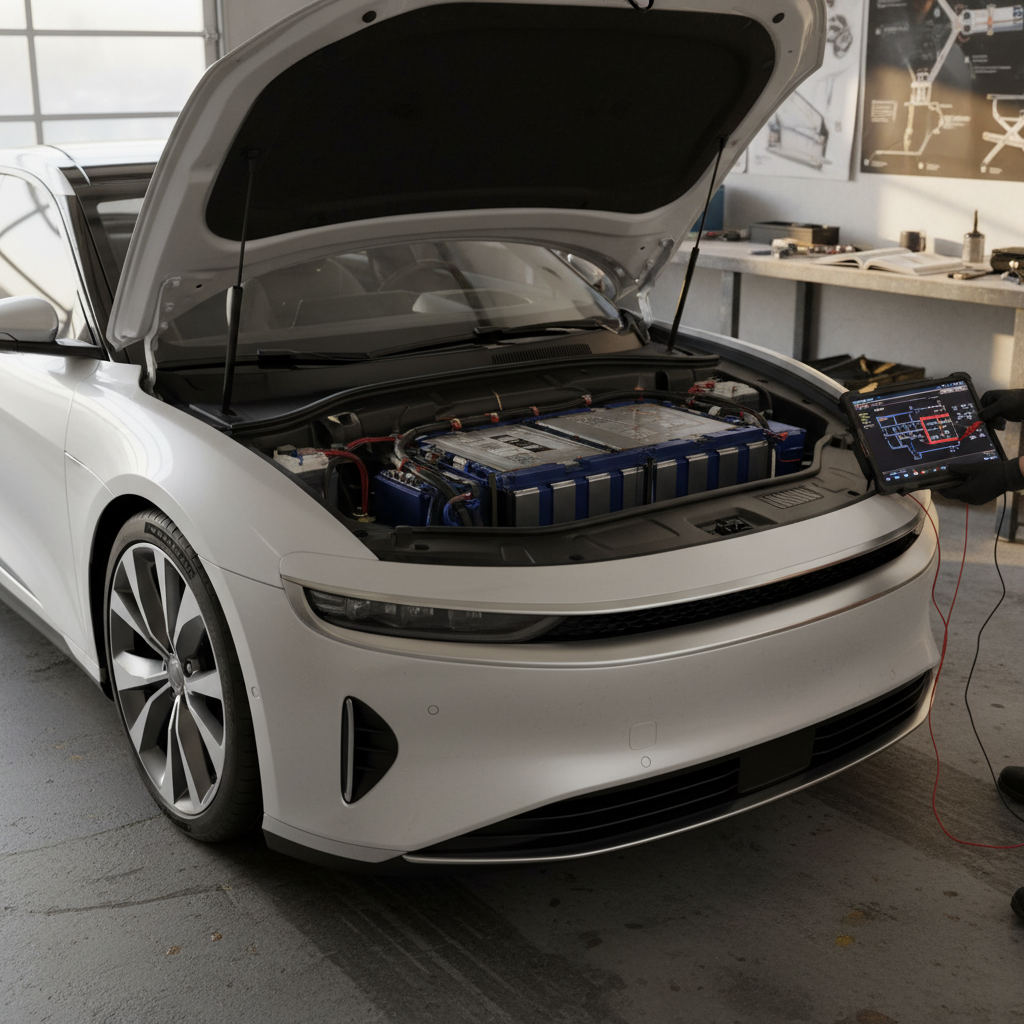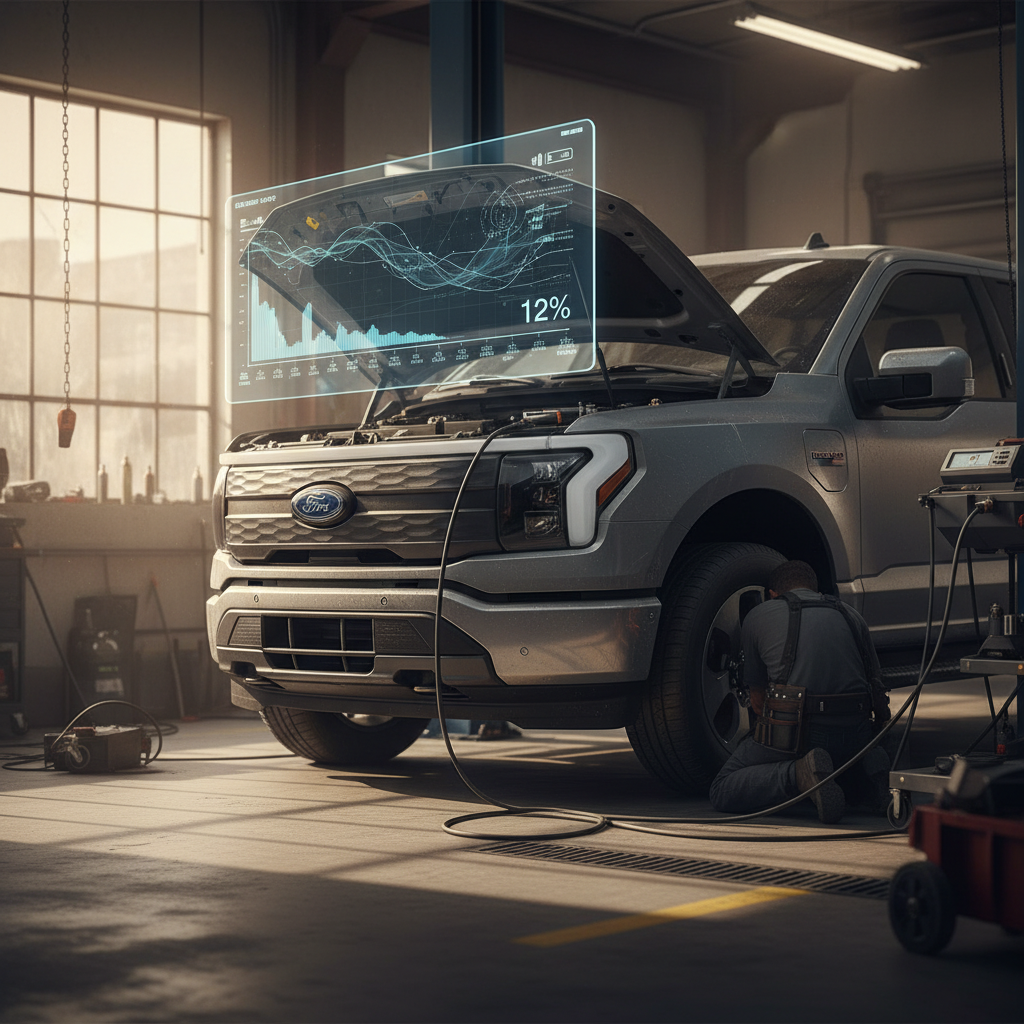
If you grew up believing any car with 100,000 miles was on its last legs, you’re not alone. So it’s natural to wonder: is 100,000 miles too many for a used EV? The short version: for many modern electric cars, 100K miles is closer to middle age than end of life, but only if the battery is healthy and the price reflects reality.
Key takeaway
Short answer: Is 100,000 miles too many for a used EV?
- No, 100,000 miles isn’t automatically too many for a used EV. Modern packs are lasting far longer than early fears suggested.
- Most real‑world data and large‑scale studies show average battery health in the high 80s to low 90s percent range around 100K miles for many liquid‑cooled EVs.
- The bigger questions are: How healthy is this specific battery? What warranty is left? And is the price discounted enough for the mileage and risk?
- Some edge‑case models (early air‑cooled packs, cars from very hot climates, or vehicles fast‑charged hard every day) can be more worn at 100K miles and deserve extra caution.
Don’t treat all 100K‑mile EVs the same
How EV batteries actually age by the numbers
Before you decide if 100K miles is "too many," it helps to know how EV batteries really degrade in the wild. The last few years have produced a lot of large‑scale data on real‑world packs, and the picture is far better than early worst‑case assumptions.
What studies show about EV batteries at ~100K miles
In practical terms, that means a car that started with 260 miles of EPA range might still deliver something like 225–240 miles at 100K miles if it’s been treated reasonably well. That’s a far cry from the doom‑and‑gloom idea that an EV is "toast" once it crosses six figures.
Why 100,000 miles on an EV is different from a gas car
What usually wears out on a gas car
- Combustion engines with thousands of moving parts
- Transmissions, clutches, torque converters
- Exhaust systems, catalytic converters, oxygen sensors
- Complex emissions and fuel systems
By 100K miles, many gas cars are deep into their second or third round of major maintenance, and the odds of expensive failures start rising.
What usually wears out on an EV
- Battery capacity and range (gradual, not sudden)
- Suspension components, tires, brakes (like any car)
- Cooling system pumps/valves for the battery and motor
- Cabin and infotainment hardware
EV drivetrains have far fewer wear‑items. The big wild card is the battery, but it typically ages slowly and predictably if treated well.
Think of 100K as a battery question, not a drivetrain question
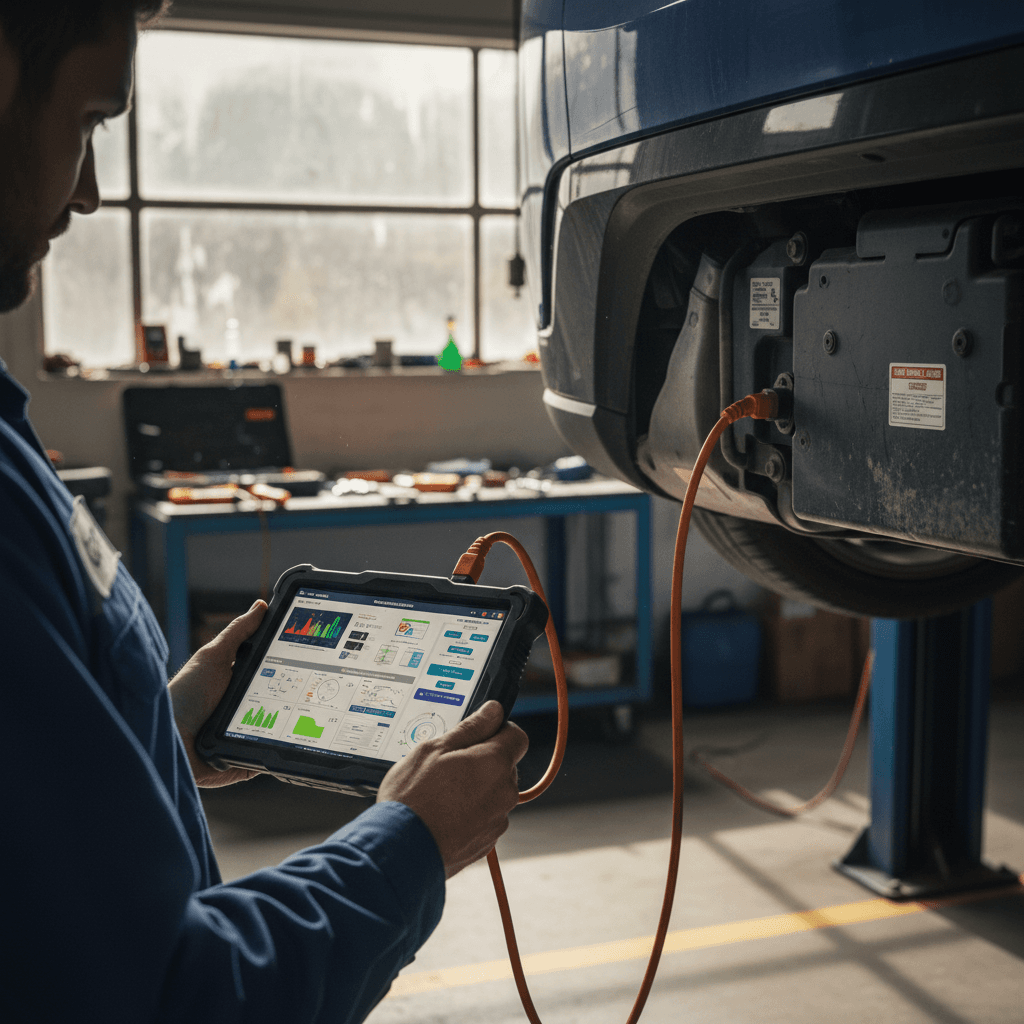
When 100,000 miles on a used EV is generally okay
For a lot of buyers, a well‑priced, 100K‑mile EV can be a smart way to get into electric at a big discount, as long as it fits your daily use and the underlying battery story checks out. These are the situations where a high‑mileage EV often makes sense.
Scenarios where a 100K‑mile used EV can be a great buy
You’re trading some warranty runway for a lower price, but that can be a good deal if your needs are modest.
You have a short, predictable commute
You can charge at home or work
The price reflects the miles
Battery health is independently verified
It lived in a mild climate
Mostly home charging, light DC fast charging
Sweet spot for value
When 100,000 miles should make you think twice
Not all 100,000‑mile EVs are created equal. Some pack designs, use cases, and histories make that mileage genuinely concerning, even if the dashboard still looks reassuring. Here’s when extra caution (or walking away) is warranted.
Red flags on a 100K‑mile used EV
1. Early air‑cooled battery designs
Some early EVs used <strong>air‑cooled packs</strong> that are more vulnerable to heat and rapid degradation. A 100K‑mile example from a very hot region can easily have lost 30%+ of its original capacity, sometimes more.
2. Extreme climate history
A car that spent most of its life parked outdoors in <strong>very hot climates</strong> (Arizona, parts of Texas, etc.) deserves extra scrutiny. Heat accelerates chemical aging in lithium‑ion cells.
3. Heavy DC fast‑charging usage
Daily or near‑daily DC fast charging, especially to 100%, can age a battery noticeably faster. Occasional road‑trip fast charging is fine; constant fast charging is not a great sign at 100K miles.
4. Ambitious road‑trip expectations
If you want to take regular 300‑mile days on the highway, buying a 100K‑mile EV with already‑reduced winter range is risky. You might find yourself charging more often than you’d like.
5. No trustworthy battery health report
If the seller can’t provide credible battery health data, and isn’t willing to let you get it independently, treat that as a serious warning sign, especially at this mileage.
6. Price too close to low‑mileage cars
If a 100K‑mile EV is priced only a little below similar 40–60K‑mile cars, you’re assuming a lot of risk without getting much of a discount. In that case, it may be smarter to pay more for fewer miles.
The real worst‑case at 100K miles
How to evaluate a used EV with 100,000 miles
When you’re looking at a specific high‑mileage EV, you want to move from abstract averages to this car, this pack, this history. Here’s a practical process you can follow whether you’re buying from a dealer, marketplace, or private seller.
Step‑by‑step: Vetting a 100K‑mile used EV
1. Start with the battery warranty math
Look up the EV’s battery warranty terms, most are <strong>8–10 years and 100K–150K miles</strong>, whichever comes first. A 5‑year‑old car at 100K miles might still have time coverage; a 9‑year‑old car with 80K miles is likely out of warranty by age.
2. Get an objective battery health report
Don’t rely solely on the dash range estimate. Use OEM apps, third‑party diagnostics, or a marketplace that includes a <strong>verified battery health report</strong>, like the Recharged Score on every vehicle we list.
3. Check real‑world range on a test drive
Start with a known state of charge (say 80%), drive a mix of city and highway, and see how quickly the percentage drops relative to the displayed range. It won’t be exact, but obvious problems will show up quickly.
4. Ask about charging habits
Ask previous owners or the selling dealer: Was it charged mostly at home or on DC fast chargers? Frequently topped to 100% and left full? Those patterns tell you a lot about long‑term battery stress.
5. Look at climate and storage history
A car garaged in Seattle tells a different story than one parked outdoors in Phoenix. Ask where it lived and, if possible, where it parked overnight most of its life.
6. Inspect wear items & software carefully
At 100K miles, check <strong>tires, brakes, suspension</strong>, and any known model‑specific issues. Also confirm <strong>software and recalls</strong> are up to date; many EV improvements arrive via over‑the‑air updates.
7. Compare price to lower‑mileage options
Pull comps for similar trim, year, and spec at 40–60K miles. If the 100K‑mile car isn’t meaningfully cheaper, you may be better off buying fewer miles or a different model entirely.
Use data, not vibes
Costs, warranties, and resale risks at 100K miles
The other big fear about a 100K‑mile EV is getting stuck with a massive future bill or a car that nosedives in value. Those are reasonable concerns, but they’re manageable if you plan for them going in.
What 100K miles usually means for warranties and risk
Always verify details for your specific model and year, but this gives you a sense of the landscape in the U.S. market.
| Factor | Typical Situation Around 100K Miles | What It Means For You |
|---|---|---|
| Battery warranty | Commonly 8 years / 100K–120K miles, sometimes 10 years for some brands | You may be right at or just past the mileage limit, but could still have time coverage left on a newer car. |
| Capacity guarantee | Most warranties trigger if capacity falls below ~70% within the warranty window | A pack at 85–90% isn’t a warranty case, but can still be perfectly usable for many daily drivers. |
| Powertrain coverage | Often similar to battery coverage, but varies | Check whether motors/inverters are still covered; those failures are rare but expensive. |
| Future resale value | Used EV market is still finding its footing; high‑mileage EVs usually sell at a steep discount | Expect faster depreciation from 100K onward, but also recognize you’re buying after much of that curve has already happened. |
| Potential big‑ticket repair | Out‑of‑warranty battery replacement can be $10K+ on some models; others have cheaper pack or module options | This risk should be priced in. If replacing the pack would cost more than the car is worth, assume it’ll never get a brand‑new pack. |
Battery warranties are written around mileage and time because regulators and automakers expect well‑cared‑for packs to last well beyond early assumptions.
Price should match risk
How Recharged approaches high‑mileage used EVs
At Recharged, we see high‑mileage EVs for what they are: sometimes excellent value, sometimes landmines. The difference is evidence. That’s why every vehicle we sell, including higher‑mileage ones, comes with a Recharged Score Report that focuses on battery health, history, and fair pricing.
What Recharged does differently with 100K‑mile EVs
We try to de‑risk the parts of used EV buying that traditional dealers tend to hand‑wave away.
Verified battery diagnostics
Transparent pricing vs. low‑mileage comps
Warranty & coverage clarity
Nationwide access
Trade‑in & instant offers
Financing tailored to used EVs
Ready to find your next EV?
Browse VehiclesFAQ: 100,000-mile used EVs
Frequently asked questions about 100K‑mile EVs
Bottom line: Should you buy a 100,000‑mile used EV?
For many shoppers, the honest answer is: yes, a 100,000‑mile used EV can be a smart buy, but only if you treat mileage as one data point, not a verdict. The real decision hinges on battery health, climate and charging history, remaining warranty, and whether the price bakes in both the upside and the risk.
If you’re comfortable with a bit less range and you’re mostly driving predictable routes, a verified‑healthy high‑mileage EV can give you low running costs and modern tech at a steep discount. If you’re anxious about potential battery bills or plan lots of long‑distance driving, you may want to prioritize fewer miles and more warranty instead.
Either way, the days when "100K miles" was an automatic deal‑breaker are behind us. With the right data, especially on battery health, you can decide whether a specific car is a great buy or a hard pass. And if you’d like someone to do that homework for you, Recharged’s battery‑focused inspections, Recharged Score Reports, financing, trade‑in options, and nationwide delivery are designed to make picking the right used EV, at any mileage, as straightforward as it should be.