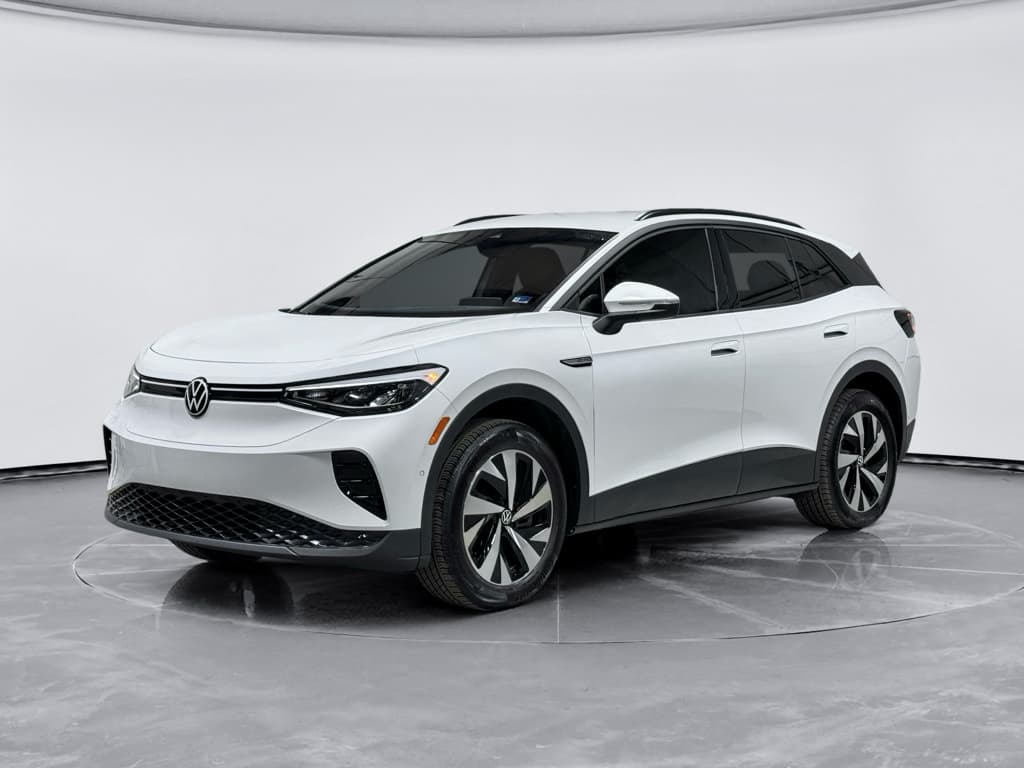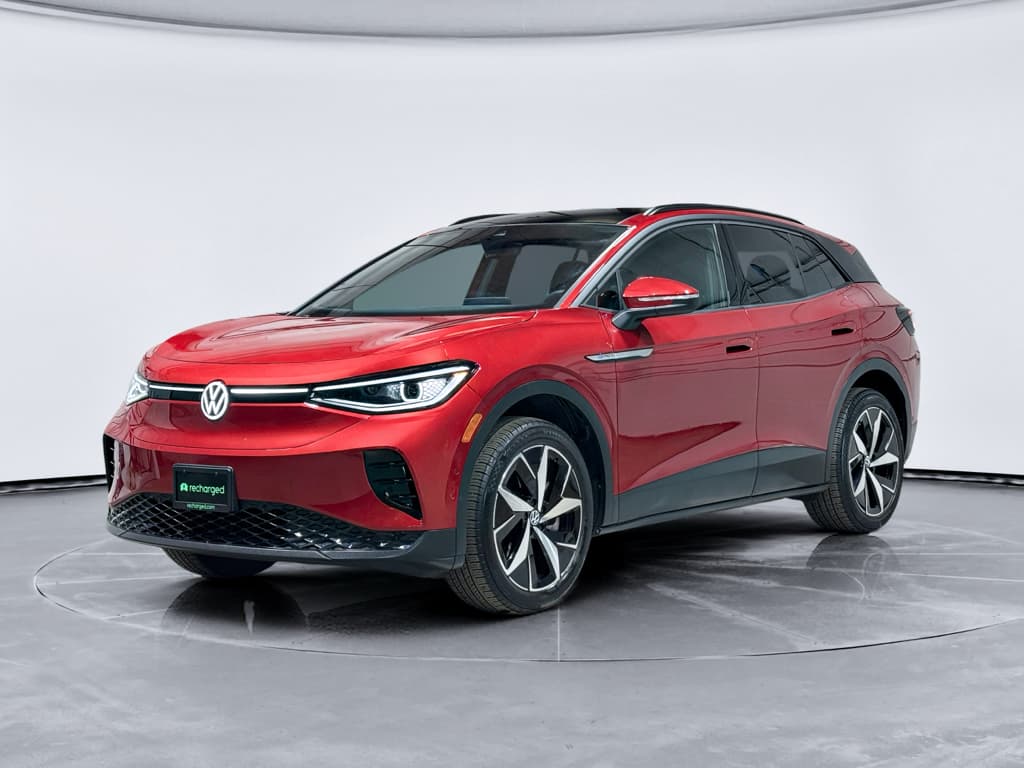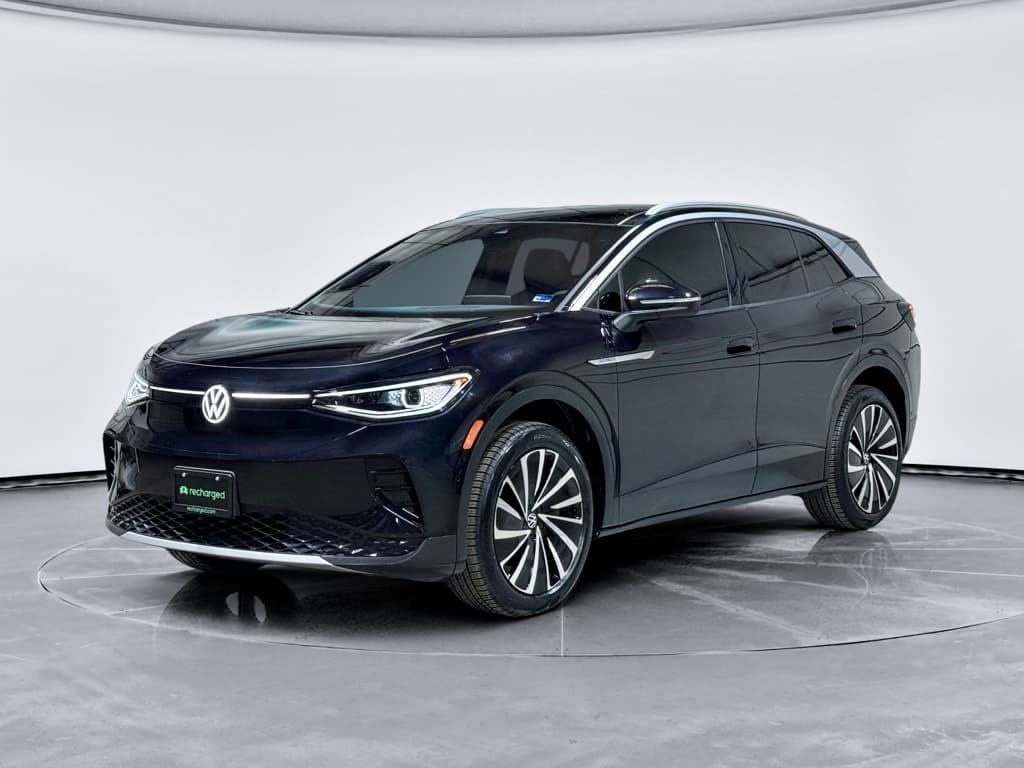
If you own a 2021 Volkswagen ID.4, you’ve probably watched used EV prices swing wildly and wondered, “What is my car actually worth now?” Early ID.4s took a harder depreciation hit than many owners expected, so understanding how to sell a 2021 Volkswagen ID.4 for its true value in 2026 means looking past the shock factor and into the data, and then using that to your advantage when you sell.
Context: the 2021 launch-year story
Why 2021 ID.4 values look strange right now
On paper, the 2021 ID.4 doesn’t look like a car that should be a bargain: it’s a roomy all‑electric SUV that won World Car of the Year, with DC fast charging and an 8‑year high‑voltage battery warranty. Yet depreciation data from major guides shows the 2021 ID.4 losing roughly half or more of its original value by year four, and many real‑world transactions landing in the mid‑teens to high‑teens depending on mileage and trim.
2021 Volkswagen ID.4 value snapshot for 2026
Those numbers can sting when you remember what you paid. But they also mean that if you’re selling now, you’re operating in a market where buyers know the ID.4 is a deal, so you can still command solid money for a well‑cared‑for car if you position it correctly.
How much is a 2021 Volkswagen ID.4 worth in 2026?
Every 2021 ID.4 is a little different, but in spring 2026, most U.S. sellers will see their car fall somewhere in this broad range if it’s in good condition, with a clean title and typical mileage:
- Trade‑in at a dealer: roughly $12,000–$15,000 for average‑mileage 2021 ID.4s, with lower offers for high‑mile or base trims and more for low‑mile, loaded AWD versions.
- Private‑party sale: roughly $14,000–$19,000 depending on mileage, trim, options, and how patient you are.
- Online instant‑offer services: often land between traditional dealer trade‑ins and strong retail private‑party prices, with the benefit of less hassle.
Beware of headline numbers
If your ID.4 is still under 40,000 miles, has a full service history, and carries desirable options (AWD, gradient package, premium audio), you’re in the upper half of that range. If you’re creeping up toward 100,000 miles or have cosmetic or accident history, you’ll realistically land near the bottom.
What really drives the value of a 2021 ID.4
The big value drivers when you sell a 2021 ID.4
Price guides don’t tell the whole story, buyers buy the specific car in front of them.
Mileage & use
Battery & charging
Warranty remaining
Trim, options and software
Early 2021 ID.4s came in several trims, from base Pro to more fully loaded Pro S and AWD variants. All‑wheel drive, larger wheels, premium lighting and driver‑assist packages usually pull stronger prices, especially in colder‑weather markets.
Software matters, too. Shoppers who’ve read up on the ID.4 will ask if major software updates have been completed, since these can improve charging curves and usability. If your car is up to date, mention it in your listing.
Condition and history
Scrapes, curb‑rashed wheels, smokers’ interiors, and accident damage will hit your value just like any SUV. On the flip side, fresh tires, recent brakes, and a clean Carfax can help you beat the averages your pricing tools suggest.
Think of the used‑car lot from the buyer’s point of view: when there are multiple 2021 ID.4s on the same screen, the cleaner, better‑documented car wins.
Battery health: how much it matters when you sell
You don’t have to be a battery engineer to sell your ID.4, but you do need to understand what a smart buyer will look for. Volkswagen guarantees that the ID.4’s high‑voltage battery will retain at least about 70% of its original capacity for 8 years or roughly 100,000 miles, and real‑world data from similar VW packs suggests most are doing much better than that.
Turn your battery into a selling point
- Range reality check: Take a relaxed highway drive, reset the trip computer, and note your projected range from a full charge. If it’s still close to what the car delivered when new in your climate, say so in your ad.
- Charging habits: If you mainly charged at home on Level 2 and rarely DC fast‑charged to 100%, mention that. Savvy EV shoppers know this is gentler on the pack.
- Warranty headline: Spell out how many years and miles of high‑voltage battery warranty remain. “High‑voltage battery covered to 8 years/100,000 miles, X years/Y miles left” is the kind of line that calms buyers instantly.
- Independent battery check: A professional battery‑health report can be the difference between a wary buyer and a confident one, especially as the car gets closer to the end of its warranty window.
How Recharged uses battery data
Ready to find your next EV?
Browse Vehicles
Trim, mileage and options: quick pricing cheat sheet
Every market is different, but here’s a rough, reality‑based snapshot of how 2021 ID.4 values tend to stack up by trim and mileage in 2026. Use it as a sanity check against instant‑offer tools and dealer quotes, not as a promise written in stone.
2021 Volkswagen ID.4 value ranges in 2026 (U.S. ballpark)
Assumes clean title, no major accidents, and good overall condition. Local demand can move these numbers up or down.
| Trim & mileage | Conservative range | Stronger, well‑optioned examples | Notes |
|---|---|---|---|
| Pro / Pro S · 60–80k miles | $13,000–$15,000 | $15,000–$16,500 | Sweet spot for buyers; strong service history and clean cosmetics help a lot. |
| Pro / Pro S · under 40k miles | $15,000–$17,000 | $17,000–$19,000 | Low miles, original tires or better, and remaining warranty support higher asks. |
| AWD Pro / AWD Pro S · 60–80k miles | $14,000–$16,000 | $16,000–$18,000 | AWD and cold‑weather appeal help offset mileage compared with base trims. |
| AWD Pro / AWD Pro S · under 40k miles | $16,000–$18,000 | $18,000–$20,000 | Top of the heap for 2021s, especially with desirable colors and options. |
| High‑mile (90k+ miles, any trim) | $10,000–$13,000 | $13,000–$14,500 | Battery warranty horizon, tire/brake needs and cosmetic wear weigh heavily here. |
Approximate private‑party asking ranges; trade‑in offers are usually several thousand dollars lower.
Don’t price off the single highest listing
Best ways to sell a 2021 Volkswagen ID.4 for top value
You have three main paths: trading in at a dealer, selling privately, or using an EV‑focused marketplace like Recharged. Each one trades convenience for money in slightly different ways.
Where to sell your 2021 ID.4
Match your time, risk tolerance, and equity situation to the right path.
Traditional trade‑in
Pros: Fast, easy, rolls equity straight into your next car. One set of paperwork.
Cons: Usually the lowest dollar value. Dealers hedge against EV price swings and auction risk, especially on earlier model years.
Private‑party sale
Pros: Often yields the highest selling price if you’re patient and present your car well.
Cons: Requires time, test drives with strangers, and handling your own paperwork and payoff if you still have a loan.
EV‑focused marketplace
Pros: Streamlined process, EV‑savvy buyers, and tools like battery‑health reports that help your 2021 ID.4 stand out.
Cons: You may net slightly less than a perfect private‑party scenario, but usually more than an average trade‑in.
How Recharged can help you sell smarter
Timing the market: should you sell your 2021 ID.4 now?
The used EV market in 2024–2026 has been a roller coaster. New tax credits, falling new‑car prices, and rapid improvements in range and charging have all pushed down values on earlier models, including the 2021 ID.4. The question now is whether hanging on will help or hurt your bottom line.
Reasons to sell your 2021 ID.4 sooner
- Battery warranty clock: Every month brings you closer to the 8‑year/100,000‑mile battery warranty limit. Cars farther from that horizon are easier to sell and command more.
- Newer ID.4 updates: Later model years gained powertrain and software improvements. As more of those show up used, your 2021 looks older by comparison.
- Loan vs. value: If you’re close to breaking even on your loan, selling before values soften further can keep you out of negative‑equity territory.
Reasons to keep it a bit longer
- It still fits your life: If your range and space needs are met and your costs are low, squeezing a bit more use out of a car that’s already heavily depreciated can be financially smart.
- Local market quirks: In some areas with thin EV inventory, well‑kept 2021 ID.4s still move quickly at solid prices. Watch local listings for a few weeks before making a move.
- Tax and timing considerations: Depending on your state, the timing of a sale and purchase can affect sales tax and credit eligibility. A quick chat with a tax pro can be worth it.
A practical rule of thumb
Step-by-step checklist to prepare your 2021 ID.4 for sale
Maximize your 2021 ID.4 sale price in a weekend
1. Pull your paperwork together
Gather your title (or lienholder info if you still have a loan), registration, ID.4 service records, and receipts for tires or major repairs. Buyers love a neat folder of documentation, it screams “cared for.”
2. Get the car properly detailed
A professional interior and exterior detail can return several times what you spend. Pay special attention to light‑colored upholstery, gloss black interior trim, and wheel faces that show curb rash or brake dust.
3. Address easy cosmetic wins
Touch up obvious paint chips, replace missing trim caps, and consider repairing one or two especially bad wheel scrapes. You don’t need perfection, but you do want first impressions to be positive.
4. Check tires, brakes and recalls
If the tires are past their prime or the brakes are noisy, be realistic: either replace them or price the car accordingly and be ready to talk about it. Make sure any open recalls have been completed.
5. Document battery and charging behavior
Take photos of your typical range at a high state of charge and note your charging habits in your listing. If you’ve had the ID.4’s major software updates done, call that out.
6. Write an honest, EV‑savvy listing
Highlight the stuff EV buyers care about: home charging experience, road‑trip behavior, DC fast‑charge performance, and remaining battery warranty, along with the usual features, options, and condition notes.
Don’t copy‑paste generic dealer descriptions
Frequently asked questions about selling a 2021 ID.4
2021 Volkswagen ID.4 selling FAQ
Bottom line: making peace with 2021 ID.4 resale value
Launch‑year EVs like the 2021 Volkswagen ID.4 were always going to live through a volatile moment in the market. Yes, values have come down faster than many owners expected. But that doesn’t mean you’re powerless. If you understand where your car fits in the current price landscape, treat battery health as an asset, and choose the right selling channel, you can still sell your 2021 Volkswagen ID.4 for its true value, and set yourself up well for whatever you plug in next.
If you’re ready to run the numbers and see real offers based on your specific car, not just an average, consider starting with an expert EV valuation and battery‑health check through Recharged. It’s the simplest way to turn a complicated market into a clear decision.