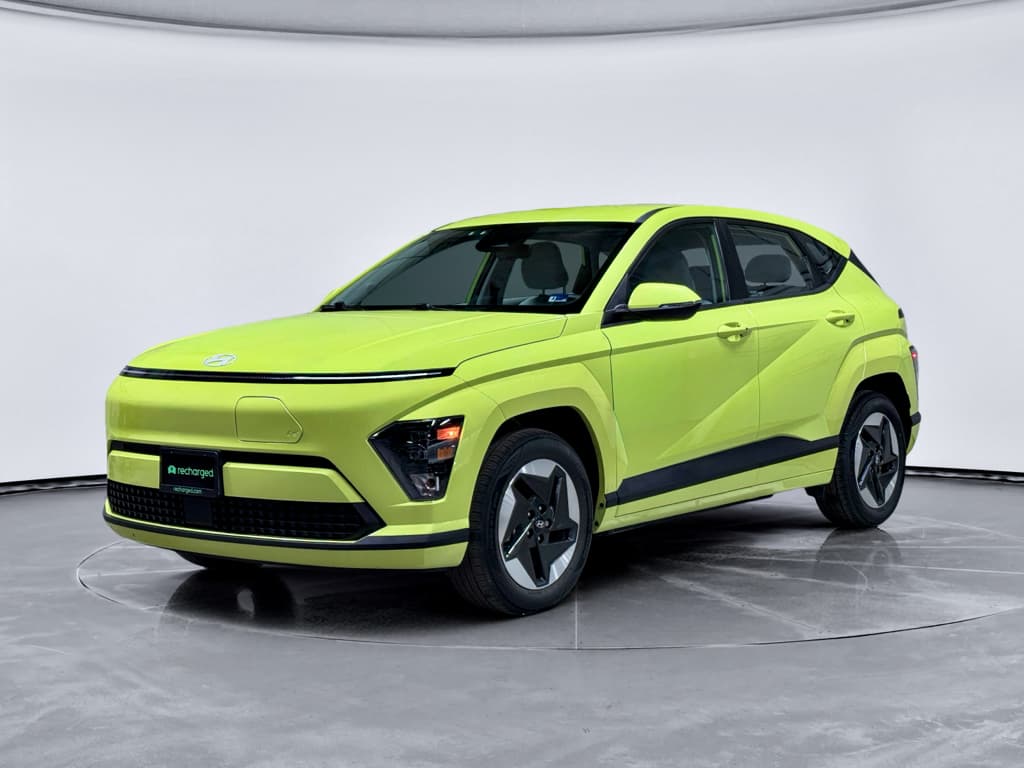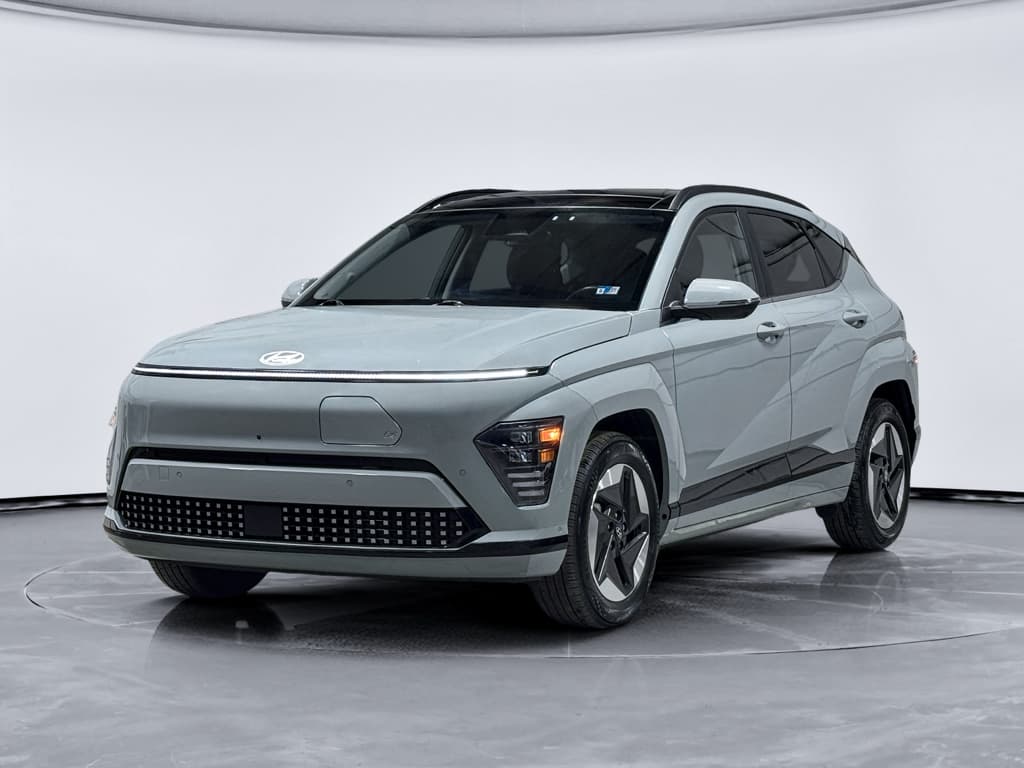
If you own a Hyundai Kona Electric, you’re sitting on one of the smarter used‑EV plays on the market. It’s efficient, practical, and backed by a long battery warranty, but buyers won’t pay top dollar unless you prepare it properly. This Hyundai Kona Electric selling checklist walks you, step by step, through everything you need to do before you trade in, consign, or sell privately.
At a glance
Why a Kona Electric selling checklist matters
Selling any car is part information, part presentation, and part negotiation. With an EV like the Kona Electric, there’s an added twist: battery health and remaining warranty coverage drive buyer confidence and price more than almost anything else. A structured Hyundai Kona Electric selling checklist keeps you from overlooking details that used‑car buyers and appraisers care about most.
What’s unique about selling a Kona Electric?
Three EV‑specific factors that influence your offers
Battery health matters
Most Kona Electric shoppers are laser‑focused on usable range and degradation. Any data you can share, diagnostics, state‑of‑health (SOH), or a battery health report, helps justify a stronger price.
Long battery warranty
U.S.‑market Konas have a high‑voltage battery warranty of up to 8–10 years/100,000 miles. If your car is still within that window, it’s a major selling point and should be front‑and‑center in your listing.
Efficiency and range
With real‑world efficiency often over 4 mi/kWh, Kona Electric is cheaper to run than many rivals. Highlight that for cost‑conscious buyers looking to lower their monthly energy spend.
Kona Electric resale reality
Step 1: Know your Kona Electric and its value
Before you clean anything or snap a single photo, you need a realistic baseline of what your Kona Electric is worth. That starts with the basics, then adds the EV details that generic pricing tools often miss.
- Confirm exact trim: SE, SEL, Limited (or earlier‑generation trims such as SEL, Limited, Ultimate).
- Note battery version and EPA range for your model year (short‑ vs long‑range where applicable).
- Record current mileage and tire condition (photos of tread depth help).
- Gather service history, especially tire rotations, brake inspections, and software updates.
- Check for remaining manufacturer warranties, including the high‑voltage battery coverage.
Hyundai Kona Electric value snapshot
Pro tip: sanity‑check value in the real world
Step 2: Document battery health and warranty
For many buyers, the Kona’s battery pack is either the reason they’ll pay more, or the reason they walk away. Your goal is to replace fear with facts by providing simple, clear documentation.
Battery health documentation
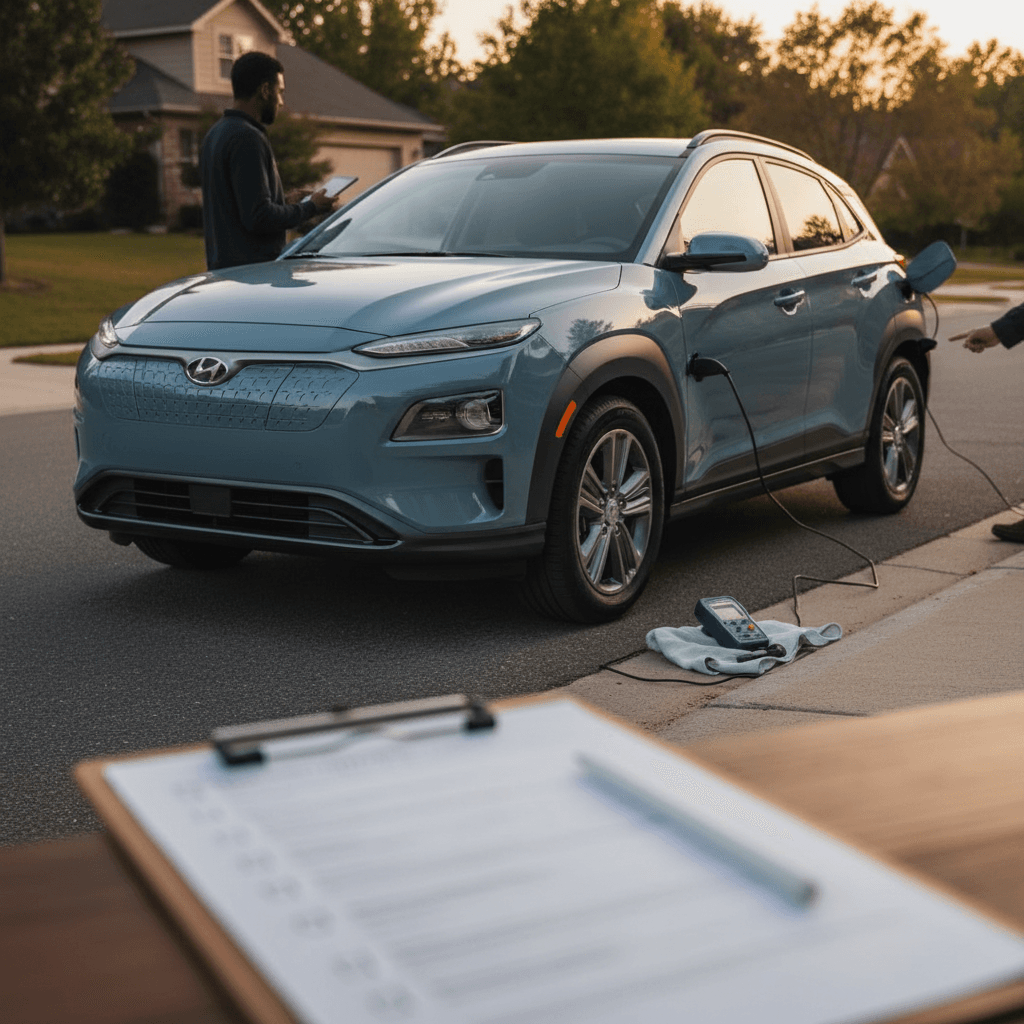
- OBD‑based SOH report: If you’re comfortable with tech, an EV‑aware OBD2 scanner and app can estimate state‑of‑health (SOH) and show recent fast‑charging behavior.
- Dealer or specialist report: Some Hyundai dealers and independent EV shops can run a diagnostic on the high‑voltage battery. Ask for a printout you can share.
- Charging history: If you’ve mostly charged at home on Level 2 and avoid frequent 0–100% DC fast charges, say so in your listing, these habits support better long‑term health.
Warranty confirmation
- Battery warranty: U.S.‑market Kona Electrics typically carry an 8–10 year/100,000‑mile high‑voltage battery warranty (check your specific paperwork for exact terms).
- Powertrain and bumper‑to‑bumper: Note if you’re still inside the general new‑vehicle warranty periods.
- Extended plans: If you bought any Hyundai extended service contract that’s transferable, list it along with remaining term and coverage highlights.
Always verify details in your original warranty documents, they’re what buyers and future dealers will rely on.
Don’t oversell battery health
Step 3: Complete a Kona Electric–specific condition check
A clean, well‑presented Kona Electric is easier to sell and justifies a higher asking price. The trick is to focus on what buyers notice first and what EV shoppers care about most.
Kona Electric condition checklist
1. Exterior and paint
Wash, clay, and wax the paint if needed. Touch up noticeable chips, repair curb‑rashed wheels, and address any obvious dents. Buyers often judge how the car was treated by the way it looks in the driveway.
2. Interior and touchpoints
Shampoo carpets, wipe down plastics, and clean the dash display and infotainment screen. Pay extra attention to steering wheel, armrests, and seat bolsters where wear shows fastest.
3. EV‑specific details
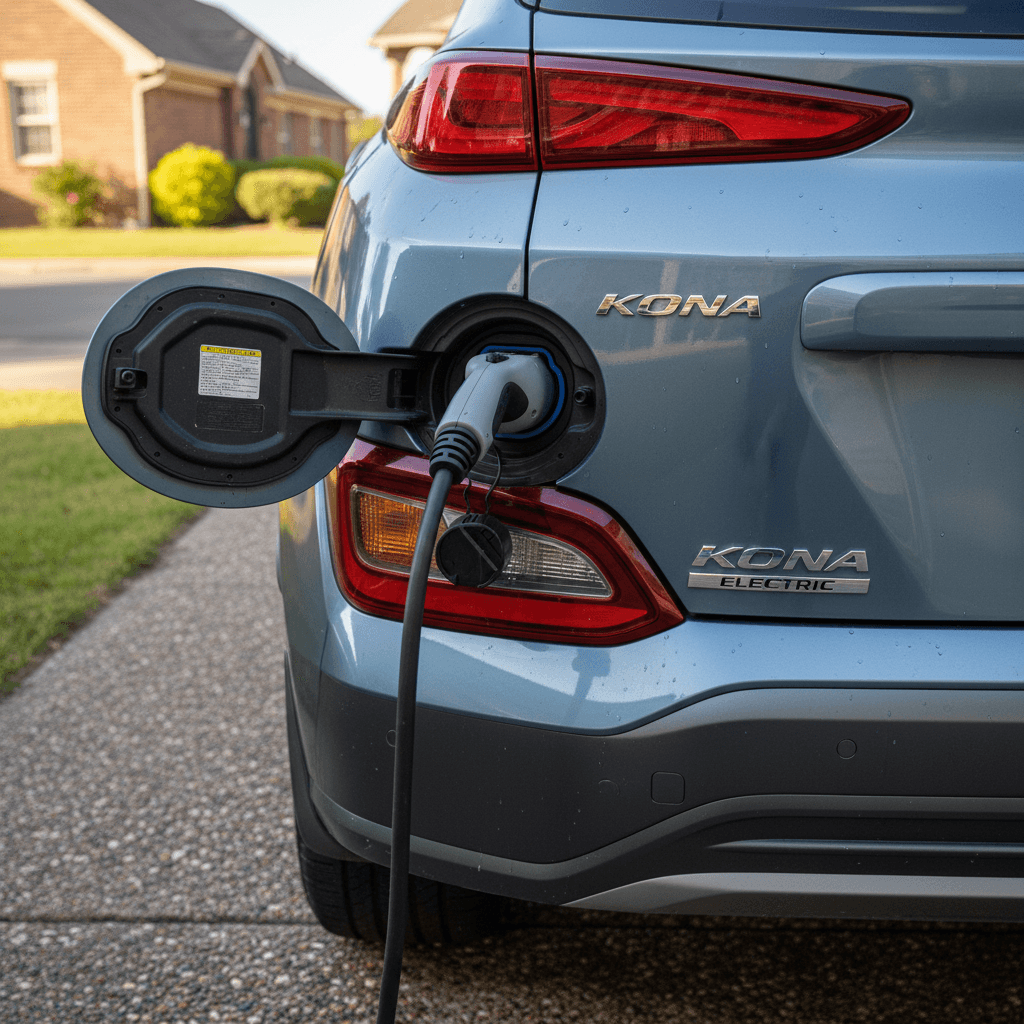
Clean the <strong>charging port door</strong> and connector area, remove dirt from the charge port gasket, and gently wipe dust from the instrument cluster’s EV pages so they photograph well.
4. Tires, brakes, and suspension
Note tread depth, any uneven wear, and recent tire rotations. A quiet, rattle‑free test drive without squeaks or vibrations reassures EV shoppers who expect refinement.
5. Lights, cameras, and safety tech
Verify headlights, taillights, turn signals, backup camera, parking sensors, and advanced safety systems (like lane keep assist) work properly. Flag any issues up front if you don’t plan to fix them.
6. Charging equipment and accessories
Locate the <strong>portable charge cable</strong> (if equipped), cargo cover, floor mats, manuals, and both key fobs. Missing accessories are easy excuses for buyers or dealers to knock down their offer.
Detailing vs. DIY
Step 4: Decide how to sell – trade‑in vs private vs EV marketplace
With values on used EVs moving faster than most gas cars, how you choose to sell your Kona Electric can make as much difference as how you prepare it. Think in terms of time, effort, and risk tolerance.
Ways to sell your Hyundai Kona Electric
Compare the main options for turning your Kona Electric into cash or equity on your next vehicle.
| Option | Typical Price | Time & Effort | Pros | Cons |
|---|---|---|---|---|
| Dealer trade‑in | Lowest | Very low | Fast, easy paperwork; good if you’re already buying another car there. | Usually the lowest offer; dealers may undervalue EVs if they’re not specialists. |
| Private sale | Highest (if done well) | High | Max control over price; you meet the buyer and can tell the car’s story. | More work: messaging, showings, paperwork, and some safety risk. |
| General online car‑buying site | Mid‑range | Low‑mid | Quick quotes and pickup; less haggling than a private sale. | Many don’t factor EV battery health well, so offers can be conservative. |
| EV‑focused marketplace (like Recharged) | Mid‑to‑high | Low‑mid | Battery health, range and EV‑specific features are properly valued; expert support on pricing and paperwork. | May take slightly longer than a straight trade‑in, depending on demand and season. |
Use this table to match your selling method to your priorities: maximum price, minimum hassle, or something in between.
Where Recharged fits in
Ready to find your next EV?
Browse VehiclesStep 5: Price your Hyundai Kona Electric strategically
Pricing is where most sellers either leave money on the table or scare off good buyers. The goal isn’t to be the cheapest Kona Electric on the internet, it’s to be the best‑presented and fairly priced example in your area.
Smart pricing strategy for your Kona Electric
Three levers you control
Know your local market
EV demand is highly regional. A Kona Electric near dense urban charging and HOV perks can command more than one in a rural area with sparse infrastructure. Pull comparable listings within 150–250 miles, not just in your ZIP code.
Adjust for mileage & fast‑charge use
Higher miles or heavy DC fast‑charging history should be reflected in your price. On the flip side, moderate mileage with mostly home charging is worth a small premium.
Use a pricing band, not a single number
Set a target price and a quiet minimum acceptable. Start in the upper middle of that band; adjust based on interest over the first 7–10 days.
Watch for shifting EV incentives
Step 6: Create a trust‑building listing for your Kona EV
The right photos and words can add more value than another fresh coat of wax. EV shoppers do extra homework, and your listing is their first impression of how you’ve treated the car.
Kona Electric listing checklist
1. Shoot EV‑focused photos
Include exterior shots from all corners, clean interior angles, close‑ups of the digital instrument cluster (showing range and mileage), infotainment EV screens, and a clear photo of the <strong>charge port open</strong> with the cable connected.
2. Lead with the EV story
In your description, highlight range, efficiency, and how you’ve charged it (“mostly home Level 2, occasional road‑trip fast charging”). Mention your typical commute pattern to give buyers a sense of use.
3. Call out battery warranty clearly
State the original in‑service date, current mileage, and remaining <strong>high‑voltage battery warranty</strong> in years and miles as best you can from your paperwork.
4. List recent maintenance and repairs
Note tire replacements, brake service, software updates, and any warranty work. EV buyers care that the car has been kept current, especially on recalls and software campaigns.
5. Include battery health info up front
If you have a battery health report or dealer diagnostic, mention it in the first paragraph and offer to share the PDF or screenshots with serious buyers.
6. Be transparent about flaws
Disclose scratches, wheel rash, small chips, and any non‑critical warning lights. Transparent listings attract more serious shoppers and reduce time‑wasting back‑and‑forth.
Think like a buyer scrolling on a phone
Step 7: Handle test drives and buyer questions like a pro
Once the messages start coming in, how you respond can make the difference between a quick, smooth sale and a week of frustration. With EVs, buyers may show up with more questions than with a typical gas compact SUV.
Common Kona Electric buyer questions
- “What range do you actually see?” Share your typical commuting range, including winter vs. summer if you live in a four‑season climate.
- “How often do you fast‑charge?” Answer honestly and give context (for example, “only on road trips, maybe once a month”).
- “Any battery or charging issues?” Mention any past warnings and how they were resolved, and have documentation ready.
- “Why are you selling?” Simple, genuine answers (“need more space,” “switching to AWD,” “company car on the way”) reassure buyers.
Safe, effective test drives
- Meet in a public, well‑lit area with cameras whenever possible.
- Ask to see a valid driver’s license and snap a photo (with permission) before handing over the keys.
- Ride along on the first drive so you can explain Kona‑specific features and answer EV questions in real time.
- Plan a route that includes city streets, a short highway stretch, and a quick stop to demonstrate one‑pedal driving and regen settings.
If you’re selling through Recharged, an EV specialist can handle showings and test drives for you, so you don’t have to juggle logistics with multiple buyers.
Safety first with payment
Step 8: Close the sale safely and transfer ownership
When you’ve agreed on a price, the last step is to wrap up paperwork and hand over the keys without leaving any loose ends. Requirements vary by state, but the fundamentals are the same.
- Confirm payoff amount with your lender if you still owe money on the Kona Electric. Understand exactly how title will be released.
- Draft a simple bill of sale with buyer and seller names, VIN, mileage, price, and an as‑is statement unless you’re including any written guarantees.
- Complete the title transfer and any state‑specific forms (odometer disclosure, smog exemption where applicable for EVs).
- Remove the car from your insurance policy only after funds clear and the buyer has taken possession.
- Factory‑reset the infotainment system and remove your accounts from any connected services or smartphone apps.
- Provide the buyer with keys, charging cable, manuals, service records, and any battery health documentation.
Let someone else sweat the details
Hyundai Kona Electric selling checklist: printable summary
Quick Hyundai Kona Electric selling checklist
1. Gather paperwork
Title (or lender info), registration, service records, recall/TSB receipts, and warranty paperwork including high‑voltage battery coverage details.
2. Establish realistic value
Use multiple pricing tools, then validate against real Kona Electric listings in your region. Set a target price and a walk‑away minimum.
3. Capture battery health
Obtain an OBD/app report, dealer diagnostic, or third‑party battery health report if possible. Note remaining high‑voltage warranty term.
4. Recondition the car
Wash and detail the exterior and interior, address obvious cosmetic issues, ensure all lights and safety tech work, and organize both keys and charging gear.
5. Choose where to sell
Decide between dealer trade‑in, private party sale, a general online car‑buying service, or an EV‑specialist marketplace like Recharged.
6. Build a strong listing
Take clear, well‑lit photos (including EV screens and charge port), write an honest description, and highlight efficiency, range, and warranty coverage.
7. Manage inquiries and test drives
Screen buyers politely, answer EV‑specific questions, meet in safe public places, and ride along on test drives with a planned route.
8. Finalize payment and transfer
Use secure payment methods, complete the bill of sale and title transfer, remove insurance once the sale is complete, and hand over all accessories and documentation.
Hyundai Kona Electric selling FAQ
Frequently asked questions about selling a Hyundai Kona Electric
Selling your Hyundai Kona Electric doesn’t have to be a gamble. With the right checklist, you can walk into any offer, dealer, private buyer, or EV marketplace, knowing exactly what you have, what it’s worth, and how to present it. Focus on battery health, honest documentation, and thoughtful pricing, and your Kona Electric will stand out in a crowded used‑EV market. And if you’d rather not go it alone, Recharged is here to turn that preparation into a smooth, confident sale from start to finish.