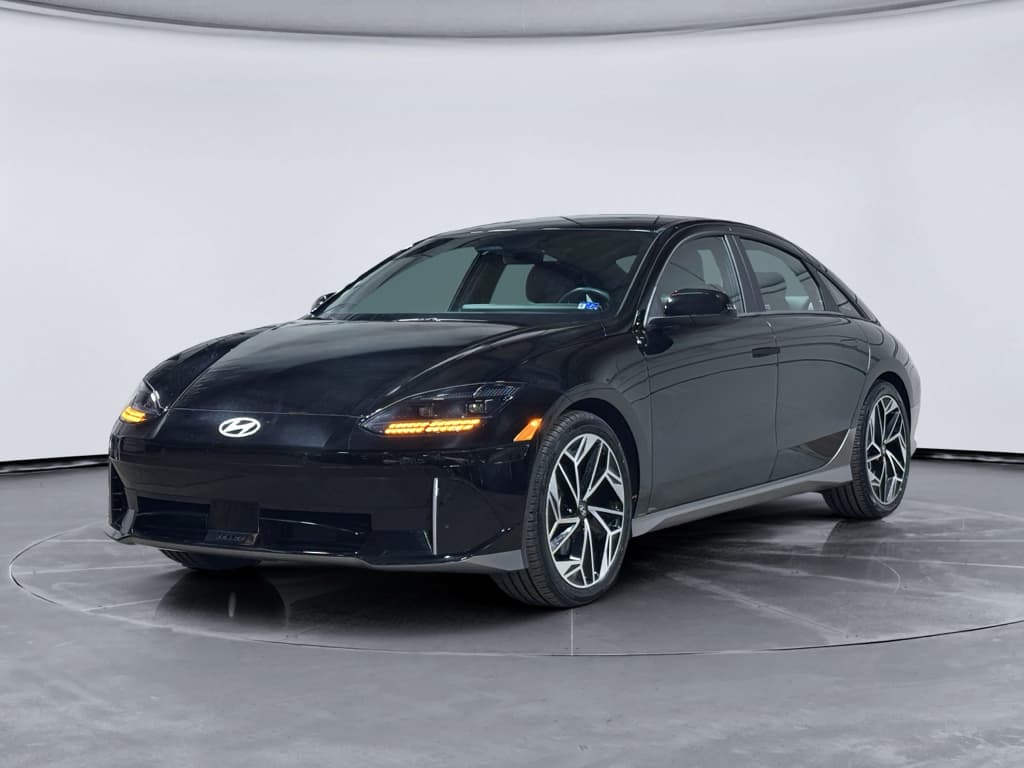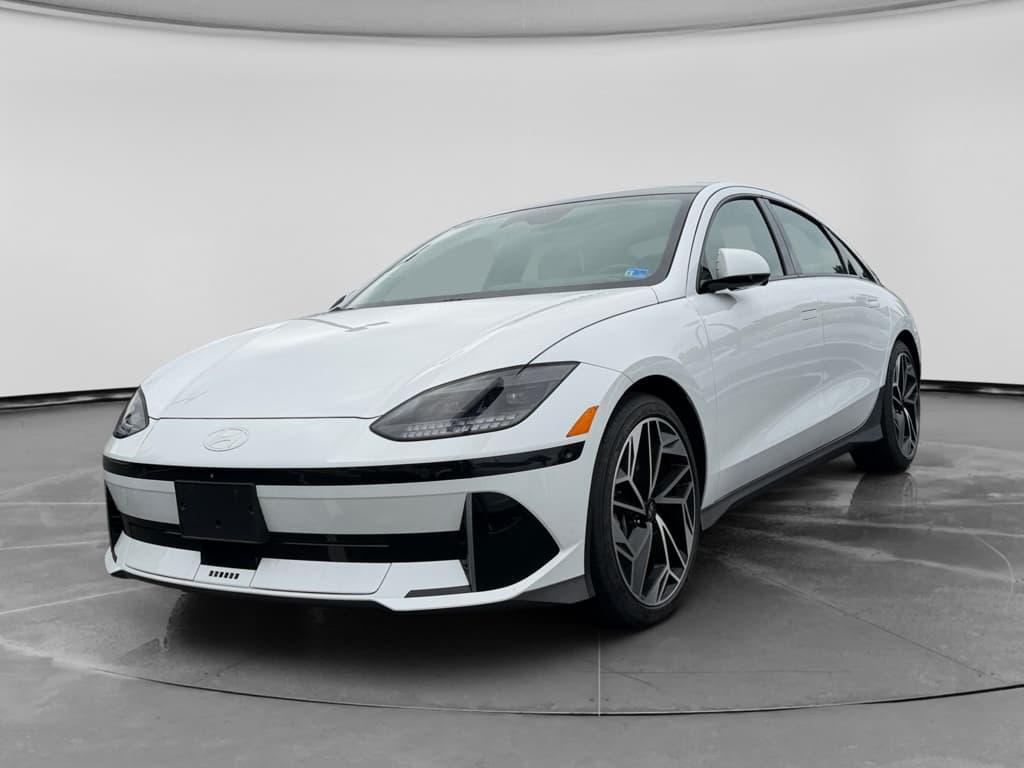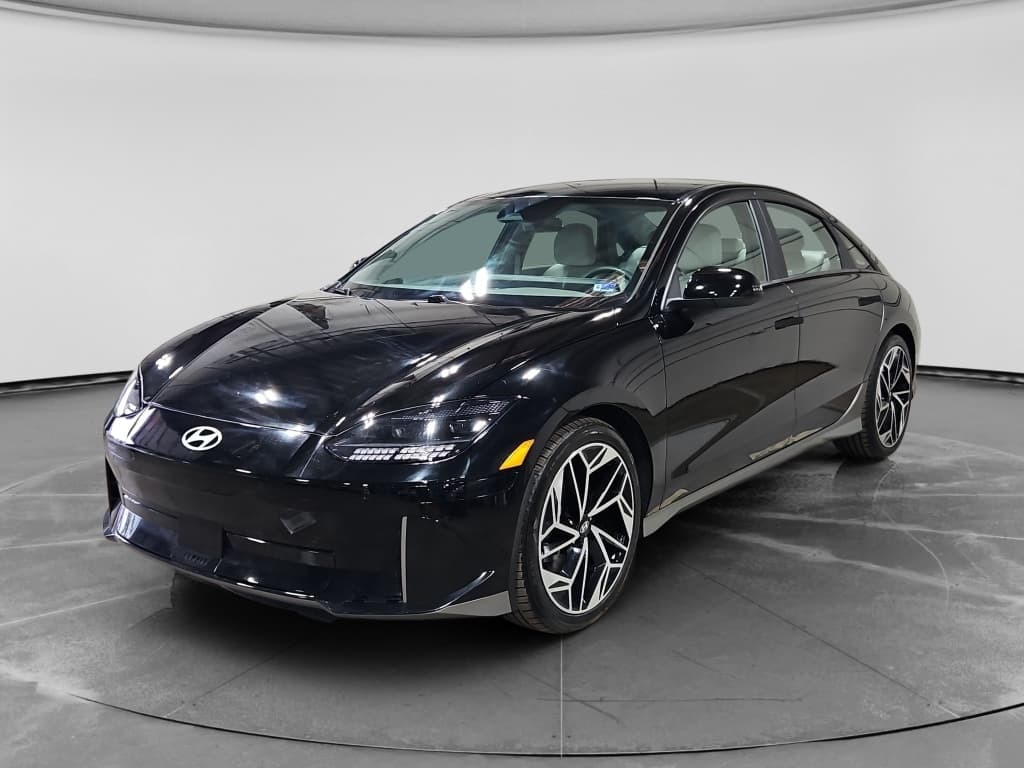
If you own a Hyundai IONIQ 6, or you’re thinking about buying a used one, it’s smart to understand the growing list of Hyundai IONIQ 6 recalls. This streamlined EV is still relatively new, which means safety campaigns and software updates are evolving in real time. The good news: recalls are fixes, not fatal flaws, as long as you know what’s out there and whether your specific car has been repaired.
Quick note before we dive in
Hyundai IONIQ 6 recalls at a glance
IONIQ 6 recall picture so far (U.S., through early 2026)
You’ll see headlines about big Hyundai recall numbers, but only a slice of those apply to the IONIQ 6. Most campaigns center on charging hardware and software logic, plus a small driveline fastener issue that hit just a handful of cars. For a used‑car shopper, that means you’re less worried about crash damage from a design flaw and more focused on whether a previous owner actually got the free repairs done.
Major Hyundai IONIQ 6 recall campaigns so far
Hyundai doesn’t give the IONIQ 6 its own separate world of problems; it shares a lot of hardware with the IONIQ 5 and some Genesis EVs. That’s why you’ll see the same issues, especially around the integrated charging hardware, popping up across several models. For the IONIQ 6 specifically, the big recall themes are:
- Charging port door outer panel detachment (Hyundai recall campaign 282, affecting 2023–2025 IONIQ 6 builds).
- ICCU / power‑supply issues that can lead to warning lights, reduced power, or complete loss of drive if not addressed by software and hardware campaigns.
- A driveline fastener recall affecting only a tiny number of early all‑wheel‑drive cars built in a narrow production window.
- Broader software and display recalls shared with other Hyundai models, things like instrument panel behavior or control‑module updates.
How to read Hyundai’s recall numbers
Charging port door recall (Hyundai campaign 282)
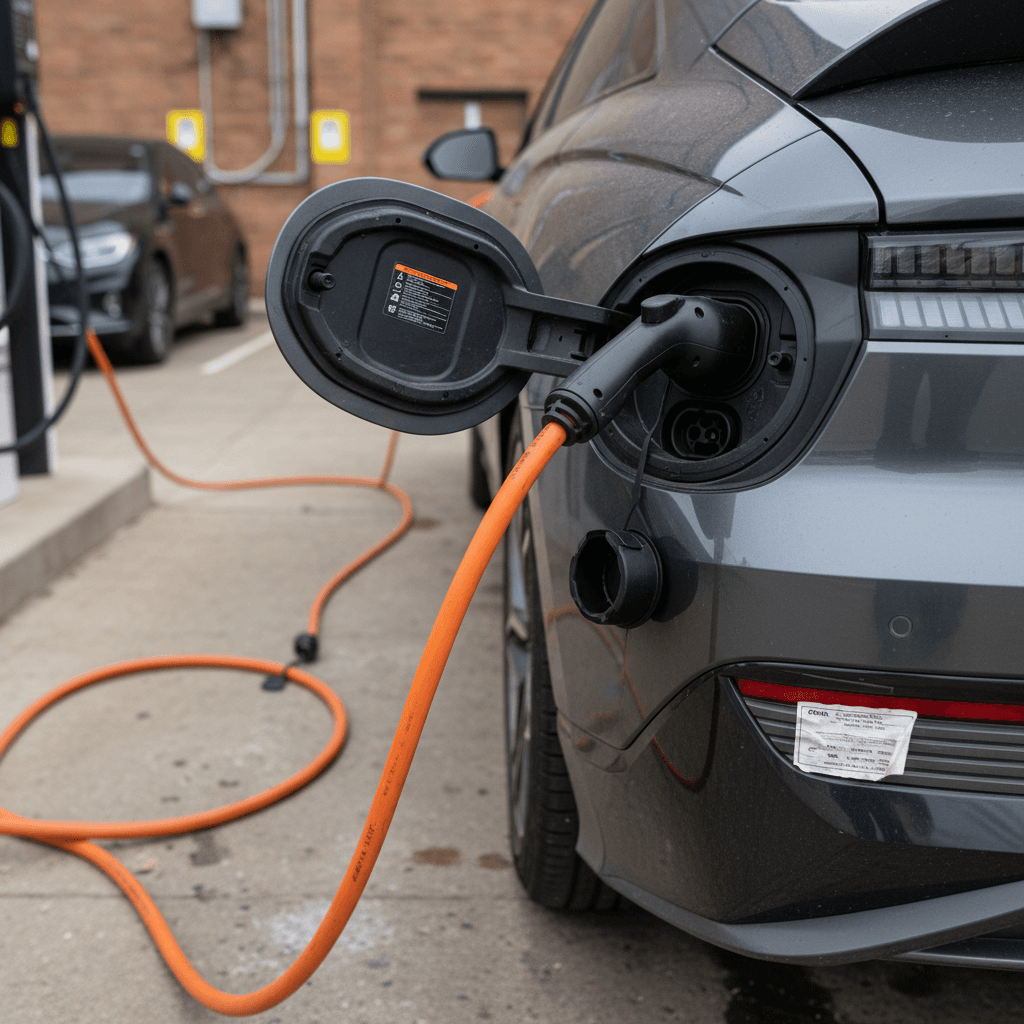
The best‑known IONIQ 6 recall so far is Hyundai campaign 282, covering roughly 30,000 2023–2025 IONIQ 6 sedans. The issue is surprisingly simple: the charging port door’s outer panel may not latch as securely as intended. Under the right conditions, the panel can detach while you’re driving.
Key details: IONIQ 6 charging port door recall (282)
What the port‑door recall covers and how Hyundai fixes it.
| Item | Details |
|---|---|
| Hyundai campaign | 282 |
| Models affected | IONIQ 6 (2023–2025 model years) |
| Issue | Insufficient engagement between outer panel hooks and the charging port door assembly |
| Risk | Outer panel can detach while driving, creating a road hazard for other drivers |
| Symptoms | Loose or misaligned charging port door, visible movement, or unusual rattling near the port |
| Remedy | Dealer inspects and repairs or replaces the charging port door assembly |
| Cost to owner | Free recall repair, regardless of standard warranty status |
| Owner notices | Notification letters mailed; can also see the recall under your VIN on Hyundai’s site or a Carfax report |
Always confirm details for your specific VIN, but this is how the charging port door campaign works in broad strokes.
Is a loose port door dangerous?
ICCU and power-loss issues: recalls and updates
If you spend five minutes on an IONIQ 6 owners’ forum, you’ll stumble into three letters right away: ICCU, short for the Integrated Charging Control Unit. It manages how the big high‑voltage battery charges the 12‑volt system and supports DC fast charging. When things go wrong, owners report warning messages like “Check electric vehicle system,” sudden loss of power, or a car that simply won’t wake up.
Hyundai has responded with a series of software updates and targeted recalls aimed at preventing over‑stress on components like fuses and protecting the ICCU from internal faults. On some cars, dealers have also replaced ICCU hardware or related parts under campaign or warranty.
Common ICCU / power‑supply symptoms
- Warning messages about the power supply or EV system.
- Vehicle drops into a reduced‑power “limp” mode.
- Car won’t start or wakes up slowly after parking.
- Repeated 12‑volt battery failures despite being fairly new.
Typical dealer fixes so far
- Applying updated VCU / ICCU software via recall or service campaign.
- Replacing blown fuses and, in some cases, the ICCU unit itself.
- Inspecting harnesses and connectors for heat or damage.
- Performing a system reset and validating charging behavior.
Multiple campaigns may appear on a single car; you’ll often see both software and hardware work logged in its service history.
Take power warnings seriously
From a used‑car perspective, ICCU‑related recalls are a double‑edged sword. On one hand, they mean the car had a weakness; on the other, a car with proof of updated software and fresh hardware may actually be a safer bet than one that never went back to the dealer. The trick is making sure the paper trail exists.
Differential bolt / driveline recall on a few cars
A less publicized IONIQ 6 recall involved a driveline fastener issue on a very small batch of early all‑wheel‑drive cars. In those vehicles, certain bolts in the rear motor/differential assembly may not have been torqued correctly at the factory. Left alone, they could loosen, causing noise, loss of drive to the rear axle, or in an extreme case, a lockup of the differential.
Driveline bolt recall: what we know
This campaign affected only a handful of IONIQ 6 vehicles built in a tight production window.
| Item | Details |
|---|---|
| Scope | Tiny number of AWD IONIQ 6 sedans built over a few days in 2023 |
| Issue | Improperly tightened bolts in the rear motor-gear drive unit assembly |
| Risk | Abnormal rear‑end noise, loss of drive to the rear axle, or potential differential lockup |
| Remedy | Dealer inspects torque and replaces/repairs the affected assembly if needed |
| Real‑world impact | Very few cars; no widespread pattern like the ICCU campaigns |
Always verify eligibility by VIN, but here’s how this driveline issue generally looks.
Don’t panic over this one
Instrument panel & software-related recalls
Like many modern EVs, the IONIQ 6 gets its share of software‑centric recalls. Across Hyundai’s EV lineup, regulators have flagged issues ranging from digital instrument panels that might not display critical information to control modules that need updated logic.
- Instrument cluster or steering‑column display that can lose information such as vehicle speed or warning icons until updated.
- Control‑module software updates to improve power‑management behavior, sometimes bundled with ICCU fixes.
- Less dramatic electrical campaigns that simply bring the car into compliance with the latest safety standards.
Many software fixes are invisible
How to check if a specific IONIQ 6 has open recalls
You don’t need to guess whether a 2023–2025 IONIQ 6 has outstanding recalls. Two lookups, your VIN on the automaker’s site and the federal database, will tell you exactly what’s open and what’s already been repaired.
Step-by-step: check a Hyundai IONIQ 6 for recalls
1. Locate the full 17‑digit VIN
You’ll find it at the base of the windshield, on the driver’s doorjamb label, and on the title or registration. Snap a picture so you don’t have to keep leaning over the dash.
2. Run the VIN on Hyundai’s recall site
Enter the VIN on Hyundai’s official recall lookup page. You’ll see open safety recalls and, in many cases, completed campaigns. Make note of any IONIQ 6‑specific items like campaign 282 (charging port door) or ICCU‑related updates.
3. Cross‑check with the federal database
Use the same VIN in the U.S. government’s recall lookup. It will show all federally reportable safety recalls. Descriptions here can be drier, but they confirm that the work Hyundai reported matches what regulators expect.
4. Ask the seller for service records
For a used IONIQ 6, you want dealer invoices showing recall completion. Look for keywords like “ICCU,” “VCU software update,” “charging port door,” or “safety recall performed.”
5. Confirm no open recalls before signing
If you see open recalls, ask the seller to schedule the work before delivery, or plan your own appointment soon after purchase. Repairs are free, but you’ll need to budget time for the visit.
6. Re‑check periodically as an owner
Even after you buy, it’s wise to run your VIN once or twice a year, or anytime you hear about a new IONIQ 6 recall in the news. New campaigns can appear as Hyundai learns more from the field.
What IONIQ 6 recalls mean if you’re shopping used
Recalls can look scary on paper, especially if you’re cross‑shopping a few EVs and one of them seems to have a laundry list of open campaigns. But for a shopper, recalls are information. They tell you where the car’s weak spots were, and whether the previous owner cared enough to get them fixed.
Why recalls aren’t always a deal‑breaker
- They show the manufacturer is actively correcting issues, not ignoring them.
- A car with completed campaigns is often better protected than an identical model that never went back for updates.
- Recall repairs are done at no cost to you, which can mean fresh components and updated software on a used car.
When recalls should raise your eyebrows
- Multiple unsolved power‑loss or ICCU‑type problems documented in the history.
- Gaps in service records, long periods with no dealer visits despite active campaigns.
- A seller who brushes off recalls as “no big deal” but can’t show proof of completed work.
In those cases, walking away or having an EV‑specialist inspection done is the smart move.
How Recharged handles recalls on used EVs
Used Hyundai IONIQ 6 inspection checklist
If you’re walking around a used IONIQ 6 on a dealer lot or in a private driveway, you don’t need to be a master technician to spot potential recall‑related red flags. Use your eyes, ears, and a little common sense, then back that up with professional diagnostics.
Hands-on checks for a used IONIQ 6
Check the charging port door closely
Open and close the door several times. It should latch securely without extra force, sit flush with the body, and show no cracks or missing pieces. Anything loose or misaligned deserves a closer look and a question about recall 282.
Scan for power or charging warnings
With the car on, make sure there are no persistent warning lights or messages about the EV system, power supply, or 12‑volt battery. During a test drive, the car should pull smoothly with no sudden power drops.
Inspect the 12‑volt battery history
Ask when the 12‑volt battery was last replaced, and look for notes about no‑start conditions or repeated jump‑starts. Frequent 12‑volt failures can be a clue that ICCU or software issues weren’t fully resolved.
Listen for driveline noise on AWD models
On an all‑wheel‑drive IONIQ 6, drive at low speed with the windows cracked and radio off. Any rhythmic clunks, grinding, or unusual rear‑end noises should be checked by a shop before you commit.
Review recall and service paperwork
Ask the seller to show printed or digital records. You’re looking for language like “safety recall completed,” “ICCU replaced,” “VCU software updated,” or “charging port door repair.” A tidy paper trail is your friend.
Get a battery and systems health report
High‑voltage battery health isn’t part of a typical safety recall. At Recharged, our Recharged Score diagnostics provide an independent read on pack condition, charging behavior, and overall EV health, critical for a long‑term keeper.
Hyundai IONIQ 6 recalls FAQ
Frequently asked questions about Hyundai IONIQ 6 recalls
Bottom line on Hyundai IONIQ 6 recalls
The Hyundai IONIQ 6 is one of the most distinctive EVs on the road, and like most new‑generation electric models, it’s lived through a flurry of early‑life recalls. The big stories are a charging port door that may need reinforcement, ICCU and power‑management fixes, and a few low‑volume campaigns that most owners will never encounter.
If you treat recalls as a roadmap instead of a red flag, they become a powerful shopping tool. Look for a used IONIQ 6 with complete recall history, clean service records, and verified battery health, and you can enjoy the car’s sleek design and smooth, efficient driving without carrying recall anxiety around in the glovebox.
That’s exactly what Recharged was built for. Every EV we sell, including the Hyundai IONIQ 6, comes with a Recharged Score Report, battery‑health diagnostics, and expert guidance through financing, trade‑ins, and delivery. If you’re recall‑curious but still IONIQ‑6‑curious, we’ll help you separate one from the other so you can decide with confidence.