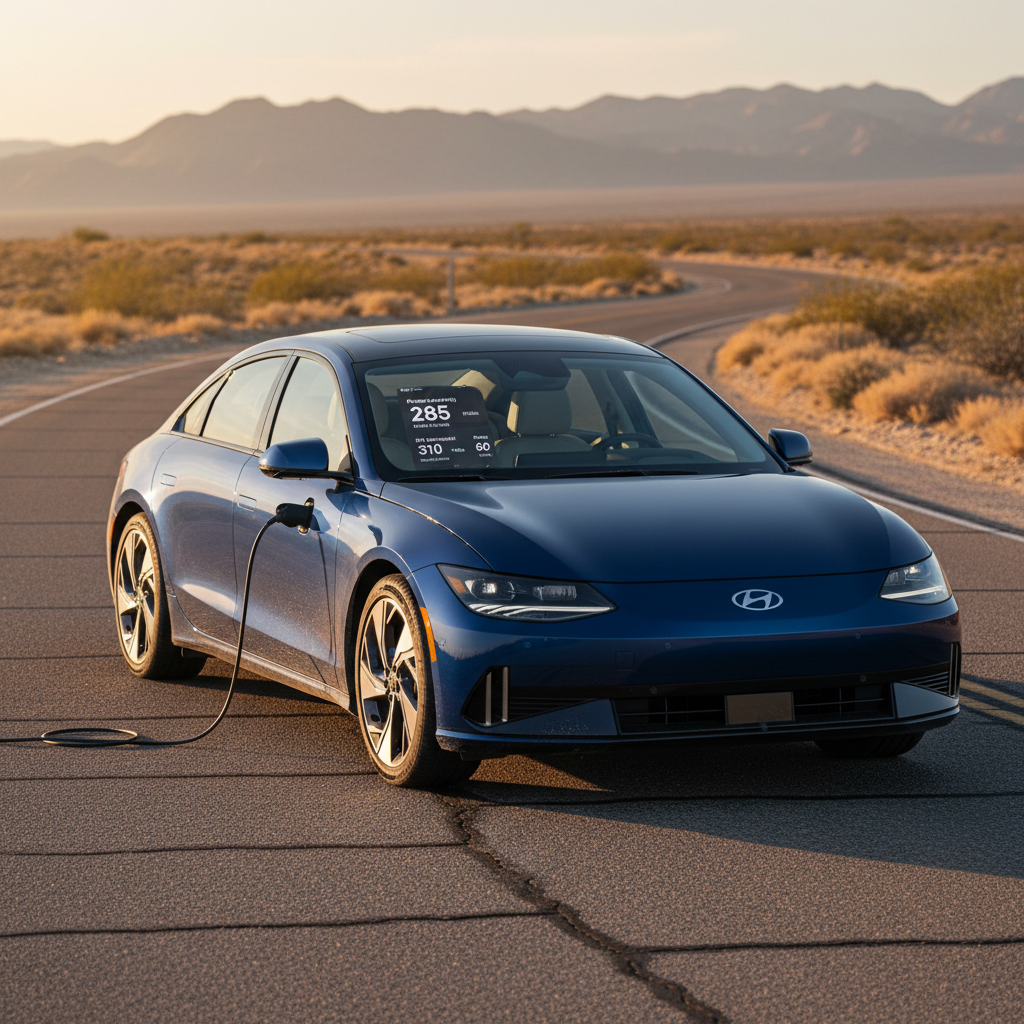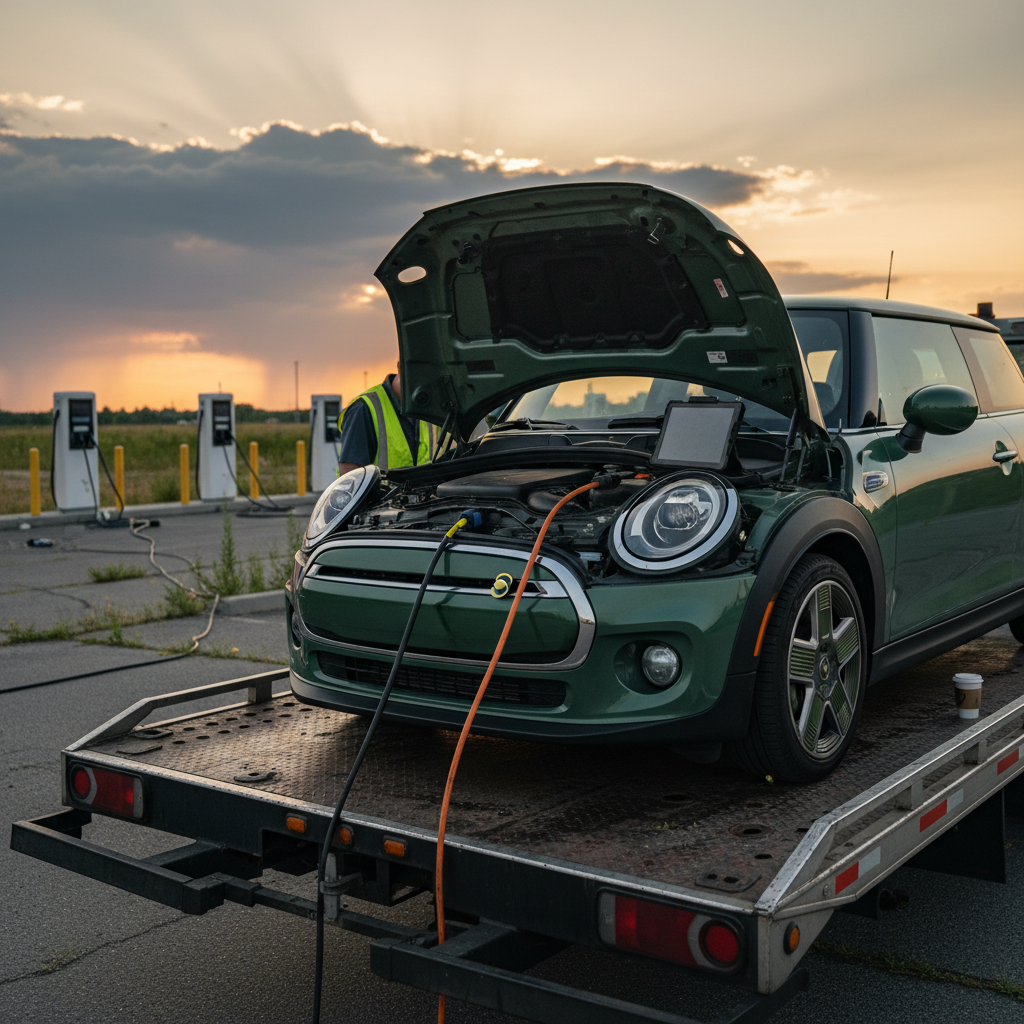
If you’ve glanced at used EV listings lately, you’ve seen it: cars that cost $40,000–$50,000 new now sitting in the mid‑teens and low‑20s. Depreciation has hit many electric vehicles harder than comparable gas cars, which is exactly why the best used EV value after depreciation can be astonishing, if you know which models to target and how to separate a screaming deal from a future money pit.
Context: where we are in early 2026
Why used EVs are such bargains now
EV depreciation vs. the rest of the market
EVs got a double whammy: fast product cycles and aggressive discounting on new models. Automakers cut prices and stacked incentives on new EVs to keep sales moving. That pulled used values down across the board, even for solid cars with plenty of life left. At the same time, battery tech improved quickly, so early‑generation models with shorter range suddenly looked old, even if they were only a few years off the lot.
Why this is good for you
How EV depreciation really works
1. The brutal first 3 years
Most new vehicles lose the lion’s share of their value early on; EVs simply do it faster. Studies of used markets in 2024–2025 show EVs dropping around 58–60% of value by year 5, compared with mid‑40s percent for all vehicles. The steepest part of that curve is years 1–3, when incentives, model refreshes, and new tech make a three‑year‑old EV look "old" on paper even if it drives like new.
2. Depreciation slows, and even flattens
After about year 5, the curve starts to level off, especially for mainstream models. A Nissan Leaf, for example, may lose roughly 40–50% of its value in the first three years, but then drops far more slowly from years 5–10. Once an EV is priced like an economy car, further depreciation matters less than battery health and reliability.
Illustrative 5‑year depreciation snapshots
Not every model follows this exact curve, but these examples show how the pain up front becomes value on the used lot later.
| Model | Approx. MSRP New | Typical 5‑yr Used Price | Value Retained | Depreciation |
|---|---|---|---|---|
| Mainstream EV average | $45,000 | $15,800 | 35% | 65% |
| Tesla Model 3 | $35,000 | $20,000 | 57% | 43% |
| Kia Niro EV | $45,043 | $12,000 | 27% | 73% |
| Nissan Leaf | $32,780 | $3,500 | 11% | 89% |
Numbers rounded; real‑world prices vary by mileage, condition, and local demand.
Depreciation isn’t the only story
Best used EV value winners after depreciation
When you’re chasing the best used EV value after depreciation, you’re looking for a sweet spot: big price drop, still‑modern tech, decent range, and good reliability. Here are stand‑out value plays in early 2026 for U.S. buyers.
Top "value after depreciation" used EV picks
These aren’t just cheap, they’re cheap for what you get.
Kia Niro EV
Why it’s a value monster
- Deal‑score analyses rank it at the top for value, with prices around the low‑teens versus mid‑$40Ks new.
- Real‑world range ~200 miles is plenty for commuting.
- Not flashy, but efficient and practical.
For budget shoppers who want a real car, not a science project.
Chevrolet Bolt EV / EUV
Why depreciation became your friend
- Battery recall spooked the market and depressed prices.
- Post‑remedy cars got new packs with fresh warranties.
- Expect ~230+ miles of range and low running costs.
If you confirm the recall work and battery warranty, the Bolt is one of the best cost‑per‑mile EVs you can buy.
Tesla Model 3 (RWD & LR)
Why it still makes sense used
- Five‑year retention is better than most EVs, yet values have softened.
- Strong range (250–350+ miles depending on trim).
- Access to Tesla’s Supercharger network and frequent OTA updates.
You’ll pay more than for a Leaf or Niro, but you get range, charging access, and software that age well.
Second‑tier value heroes
For a bit more money, you get more space, style, or refinement.
Hyundai Ioniq 5
What makes it compelling
- Used prices have fallen into the low‑$20Ks in many markets.
- Ultra‑fast DC charging and comfortable road‑trip manners.
- Family‑friendly cabin and strong safety tech.
Hyundai Kona Electric
Quietly excellent
- Often overlooked, which keeps prices down.
- Range in the ~230‑mile ballpark on many trims.
- Compact size but surprisingly useful cargo area.
Volkswagen ID.4
Spacious value crossover
- Hefty discounts on new examples dragged used values lower.
- Family‑friendly footprint and decent range.
- Software updates have slowly addressed early glitches.
Models that actually hold value best
Not every EV is a falling knife. Some models have surprised analysts by holding onto value more like a well‑loved sports car than an obsolete gadget. If you’re thinking about eventual resale, say you’ll keep the car 3–5 years, these are worth a close look.
Best 5‑year resale value among EVs
Based on large‑sample resale analyses of 5‑year retention.
| Model | Approx. 5‑yr Value Retained | Why it Holds Value |
|---|---|---|
| Fiat 500e | ~49.8% | Niche appeal, city‑friendly, relatively low supply. |
| Mini Cooper SE (Hardtop) | ~48.5% | Strong brand image, fun to drive, loyal fan base. |
| Porsche Taycan (incl. wagon) | ~48.4% | Performance halo, Porsche cachet, affluent repeat buyers. |
| Tesla Model 3 | ~45–50% | Broad demand, strong range and charging ecosystem. |
| Rivian R1T | ~50% | Unique electric truck niche and adventure branding. |
These are the EVs that depreciate less than their peers, great for long‑term owners or anyone planning to resell later.
Who should chase strong resale
Biggest losers, where depreciation works in your favor
Then there are the EVs that depreciate like 1990s home electronics, luxury badges, ambitious MSRPs, and five years later they’re stacked on the discount rack. That can be very good news for you, provided you buy with clear eyes.
Heaviest 5‑year depreciation (buyer opportunity zone)
These models have posted some of the steepest 5‑year drops on the market.
| Model | Approx. 5‑yr Depreciation | Notes for Buyers |
|---|---|---|
| Jaguar I‑Pace | ~72% | Luxury EV SUV; massive price drop makes used examples temptingly cheap. Budget extra for out‑of‑warranty repairs. |
| Cadillac Lyriq | ~72% | Big initial hit; attractive if you find one with warranty coverage and clean history. |
| Ford Mustang Mach‑E | ~65% | Early tech and refresh cycles hurt values; look for newer builds with updated hardware. |
| Older Nissan Leaf (2011–2017) | 70%+ by 10 yrs | Short range and early battery tech crush values, cheap, but only if your driving needs are modest. |
When you buy at the bottom of someone else’s depreciation curve, the risk is lower, as long as the car’s battery and hardware check out.
Don’t fall in love with the sticker
Battery health: the real driver of used EV value
Talk about "depreciation" all day, but the market’s secret handshake is battery state of health (SOH). The car’s worth whatever the pack can realistically deliver in range and longevity.
Battery health benchmarks for used EVs
How to evaluate battery health on a used EV
1. Demand a battery health report
Ask for a recent SOH reading from the OEM diagnostic tool or a trusted third party. If the seller won’t provide one, that’s your cue to walk.
2. Compare SOH to original range
Take the original EPA range and multiply by the battery’s SOH percentage to estimate realistic range today. A 250‑mile EV at 85% SOH is effectively a ~210‑mile car now.
3. Consider climate and usage
Hot climates, frequent DC fast charging, and ride‑share duty can all accelerate degradation. A cooler‑climate commuter with mostly Level 2 charging is the battery you want.
4. Check remaining battery warranty
Most EVs have 8‑year/100,000‑mile battery warranties. If the car is inside that window, you may be partially insulated from worst‑case failures.
5. Test drive down to low state‑of‑charge
If possible, drive the car from a mid‑pack charge to under 20% to see if the range estimate behaves realistically or drops like a stone.
How Recharged handles battery health
Cost per mile: which used EVs stretch every dollar
The cleanest way to think about "best value" is to look at total cost per mile of usable life, not just purchase price. Take what you’ll pay, subtract what you reasonably expect to sell the car for later, add electricity and maintenance, then divide by miles you’ll actually drive.
Typical running costs for a used EV
- Electricity: About $400–$600 per year for a typical U.S. driver, depending on mileage and local rates.
- Maintenance: Roughly $500–$800 per year on an out‑of‑warranty EV, still usually lower than an equivalent gas car, but less predictable if it’s a complex luxury model.
- Charging efficiency: Most newer EVs achieve 3–4 miles/kWh; very efficient models can do 4.3–5.0 mi/kWh.
Cost‑per‑mile standouts
- Chevy Bolt EV/EUV: Low buy‑in, good efficiency, and new‑pack warranties on recall cars make this a star commuter.
- Kia Niro EV & Hyundai Kona Electric: Modest prices, solid range, and decent efficiency mean you squeeze a lot of miles from every dollar.
- Tesla Model 3 RWD: Higher purchase price, but low energy costs and strong resale can keep lifetime cost per mile competitive.
When a cheap Leaf is the right answer
How to shop for best value, not just lowest price
- Start with your real use case: daily miles, road‑trip frequency, and charging options at home and work.
- Define your minimum acceptable range after degradation, usually 20–30% below original EPA range.
- Shortlist models whose current used prices sit well below 50–60% of original MSRP but have solid reliability records.
- Filter out cars without transparent battery‑health data or clear service history.
- Test drive a few different architectures (compact hatch vs. crossover vs. sedan) to see what actually fits your life.
Practical checklist when comparing specific cars
Confirm original and current MSRP/values
Checking historical MSRP and realistic private‑party values helps you see how much of the curve you’re skipping by buying used.
Audit options and trims, not just badges
A cheap Model 3 Standard Range and a Long Range AWD live different lives. Same for a base Ioniq 5 vs. a big‑battery, dual‑motor version. Compare like for like.
Look beyond range to charging curve
An EV that can genuinely hold high charge rates on DC fast charging is worth more if you road‑trip often, even if another car has a slightly larger battery on paper.
Estimate your exit value
If you plan to keep the car 3–5 years, ask what it will plausibly be worth then. A car that’s already absorbed a 60% hit won’t have nearly as far to fall again.
Factor insurance and tires
Performance EVs wear expensive rubber and sometimes carry higher insurance premiums. That cheap Taycan might need $1,500 worth of tires before you blink.
Where Recharged fits in
This is where a curated marketplace earns its keep. Recharged was built specifically around used EVs, with the ugly parts of depreciation and battery uncertainty handled up front so you don’t need to become a part‑time data analyst just to buy a car.
How Recharged helps you capture the upside of depreciation
You focus on choosing the right car; we handle the EV‑specific homework.
Recharged Score report
Every EV on Recharged comes with a Recharged Score that includes verified battery health, estimated real‑world range, and fair‑market pricing, so you see at a glance how much value is left in the pack, and in the car.
Pricing that reflects true value
Because our specialists live in this data every day, vehicles are priced around real‑world depreciation curves, not wishful thinking. You’re not paying "new EV" optimism; you’re paying what the car is actually worth today.
Financing, trade‑in & delivery
Recharged can help you finance your used EV, get an instant offer or consignment for your current car, and arrange nationwide delivery, all through a fully digital process or at our Experience Center in Richmond, VA.
FAQ: best used EV value after depreciation
Frequently asked questions
Bottom line: depreciation is your friend, if you’re picky
The headline story of the last few years has been that EVs "depreciate too fast." For used‑car shoppers, that’s not a warning; it’s an invitation. The best used EV value after depreciation comes from targeting models that dropped hard in price but still deliver the range, comfort, and reliability you need, backed by a healthy battery.
Focus on battery health, realistic range, and total cost per mile, not just a tantalizing discount off original MSRP. If you’d rather skip the spreadsheets, Recharged wraps that homework into every listing with transparent battery diagnostics, fair market pricing, and EV‑savvy support. Depreciation already did the hard work; now it’s your turn to collect the value.