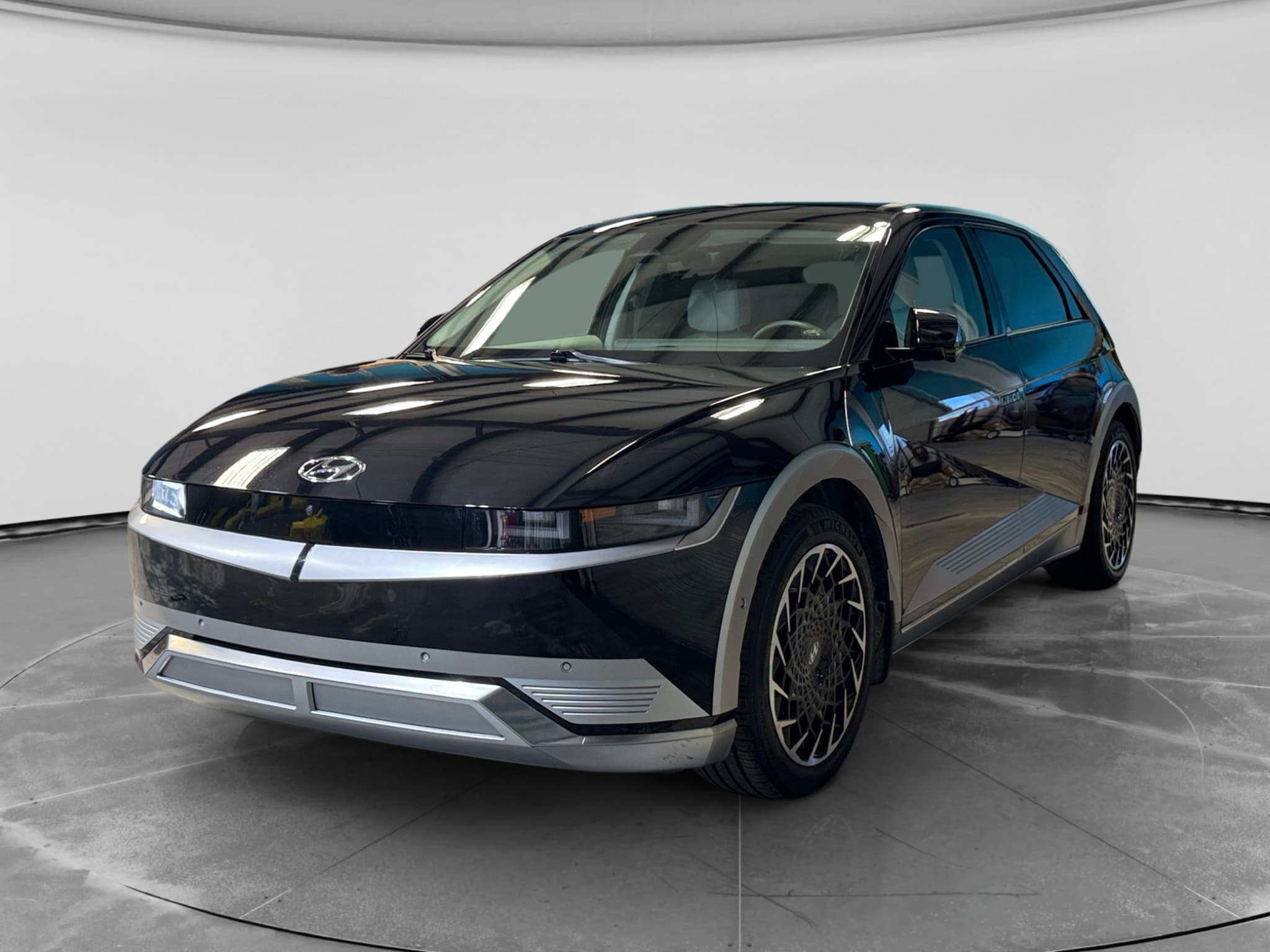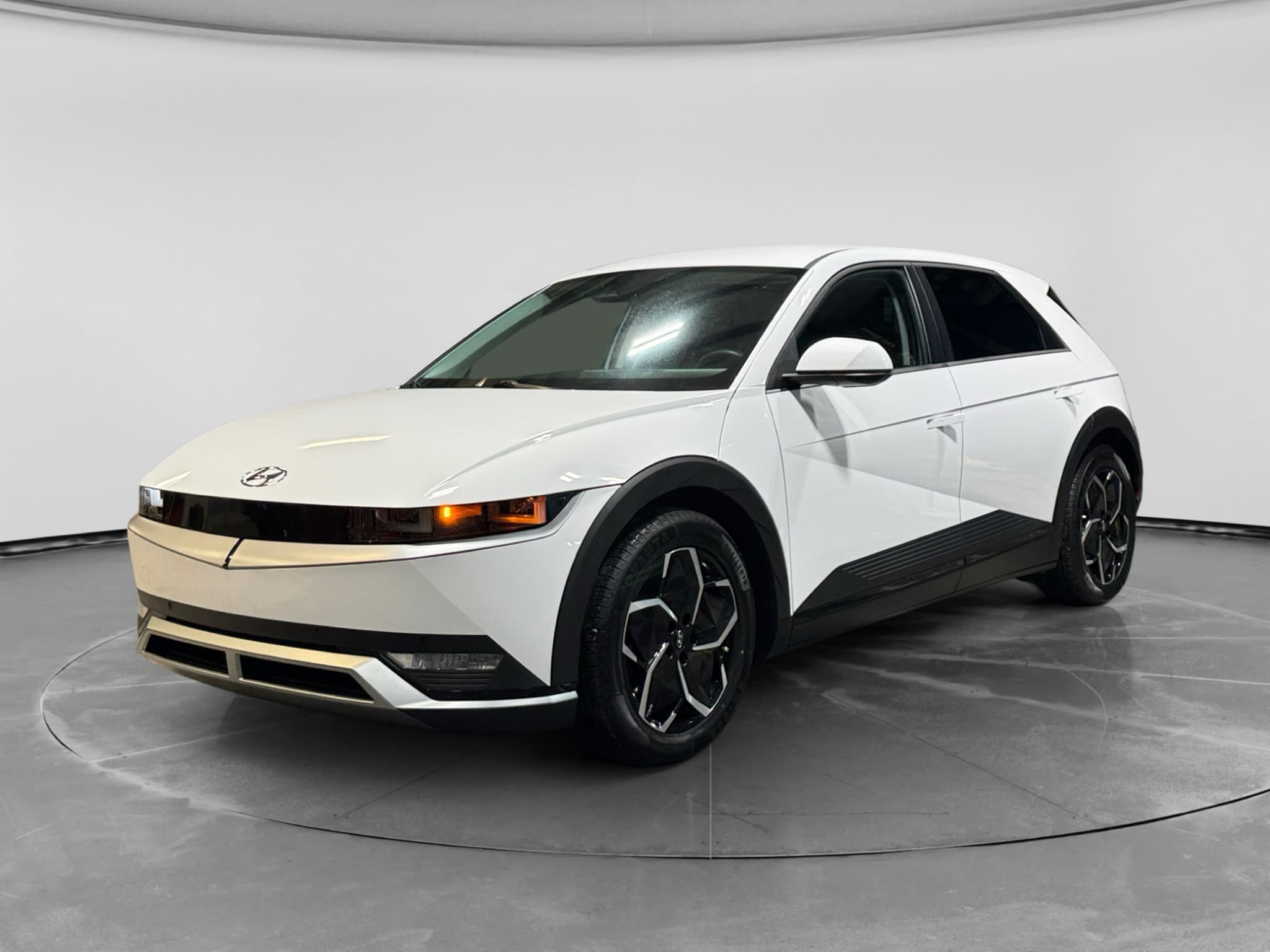
The IONIQ 5 avoids much of the routine work associated with a gasoline vehicle, but it isn't maintenance-free. You still need to plan for tires, wheel alignment, wiper blades, cabin air filters, brake inspections, fluids, cooling-system service, and the 12-volt battery. The high-voltage traction battery is the expensive component that worries many used-EV buyers, which is why a verified diagnostic matters more than guesswork. For a broader ownership comparison, see Recharged's electric-car maintenance cost guide.
What should you budget for?
Your recurring budget should focus on tires and ordinary wear items rather than engine service. There is no single honest dollar estimate for every IONIQ 5 because tire choice, mileage, road quality, labor rates, climate, drivetrain, and vehicle condition can change the bill substantially. Follow the maintenance schedule tied to the specific model year and vehicle identification number, or VIN, rather than relying on a generic EV interval. The categories below show where ownership costs are most likely to arise.
The main IONIQ 5 maintenance categories
Actual timing and prices vary by vehicle, location, driving habits, and service provider.
| Service area | Why it matters | Cost pattern | What to check |
|---|---|---|---|
| Tires and alignment | Weight and torque | Variable, often largest | Tread and even wear |
| Filters and wipers | Cabin comfort, visibility | Low and recurring | Condition and airflow |
| Brakes and fluid | Safety and corrosion | Usually periodic | Pads, rotors, fluid |
| Cooling systems | Battery and electronics | Model-specific | VIN-based schedule |
| 12-volt battery | Powers control systems | Occasional replacement | Age and test result |
Use the vehicle-specific maintenance schedule to confirm required service.
Ask for a vehicle-specific estimate
Battery-health data lowers the biggest uncertainty
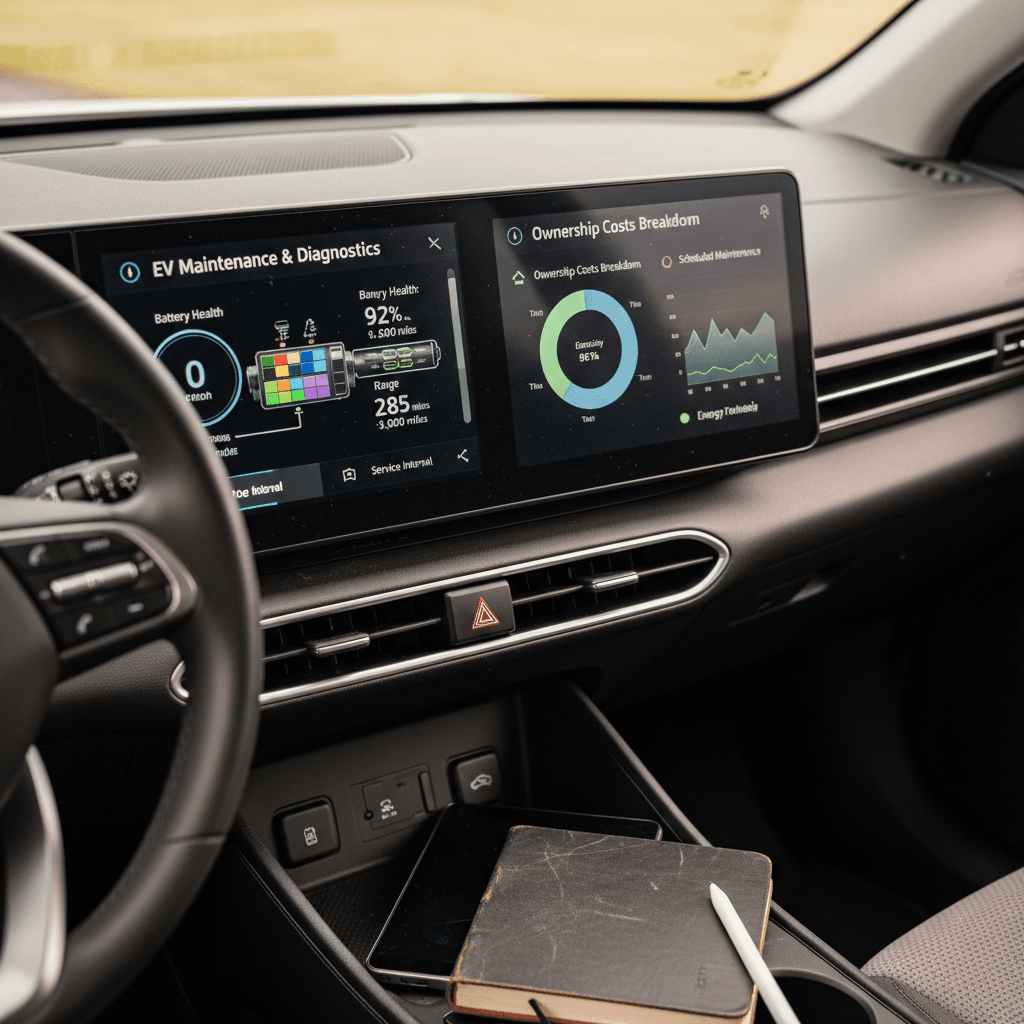
Recharged battery diagnostics suggest that the traction battery should be evaluated as a condition item, not automatically budgeted as a routine replacement. Across 229 IONIQ 5 Recharged Score inspections, tested remaining capacity averaged 98% of original, with a 100% median and an observed range from 88% to 100%. Tested real-world range averaged 265 miles and had a 258-mile median, with inspected vehicles ranging from 220 to 318 miles. Those results don't guarantee the condition of another car, but they show why an actual battery test is more useful than assuming age or mileage has made the pack unhealthy.
For a used IONIQ 5, we would rather show you a verified battery result than tell you the pack is probably fine. The diagnostic turns the most expensive unknown into something you can evaluate before buying.
The takeaway is reassuring but specific: battery replacement did not appear to be a normal near-term maintenance assumption across the IONIQ 5s Recharged inspected. One vehicle can still differ because condition, charging history, temperature exposure, damage, and prior repairs matter. Learn what a diagnostic can reveal in the used-EV battery health guide.
Repairs are different from routine maintenance
Routine maintenance is limited, but an out-of-warranty repair can still change the ownership equation. Before buying, check the operation of the climate-control system, charging equipment, driver-assistance features, displays, doors, seats, and every included cable or adapter. Ask a Hyundai service department to search the VIN for open recalls, service campaigns, completed warranty work, and the remaining coverage that applies to that specific vehicle. A pre-purchase inspection should also look for collision damage and underbody damage near the battery enclosure.
Recharged data
Used Hyundai Ioniq 5 battery health
98%
avg remaining capacity
From Recharged battery inspections, not manufacturer estimates.
- Lowest
- 88%
- Median
- 100%
- Highest
- 100%
- Est. range
- 265 mi avg
- Cell balance pass
- 100%
- Quick charges
- 24 avg
- Slow charges
- 74 avg
Average cell imbalance: 3.0 mV
Based on vehicles Recharged tested
Recharged data
Recent Hyundai Ioniq 5 sold prices
$27,999
median sold price
What buyers actually paid through Recharged, not list price.
- Lowest
- $17,996
- Average
- $28,772
- Highest
- $41,998
Monthly median sold price
Based on Recharged sales in the last 12 months
Regenerative braking uses the electric motor to slow the vehicle and can reduce friction-brake use, but the conventional brakes still require inspection. Pads and rotors can develop corrosion when they are used lightly, especially where roads are wet or treated with salt. Tires also deserve close attention because replacement cost depends heavily on size and brand; Recharged's EV tire maintenance guide explains how pressure, rotation, and alignment affect wear.
Every EV is battery-tested with a Recharged Score. Nationwide delivery.
Purchase price puts maintenance in context
Recharged retail data shows that the purchase price varies far more widely than the IONIQ 5's basic maintenance checklist. Across 176 IONIQ 5 retail sales at Recharged during the trailing 12 months, buyers paid an average of $28,772 and a median of $27,999; observed final retail prices ranged from $17,996 to $41,998. At the snapshot date, Recharged also had 30 IONIQ 5 vehicles listed from $23,598 to $34,498. These are vehicle prices, not maintenance estimates, but they show why condition, equipment, mileage, and battery health should be considered alongside future service needs.
A lower purchase price isn't automatically the better value if the car immediately needs tires, alignment work, overdue scheduled service, or cosmetic repairs. Compare candidates using the same checklist and request documentation for completed maintenance. Recharged includes a Recharged Score Report with verified battery health to make that comparison more transparent; the used-EV buying checklist covers the rest of the inspection process.
How can you control IONIQ 5 maintenance costs?
You can control costs by verifying condition before purchase and dealing with small wear issues before they damage other components. Tire pressure, rotation, and alignment deserve particular attention because uneven wear can shorten the useful life of an otherwise healthy set. Keep service records, use the VIN-specific schedule, and have EV-related work handled by a shop equipped for high-voltage vehicles. These steps won't eliminate repairs, but they make expenses easier to anticipate.
Used IONIQ 5 maintenance checklist
Get a battery diagnostic
Review tested remaining capacity and estimated real-world range instead of relying only on the dashboard estimate.
Inspect every tire
Check tread depth, age, sidewalls, matching specifications, and whether wear is even across each tire.
Confirm scheduled service
Use the VIN and model year to identify completed and upcoming filter, fluid, inspection, and cooling-system work.
Test charging
Confirm the charge port, charging cable, locking mechanism, and relevant dashboard settings operate correctly.
Review coverage and campaigns
Ask Hyundai to verify remaining warranty coverage, open recalls, service campaigns, and documented repairs by VIN.
Test the 12-volt system
Check battery condition because the smaller battery supports the electronics needed to start and operate the vehicle.
Instant offer, trade-in, or consignment. Pickup available.
IONIQ 5 maintenance cost FAQ
The bottom line
The practical answer is that the IONIQ 5 has a short routine-maintenance list, while tires, vehicle condition, and unexpected repairs create most of the cost uncertainty. Recharged's inspection data is encouraging: tested remaining battery capacity averaged 98% of original across 229 inspected vehicles. Still, you should price the exact tires and upcoming scheduled service for the individual car rather than relying on a universal annual estimate. A clean inspection, complete service history, and verified battery report are the strongest foundations for a predictable ownership budget.