Reliability starts with the individual car
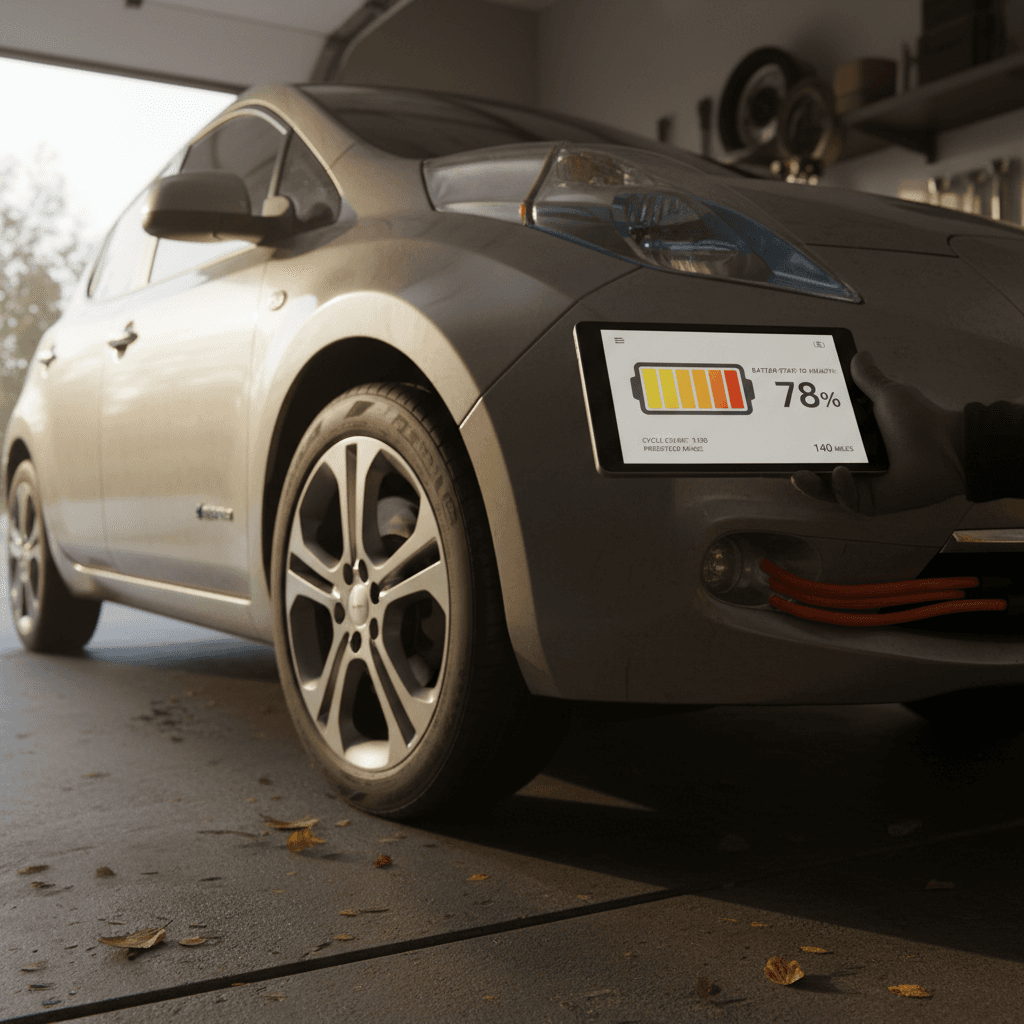
A reliable used EV is one with a healthy battery, completed recalls, sound mechanical components, and a documented history, not simply the model with the strongest reputation. Electric cars eliminate some traditional maintenance items, but they still have tires, suspension components, climate-control systems, electronics, charging hardware, and safety systems that can wear or fail. The safest approach is to use a model shortlist to begin your search, then judge each vehicle with a battery diagnostic and a thorough used-EV inspection.
Reliability is broader than battery life
The strongest used-EV candidates
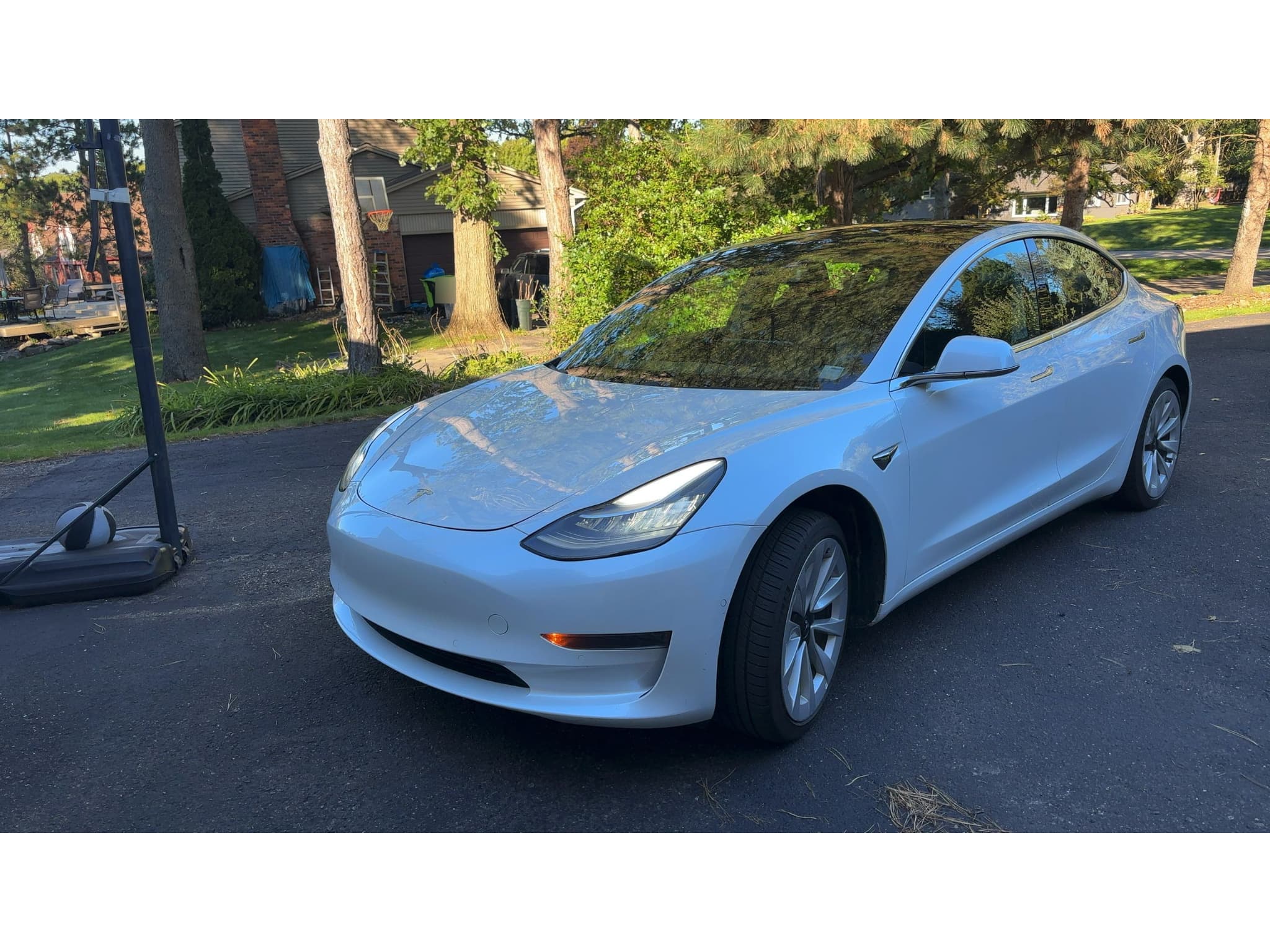
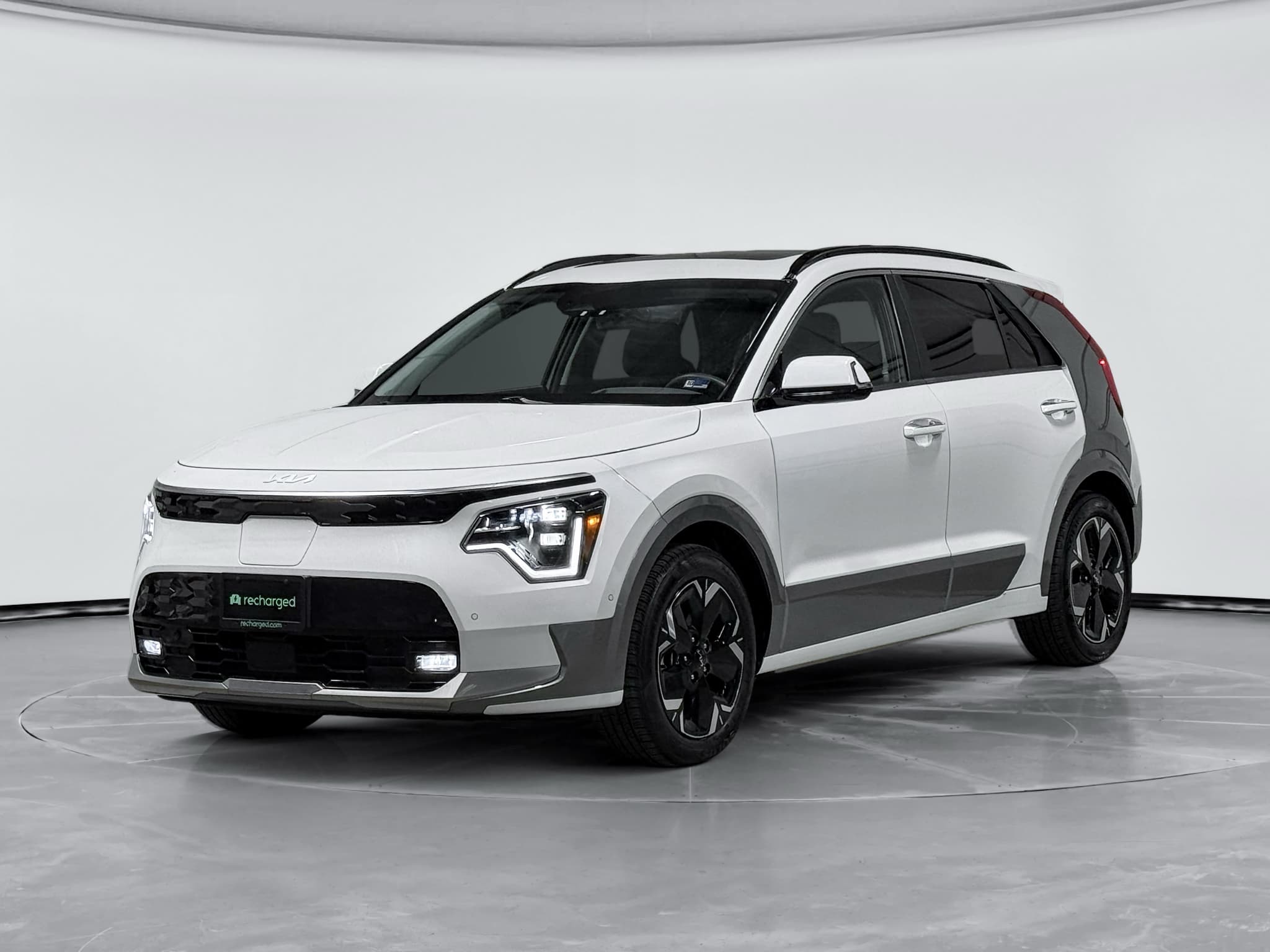
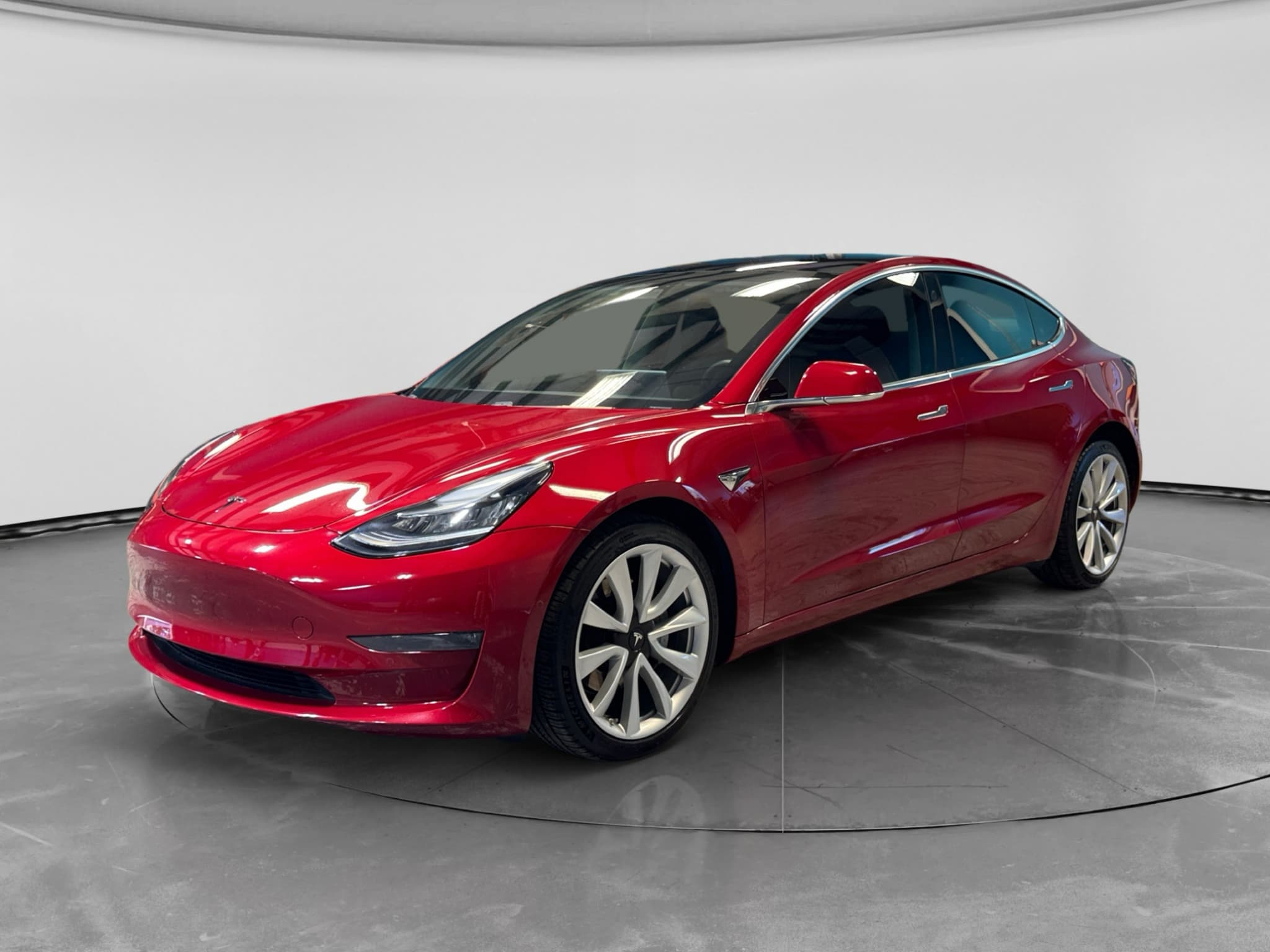
The Tesla Model 3 and Model Y are the clearest starting points from Recharged’s team experience, while the Chevrolet Bolt EV, Hyundai Kona Electric, and Kia Niro EV are practical alternatives worth considering. This is a shopping shortlist rather than a claim that every example of one model will outlast every example of another. Condition, battery capacity, repair history, and parts or service access can change the verdict on an individual vehicle.
Used EV reliability shortlist
Use these models to narrow the search, then verify the condition of the specific car.
| Model | Why it makes the shortlist | What to verify | Best fit |
|---|---|---|---|
| Tesla Model 3 | Team-cited ease of use | Battery, tires, suspension | Sedan shoppers |
| Tesla Model Y | Team-cited ease of use | Battery, tires, trim | Crossover shoppers |
| Chevrolet Bolt EV | Straightforward commuter choice | Recall status, charging | Value-focused commuters |
| Hyundai Kona Electric | Compact everyday format | Battery, service records | Small-crossover buyers |
| Kia Niro EV | Practical cabin and layout | Charging, climate controls | Everyday family use |
No model name replaces a battery diagnostic and physical inspection.
Treat the table as a list of candidates, not a universal reliability ranking. A well-documented car with verified battery capacity can be a better purchase than a neglected example of a model with a stronger reputation. You should also confirm that qualified service is accessible where you live, especially before buying a vehicle from a newer or low-volume brand.
What Recharged’s battery data shows
Recharged’s inspection data shows that used-EV batteries can retain substantial capacity, but the individual result still matters. Across 2,242 Recharged Score inspections, tested remaining battery capacity averaged 93.9% of original capacity, with a median of 94.9%. Tested real-world range averaged 266 miles and had a median of 268 miles across the mixed fleet, though that figure combines vehicles with different battery sizes, designs, ages, and original range ratings.
Price alone doesn’t identify the most dependable car. In Recharged’s snapshot of 417 current listings, asking prices ranged from $12,996 to $146,998, with a median of $30,997. That broad market makes it possible to shop at different budgets, but it also reinforces the need to compare each car’s verified condition, not assume a higher asking price guarantees a healthier battery.
The takeaway is straightforward: most inspected batteries in this Recharged sample retained a high share of original capacity, but averages cannot certify the EV you’re considering. Review the car’s own Recharged Score Report or another model-specific diagnostic before deciding whether its condition and tested range fit your needs.
For long-term ownership, ease of use matters. The Model 3 and Model Y are two names our team returns to, but battery health still decides whether an individual car is a smart buy.
Recharged data
Used EV battery health
94%
avg remaining capacity
From Recharged battery inspections, not manufacturer estimates.
- Lowest
- 63%
- Median
- 95%
- Highest
- 100%
- Est. range
- 266 mi avg
- Cell balance pass
- 100%
- Quick charges
- 18 avg
- Slow charges
- 65 avg
Average cell imbalance: 7.3 mV
Based on vehicles Recharged tested
Recharged data
Used EV prices at Recharged
$30,997
median list price
Current list prices for matching inventory at Recharged.
- Lowest
- $12,996
- Average
- $34,803
- Highest
- $146,998
Average Recharged Score on these listings
4.8 / 5
Range
3.7 – 5.0
Based on available listings
Every EV is battery-tested with a Recharged Score. Nationwide delivery.
What should you inspect before buying?
You should verify battery capacity, charging operation, recall completion, mechanical condition, history, and warranty status before buying any used electric car. A dashboard range estimate is not enough because it can change with recent driving, temperature, and climate-control use. Follow a repeatable process instead of relying on a short test drive or a clean-looking interior.
Used-EV reliability checklist
Get a battery diagnostic
Confirm tested remaining capacity and estimated usable range for the specific vehicle.
Check recalls
Use the vehicle identification number to confirm whether required recall work is complete.
Test AC and DC charging
Verify the charge port, cable connection, onboard charging, and available fast-charging function.
Drive on varied roads
Listen for suspension noise and check braking, steering, acceleration, and ride quality.
Inspect tires and body
Look for uneven tire wear, wheel damage, glass damage, water intrusion, and prior repairs.
Review history and coverage
Confirm service records, title status, collision history, ownership history, and remaining warranty terms.
If possible, begin with a seller that discloses battery condition rather than asking you to infer it from mileage. Recharged includes a Recharged Score Report with verified battery health, fair market pricing, and vehicle-condition information. For the broader process, see how to buy a used electric car before comparing listings.
Battery health matters more than mileage alone
Mileage remains useful, but it cannot tell you by itself whether a used EV will deliver the range and dependability you need. Higher mileage should prompt closer attention to tires, suspension, interior wear, paint, glass, and maintenance history; many of those items can be inspected and repaired independently. Battery capacity needs its own test because two cars with similar odometer readings may not have the same battery condition or usable range.
Miles tell you where to look for wear, but battery capacity tells you whether the car can provide the range you need. For us, verified battery health is the more important starting point.
Battery degradation means the gradual loss of usable energy-storage capacity over time. Some loss does not automatically make a car unreliable; the practical question is whether tested capacity supports your daily driving, charging routine, and expected ownership period. Learn how to interpret the result in the used-EV battery health guide.
Instant offer, trade-in, or consignment. Pickup available.
Reliable used electric car FAQ
The bottom line
The most reliable used electric car is a proven model backed by evidence about the specific vehicle. Start with mature choices such as the Tesla Model 3 and Model Y, compare practical alternatives, and then let verified battery capacity, recall status, service records, charging performance, and physical condition decide. A transparent battery report is more useful than a broad reputation when you’re choosing the car you’ll actually own.