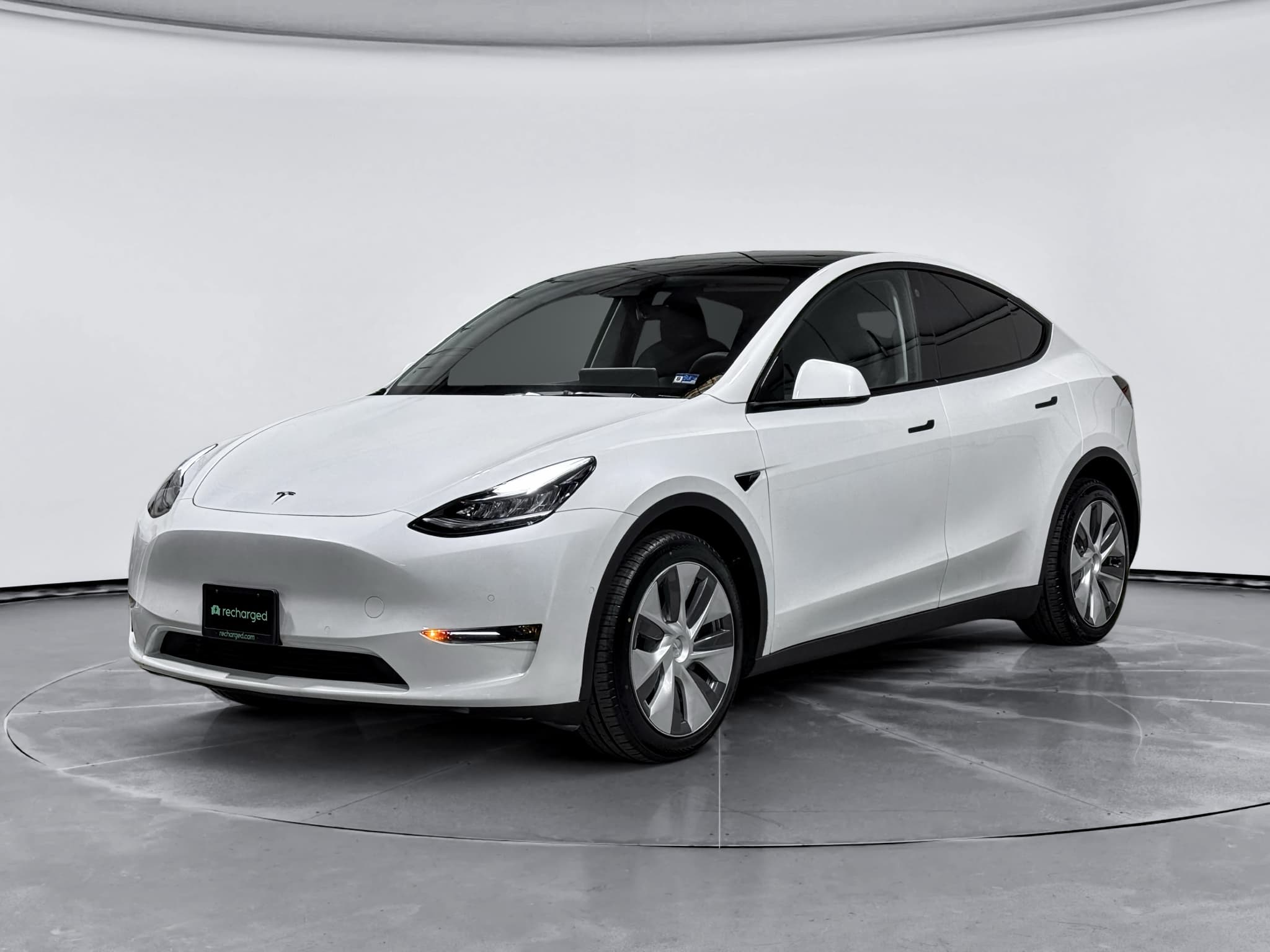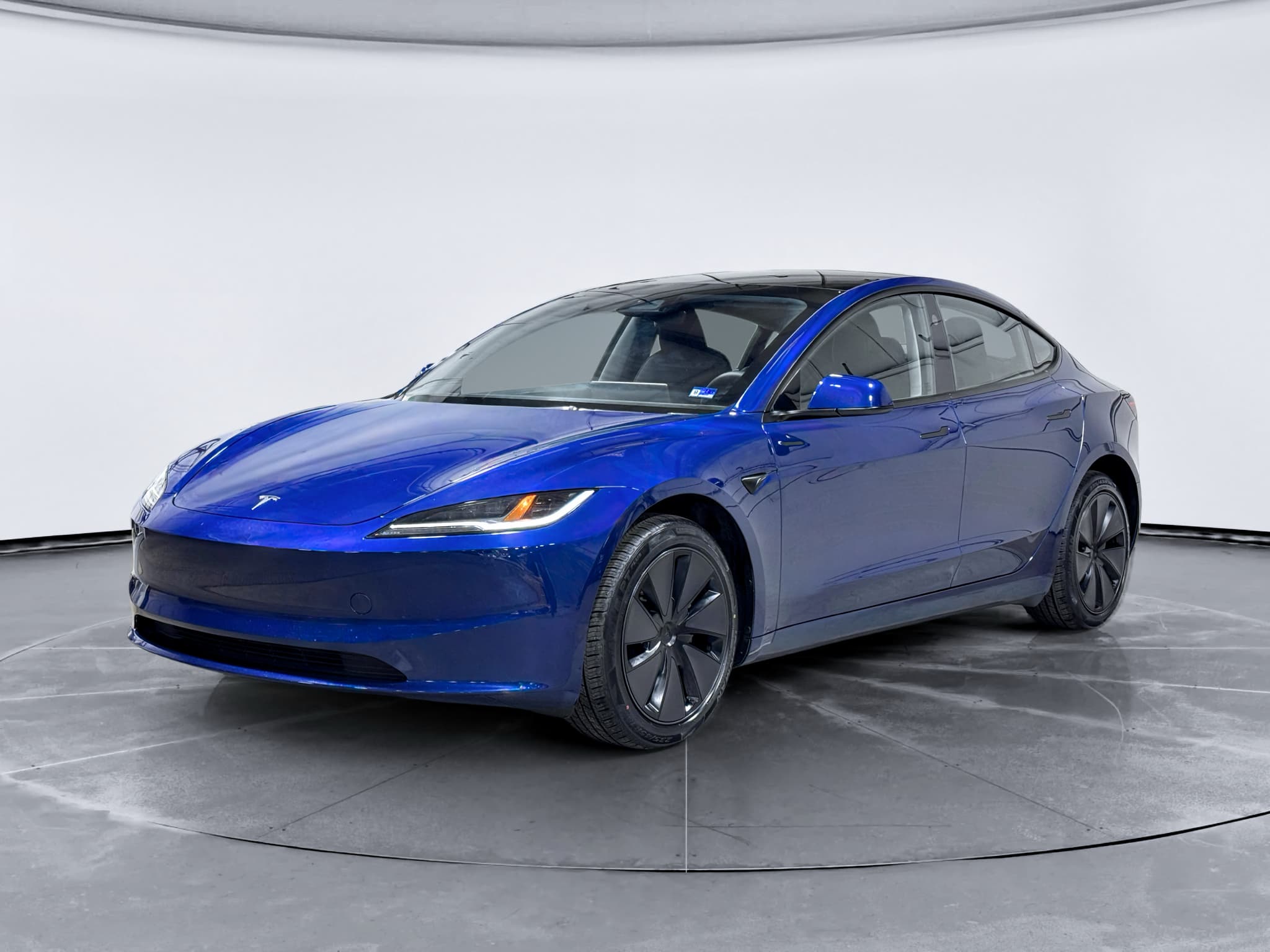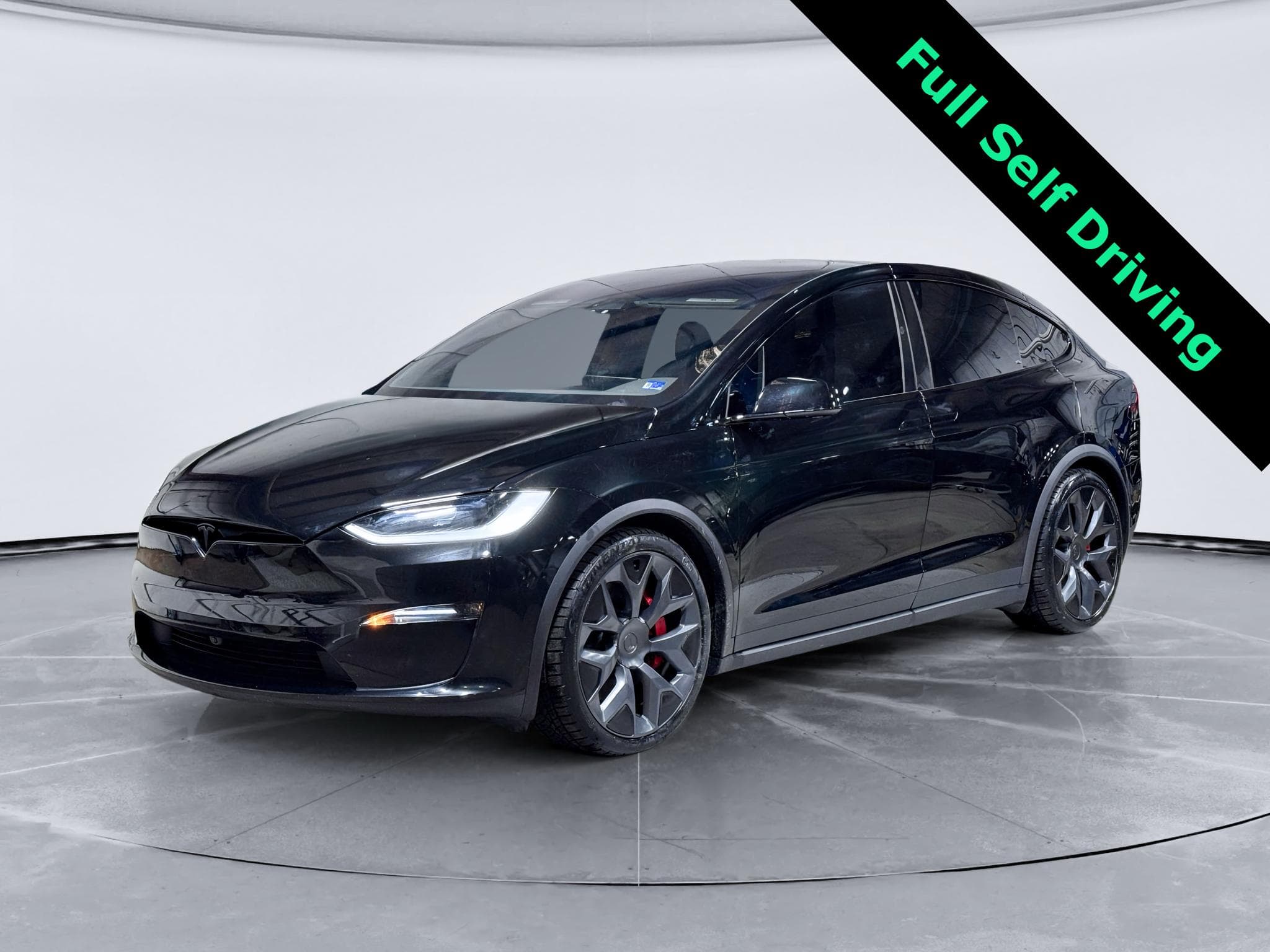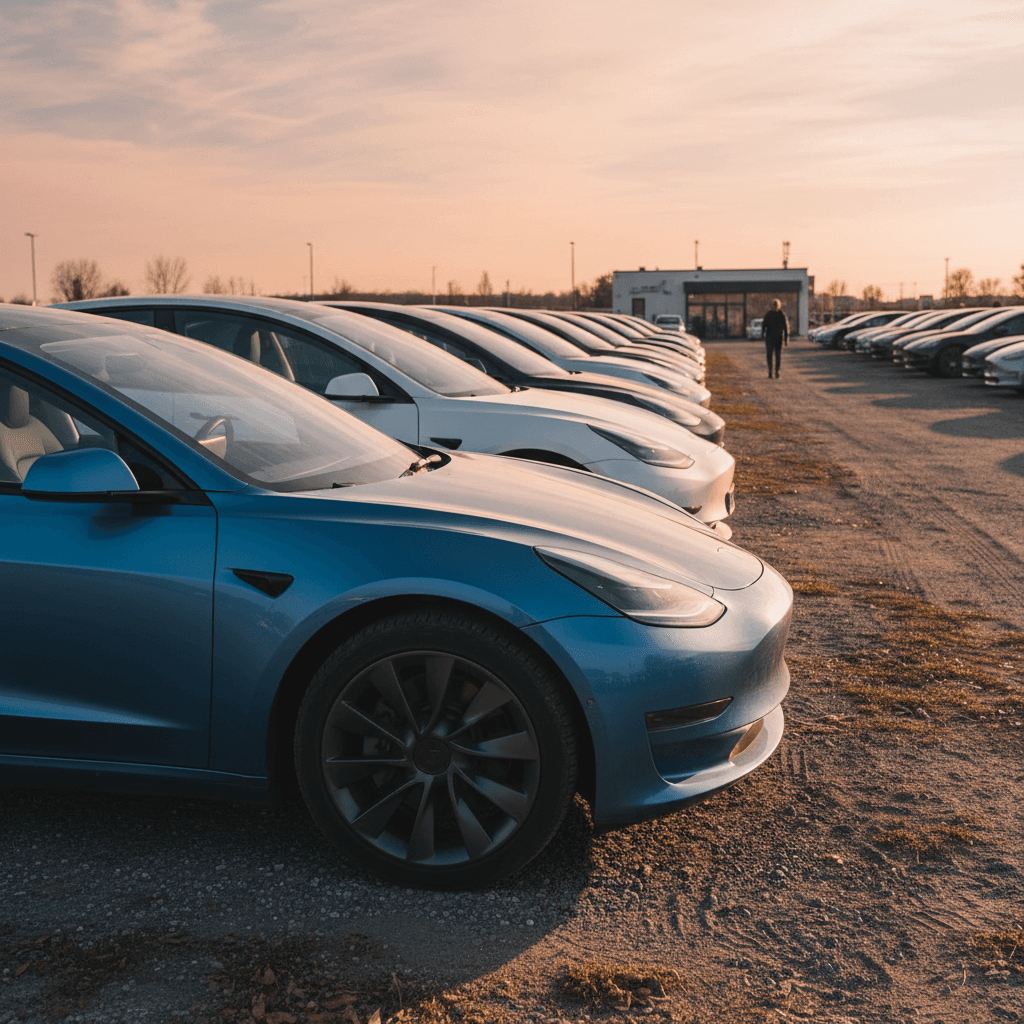
Tesla’s naming scheme is admirably short, but the vehicles behind those names serve markedly different lives. A Model 3 is a low-slung sedan, a Model Y is a family-friendly crossover, and a Cybertruck is a large pickup whose size and energy use demand more planning. The Model S and Model X occupy the luxury end of the market, while the original Roadster is now a specialized used purchase rather than an everyday alternative.
The Tesla model lineup at a glance
The Model 3 and Model Y make the most sense for mainstream shoppers, while the Model S, Model X and Cybertruck answer more specialized needs. This single comparison covers Tesla’s consumer vehicle families without getting lost in frequently changing trims, battery configurations or special editions. If your decision has narrowed to the two volume-oriented choices, see the Model 3 versus Model Y comparison.
Tesla consumer model overview
Compare each model by its basic format, strongest use case and most important compromise.
| Model | Body style | Best fit | Key tradeoff |
|---|---|---|---|
| Model 3 | Sedan | Commuting, efficiency | Low seating position |
| Model Y | Crossover | Passengers, cargo | Larger footprint |
| Model S | Luxury liftback | Comfort, performance | Higher ownership costs |
| Model X | Luxury SUV | Space, distinctive access | Added complexity |
| Cybertruck | Pickup | Truck utility | Size, towing range |
| Roadster (original) | Sports car | Collectors, enthusiasts | Age, service access |
Tesla can change availability and configurations, so verify current ordering details directly with the manufacturer.
The decisive split is not speed or screen size; it is how much vehicle you actually need. Choose the Model 3 if sedan packaging works for you, and move to the Model Y when easier entry, cargo space or crossover proportions matter more. The costlier and more complex models can be compelling, but only when their additional space, performance or utility solves a real problem.
How should you choose a used Tesla?
Choose a used Tesla by evaluating the individual car before debating small differences between configurations. Battery condition, repair history, tires, insurance and included software can change the ownership proposition more than a cosmetic option. A used Tesla buying guide can help you turn those priorities into a repeatable inspection process.
What to verify before you buy
Battery health
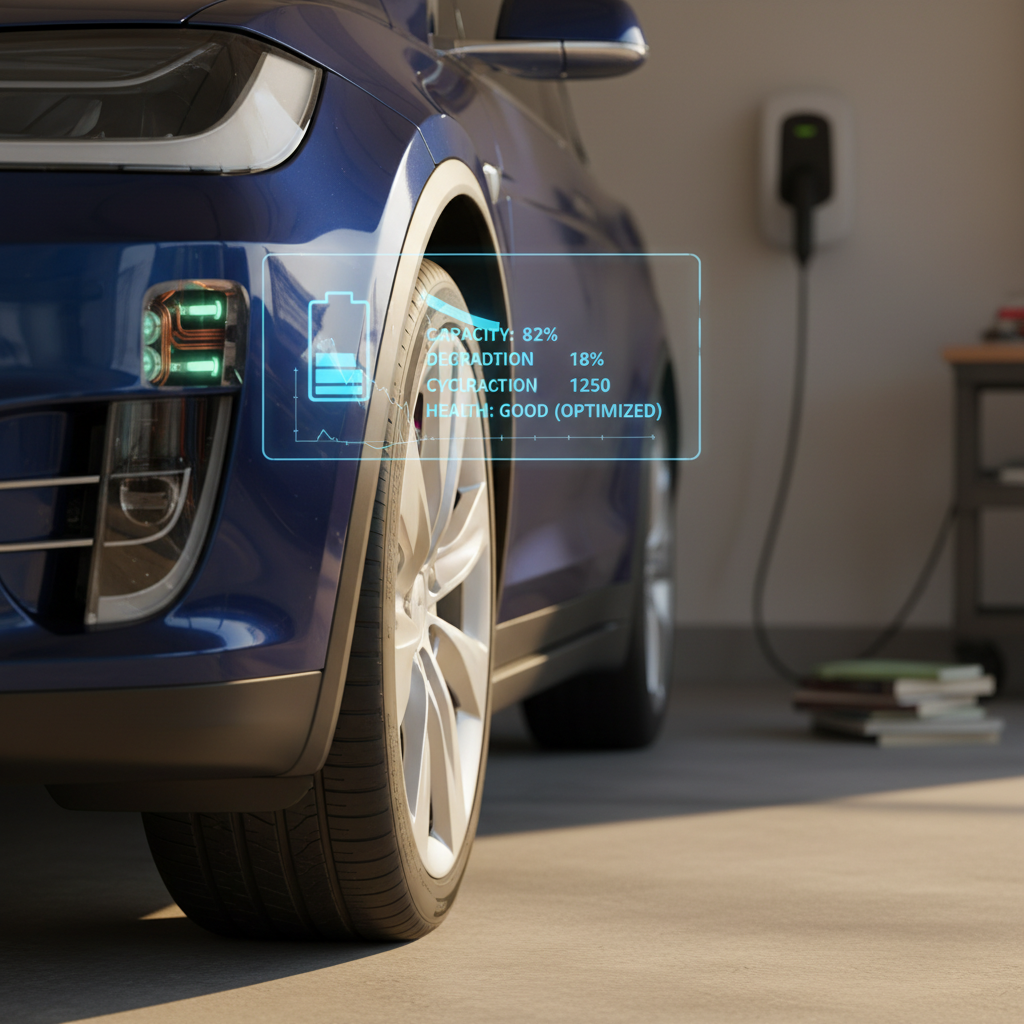
Ask for a diagnostic that estimates tested remaining capacity rather than relying only on the dashboard range display.
Vehicle and repair history
Review title status, collision repairs, service records and the fit and operation of doors, glass and body panels.
Charging setup
Confirm your home-charging plan, connector needs and access to reliable charging on routes you drive frequently.
Software features
Verify which purchased features appear with the vehicle; do not assume a seller’s subscription or account benefit transfers.
Tires and insurance
Price replacement tires and obtain an insurance quote for the exact vehicle before committing to the purchase.
Daily fit
Test seating position, visibility, cargo access, parking dimensions and ride comfort under ordinary conditions.
Charging deserves special attention because a convenient home setup can make an EV feel effortless, while dependence on public charging can make the same car feel like an appointment book. Learn the practical differences among outlet charging, Level 2 home charging and DC fast charging in the EV charging-level explainer. Level 2 refers to the common higher-voltage home or public setup used for routine overnight charging.
What Recharged battery data shows
Battery condition should be measured, not guessed from mileage or the dashboard estimate. Across 2,242 EVs receiving Recharged Score battery inspections, not Teslas alone, the average tested remaining capacity was 93.9% of original capacity and the median was 94.9%. Tested real-world range averaged 266 miles and had a 268-mile median, illustrating why a verified report gives you better context than model reputation by itself.
A Recharged team test on a 2021 Model Y with about 76,000 miles underscores the distinction. Tesla’s battery-health test reported 86%, while the displayed full-charge estimate moved from 281 miles before the test to 276 miles afterward. That small display change did not mean the test suddenly removed usable battery capacity; range estimates can be recalibrated as the vehicle evaluates its pack.
Our 2021 Model Y showed 86% battery health in Tesla’s own test at about 76,000 miles, while the displayed full-charge range moved only from 281 to 276 miles.
Treat range and battery health as related, not identical
Recharged data
Used EV battery health
94%
avg remaining capacity
From Recharged battery inspections, not manufacturer estimates.
- Lowest
- 63%
- Median
- 95%
- Highest
- 100%
- Est. range
- 266 mi avg
- Cell balance pass
- 100%
- Quick charges
- 18 avg
- Slow charges
- 65 avg
Average cell imbalance: 7.3 mV
Based on vehicles Recharged tested
Every EV is battery-tested with a Recharged Score. Nationwide delivery.
Cybertruck range changes sharply when towing
Cybertruck is the model here whose suitability changes most dramatically when you attach a trailer. On one Recharged Richmond-to-Jacksonville run, the truck normally delivered about 310 to 315 miles, but the team observed roughly 130 to 140 miles while towing its test load. Charging was available and the team found trailer-friendly stations, yet the trip expanded from just under 10 hours to about 15 hours and required an estimated seven to 10 charging stops.
That was one route, one trailer and one test, not a universal Cybertruck range figure, but the lesson is broadly useful: aerodynamic drag and added load can dominate highway energy consumption. During the run, reducing speed from roughly 75 mph to 65 mph noticeably improved the truck’s indicated range outlook. Trailer mode also prevented the team from using Tesla’s driver-assistance system during that trip, so the driver had to handle accelerator control manually.
It was a great experiment. I wouldn’t recommend it unless you had to do it.
Instant offer, trade-in, or consignment. Pickup available.
Tesla model FAQ
The bottom line
Start with the Model 3 or Model Y unless you have a clear reason to go elsewhere. The Model S and Model X ask you to accept more cost and complexity for luxury, space or performance, while Cybertruck makes sense when pickup utility outweighs its bulk and towing-range compromises. Whichever Tesla fits your life, buy the condition and history of the individual vehicle, not merely the badge or the dashboard’s optimistic-looking range number.