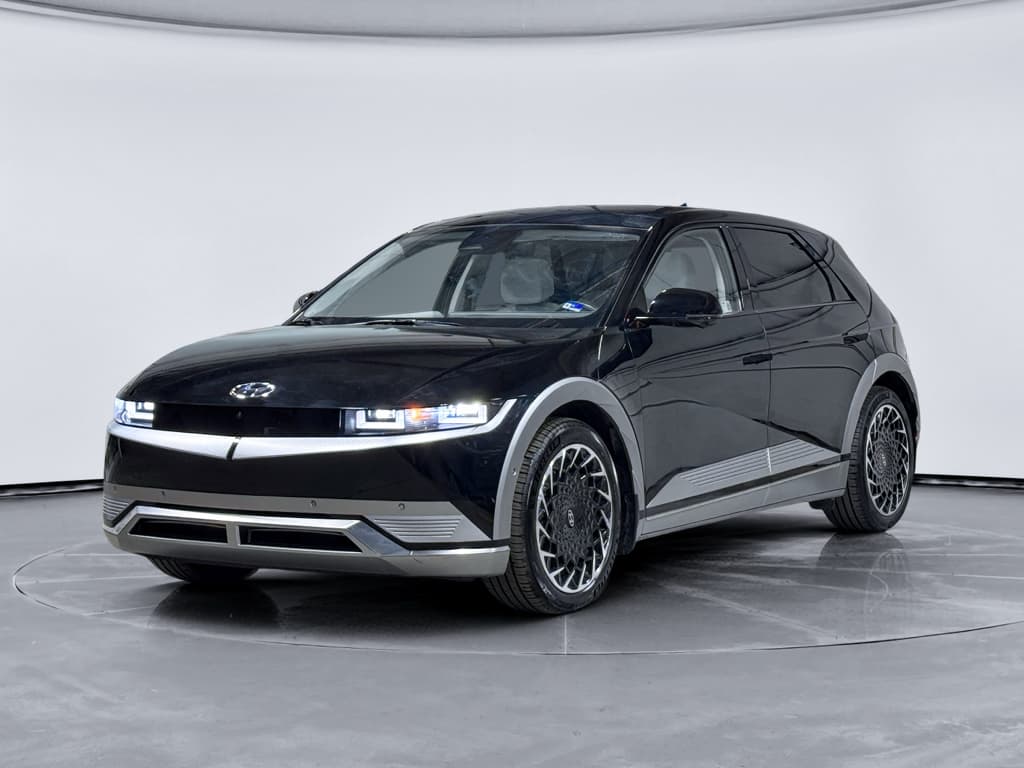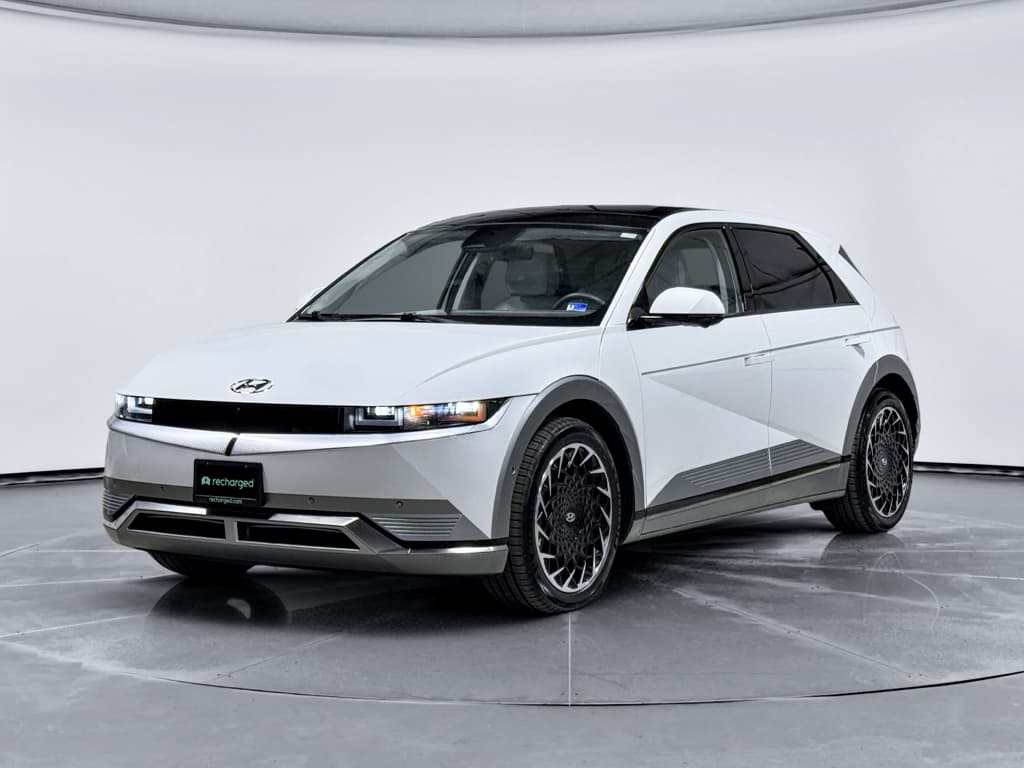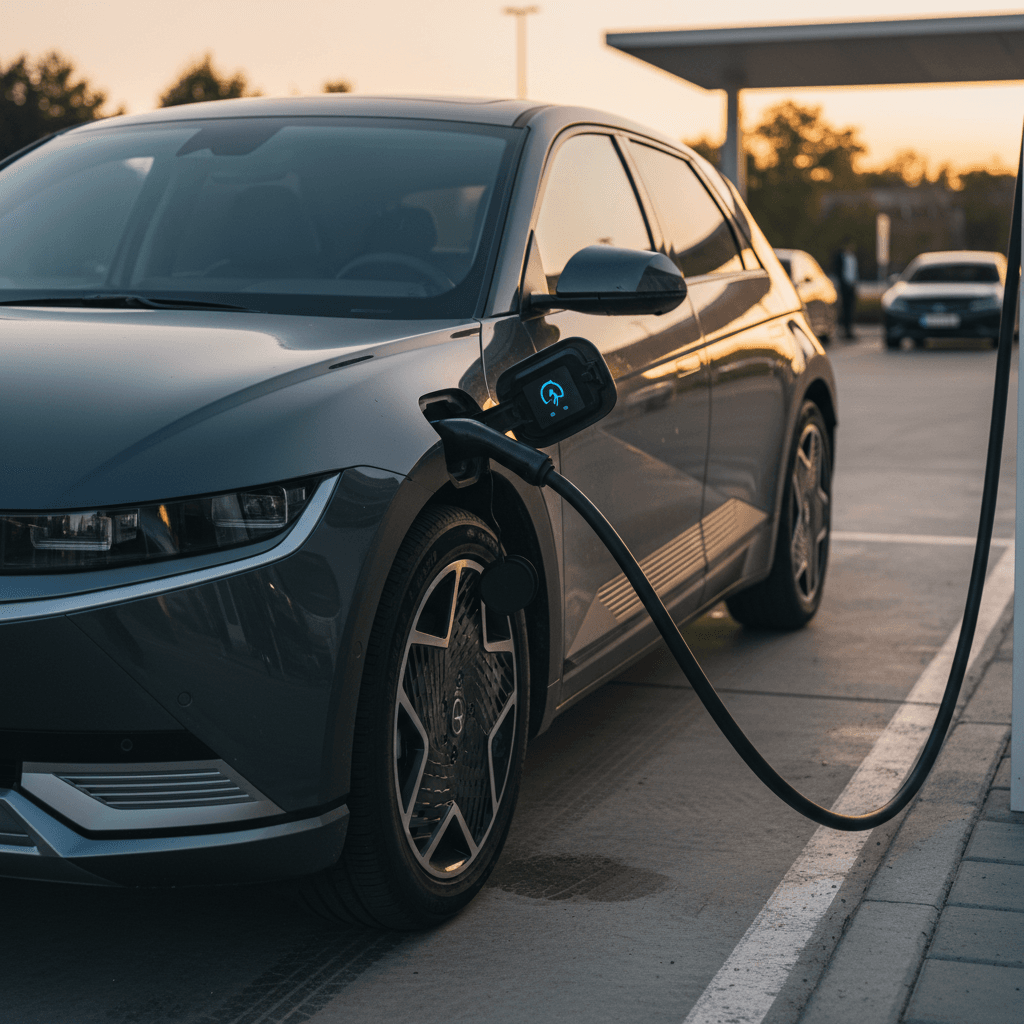
If you’re shopping for, or already driving, a Hyundai Ioniq 5, charging speed is probably high on your list. On paper, the Ioniq 5 is one of the fastest‑charging EVs on the road, capable of going from 10% to 80% in about 18 minutes on a powerful DC fast charger. But what does that look like in real life at home, at public stations, and now at Tesla Superchargers?
Key takeaway
Why charging speed matters on the Ioniq 5
Three reasons Ioniq 5 charging speed really matters
Fast hardware is only half the story, how you use it is the other half.
Road‑trip flexibility
The Ioniq 5’s 800‑volt platform lets it take very high DC power. Used well, that turns long drives into short, predictable stops instead of hour‑long breaks.
Daily convenience
Understanding Level 2 charging speeds helps you size the right home charger so you can reliably start every morning at your target state of charge.
Battery longevity
Charging strategy, how often you fast charge, what SOC you target, and how you set charge limits, has a big influence on long‑term battery health and resale value.
Hyundai Ioniq 5 batteries, connectors and model years
Charging speed on a Hyundai Ioniq 5 depends on which battery you have and which market you’re in, but for North America the picture is fairly straightforward. Earlier U.S. models use the CCS1 DC fast‑charge port; beginning with the 2025 refresh, the Ioniq 5 switches to the North American Charging Standard (NACS) port used by Tesla, plus a CCS adapter so you can still use existing CCS DC stations.
- Battery sizes: most North American Ioniq 5 trims use a larger pack around 77–84 kWh usable, with some markets also offering a smaller ~58–63 kWh pack.
- On‑board AC charger: up to roughly 10.9–11 kW on Level 2, which is what limits maximum home and workplace charging speed.
- DC fast‑charge peak: depending on battery, real‑world peaks typically fall between 175 and 230+ kW on a strong 800‑volt charger under ideal conditions.
- 800‑volt architecture: lets the car hold high power deeper into the charge, so 10–80% times stay competitive even if the headline kW number isn’t the very highest on the market.
Trim‑level nuance
Hyundai Ioniq 5 home charging speeds (Level 1 & 2)
Home charging is where you’ll do the vast majority of your Ioniq 5 charging. Here’s how long it typically takes to refill from a near‑empty battery to around 100% at common home setups in the U.S.
Ioniq 5 approximate home charging times
Assumes the larger battery pack (~77–84 kWh usable). Times are rounded estimates from near‑empty to ~100% in mild weather.
| Charging setup | Voltage / amps | Approx. power | Time from near‑empty to 100% | Best use case |
|---|---|---|---|---|
| Level 1 – standard wall outlet | 120 V / 12 A | ~1.4 kW | 40–50 hours | Emergency top‑ups only; not practical as your primary source |
| Level 2 – 240 V / 20 A circuit | 240 V / 16 A | ~3.8 kW | 16–22 hours | Occasional charging, plug‑in dryer circuit, low‑mileage drivers |
| Level 2 – 240 V / 32 A circuit | 240 V / 32 A | ~7.7 kW | 9–12 hours | Typical home charger installed on a 40 A breaker |
| Level 2 – 240 V / 48 A circuit | 240 V / 48 A | ~11.5 kW (limited by car to ~11 kW) | 7–9 hours | Fastest realistic home charging, full overnight refill |
Real conditions, temperature, exact battery size, and starting state of charge, will move these numbers up or down.
Don’t overspend on amps you can’t use
Choosing the right home charging speed for your Ioniq 5
1. Estimate your daily mileage
Multiply your typical daily miles by 1.5 to get a charging buffer. Most Ioniq 5 drivers can easily top up 40–60 miles of range overnight on a 32‑amp Level 2 charger.
2. Check your electrical panel
Have an electrician confirm how much spare capacity you have. Many homes can support a 40‑amp breaker (32‑amp charging) without an expensive service upgrade.
3. Match EVSE size to car limits
Because the Ioniq 5 maxes out around 11 kW AC, there’s usually no benefit to a charger rated above 48 amps for this car alone.
4. Use scheduled charging
In the Ioniq 5’s settings, schedule home charging for off‑peak hours if your utility offers time‑of‑use rates. It won’t change peak kW, but it can cut your cost per kWh.
DC fast charging: 10–80% in 18 minutes, when is it realistic?
Hyundai advertises that the Ioniq 5 can charge from 10% to 80% in about 18 minutes on a 350 kW DC fast charger. In practice, owners regularly see 10–80% times in the 18–25 minute range when conditions are right, and in the 25–40 minute range when they’re not.
Hyundai Ioniq 5 fast‑charging at a glance
The Ioniq 5’s charging curve is what makes it so road‑trip friendly. Instead of spiking very high for a minute or two and then dropping off sharply, it holds strong power, often well over 150 kW, through much of the 10–60% window, then gradually tapers as you approach 80% and above.
Avoid fast‑charging to 100%
Charging time by scenario: quick reference table
Hyundai Ioniq 5 typical charging times by scenario
Approximate times for the larger pack, mild weather, and a healthy battery. "Miles added" assumes highway‑ish efficiency.
| Scenario | Charger type | SOC window | Approx. time | Miles of range added |
|---|---|---|---|---|
| Overnight at home | Level 2, 32–48 A | 10–90% | 7–12 hours | 220–260 mi |
| Workplace top‑up | Level 2, 32 A | 30–80% | 3–4 hours | 110–150 mi |
| Quick city stop | 50 kW DC fast | 20–80% | 45–60 minutes | 110–140 mi |
| Highway stop, good DC fast | 150–350 kW DC | 10–80% | 18–25 minutes | 160–190 mi |
| Short splash‑and‑dash | 150–350 kW DC | 10–50% | 10–15 minutes | 90–120 mi |
| Supercharger (NACS, strong site) | Tesla V3/V4 | 10–80% | 20–30 minutes (2025+ NACS cars) | 150–180 mi |
Use this as a planning guide, not a promise, since charger quality and weather can shift numbers noticeably.
How fast the Ioniq 5 charges at Tesla Superchargers
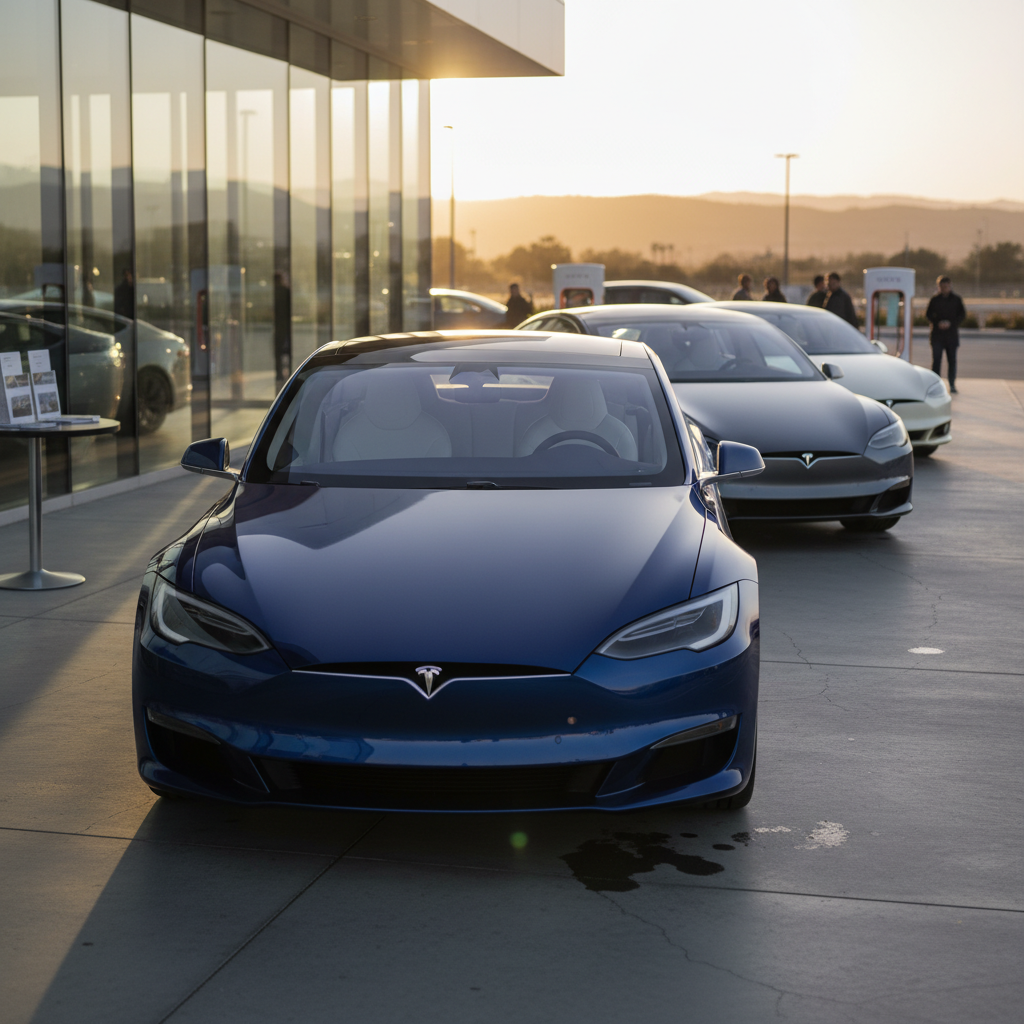
For North American drivers, the Tesla network is a huge part of the Ioniq 5 charging‑speed story going forward. Starting with the 2025 model year, U.S.‑built Ioniq 5s get a NACS port from the factory, plus a CCS adapter, which means they can plug directly into most Tesla Superchargers as well as traditional CCS networks.
Pre‑2025 Ioniq 5 (CCS1 port)
- Uses a CCS1 port. To use Tesla Superchargers, you’ll typically need a third‑party CCS–to–NACS adapter, where allowed, or rely on CCS fast‑charging networks.
- At compatible Superchargers, owners often report lower peak power than on 800‑V CCS stations, sometimes around 90–140 kW, which stretches 10–80% closer to the 25–35 minute range.
- Still very usable on road trips, but charging behavior can vary more station‑to‑station versus dedicated 800‑V CCS hardware.
2025+ Ioniq 5 (factory NACS)
- Has a native NACS port and comes with a CCS adapter in the U.S., unlocking both Tesla and legacy CCS DC networks.
- Independent testing has shown strong performance at modern Tesla sites, with 10–90% in around 30–40 minutes and competitive 10–80% times when the battery is warm.
- Effectively gives the Ioniq 5 access to tens of thousands of DC fast chargers, reducing route‑planning stress compared with earlier years.
Plan stops with the car’s nav or a good app
7 factors that slow down Ioniq 5 charging speeds
What actually slows your Ioniq 5’s charging?
Most "it’s charging too slowly" complaints trace back to one of these.
Cold battery
In cold weather, the battery’s chemistry resists high power. Without preconditioning, you might see 50–80 kW instead of 180–230 kW at the same charger.
High state of charge
Above roughly 60–70%, the car starts ramping power down. By 80–90%, it may limit DC fast‑charge speeds so much that extra time gains you little usable range.
Weak or overloaded charger
An older or shared "350 kW" unit often can’t deliver its rated power. If other cars are plugged in, your stall may be power‑limited, too.
Low battery health or cell imbalance
As packs age or if individual cells drift out of balance, the car may charge more conservatively to protect the battery, especially near the top of the pack.
Harsh driving just before charging
Long, high‑speed runs followed immediately by a fast charge can heat the battery. The car may throttle power to manage temperature on very hot days.
Software and settings
Charge limits, battery care modes, and firmware differences between model years can change how aggressively the Ioniq 5 fast‑charges in borderline conditions.
Don’t judge by the charger’s sticker
How to charge your Ioniq 5 faster and protect the battery
Practical steps to optimize Ioniq 5 charging speed
1. Aim for 10–60% on road trips
For the best minutes‑per‑mile, arrive at fast chargers around 10–20% and unplug no later than 70–80%. Stringing together more short, high‑power sessions is usually faster than a few long ones.
2. Use battery preconditioning before DC fast charging
In the car’s nav, set your next stop as a DC fast charger. The Ioniq 5 will warm or cool the pack on the way so it can accept higher power the moment you plug in.
3. Prefer strong 150–350 kW stations when possible
A 150 or 350 kW unit on a modern 800‑V site will let the Ioniq 5 stretch its legs. A 50 kW unit works in a pinch, but expect closer to an hour from 20–80%.
4. Use Level 2 at home and work for most charging
Save DC fast charging for road trips or rare emergencies. Relying mainly on AC charging at home is easier on the battery and your wallet.
5. Set a daily charge limit
In the charge settings, set your everyday target to around <strong>70–80%</strong>. Reserve 100% for long trips when you actually need the range.
6. Watch the charging screen, not just the time
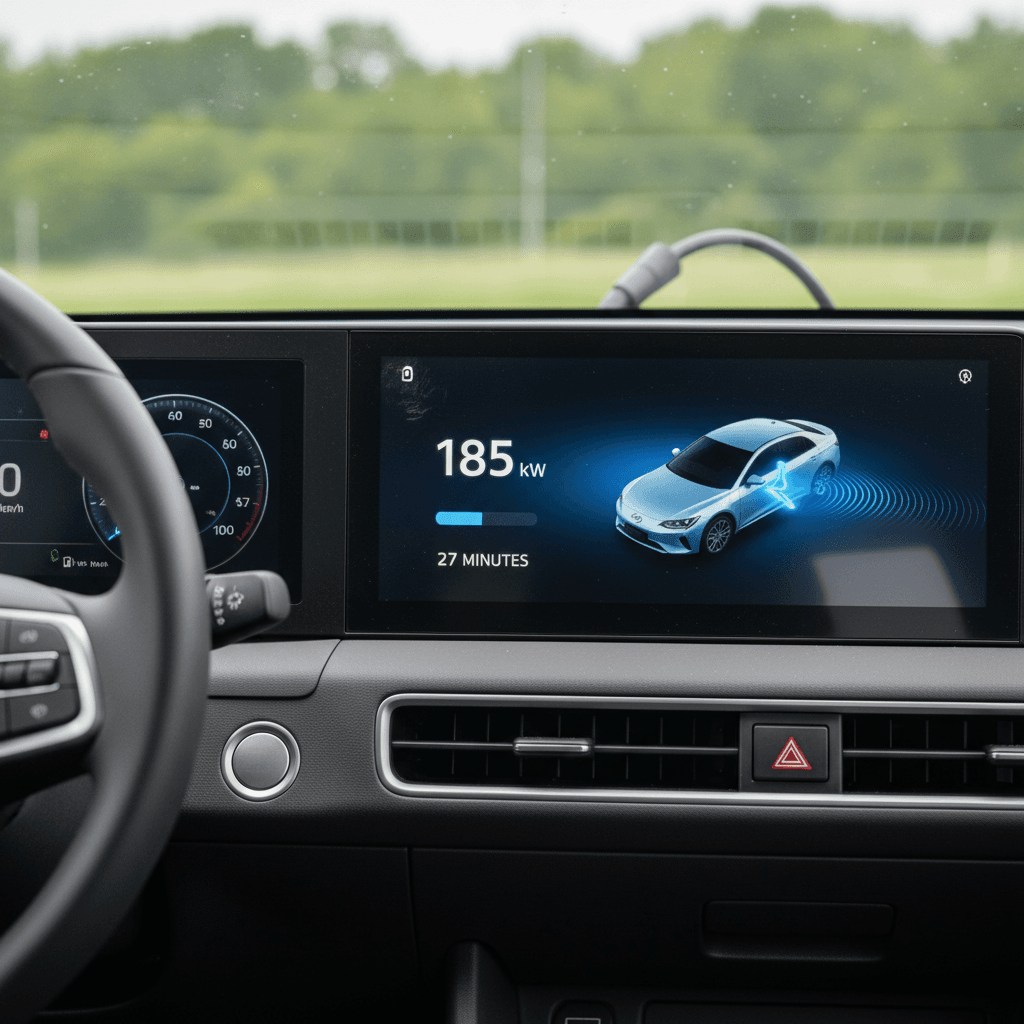
The in‑car display shows live kW. If it never rises above, say, 60–70 kW at a high‑power site in mild weather, the issue might be that particular stall, not your car.
How Recharged helps with charging‑speed confidence
Ready to find your next EV?
Browse VehiclesHyundai Ioniq 5 charging speed FAQ
Frequently asked Ioniq 5 charging questions
Is a used Hyundai Ioniq 5 a good choice for fast charging?
If fast charging is a priority, a Hyundai Ioniq 5, new or used, belongs on your short list. Its 800‑volt platform, strong DC charging curve, and growing access to both CCS and Tesla Superchargers make it one of the most road‑trip‑ready EVs you can buy. The key is understanding that the advertised "10–80% in 18 minutes" is a best‑case scenario. With the right home setup, smart use of battery preconditioning, and realistic expectations about how factors like weather and charger quality affect speed, you can get very close to those numbers in real life while still protecting the pack.
If you’re considering a used Hyundai Ioniq 5, Recharged can help you sort through trims, battery options, and charging histories. Every vehicle in our marketplace comes with a Recharged Score that includes verified battery health and transparent pricing, plus EV‑savvy support to help you choose the right home charger, plan your first road trip, and get the most from the Ioniq 5’s impressive charging hardware.