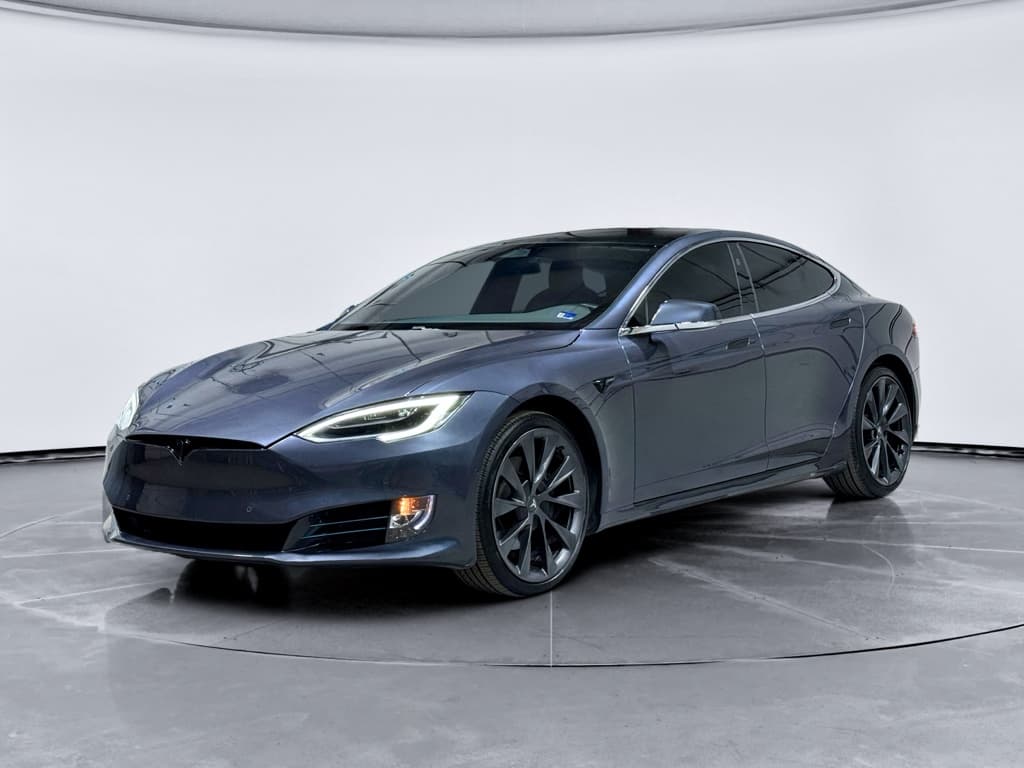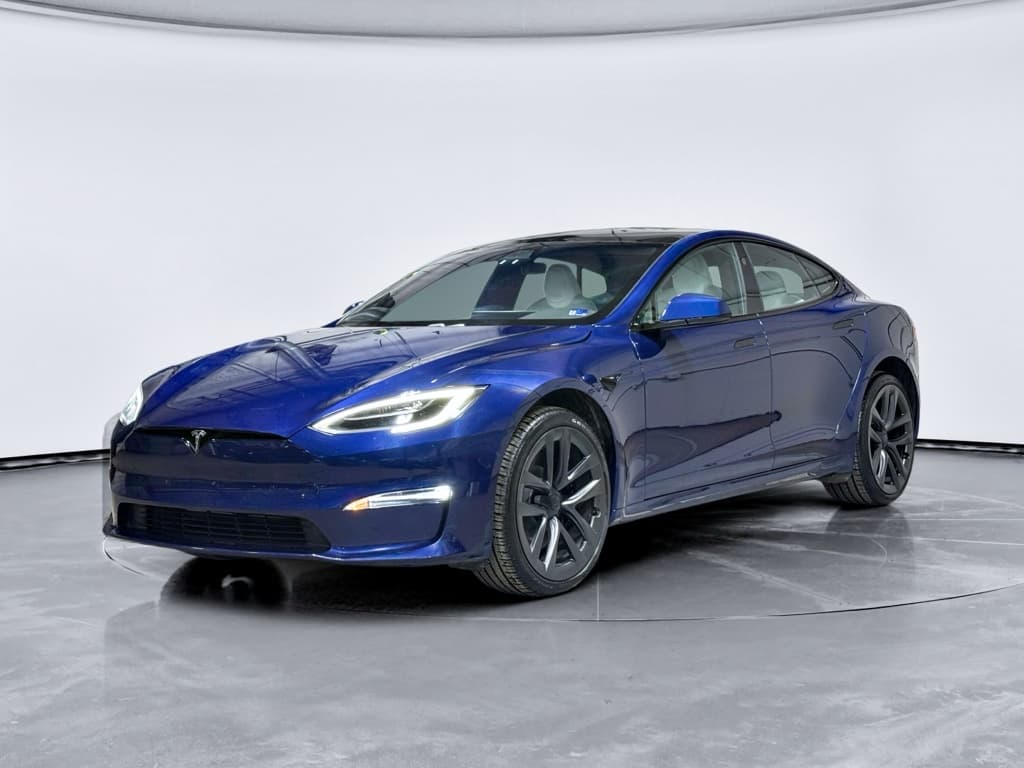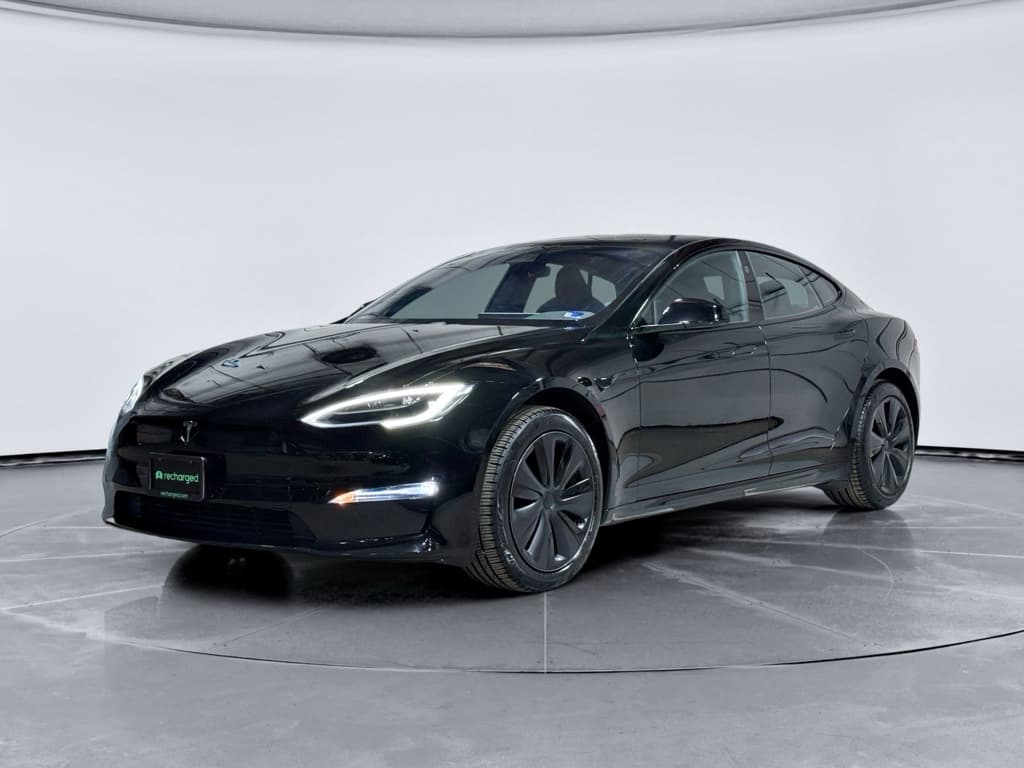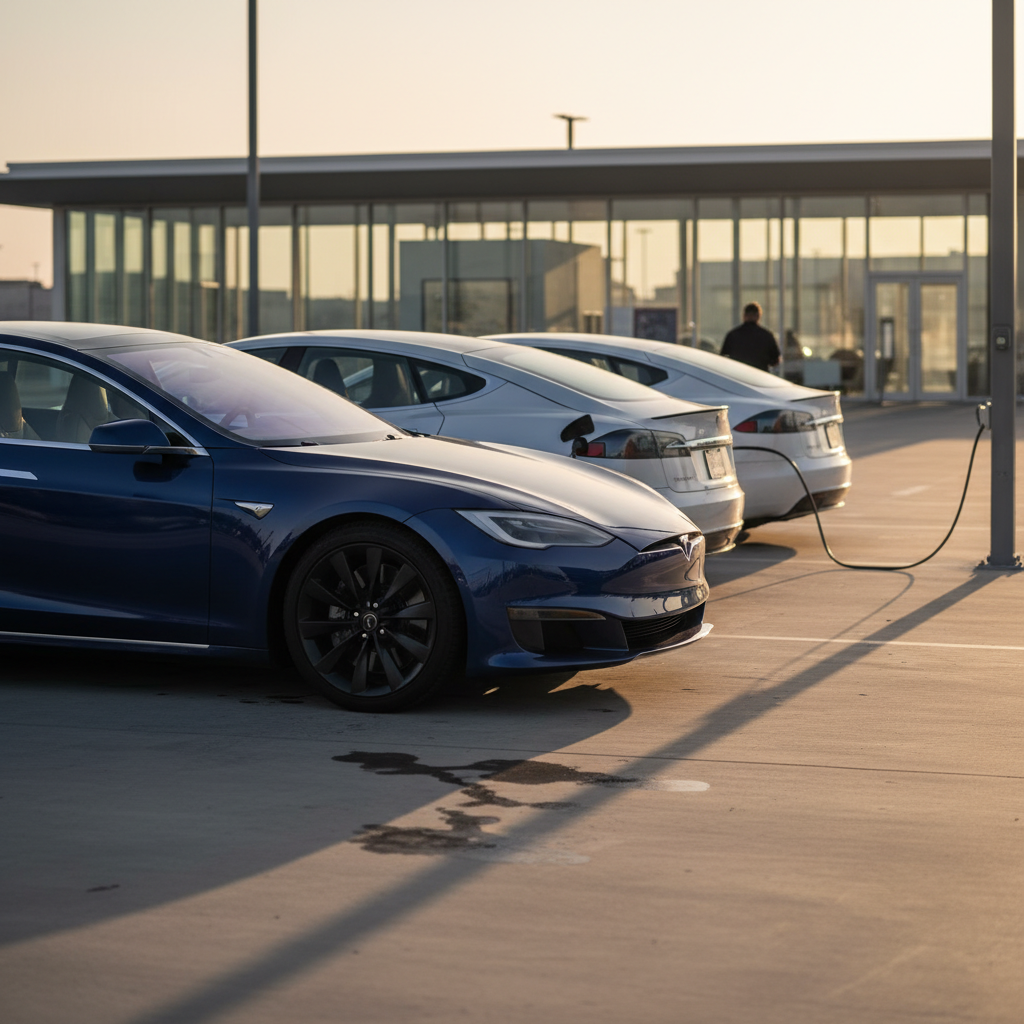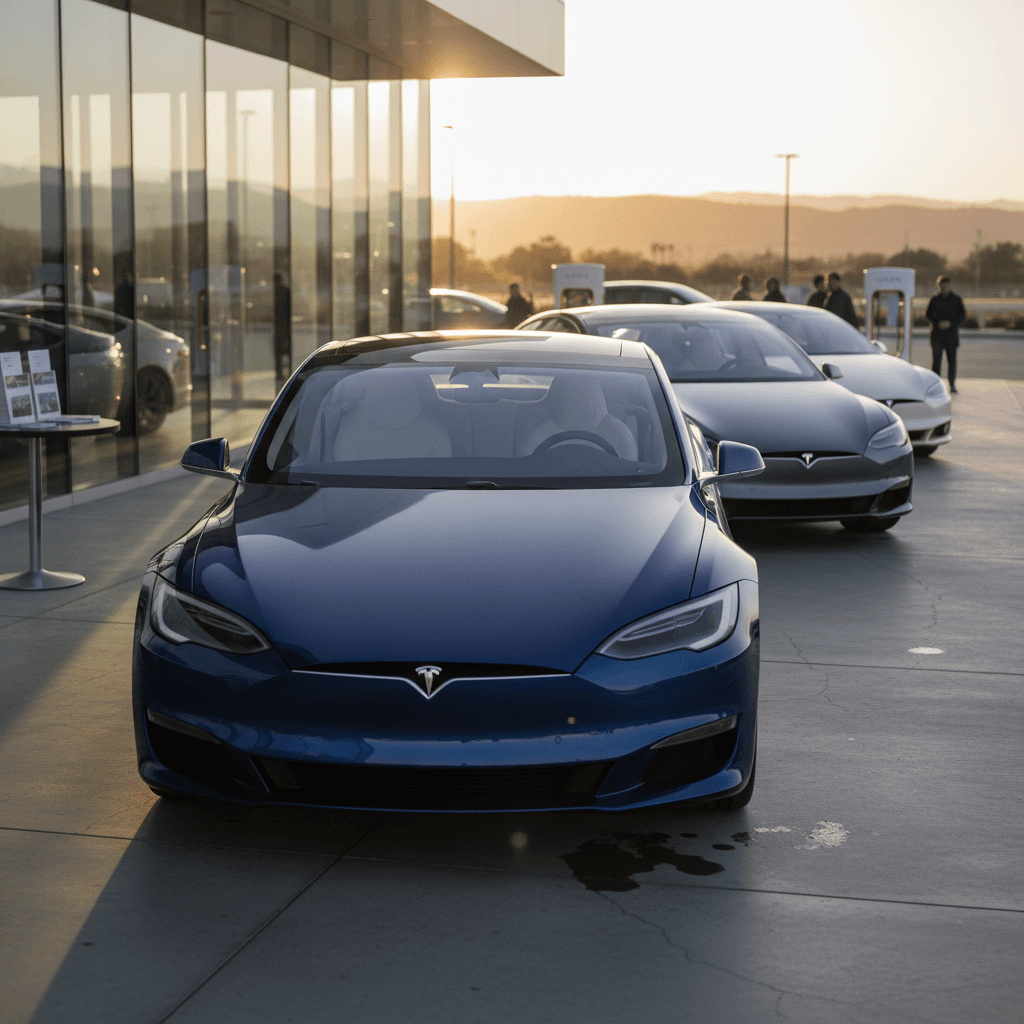
The 2025 Tesla Model S is a strange kind of new car. On paper it’s still one of the quickest, longest‑range EVs on sale. In reality, production is ending, the tech is no longer cutting‑edge, and the used market is where the real story is. If you’re eyeing a 2025 Model S, new or nearly new, this buying guide will walk you through trims, pricing, battery health, and the traps to avoid.
Model S is now officially discontinued
Should you still buy a 2025 Tesla Model S in 2026?
Who the 2025 Model S is great for
- High‑mileage drivers who want a true 300–400 mile highway EV.
- Buyers who value brutal straight‑line performance over cushy luxury.
- Existing Tesla owners who already like the ecosystem and Supercharger network.
- Shoppers comfortable buying lightly used or CPO instead of ordering new.
Who should probably skip it
- Drivers who want the latest safety tech and interior design, German luxury EVs have passed it there.
- Anyone expecting traditional dealer support and easy local service.
- Buyers who are anxious about long‑term battery life but don’t have access to trustworthy diagnostics.
- Shoppers who’d be just as happy in a cheaper Model 3, Model Y, or non‑Tesla rival.
How Recharged can de‑risk a 2025 Model S
2025 Tesla Model S at a glance
2025 Model S quick stats
2025 Tesla Model S core specs
Approximate specs for U.S. market 2024–2025 cars. Final‑year 2025 updates were minor; think of 2025 as a continuation of the 2021–2024 "Palladium" refresh.
| Spec | Long Range (Dual Motor) | Plaid (Tri‑Motor) |
|---|---|---|
| Drivetrain | Dual‑motor AWD | Tri‑motor AWD |
| Power | ~670 hp equivalent | ~1,020 hp equivalent |
| Battery (usable) | ≈95–100 kWh | ≈95–100 kWh |
| 0–60 mph | ≈3.1 sec | ≈2.0 sec (with rollout) |
| Top speed | ~130–149 mph (depending on software) | ~175–200 mph with Track Package |
| EPA range (19" wheels) | ≈375–400 mi | ≈350–360 mi |
| Max DC fast‑charge rate | Up to 250 kW | Up to 250 kW |
| Onboard AC charger | Up to 11.5 kW (48A) | Up to 11.5 kW (48A) |
Always confirm exact specs against the window sticker or Tesla build sheet for the car you’re considering.
Trims, power, and performance
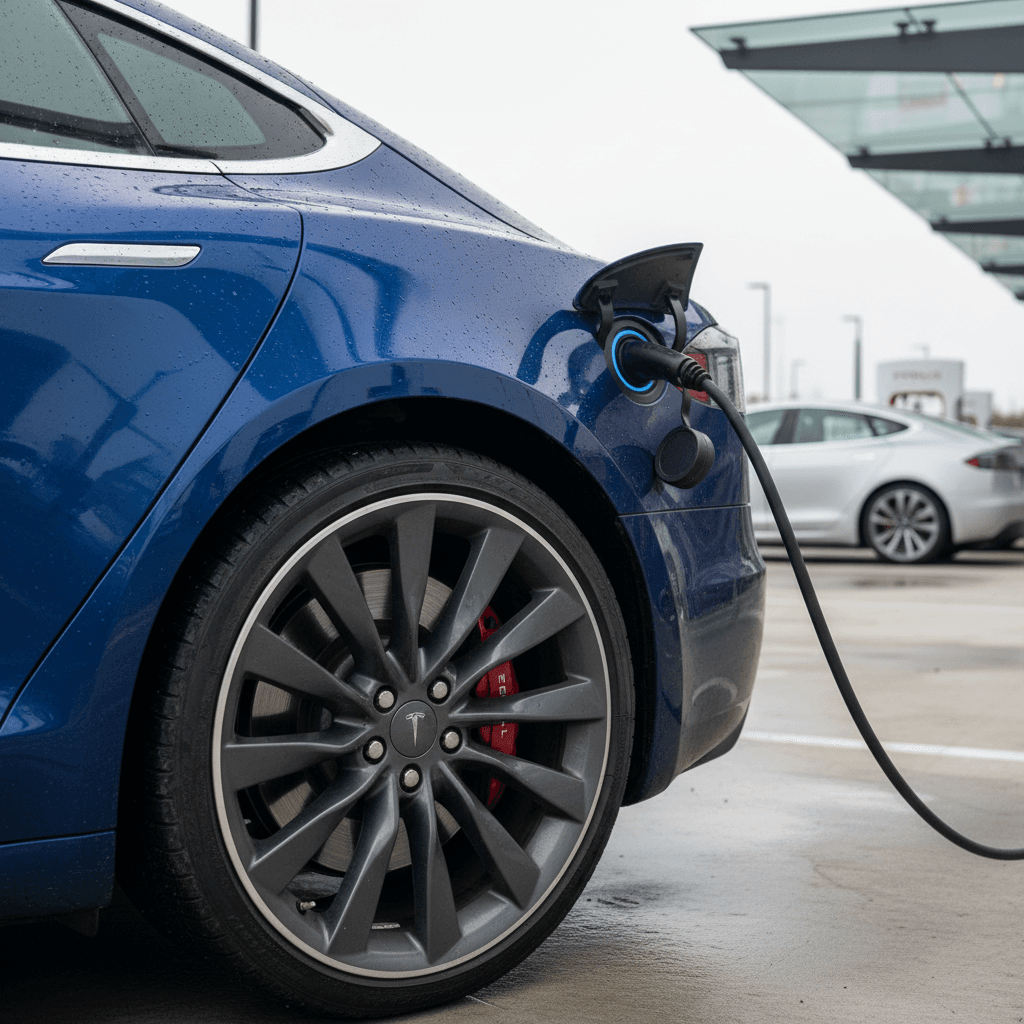
For 2025, the Model S lineup is refreshingly simple: Long Range and Plaid. Both use a big ~100 kWh battery pack and all‑wheel drive; the question is how much performance you actually want, and are willing to pay for.
2025 Model S trims compared
Two flavors of fast, with very different personalities and price tags.
Model S Long Range
- Dual‑motor AWD with roughly 670 hp.
- 0–60 mph in about 3.1 seconds, think super‑sedan quick.
- Best choice if you care about range over theatrics.
- 19‑inch wheels deliver smoother ride and maximum efficiency.
Model S Plaid
- Tri‑motor AWD with around 1,020 hp.
- 0–60 mph near 2.0 seconds with rollout; still insane on the street.
- Heavier focus on straight‑line performance than track stamina.
- Optional Track Package unlocks higher top speed and hardware tweaks.
Don’t overbuy Plaid just for bragging rights
Range, charging, and real-world ownership
Tesla’s numbers for the 2025 Model S echo the 2024 cars: headline EPA range north of 375 miles in the most efficient configuration, and a Plaid variant that still clears the 350‑mile bar on 19‑inch wheels. In the real world, that translates to roughly 250–320 miles of highway driving at 70–75 mph with a comfortable buffer, depending on wheel size, weather, and how heavy your right foot is.
- On 19‑inch wheels, expect the Long Range to be one of the most efficient big EV sedans you can buy.
- 21‑inch wheels look phenomenal but typically knock 20–30 miles off usable range and add road noise.
- DC fast charging peaks around 250 kW on V3 Superchargers with a warm battery and low state of charge.
- A properly working pack can recharge from ~10% to ~80% in roughly 25–30 minutes under ideal conditions.
- Home charging on a 48A Level 2 circuit will add about 30–35 miles of range per hour of charging.
Supercharger access for Model S owners
Interior tech and driving experience
Inside, the 2025 Model S largely carries over the 2021 "Palladium" interior: a 17‑inch landscape touchscreen, minimalist dash, optional yoke, and an airy, almost austere cabin. It feels more Silicon Valley dev conference than German luxury hotel. Whether that’s appealing is a matter of taste.
What the Model S nails
- Software experience is smooth, fast, and updated over‑the‑air.
- The rear hatch and fold‑flat seats make it far more practical than most sedans.
- Rear seat space is decent, especially legroom, though not limo‑like.
- Audio system is strong, and the rear screen keeps passengers entertained.
Where it feels dated
- Material quality and noise insulation lag behind BMW i5, EQE, and Taycan.
- Most controls live in the screen; if you hate touch‑everything interfaces, beware.
- Autopilot and Full Self‑Driving are still driver‑assist, not autonomy.
- The lack of traditional gauge cluster in front of the driver is polarizing.
Don’t buy the hype about "self‑driving"
Pricing: what a 2025 Model S actually costs
By late 2025, Tesla nudged Model S pricing up again even as volumes shrank, and by early 2026 the car had effectively become a low‑volume halo product. On the used market, that scarcity has translated into surprisingly firm pricing, especially for low‑mileage Plaid cars.
Typical pricing bands in early 2026 (U.S.)
Approximate transaction ranges for lightly used 2025 Model S examples with clean history. Actual prices vary by region, mileage, options, and battery condition.
| Configuration | Mileage | Expected Price Range | Notes |
|---|---|---|---|
| Long Range, 19" wheels | <10,000 mi | $62,000–$72,000 | Low‑mile cars with Autopilot and popular colors sit at the top of the range. |
| Long Range, 21" wheels | 10,000–25,000 mi | $55,000–$65,000 | Wheel + tire wear and slightly lower range pull values down slightly. |
| Plaid, 19" wheels | <10,000 mi | $80,000–$95,000 | Track Package and rare colors command a premium. |
| Plaid, 21" wheels | 10,000–30,000 mi | $72,000–$85,000 | Tire wear, road rash, and brake condition matter a lot here. |
Use this as directional guidance, always compare against current listings and a condition‑adjusted battery report like the Recharged Score.
Where Recharged fits on price
Ready to find your next EV?
Browse VehiclesNew vs. used: how to think about a 2025 Model S
Because Tesla has stopped taking custom orders and is winding down inventory, the idea of a "new" 2025 Model S is largely academic. What you’re really choosing between is a late‑build 2024–2025 car with delivery miles and a lightly used example with some real‑world history. The calculus is different than with a conventional sedan.
Questions to ask yourself
1. How long do you plan to keep the car?
If you’re a 3‑year owner, a gently used 2025 Long Range may drop less in value than a brand‑new Plaid. If you’re planning 8–10 years, battery health and warranty remaining matter more than whether it had 500 or 5,000 miles on day one.
2. Can you access high‑quality battery diagnostics?
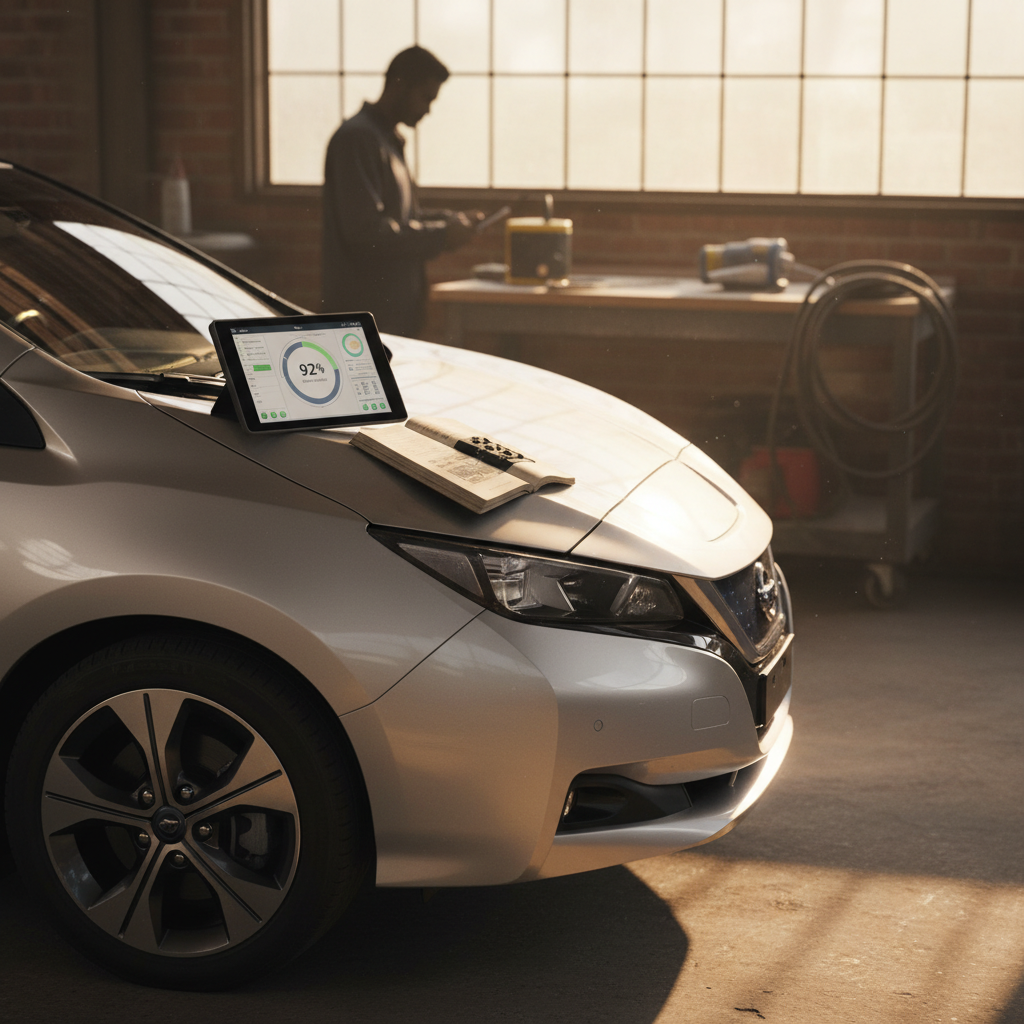
Buying used without objective battery data is rolling the dice. A Recharged Score or equivalent pack test can turn a mystery into a known quantity.
3. How price‑sensitive are you?
The last new Model S cars often carried eye‑watering MSRPs. The used market can save you five figures, if you’re patient and disciplined about condition.
4. Do you need the Plaid’s extra power?
If you’re not hitting drag strips or hunting supercars on the freeway, a Long Range with good tires will already feel outrageously quick.
5. Are you okay owning a discontinued model?
Software support and service will stick around, but you’re buying a car Tesla has publicly moved on from. Some buyers love that; others prefer the center of the product roadmap.
Battery health and degradation: what to watch
Under the skin, a 2025 Tesla Model S still uses Tesla’s proven large‑format pack architecture. Historically, these packs lose a small chunk of capacity in the first 1–2 years, then taper to a slower, nearly straight‑line decline. How the previous owner treated the battery matters as much as the model year printed on the registration.
Key risk factors for a used 2025 Model S battery
What accelerates degradation, and what doesn’t matter as much as people think.
Chronic high‑state storage
Aggressive DC fast charging
Extreme temperature swings
What a good battery report should include
Tesla’s own battery and drive unit warranty on recent Model S cars typically runs 8 years with a 150,000‑mile cap and a minimum capacity retention guarantee (often around 70%). On a 2025 car, that means meaningful coverage deep into the 2030s. Still, you want to know where in its life curve the pack sits today, not just that it’s technically "within spec."
Inspection checklist before you buy
Think of the 2025 Model S as a used high‑performance luxury car that happens to be electric. You’re not only checking for panel gaps; you’re checking for the invisible signs of abuse, launches, curbs, electrons flown at it at 250 kW.
Essential 2025 Model S pre‑purchase checklist
1. Pull a battery health / Recharged Score report
Confirm current usable capacity, estimated range at 100%, charge‑rate behavior, and DC fast‑charge history. Walk away from cars with unexplained rapid degradation or throttled fast‑charge speeds.
2. Inspect wheels, tires, and brakes closely
Plaid cars on 21‑inch wheels chew through rubber. Look for uneven wear, sidewall damage, and rotor lip or warping from repeated hard stops.
3. Test drive on imperfect pavement
Listen for clunks from suspension arms, rattles in the interior, and wind noise around the frameless doors. A quiet, tight car at 70 mph is worth paying for.
4. Verify driver‑assist and infotainment features
Check that Autopilot/FSD hardware and software versions match the listing, that all cameras function, and that the center display is responsive and free of ghost touches.
5. Check charging behavior in person if possible
If you can, plug into a Level 2 or Supercharger and watch how quickly the car ramps up power and whether it holds a normal curve. Sudden drop‑offs can hint at pack or thermal‑management issues.
6. Review service history and recalls
Look for documentation of any suspension, steering, or HV system work, and confirm that any open recalls or service campaigns have been addressed.
Alternatives to consider
The 2025 Model S is still compelling, but it no longer lives on an empty mountain road by itself. If you’re shopping it, you owe it to yourself to at least cross‑shop a few key rivals, some of which may offer fresher tech or better value as Tesla steps away from the flagship sedan space.
Key alternatives to the 2025 Tesla Model S
Other EVs worth considering if you’re in Model S territory on budget and expectations.
| Model | What it does better | Where Model S still wins |
|---|---|---|
| Lucid Air | Ultra‑long range in some trims; very spacious, airy cabin; luxury‑leaning ride. | Tesla’s Supercharger access, software polish, and stronger performance‑per‑dollar in many used deals. |
| Porsche Taycan | World‑class steering and ride; real sports‑sedan handling; high‑quality interior. | Model S typically beats it on straight‑line speed and range for the money. |
| BMW i5 / i7 | Conventional luxury ambiance, superb seats, strong dealer network. | Tesla offers simpler powertrain lineup, better DC fast‑charge network, often lower used prices. |
| Tesla Model 3 Performance / Model Y Performance | Cheaper to buy and run, easier to park, newer in Tesla’s lineup. | Model S gives you true flagship performance, hatchback practicality, and more long‑distance comfort. |
Range and performance figures are ballpark and will vary by exact configuration.
Shopping beyond Tesla?
FAQ: 2025 Tesla Model S buying guide
Frequently asked questions about buying a 2025 Tesla Model S
Bottom line: is the 2025 Model S worth it?
The 2025 Tesla Model S is both an ending and a beginning. It’s the last chapter of the car that dragged the luxury sedan, kicking and screaming, into the electric age, and the first chapter of its life as a used‑market icon. If you value brutal acceleration, long‑distance range, and the convenience of Tesla’s charging network more than leather‑lined opulence, a well‑chosen 2025 Model S can still be a spectacular daily driver.
The key is picking selectively. Prioritize battery health over paint color, range and comfort over peak acceleration, and documented service history over the cheapest asking price. Work with an EV‑specialist retailer like Recharged that can show you a Recharged Score battery report, fair‑market pricing, and expert guidance from first click to final delivery. Do that, and owning one of the last Model S sedans won’t feel like buying into the past, it’ll feel like you grabbed a future classic just as the curtain fell.