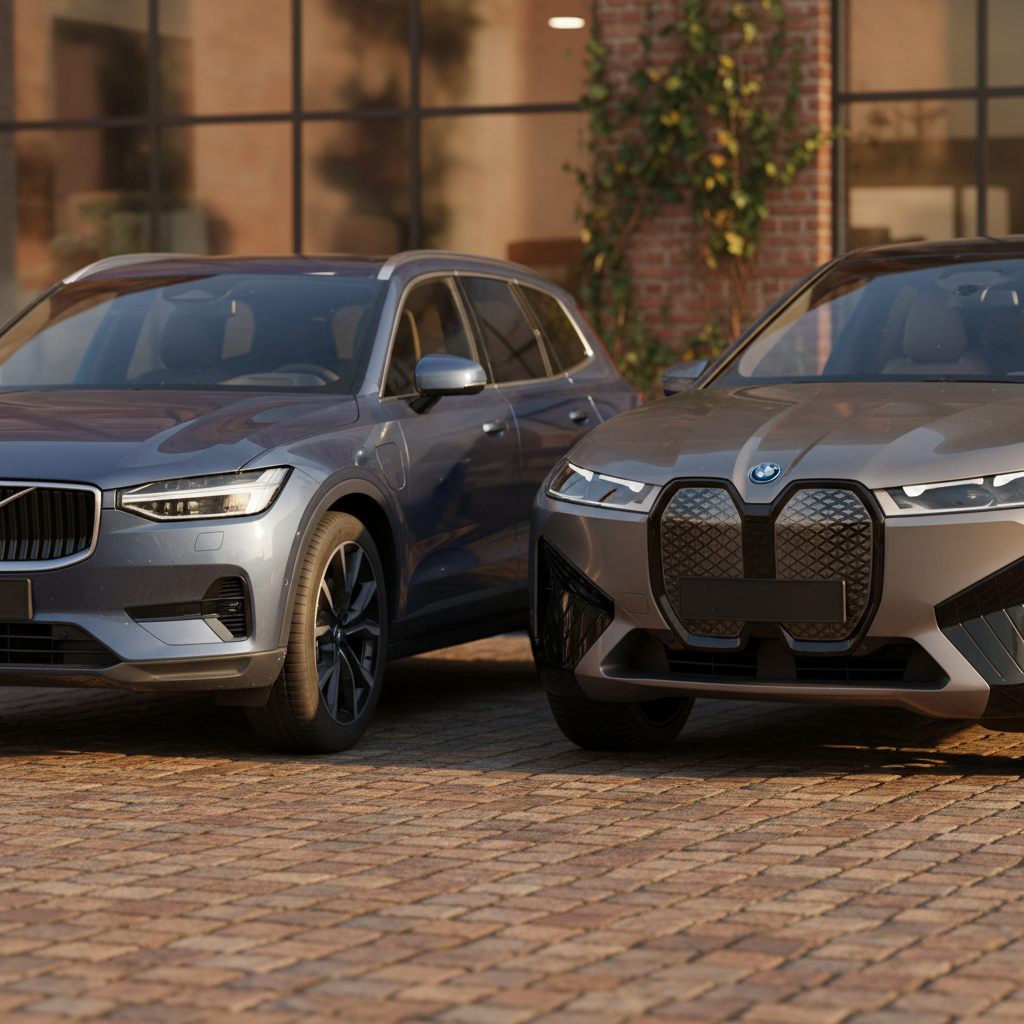
If you’re eyeing a sleek roof box or bike rack for your Audi e-tron GT, the fine print suddenly matters. The official Audi e-tron GT roof rack weight limit is 75 kg (165 lb) of total roof load while driving. That number is easy to quote, but much harder to respect once you start bolting on bars, bikes and boxes.
The headline number
Audi e-tron GT roof rack weight limit: the short answer
Audi’s own technical data sheets for the e-tron GT list a roof load weight of 75 kg. Independent spec sites and genuine Audi accessories like the 250 L roof box and OEM crossbars echo the same ceiling: maximum permissible load 75 kg, including bars and luggage. In other words, if everything on the roof adds up to more than 75 kg, you’re out of bounds.
- Official e-tron GT roof load: 75 kg / 165 lb dynamic load while driving
- Limit applies to all factory-approved roof accessories (Audi bars, Audi box, Audi bike/ski carriers)
- Most Thule and other aftermarket systems for the e-tron GT are also capped at 75 kg because the car is the limiting factor, not the bar itself
- Some configurations (like the optional full carbon-fiber CFRP roof in certain markets) may not allow any roof carrier system at all
CFRP roof? Different rules
If you bought your e-tron GT used and you’re not sure which roof you have, don’t guess. Check the build sheet, the owner’s manual, or ask an Audi dealer to decode the VIN before you bolt anything up top.
Roof load vs roof rack rating: what actually limits you
Here’s where things get confusing: the roof rack hardware and the car body often have different ratings. A Thule WingBar system might advertise a 100 kg limit on some vehicles, while the e-tron GT body is only approved for 75 kg. The safe answer is brutally simple: you must obey the lowest number in the chain.
Dynamic load (what Audi cares about)
Dynamic load is the maximum total roof load while the car is moving. The 75 kg figure Audi quotes for the e-tron GT is a dynamic limit, meant to keep the roof structure, fixpoints and handling within their comfort zone under braking, cornering and bumps.
Static load (parked at camp)
Static load is the weight the roof structure can support when the car is stationary. Static capacity is typically 3–4 times higher than dynamic, but manufacturers rarely publish a number and they don’t want to underwrite your rooftop camping experiments with a super‑low, sleek EV coupe.
Never exceed the vehicle’s rating
Key weight numbers for the Audi e-tron GT
How to calculate a safe load for your e-tron GT roof rack
The crucial mistake owners make is treating the 75 kg Audi e-tron GT roof rack weight limit as cargo only. In reality, the math has to include everything that isn’t originally welded to the body. Here’s how to do it properly.
Step-by-step: staying under the 75 kg limit
1. Find your official roof load rating
Open your owner’s manual to the weights section and confirm the <strong>roof load weight</strong> (usually 75 kg for metal-roof e-tron GTs). Don’t rely on generic e-tron or Q8 e-tron numbers, they’re different vehicles.
2. Weigh or look up your crossbars
Audi OEM bars and Thule kits for the e-tron GT typically weigh in the <strong>5–7 kg</strong> range. The bar kit weight counts against your 75 kg total, so write that number down.
3. Add attachment weight
Bike trays, ski racks, kayak saddles or a roof box all have their own weight. A compact Audi roof box is roughly <strong>15 kg empty</strong>; some Thule boxes and multi‑bike trays are heavier. Add that to your running total.
4. Estimate cargo weight honestly
Now add what you actually want to carry: skis, boards, bikes, luggage. Be realistic, an average modern e‑bike with rack or fenders can push <strong>20–25 kg</strong> by itself, and a loaded 250 L box can easily add 30–40 kg.
5. Check the grand total
Crossbars + attachments + cargo should end up at <strong>70 kg or less</strong>, leaving a little margin under the 75 kg cap. If you’re pushing into the high 60s, strip out anything you don’t truly need on the roof.
6. Don’t forget overall payload
The e-tron GT has a payload in the 500 kg neighborhood, which has to cover <strong>passengers, luggage and roof load</strong>. If you’re fully packed for a road trip with four adults, you’re stacking constraints, pack smart and keep heavier items low, in the trunk.
A simple rule of thumb
Factory bars, Thule kits and aftermarket racks on the e-tron GT
The Audi e-tron GT sits low and wide, with a fastback roof and discreet fixed mounting points, not the obvious canvas for a giant Yakima menagerie. The aftermarket has nonetheless stepped in, but you need to know how their ratings interact with Audi’s own limits.
Common roof rack options for the Audi e-tron GT
Factory or aftermarket, the car’s 75 kg limit is still the boss
Audi OEM crossbars
Genuine Audi bars sold through dealers in markets like New Zealand, Australia and the US are designed specifically for the e-tron GT and RS e-tron GT.
- Mount to factory fixpoints
- Optimized for wind noise and fit
- System explicitly notes 75 kg total roof load
Thule WingBar Evo kits
Thule offers model-specific fitting kits for the e-tron GT with maximum loads often higher in their generic literature.
- Aluminum aero bars with rubber T-slot
- Some kits list 75 kg when matched to e-tron GT
- If Thule says 100 kg but Audi says 75 kg, 75 kg wins
Other aftermarket bars
Various European and online brands will happily sell you crossbars "for e-tron GT".
- Always check for fixpoint compatibility
- Confirm they do not clamp glass or CFRP panels
- Ignore any rating above 75 kg; the body is the constraint
Beware of universal fit claims
Can you run a rooftop tent on an Audi e-tron GT?
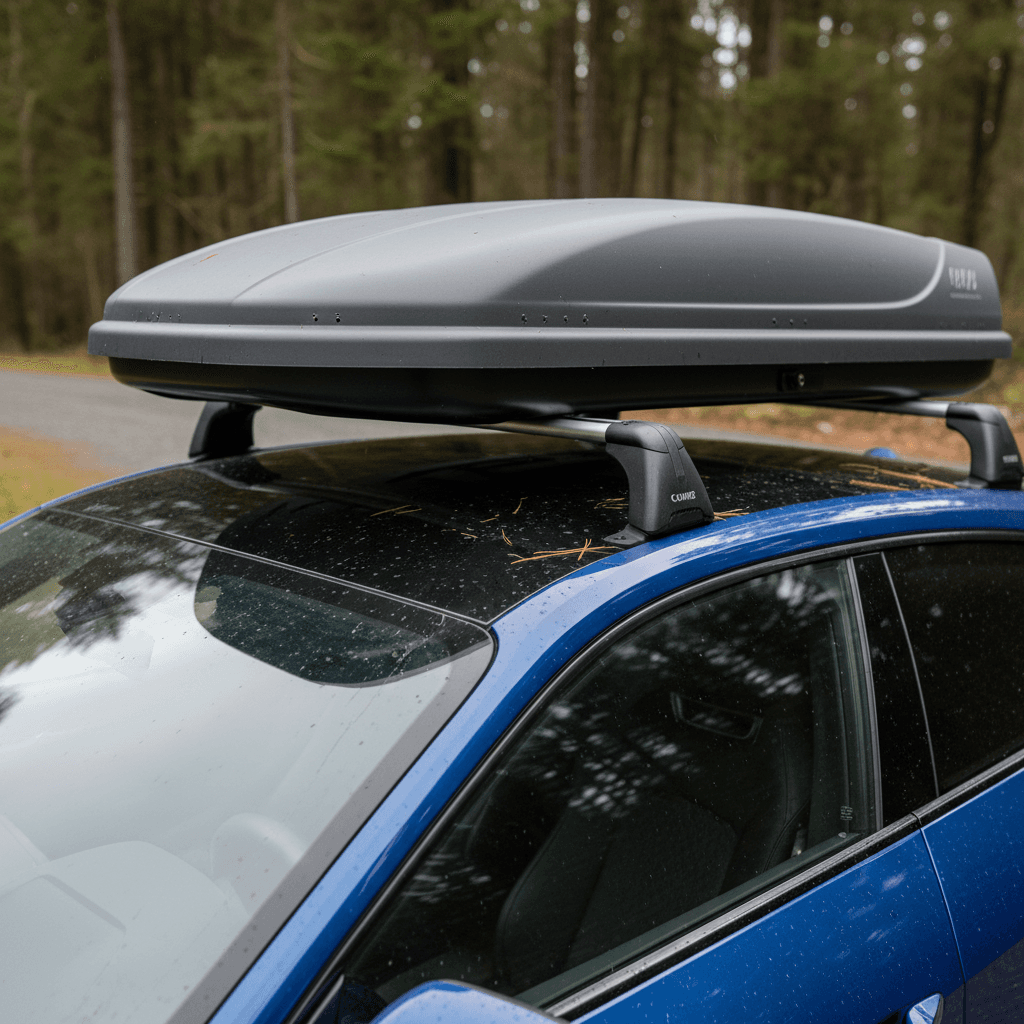
This is the question camping forums love and lawyers hate. Technically, the e-tron GT’s 75 kg dynamic roof limit doesn’t leave much room once you factor in a typical hard‑shell tent (60–75 kg), plus crossbars (5–7 kg) and mounting hardware. You’ve blown through the limit before a single human clambers up the ladder.
Why rooftop tents are a bad match
- Most quality RTTs weigh 60–75 kg empty
- Add bars and brackets and you’ve exceeded 75 kg just parked in your driveway
- The GT’s sleek, low roof isn’t designed for tall, high-CG loads
- Wind noise and aero drag will destroy your range figures
What about static load?
It’s true that roofs can support more weight when the car is parked, often 3–4× the dynamic rating. But Audi doesn’t rate the e-tron GT for rooftop tents, and accessory makers are cagey about endorsing them on low coupes with glass or CFRP panels.
If something fails while you’re asleep, you’ve invented an unsafe amusement park ride.
The practical answer: don’t
How roof loads affect range, noise and handling
The e-tron GT is a big‑battery, big‑motor car that can still be caught flat‑footed by physics. Put a big, blunt box on the roof and you’ve essentially strapped a parachute to a grand tourer that lives and dies by its drag coefficient.
What happens when you load the roof of an e-tron GT
It’s not just about whether the roof will hold
Range hit
Even a modest roof box can slice 10–20% off highway range at US interstate speeds. Add crosswinds, big wheels and winter rubber and you’re suddenly searching for chargers a lot sooner than the WLTP brochure suggested.
Wind noise
The GT is eerily quiet in stock form. Roof bars and boxes inject a steady whoosh or whistle right at ear level, especially above 65 mph. Good aero bars help, but can’t make the problem disappear.
Handling and stability
75 kg on the roof is like seating an extra passenger on the roof rails. Turn‑in feels lazier, body motions get magnified, and emergency maneuvers become marginally more dramatic. Respect reduced margins and increase your following distance.
Pack light up high, heavy down low
Buying a used Audi e-tron GT: roof racks, battery health and value
If you’re shopping for a used e-tron GT, the roof rack question is really part of a larger story: how has this particular car been used? A grand tourer that’s spent its winters hauling ski gear at 80 mph, loaded to the rafters, tells a different story than a city commuter that’s never worn crossbars.
Roof and rack checks when buying a used e-tron GT
1. Inspect the roof skin and fixpoints
Look closely around the roof mounting points for <strong>dents, distorted metal, or cracked trim</strong>. Over‑torqued clamps and overloaded racks can leave subtle but telling marks.
2. Ask about rooftop tents and heavy loads
It’s a slightly awkward question, but it matters. If the previous owner ran a rooftop tent or overloaded box, you’ll want a careful inspection, and maybe a price that reflects that use.
3. Confirm CFRP vs metal roof
If the car has the optional exposed carbon roof in your market, double‑check in the manual whether any roof racks are allowed. Many CFRP‑roof cars are <strong>not approved</strong> for carriers at all.
4. Look for water ingress
Improperly fitted racks can disturb seals. Sniff for musty odors, lift the trunk floor, and feel headliner edges for dampness, especially if you see evidence of prior rack use.
5. Check charging kit and range behavior
Roof loads and highway speeds drive consumption up. Ask the seller about real‑world range on long trips, what charging equipment they used, and whether they frequently fast‑charged with a loaded roof.
How Recharged helps used e-tron GT buyers
Ready to find your next EV?
Browse VehiclesAudi e-tron GT roof rack weight limit: FAQ
Frequently asked questions
Key takeaways
The Audi e-tron GT will happily wear a discreet set of crossbars and a compact box or a couple of bikes, provided you respect the 75 kg roof rack weight limit and the broader physics of a fast, low EV. Keep cargo itself to roughly 50–55 kg, let the rest of the allowance cover bars and mounts, and put the heavy, dense stuff in the trunk where it belongs.
If you’re in the market for a used e-tron GT, or deciding whether this is the right EV for your gear-heavy lifestyle, it pays to zoom out. Roof capacity is just one line item next to battery health, charging habits and long‑term running costs. Recharged exists to make that bigger picture easy to see, combining verified battery diagnostics, transparent pricing and EV‑savvy support so you end up with the car (and cargo setup) that actually fits the way you live.