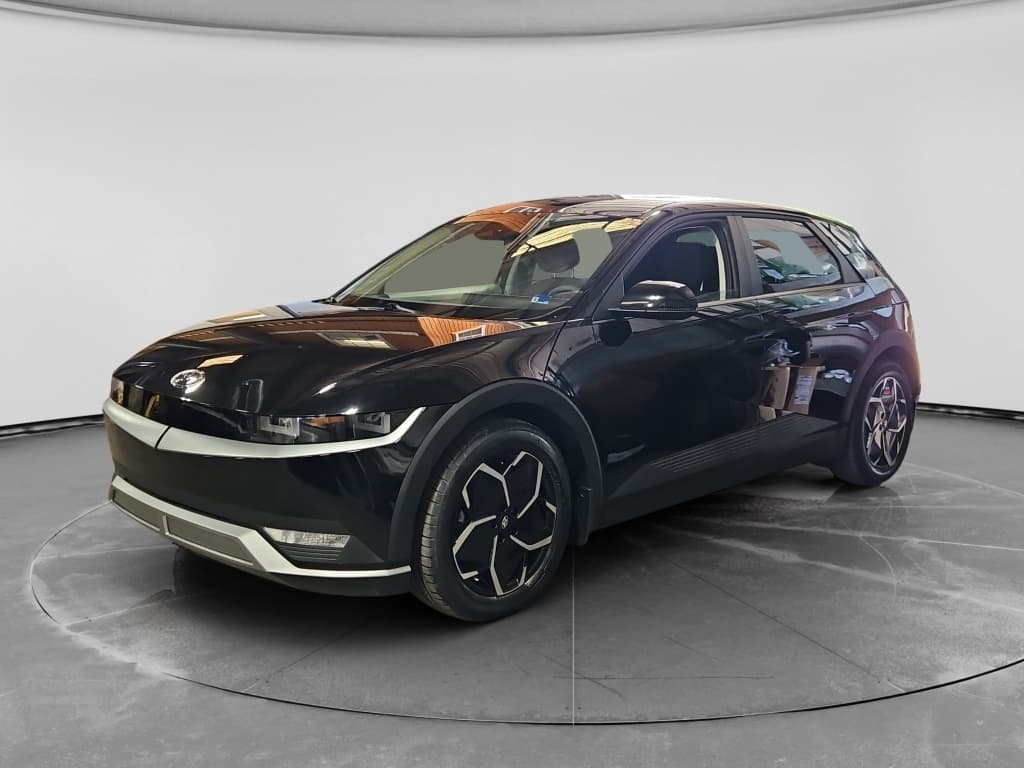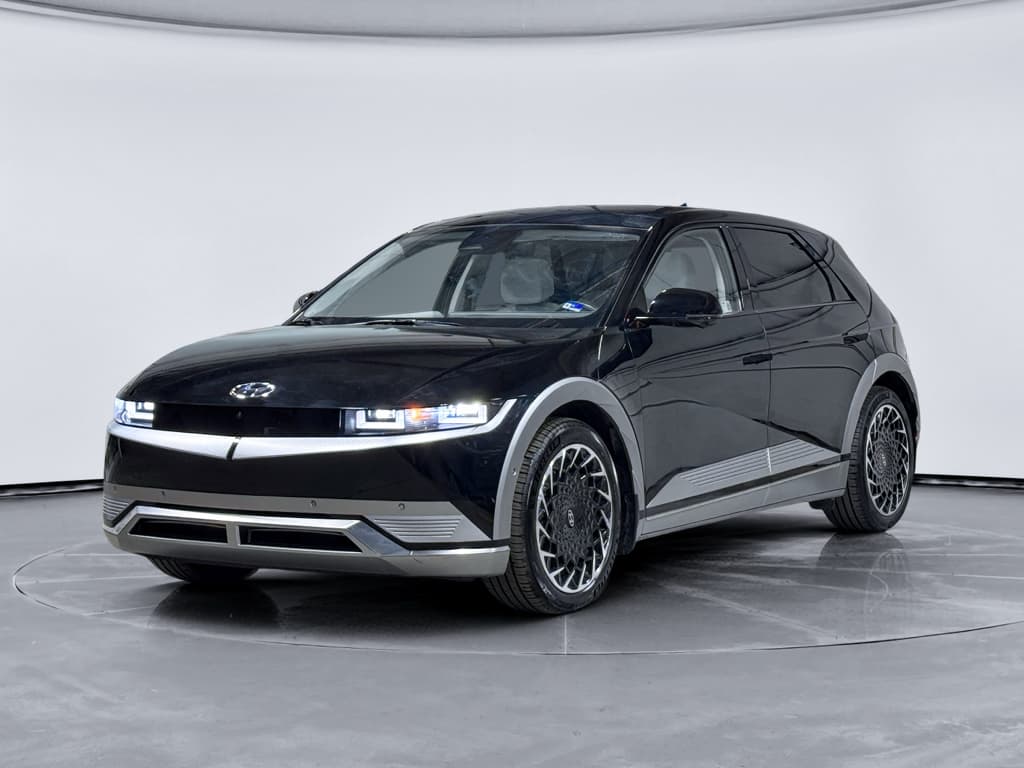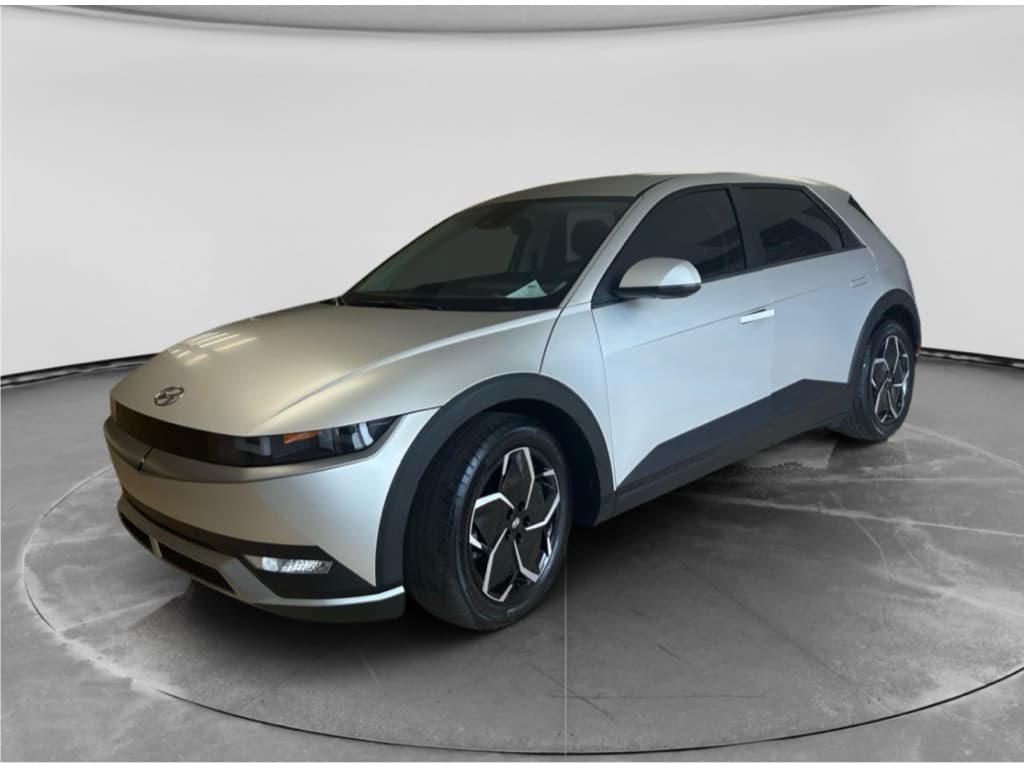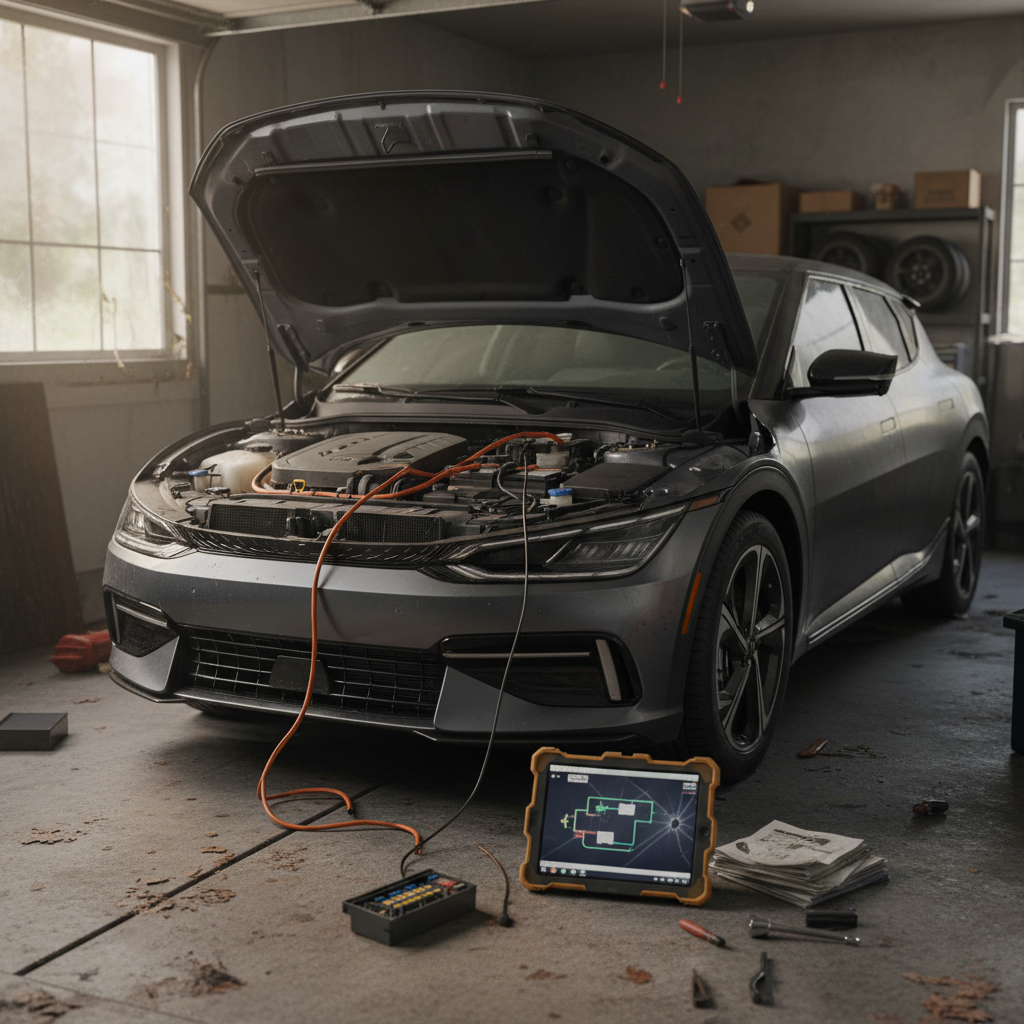
If you like the retro-futuristic styling and ultra-fast charging of the Hyundai IONIQ 5 but don’t love new-EV prices, a used model can be a smart play. Thanks to heavy depreciation on early EVs, the right used Hyundai IONIQ 5 can deliver a lot of range and tech for the money, as long as you pick the right model year and know what to check.
In this guide
Why the Hyundai IONIQ 5 makes sense as a used buy
The IONIQ 5 launched for the 2022 model year and quickly became one of the most talked‑about EVs on the road. It rides on an 800‑volt architecture, which means DC fast‑charging times that rival Tesla, with the larger battery able to go from around 10% to 80% in roughly 18 minutes under ideal conditions. Range is competitive too, with long‑range rear‑wheel‑drive trims rated around 300 miles when new.
On the used market, though, the IONIQ 5 has depreciated harder than many gas SUVs. Some analyses peg early 2022 models as having lost more than half their value already, largely due to broader EV price pressure and incentives on new models rather than any single fatal flaw with the car itself. For used buyers, that’s an opportunity, as long as you stay inside warranty windows and avoid problem builds.
The catch: early‑year issues
Quick answer: the best used Hyundai IONIQ 5 years
Best used Hyundai IONIQ 5 years at a glance
If you just want the short list, here’s how most used‑market shoppers should prioritize IONIQ 5 model years right now:
- Best overall: 2024–2025 IONIQ 5 – You get the benefit of Hyundai’s running hardware and software improvements, larger battery options, and fewer early‑build headaches, while still capturing meaningful savings versus new, especially as incentives and aggressive pricing on 2026 models push values down.
- Best value: 2023 IONIQ 5 – Many of the early bugs have been ironed out, and three‑year‑old EVs tend to sit in a sweet spot where depreciation has already taken a bite, but most of the 5‑year/60,000‑mile new‑vehicle warranty and the full 8‑year battery warranty remain.
- High‑risk/high‑reward: late‑build 2022 IONIQ 5 – Deepest discounts, but 2022 is also the noisiest year for complaints and service campaigns. Only worth it if you can verify software updates, charging hardware fixes, and battery health with hard data, exactly what a Recharged Score report is designed to show.
Bottom line
Model year breakdown: 2022–2025 Hyundai IONIQ 5
Key differences by model year
How 2022–2025 IONIQ 5 models compare for used buyers
2022 IONIQ 5 (launch year)
Why consider it: Lowest prices, full 800‑volt fast‑charging capability, the same eye‑catching design and roomy interior as newer years.
- Introduced both 58.0‑kWh and 77.4‑kWh batteries.
- RWD long‑range trims rated around 303 miles new; AWD trims lower.
- Plenty of features even on SE/SEL, especially with tech packages.
Drawbacks: Higher rate of owner complaints about charging and ICCU failures, more software glitches, and it’s simply the oldest hardware in the pool. Treat 2022 as a case‑by‑case decision, not an automatic yes.
2023 IONIQ 5
Why consider it: Generally fewer growing‑pain issues, plus running updates and software improvements over 2022 models.
- Same core powertrains and battery sizes as 2022.
- Many cars have already received early software and charging‑system campaigns at the dealer.
- Good chance of remaining bumper‑to‑bumper warranty plus most of the battery warranty.
Drawbacks: Still shares platform‑level issues like potential ICCU failures and some recall campaigns, so service history matters.
2024 IONIQ 5
Why consider it: By this point Hyundai has a couple of years of real‑world data, and software/charging behavior is generally more predictable.
- Same fast‑charging capability, with real‑world DC sessions from roughly 10%–80% often under half an hour when the station cooperates.
- Interior and driver‑assist tech feel current, not "early EV".
- Higher original MSRP but hit by heavy EV depreciation, making slightly used 2024s compelling.
Drawbacks: You’ll typically pay thousands more than a 2022 or 2023; some warranty coverage term has still already been used.
2025 IONIQ 5
Why consider it: The newest used examples will often be off‑lease or low‑mileage, sometimes discounted heavily as 2026 models hit showrooms and incentives shift.
- Battery capacity grows to around 84.0 kWh on select trims, improving range on paper.
- Latest driver‑assist and software suite; some models are better prepared for NACS/adapter charging transitions.
- Maximum remaining warranty coverage, both comprehensive and battery, simply because of age.
Drawbacks: Smaller discount gap versus new, especially if local dealers are still pushing aggressive financing on brand‑new 2026s.
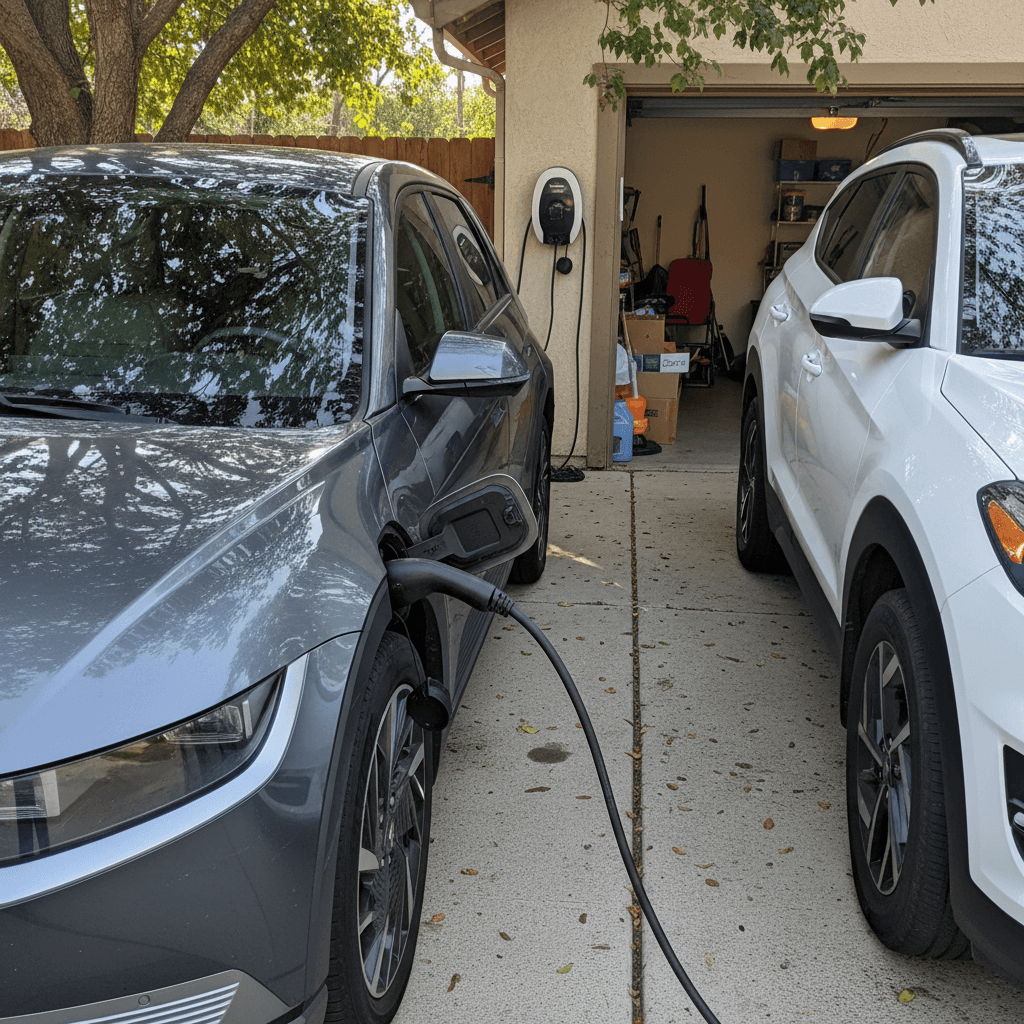
Battery health and charging: what really matters on a used IONIQ 5
On any used EV, the pack and the charging system are the story. The IONIQ 5’s large battery and 800‑volt charging are major selling points, but they also mean you want proof that everything still works as advertised.
- Battery size & range: The standard‑range pack (around 58 kWh) is fine for city duty, but most used‑market shoppers prefer the larger ~77–84 kWh packs for their longer range and better road‑trip flexibility.
- Degradation expectations: Early owner reports suggest modest degradation in the first few years when the car is treated reasonably, frequent DC fast charging and high‑heat storage can accelerate wear, just as with any EV.
- Charging speed: A healthy IONIQ 5 should still be capable of very rapid DC charging on compatible stations, easily outpacing many rival EVs of the same age. If DC sessions feel unusually slow, that’s a red flag worth investigating.
- Charging hardware/software: Hyundai has issued software campaigns aimed at interrupted Level 2 sessions and other charging quirks. You’ll want documentation that these have been completed.
Why a battery health report matters more than ever
Common issues, recalls, and what to look for on a test drive
No EV is perfect, and the IONIQ 5 has had its share of growing pains. The key, as a used buyer, is to separate isolated incidents from patterns and to make sure recall and service campaign work has been done.
Frequent IONIQ 5 complaints and what they mean for used buyers
Not every car will see these issues, but you should ask targeted questions and inspect for symptoms.
| Area | What owners report | Why it matters used | What you should do |
|---|---|---|---|
| Charging / ICCU | Some owners report ICCU failures that lead to slow charging, tripped breakers, or the car entering limp mode. | If unresolved, this can leave you stranded and indicate stress on the high‑voltage system. | Confirm all recall and service campaign work; test both Level 2 and (if possible) DC fast charging before you buy. |
| Software / screens | Glitches with infotainment, navigation, or brief display blackouts, especially on newer model‑year recall campaigns. | Inconvenient at best, safety‑relevant at worst if critical driver info disappears. | Check for the latest software updates and recall fixes. During the test drive, cycle through menus and watch for freezing or reboots. |
| HVAC & heat pump | Occasional reports of heat pump or HVAC performance issues, especially in very cold climates. | Poor cabin heat impacts comfort and can reduce range in winter. | Test HVAC thoroughly, heat, A/C, defrost, on the test drive. Ask how the car has behaved in past winters. |
| Suspension & noises | Some owners note clunks or creaks over bumps as mileage climbs. | Usually not catastrophic, but can hint at worn components or previous accident damage. | Drive on a variety of roads and speeds; listen for noises over rough pavement and while turning tightly in a parking lot. |
| Brakes & regen | Occasional complaints about inconsistent pedal feel or transition between regen and friction braking. | Annoying day‑to‑day and potentially unnerving in panic stops. | On your drive, do a series of smooth and firm stops to feel for odd transitions or pulsing. |
Use this as a pre‑test‑drive briefing sheet so you know what to watch for.
Don’t ignore open recalls
Pricing, depreciation, and value sweet spots
From a value perspective, the IONIQ 5 is a classic "bad news, good news" story. The bad news, if you bought new, is that it has depreciated faster than most Hyundai crossovers, with some analyses putting early 2022 examples around 50% or more below their original MSRP in just a few years. The good news, if you’re shopping used, is that you can now buy a very modern EV for compact‑SUV money.
Where the best used IONIQ 5 value tends to live
General patterns we’re seeing in the used market (exact numbers vary by region and condition).
3–4 years old (2022–2023)
These cars have taken the initial depreciation hit, and many are coming off lease or early finance terms.
- Often the lowest price per mile of remaining battery warranty.
- Plenty of selection in mainstream SE/SEL trims.
- Great candidates if you’re budget‑sensitive but still want long‑range packs.
1–2 years old (2024–2025)
Still relatively new but discounted by early EV price pressure and newer model‑year incentives.
- Ideal if you want the latest hardware with meaningful savings.
- Best choice for long‑term keepers who plan to drive the car well past payoff.
High‑trim vs base models
Top‑trim Limited AWD models lose more absolute dollars than base SEs but can be bargains used.
- If features like ventilated seats or a head‑up display matter to you, used Limited trims often cost only a bit more than mid‑trims.
- Just be aware that more equipment can mean more long‑term repair risk out of warranty.
Smart way to use depreciation
How to choose the right used IONIQ 5 for your needs
Daily commuter & family duty
If your driving is mostly school runs, errands, and a modest commute, you don’t need the most expensive trim in the lineup.
- Prioritize range over power: long‑range RWD SE or SEL trims are usually enough.
- Look for comfort and safety features: heated seats, adaptive cruise, and blind‑spot monitoring make a bigger difference than 0–60 time.
- Make sure your home charging setup, Level 1 or 2, has been tested with the car and doesn’t trip breakers or throw errors.
Road‑trippers & performance shoppers
If you plan frequent highway runs or simply like brisk acceleration, you’ll want more from your IONIQ 5.
- Consider long‑range AWD trims for better traction and punch, understanding you’ll trade some range.
- Pay close attention to DC fast‑charge behavior in real‑world tests, this is where the IONIQ 5 shines when everything is healthy.
- If you’re eyeing an IONIQ 5 N or other sporty variants, budget extra for performance tires and potential brake work down the road.
Feature priorities that matter most on a used IONIQ 5
1. Battery size and drivetrain
Decide up front whether you truly need AWD or if longer range from RWD fits your lifestyle better. In many climates, a good set of all‑season or winter tires on RWD beats the range hit of AWD.
2. Charging flexibility
If you rely heavily on public DC fast charging, prioritize a car with a clean fast‑charge history and recent software. If you mostly charge at home, verify that Level 2 charging is stable and doesn’t exhibit the breaker‑tripping behavior some owners have reported before software fixes.
3. Driver‑assist and safety tech
Most IONIQ 5s are well‑equipped, but things like Highway Drive Assist, surround‑view cameras, and front parking sensors can make daily life much easier, especially in cities.
4. Interior wear and build quality
EVs hide miles well because there’s no engine noise or vibration. Look closely at seat bolsters, steering wheel, center console, and door panels for wear that matches the odometer reading.
5. Warranty position
Ask for the original in‑service date and calculate how much of the 5‑year/60,000‑mile comprehensive warranty and 8‑year/100,000‑mile battery warranty remain. A slightly newer car with more warranty coverage can be worth a higher asking price.
Pre-purchase inspection checklist for a used IONIQ 5
Whether you’re buying from a neighbor or an online marketplace, you’ll want a structured way to evaluate the car. Use this checklist as a starting point, and don’t be afraid to walk away if something doesn’t add up.
Used Hyundai IONIQ 5 inspection checklist
Exterior and history
Walk around the car and check for mismatched paint, panel gaps, or overspray that can indicate previous bodywork. Ask for a vehicle history report and look for records of accidents, floods, or lemon buybacks.
Battery and charging verification
If possible, review a <strong>battery health report</strong> such as the Recharged Score. Then, plug into a Level 2 charger and confirm a stable session. Listen for unusual clicking or relay noises, and monitor how quickly charge percentage climbs.
Software, screens, and controls
Cycle the infotainment system, digital gauge cluster, HVAC controls, and driver‑assist buttons. You’re looking for smooth operation, no freezing, random reboots, or dead pixels. Confirm that all recall‑related software updates have been completed.
On‑road behavior
During the test drive, check for wind noise, rattles, or clunks over bumps. Feel for smooth acceleration and predictable regen braking. Try highway speeds to make sure the steering and lane‑keep systems behave as expected.
Charging network fit
Think about where you’ll charge. If you rely on specific DC networks, confirm the IONIQ 5 you’re looking at has the right adapters and any needed software to talk to those stations. Newer years may be better positioned for NACS/adapter transitions.
How Recharged simplifies this step
How Recharged evaluates used IONIQ 5s
Because the IONIQ 5’s value hinges so heavily on its battery and charging system, it’s exactly the kind of EV that benefits from a deeper inspection than a traditional gas SUV. At Recharged, we’ve built our process around answering the questions used buyers actually have.
Inside a Recharged IONIQ 5 evaluation
What happens before a used IONIQ 5 ever hits our marketplace.
Battery & charging diagnostics
We connect to the vehicle to measure usable battery capacity, look for signs of abnormal degradation, and analyze DC fast‑charging history where available. We also test Level 2 and DC charging behavior to catch issues like interrupted sessions or unusual tapering.
Component & software checks
Our technicians review recall and service‑campaign status, confirm software is up to date, and run through a structured mechanical inspection, including suspension, brakes, HVAC, and driver‑assist systems.
Fair‑market pricing & support
We price every IONIQ 5 against current market data, factoring in trim, mileage, battery health, and warranty position. Then our EV specialists are on call to help you compare options, arrange financing, trade‑ins, and nationwide delivery from the comfort of your couch.
Ready to find your next EV?
Browse Vehicles