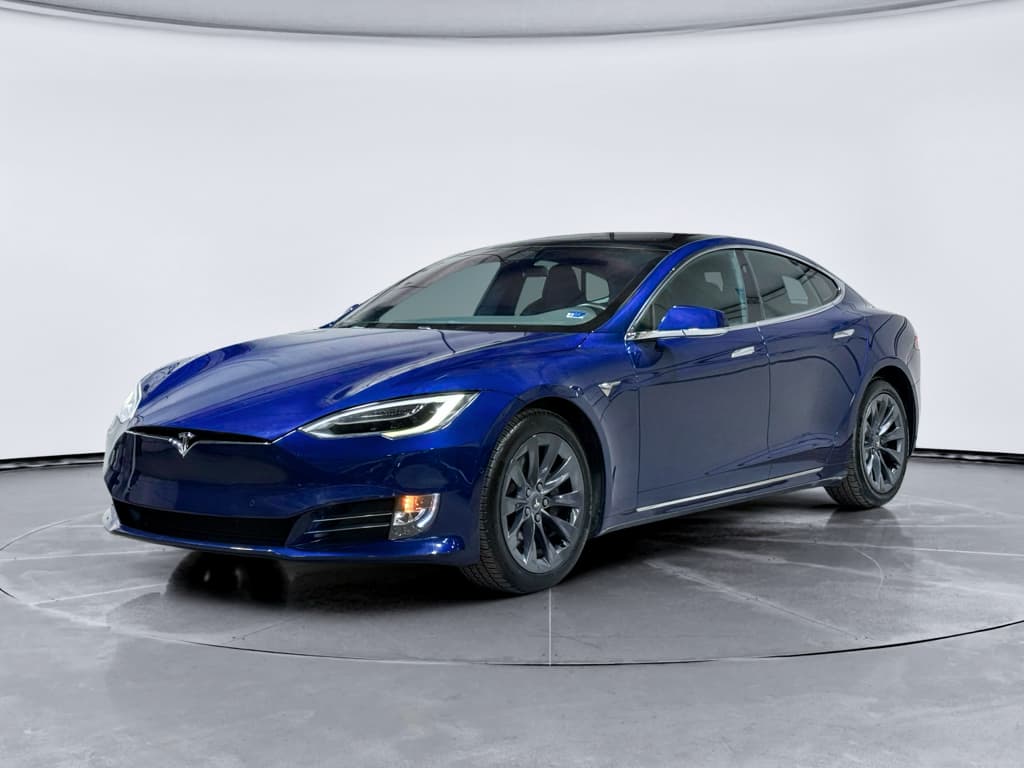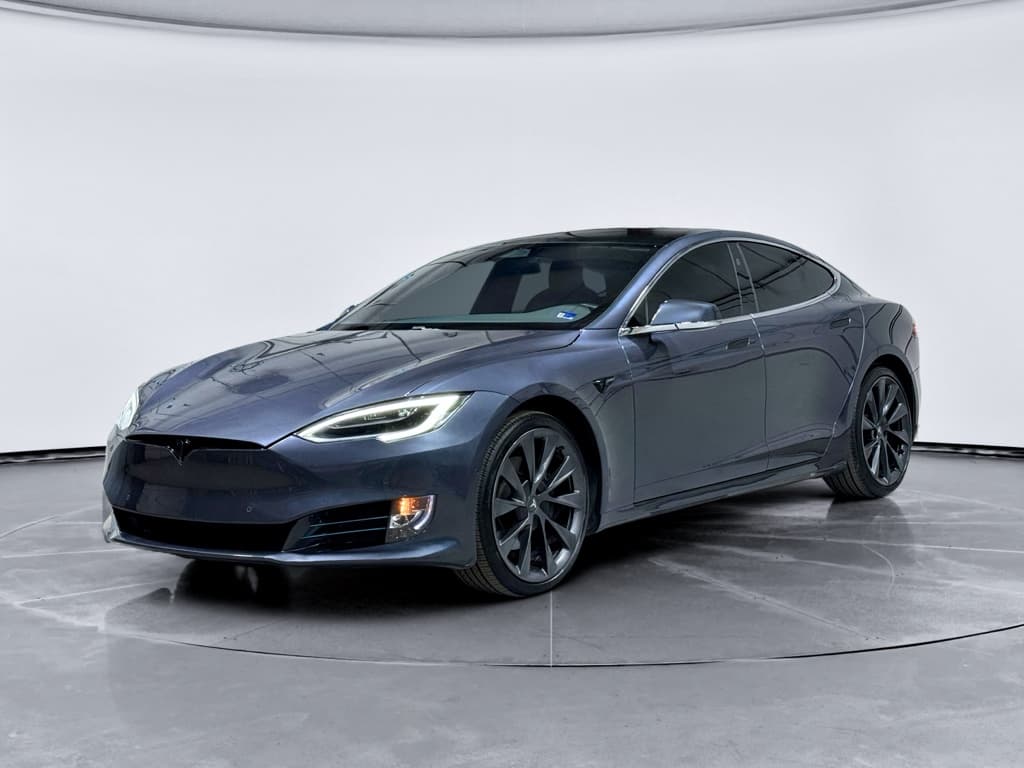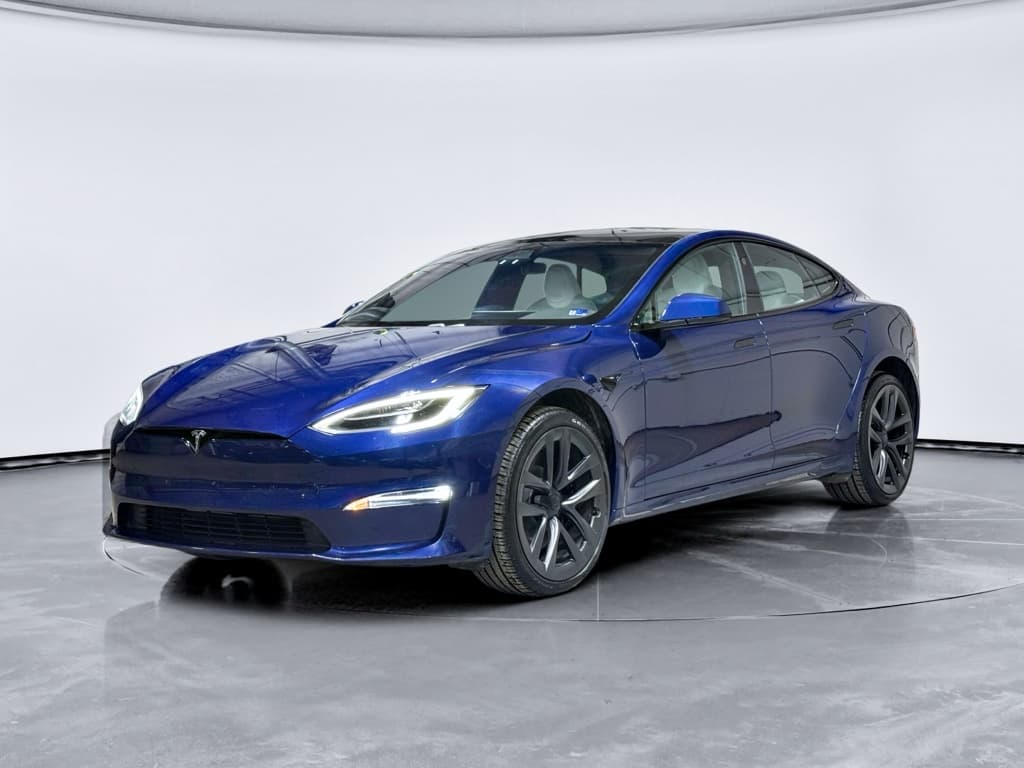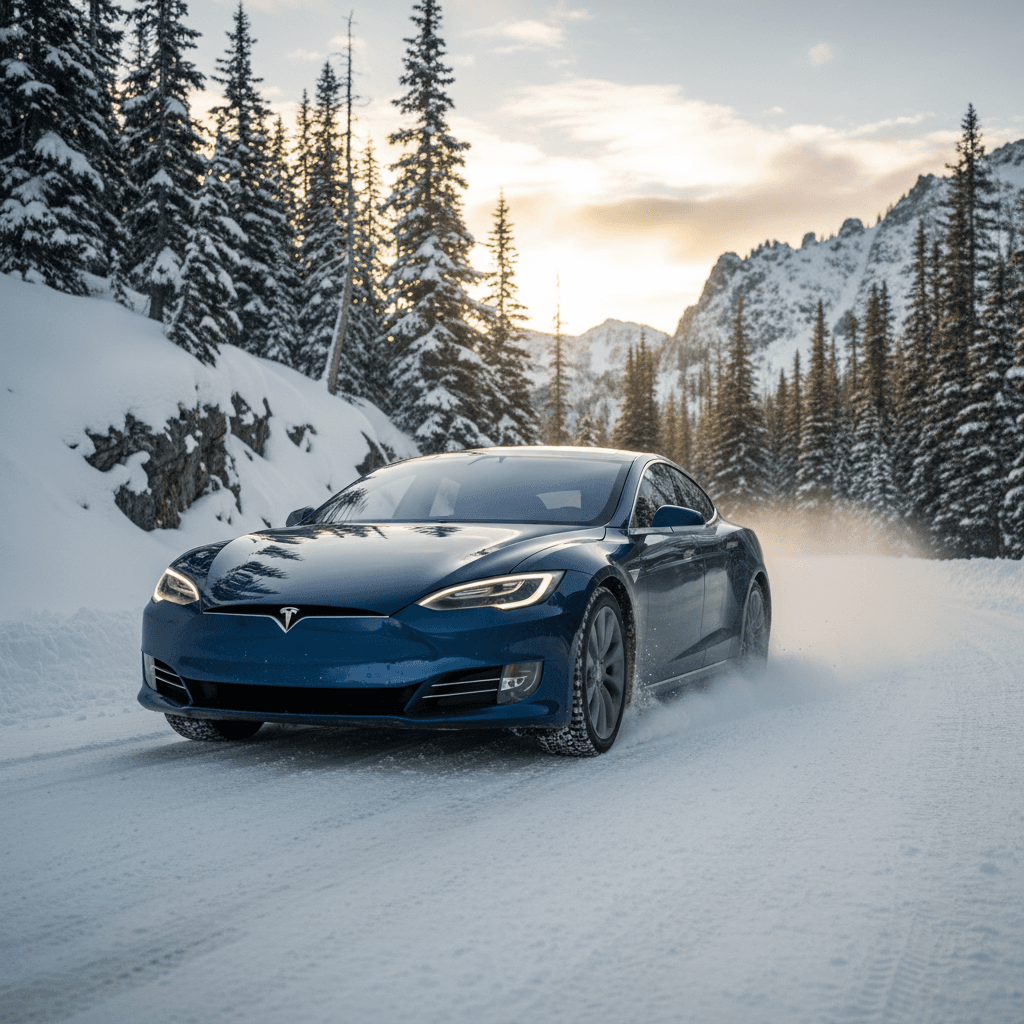
If you live where winter is a season, not a weekend, think Minnesota, upstate New York, Colorado, the question isn’t just whether a Tesla Model S is good in snow and ice. It’s whether it’s good enough to trust on the one morning the plows are late and the grade-school drop-off lane turns into a luge track.
Quick Take
Is the Tesla Model S Good in Snow and Ice?
Electrically, the Model S has the makings of a winter hero: fast-reacting traction control, precise torque vectoring on AWD versions, and the ability to preheat the cabin and battery while still plugged in. Physically, it’s a long, low luxury hatchback with modest ground clearance and a lot of mass. That means it’s great at staying planted on plowed, icy pavement, but not your first choice for bashing through unplowed ruts that come up to the door sills.
- On cleared but slick roads (packed snow, black ice), an AWD Model S on proper winter tires is calm, predictable, and confidence-inspiring.
- In light to moderate snow, it behaves like a heavy European sport sedan, think Audi A6 or BMW 5 Series, with better traction electronics.
- In deep, unplowed snow, the low nose and long wheelbase become liabilities; you run out of clearance before you run out of power.
Biggest Winter Mistake
Tesla Model S Winter Realities at a Glance
Best Tesla Model S Years and Trims for Winter
Not all Model S trims are created equal in winter. Over more than a decade, Tesla has changed motors, batteries, suspensions, and tire fitments. If you’re shopping used, some versions are objectively better suited to snow and ice than others.
Cold-Climate Standouts vs Trims to Avoid
If you drive through real winters, prioritize the right drivetrain and wheel/tire setup.
Best for Snow & Ice
- Dual Motor / Long Range AWD (2015+) – The sweet spot: quick, efficient, and excellent traction with two driven axles.
- Performance / Plaid with smaller wheels – Big power is nice, but the real winter upgrade is dual motors plus 19" wheels with winter tires.
- Cars with Subzero / Cold Weather Package – Heated steering wheel, rear seats, washer nozzles, and wiper defrosters make actual winter living better.
Less Ideal in Harsh Winters
- Early RWD-only Model S (pre-D, 2012–2014) – Manageable with great tires, but traction and stability are limited compared with AWD.
- Cars on 21" summer performance tires – These are basically skis in the snow; plan on a dedicated winter wheel/tire set.
- Lowered/sport-suspension builds – Great for canyon carving, not great for plow berms and deep slush.
Wheel Size Matters
AWD vs RWD: Which Model S Drivetrain Handles Snow Best?
All-Wheel Drive (Dual Motor, Performance, Plaid)
For serious winter duty, AWD Model S is the easy recommendation. With a motor at each axle, the car can shuffle torque front-to-rear faster than you can think about it. Launches on slick pavement feel eerily drama-free; the car simply meters out what the surface can take.
- Better straight-line traction and hill starts.
- More balanced, neutral behavior in emergency maneuvers.
- Superior stability on mixed surfaces, dry patches, slush, and ice in the same lane.
Rear-Wheel Drive (Early Models, Some Later Base Trims)
Can an RWD Model S survive a real winter? Yes, with caveats. A rear-drive car on top-tier winter tires can be perfectly usable in the snow belt, but you’ll feel the limits sooner and need to drive with more mechanical sympathy.
- More likely to spin the rear tires on steep or icy starts.
- Requires gentler throttle and earlier braking in low grip.
- Not ideal for steep, unplowed driveways or rural roads.
Best Bet for Snow States
Ground Clearance, Weight & Handling on Slippery Roads
The Model S weighs roughly 4,500–4,800 pounds depending on year and trim. That’s pickup-truck mass in a low-slung luxury sedan. In winter, this heft is a double-edged snow shovel.
- Pros: The weight, placed low in the chassis thanks to the battery pack, gives the Model S a planted, confident feel on slick but plowed roads. It resists the top-heavy, tippy sensation you get in some crossovers.
- Cons: Once that mass is in motion on ice, it wants to keep going. Good ABS, ESC, and tires are critical; you still can’t bend the laws of physics.
- Ground clearance: Think German sport sedan, not Subaru. The Model S will happily chew through a couple of inches of snow on the road surface, but deep, rutted snow can high-center it or pack into the nose.
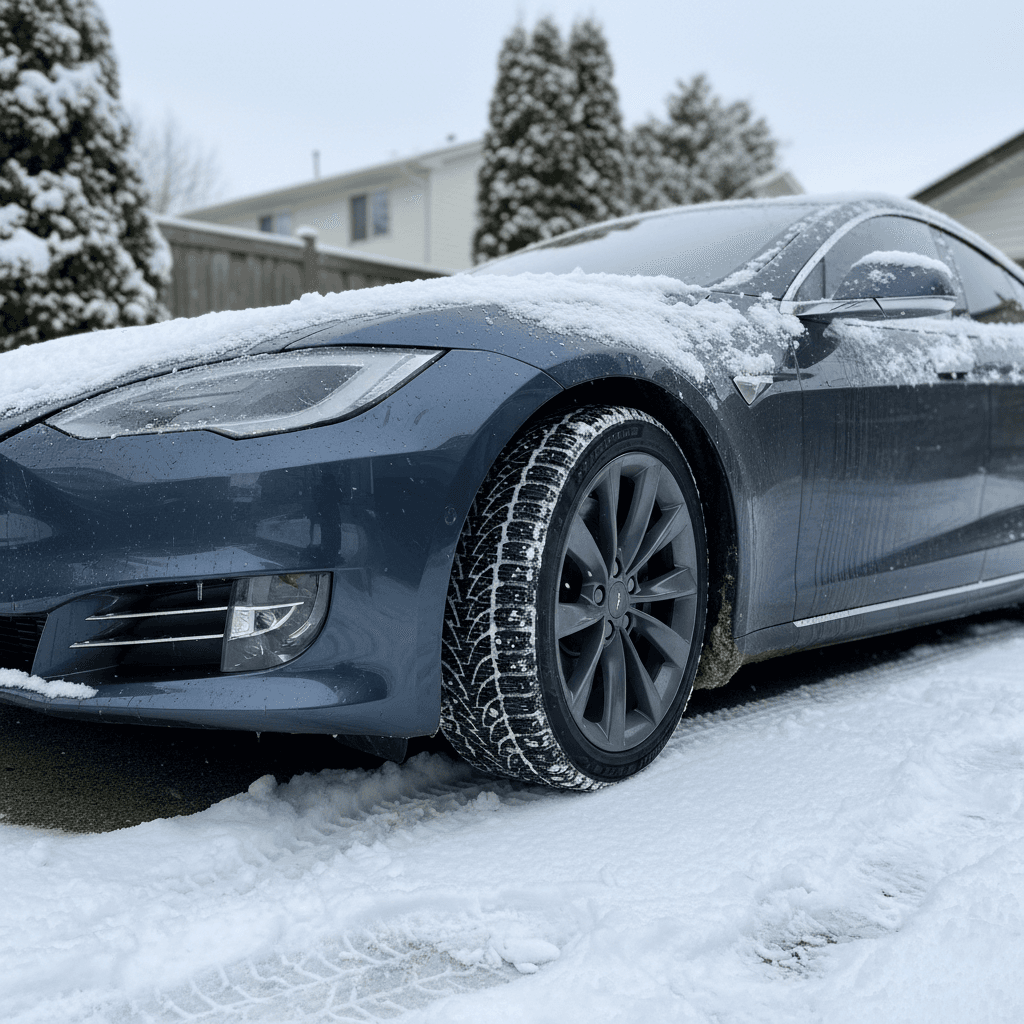
Respect Momentum
Winter Range Loss and Battery Health
Cold is the quiet villain of every EV winter story. Lithium-ion batteries don’t like low temperatures; their internal chemistry slows, and the car diverts energy to warm the pack and cabin. That translates into less usable range in snow and ice, especially on short trips.
What to Expect from Your Model S in the Cold
Range loss is normal; planning makes it manageable.
Range Reduction
Preconditioning
Driving Style
Battery Health vs Winter Wear
Essential Winter Tires and Tesla Settings
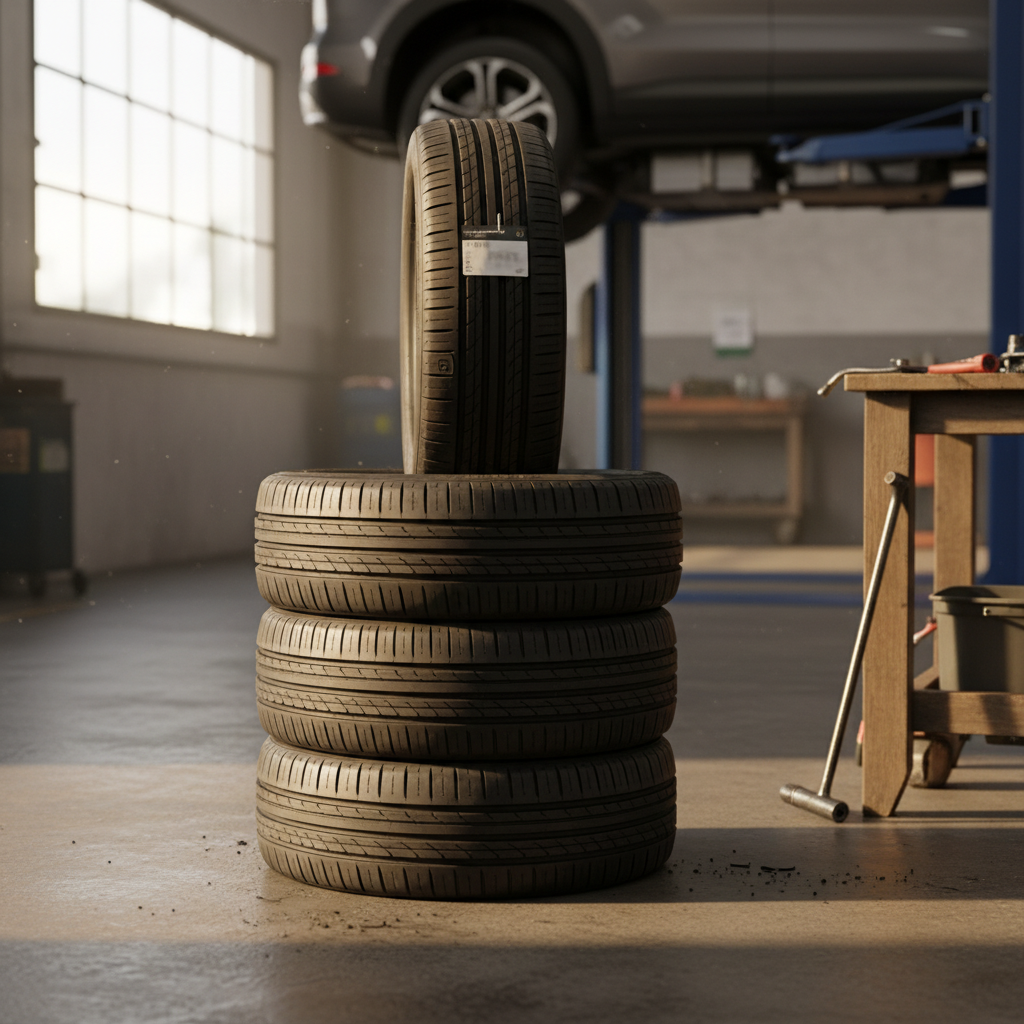
If there’s a single lever you can pull to make a Model S “best for snow and ice,” it’s this: run a dedicated set of quality winter tires and set the car up correctly. The drivetrain hardware is already very good; your job is to give it grip and sane instructions.
Winter-Ready Model S Setup Checklist
1. Invest in True Winter Tires
Look for tires with the <strong>three-peak mountain snowflake (3PMSF)</strong> symbol, not just M+S all-season markings. Mount them on a dedicated 18" or 19" wheel set if possible.
2. Narrower is Usually Better
Within reason, slightly narrower tires cut through snow more effectively than very wide performance rubber. Don’t undersize dangerously, but avoid the widest optional sizes for winter use.
3. Use Tesla’s ‘Chill’ Mode
Enable Chill acceleration for smoother power delivery on slick surfaces. The car will still be brisk, but it reduces the odds of accidentally overwhelming the rear tires mid-corner.
4. Disable Aggressive Regenerative Braking on Ice
On very slick roads, consider setting Regenerative Braking to <strong>Low</strong>. Strong regen can induce unwanted deceleration at the rear axle, effectively engine-braking on ice.
5. Turn On Scheduled Departure
Use Scheduled Departure to precondition the battery and cabin before you leave. This improves efficiency and makes the car toasty from the moment you open the door.
6. Keep Tire Pressures in Check
Cold air drops tire pressure. Check and adjust to the recommended psi on the door jamb when the tires are cold to maintain grip and predictable handling.
Practical Winter Driving Tips for Model S Owners
The Model S has the hardware and software to be an excellent winter partner, but it still answers to the same reality every experienced snow driver knows: smooth is fast, and patience gets you home.
- Plan your charging with margin. In deep winter, don’t run your battery down to single digits; give yourself extra range headroom for detours, headwinds, or unexpected delays.
- Use seat and wheel heaters first. They consume less energy than cranking cabin temperature up 10 degrees, yet feel just as warm in practice.
- Clean sensors and cameras. Snow and slush on Autopilot cameras and ultrasonic sensors can limit driver-assistance features. Don’t assume the car sees what you can’t.
- Carry a basic winter kit. Brush, scraper, gloves, a compact shovel, and a small bag of traction grit can turn a minor stuck into a non-event.
- Know when to turn systems off. If you’re rocking the car gently out of a parking space, extremely sensitive traction control can cut power. Sometimes a tiny bit of wheelspin is your friend, use a light foot rather than brute force.
Use Navigation Even on Familiar Routes
Buying a Used Tesla Model S for Cold Climates
Buying used is where the Model S becomes particularly compelling for winter drivers. You can often get serious long-range, AWD performance for the price of a new mainstream crossover. But winter adds a few extra inspection points beyond the usual cosmetic and mechanical checks.
Cold-Climate Used Model S Checklist
Key questions to ask and what they mean for snow and ice performance.
| Item | What to Ask or Check | Why It Matters in Winter |
|---|---|---|
| Drivetrain | Is it AWD (Dual Motor/Plaid) or RWD? | AWD dramatically improves traction and confidence on snow and ice. |
| Tires & Wheels | What tires and wheel sizes are included? Any winter set? | A second dedicated winter wheel/tire set is a big value add in snow states. |
| Battery Health | What’s the estimated usable capacity vs original? | Lower capacity means less cushion against winter range loss; a quantified report helps you plan. |
| Heated Features | Does it have heated wheel, rear seats, and washer nozzles? | Cold-weather packages make day-to-day winter life much more pleasant. |
| Undercarriage & Corrosion | Any significant rust or damage underneath? | Rust traps and physical damage are more common in salt-belt cars; address early. |
| Charging Habits | Prior owner mostly DC fast-charged or home-charged? | Heavy DC fast-charging in hot climates can accelerate degradation more than a few cold winters. |
Pair these checks with a Recharged Score battery health report for a full picture of winter readiness.
How Recharged Helps
Ready to find your next EV?
Browse VehiclesFAQ: Tesla Model S in Snow and Ice
Frequently Asked Questions
Bottom Line: Is a Tesla Model S the Best Choice for Snow and Ice?
The Tesla Model S is not a snowplow. It is not a lifted trail rig on knobby tires. But as a fast, comfortable, all-electric long-distance car that can handle real winters with grace, it belongs near the top of the list, if you set it up correctly. An AWD Model S on proper winter tires, with smart use of preconditioning and driving modes, is composed and confident on the kinds of cold, slick roads most of us actually drive.
If you’re shopping used, focus less on ludicrous acceleration figures and more on the winter basics: AWD vs RWD, battery health, wheel and tire setup, and cold-weather features. That’s where Recharged can help, pairing detailed Recharged Score battery diagnostics with expert guidance so the car that thrills you in July also gets you home in January. In the right spec and on the right tires, a Tesla Model S isn’t just good in snow and ice; for many drivers, it’s exactly the winter car they’ve been waiting for.