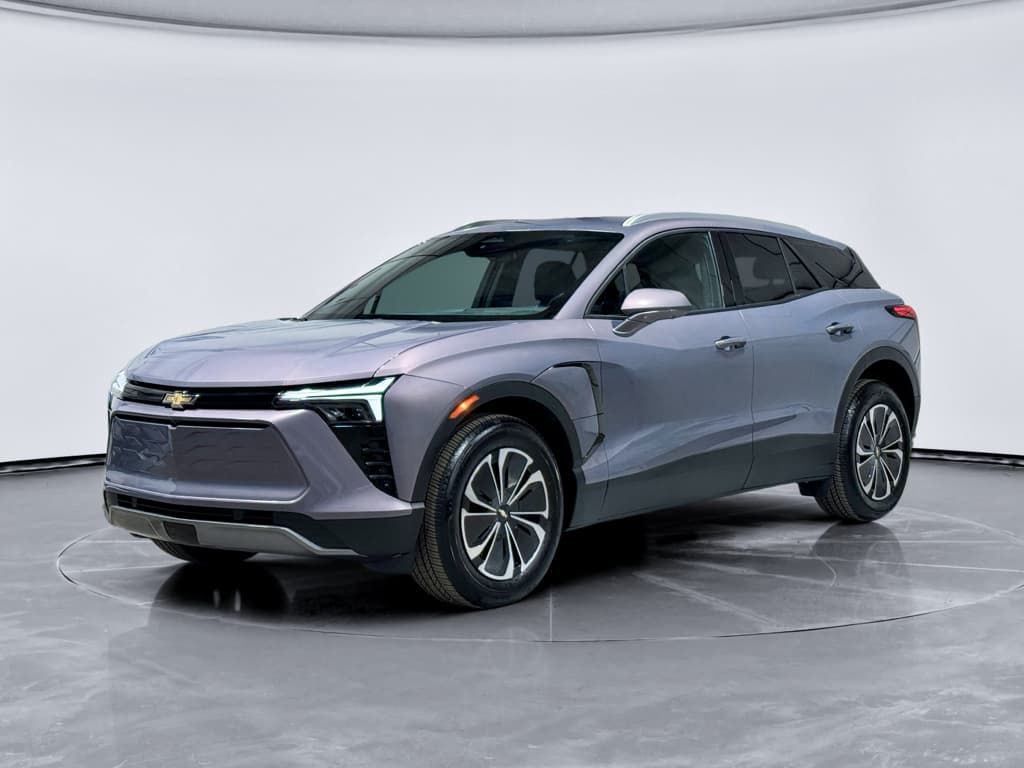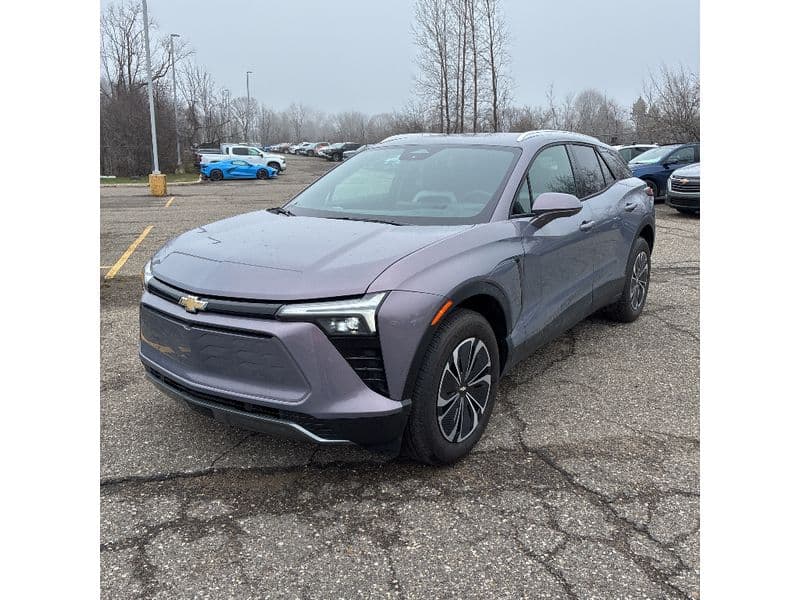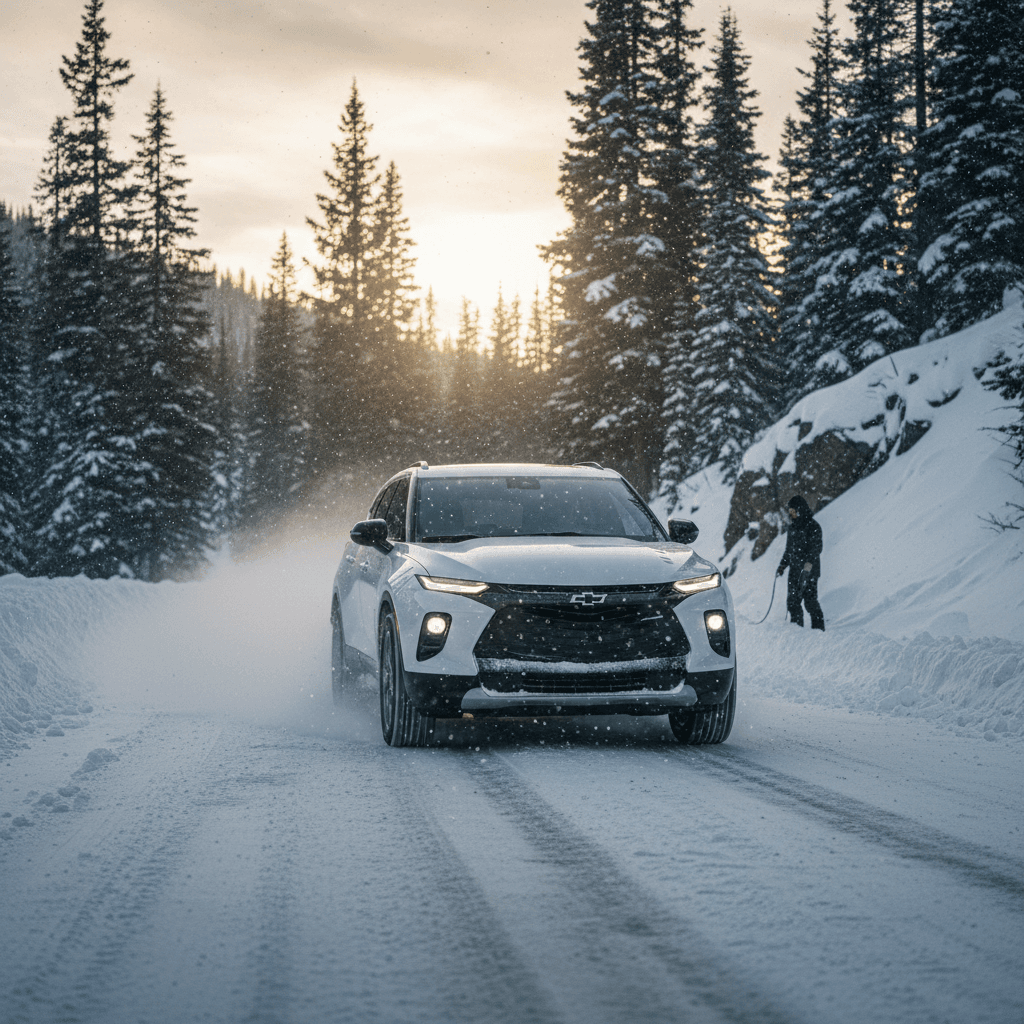
If you live where winter is more than a dusting on the driveway, you’re right to ask whether the Chevrolet Blazer EV is actually good in snow and ice. Electric SUVs can be brilliant cold‑weather commuters, or nervous handfuls, depending on how they’re engineered and how you set them up. The Blazer EV lands closer to the “confident winter daily driver” end of the spectrum, but only if you understand its strengths, its limits, and the simple tweaks that turn it from competent to genuinely impressive.
Quick Take
Chevrolet Blazer EV in Snow and Ice: Big Picture
On paper, the Blazer EV checks most of the boxes you’d want for winter use. Dual‑motor all‑wheel drive is available across trims, ground clearance is around 7.7–8.0 inches depending on configuration, and every model gets modern stability and traction systems plus ABS. That’s a solid starting point for any snow‑belt SUV.
Key Blazer EV Specs That Matter in Winter
In the real world, owners of AWD Blazer EVs report that the SUV feels planted and secure in light to moderate snow when you use Snow/Ice mode and drive with some mechanical sympathy. Where complaints pop up, they almost always trace back to marginal all‑season tires, overly aggressive regen in the wrong mode, or trying to ask too much of physics on sheer ice.
Blazer EV Winter Strengths and Limitations
Where the Blazer EV Shines, and Where It Doesn’t, in Winter
Think of it as a capable all‑weather crossover, not a snow‑plow substitute.
Winter Strengths
- Available dual‑motor AWD gives confident launches on slick intersections when paired with Snow/Ice mode.
- Low center of gravity from the battery pack helps it feel stable in sweeping, snowy curves.
- Modern traction and stability control constantly shuffle torque and braking to help keep you pointed where you aimed.
- Decent ground clearance (around 8 inches) clears typical plowed‑road berms and driveway ridges.
Winter Limitations
- OEM all‑season tires are built more for quiet and efficiency than for deep‑snow bite or stopping on ice.
- Weight cuts both ways: great for traction, but it takes longer to stop on slick surfaces.
- Cold weather range loss is real, especially at highway speeds in sub‑freezing temps.
- Not a dedicated off‑roader: packed snow on an unplowed road is fine; 8–12 inches of heavy snow is asking a lot.
Remember the Baseline
AWD, Snow/Ice Mode, and Stability Systems Explained
Chevy gives the Blazer EV a full suite of electronic helpers: antilock brakes (ABS), traction control, and electronic stability control are standard, and AWD trims add a front motor that can come in and help when the rear tires start to slip. How these systems talk to each other is what makes, or breaks, winter confidence.
How Blazer EV AWD Helps in Snow
- Two motors, four contact patches: The rear motor does most of the work in normal driving, but the front motor can pitch in when the rear starts to slip.
- Instant torque shaping: Because motors react faster than engines and transmissions, the system can reduce or redirect power before you have time to over‑correct with your right foot.
- Helpful off the line: Pulling away from a stop sign on a plowed but slick road is where this system really earns its keep.
What Snow/Ice Mode Actually Does
- Softer throttle mapping: Pedal inputs translate into gentler torque, so you don’t accidentally spin the tires when you brush the accelerator.
- Less aggressive regen: Strong one‑pedal regen can behave like a sudden brake application in low‑grip conditions; Snow/Ice mode dials that back.
- Conservative traction control: The system clamps down on wheelspin earlier and more smoothly to keep you pointed straight ahead.
The owner’s manual specifically calls out Snow/Ice mode for slippery‑road driving and recommends turning off aggressive one‑pedal driving when roads are slick.
Owners who run AWD Blazer EVs in true winter weather report that Snow/Ice mode makes the SUV feel calmer and more predictable, especially when you’re coming down a hill or creeping through unplowed side streets. A few have found that in very light snow with good tires, they actually prefer one‑pedal driving because they can modulate speed with their right foot alone, but that’s after they’ve learned the behavior of their own car.
Set Your Winter Default
Why Tires Make or Break Blazer EV Winter Performance
Here’s the unglamorous truth: the stock all‑season tires on many Blazer EV trims are the weakest link in serious winter. They’re fine for chilly, wet pavement and light snow, but they’re a compromise between efficiency, cost, and ride quality, not a recipe for heroic grip on packed snow and ice.
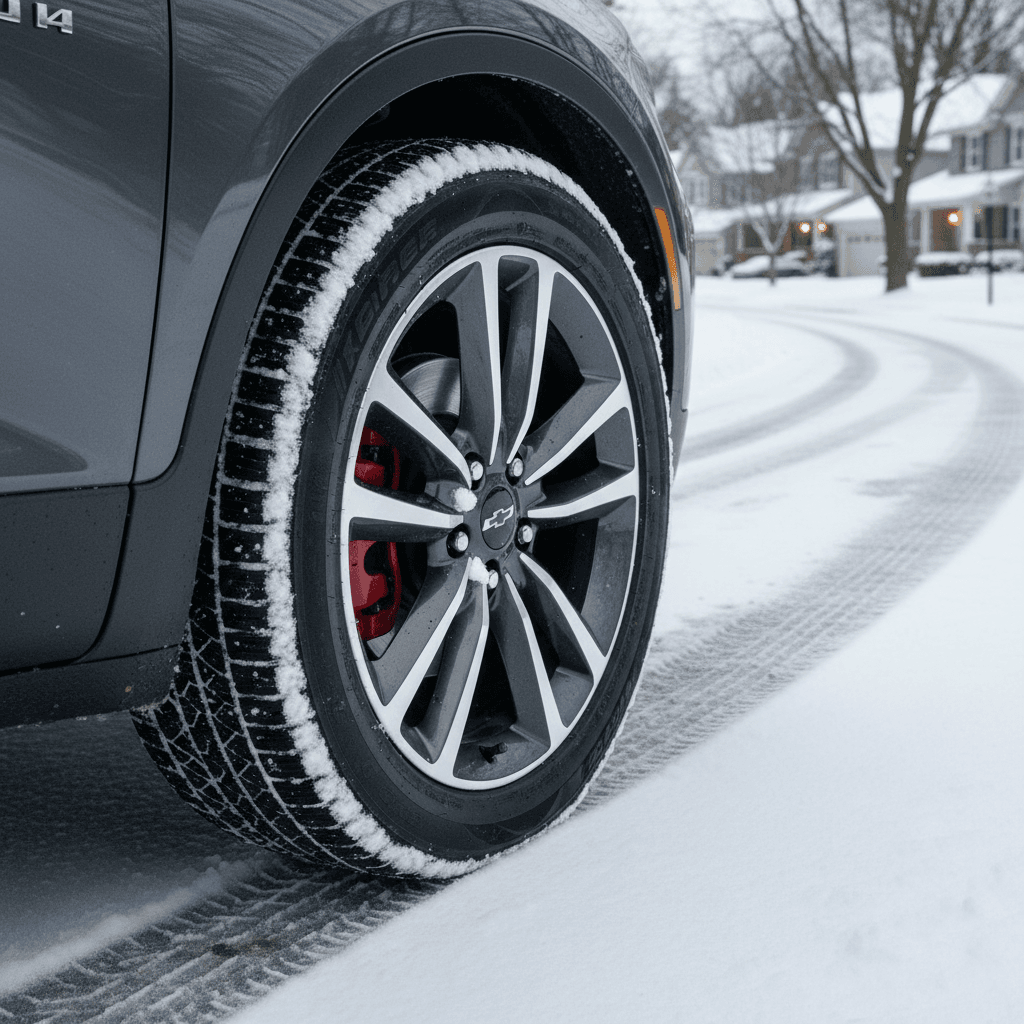
Blazer EV Winter Tire Strategy
How different tire choices change your snow and ice experience.
| Setup | Snow Traction | Ice Braking | Ride & Noise | Cost Impact |
|---|---|---|---|---|
| OEM all‑season tires | Adequate in light snow | Longer stops | Quiet, soft | Lowest upfront, may wear faster in cold |
| Premium all‑season tires | Better than base | Still limited on ice | Similar to stock | Moderate |
| Dedicated winter tires | Excellent, even in deeper snow | Much shorter stops | Softer feel, slightly noisier | Higher upfront, protect summer set |
| Studded winter tires* | Outstanding on glare ice | Shortest stops on ice | Louder, rougher | Check legality in your state |
If you do one thing for winter safety, make it tires, not another drive mode.
Don’t Let Tires Be the Bottleneck
Ground Clearance, Weight, and Snow Depth: What to Expect
The Blazer EV’s ground clearance, around 7.7 to 8.0 inches depending on trim, puts it in the same league as many gas crossovers. That’s plenty for plowed suburban streets, freeway slush, and typical driveway berms. It’s not the rig you send first down a rutted, unplowed forest road after a one‑foot dump of wet snow.
- On plowed city and suburban roads, you’ll rarely touch anything underneath as long as you slow for frozen ruts and speed bumps hiding under slush.
- On a moderately snowy unplowed side street, the blunt nose and belly can start to push snow once you’re past 6–8 inches of heavy powder.
- In deep, wet snow, the Blazer’s weight becomes a liability: if you high‑center the chassis on a hard snow ridge, all the AWD and traction control in the world won’t help until you dig out.
Heavy Can Be Your Friend, To a Point
Winter Range Loss in the Blazer EV
If you’re shopping a Blazer EV and live in Minnesota, Colorado, or upstate New York, you’re not just worried about traction, you’re thinking about range on a bitter January morning. Like every EV, the Blazer loses range in the cold as the battery chemistry slows down and you ask the cabin heater to do more work.
What to Expect from Blazer EV Range in Winter
Ballpark numbers based on owner reports and EV winter behavior.
Mild cold (25–40°F)
In typical mixed driving, many Blazer EV owners see a modest hit to estimated range. Think of it as a noticeable trim rather than a gut punch, especially on slower city routes where the cabin doesn’t have to fight highway windchill.
Real winter (0–25°F)
As you drop toward single digits and spend more time at 65–75 mph, it’s normal to see 20–30% lower effective range versus a mild spring day. Short trips (where the cabin heater keeps starting from cold) can be particularly inefficient.
Deep cold (< 0°F)
On long highway runs below zero, brutal windchill and constant heater use can cut range dramatically. Plan on significant buffer between chargers and use seat and steering‑wheel heaters instead of blasting cabin heat.
How to Protect Winter Range
How to Set Up Your Blazer EV for Snow and Ice
Winter Setup Checklist for the Blazer EV
1. Choose a tire plan before the first storm
If you see real winters, plan on a dedicated set of winter tires on their own wheels. If your climate gets mostly cold rain and the occasional dusting, step up at least one level from the base all‑season to a higher‑grip all‑weather tire.
2. Learn your drive modes in dry weather
Before the snow flies, practice switching between Normal, Snow/Ice, and any performance modes, and feel the difference in throttle and regen. You’ll drive more confidently when the road turns white.
3. Dial back aggressive one‑pedal regen
On slick days, either use Snow/Ice mode, which automatically softens regen, or manually reduce one‑pedal strength. You want transitions between power and regen to be smooth, not abrupt.
4. Pre‑condition while plugged in
Use the app or in‑car scheduling to warm the cabin and battery while you’re still connected to your home charger. You step into a warm car, the glass is de‑iced, and you start with more usable range.
5. Clear sensors, lights, and inside the wheels
Brush snow and slush off the front bumper where driver‑assist sensors live, clear the headlights and taillights, and knock heavy snow out of the wheel wells so nothing interferes with steering or braking.
6. Build a modest winter kit
Toss an ice scraper, small shovel, traction aids, gloves, and a warm blanket in the cargo area. An EV can keep the heat on without idling, but you still want the basics if you’re stuck waiting for a plow.
Driving Technique: How to Let the Blazer EV Help You
You can buy every winter option on the sheet and still end up cross‑wise in a ditch if you drive your Blazer EV like it’s July. The flip side is that a little restraint and a few EV‑specific habits let the Blazer’s software work with you instead of against you.
- Slow everything down: Steering, throttle, and braking should all be smoother in winter. The Blazer’s stability control works best when it has a moment to react, not when you jab at the pedals.
- Use Snow/Ice mode before you need it: Don’t wait until you’re halfway down a slick hill to realize your throttle mapping is too jumpy or regen too strong.
- Brake earlier than you think: The Blazer’s weight and its regen‑to‑friction‑brake transition mean it’s smart to start slowing well before you would on dry pavement.
- Trust traction control, up to a point: A bit of pulsing or noise from the brakes under your foot is the system doing its job. If it’s chattering constantly, you’re simply going too fast for conditions.
- Respect packed snow and glare ice: AWD helps you go; it doesn’t help you stop. Even with good winter tires, leave extra space and avoid sudden moves in shaded corners, on bridges, and at the bottom of hills.
When It All Comes Together
Buying a Used Blazer EV for a Snowy Climate
If you’re shopping the Blazer EV used, you have one huge advantage: you can let the previous owner eat much of the depreciation while you focus on getting the right hardware for your winters. This is exactly where a platform like Recharged is designed to help.
Winter‑Smart Shopping Tips for a Used Blazer EV
Look past the paint color to the stuff that keeps you out of the ditch.
Prioritize AWD trims
If you live in a true snow belt, start your search with dual‑motor AWD models. Rear‑drive Blazers can still be fine with the right tires, but AWD adds a layer of confidence on sloppy commutes and unplowed side streets.
Check battery and winter history
Cold climates are harder on range, not on the pack’s basic health. A Recharged Score Report gives you verified battery diagnostics, so you know you’re not inheriting hidden degradation before your first cold snap.
Look for a second wheel‑and‑tire set
Some sellers include a dedicated winter wheel‑and‑tire package. That can save you hundreds of dollars and one big decision before the first storm.
Use Expert Help
Chevrolet Blazer EV Winter Driving FAQ
Frequently Asked Questions About the Blazer EV in Snow and Ice
Bottom Line: Is the Blazer EV “Best” for Snow and Ice?
If your idea of winter is commuting through plowed city streets, slogging along salted highways, and dealing with the occasional unplowed side road, the Chevrolet Blazer EV can be an excellent snow and ice companion. In AWD form, with Snow/Ice mode engaged and the right tires under it, it feels stable, predictable, and thoroughly modern in bad weather.
Is it the absolute best winter weapon on the market? That depends on where you live and how you drive. A lifted truck on studded snows will always have the advantage in axle‑deep powder, and there are EVs tuned even more ruthlessly for all‑terrain work. But as a comfortable, family‑friendly electric SUV that shrugs off typical North American winters, the Blazer EV belongs on your short list, especially if you pair it with a smart winter setup and the kind of battery‑health transparency you get from a Recharged Score Report when you shop used.