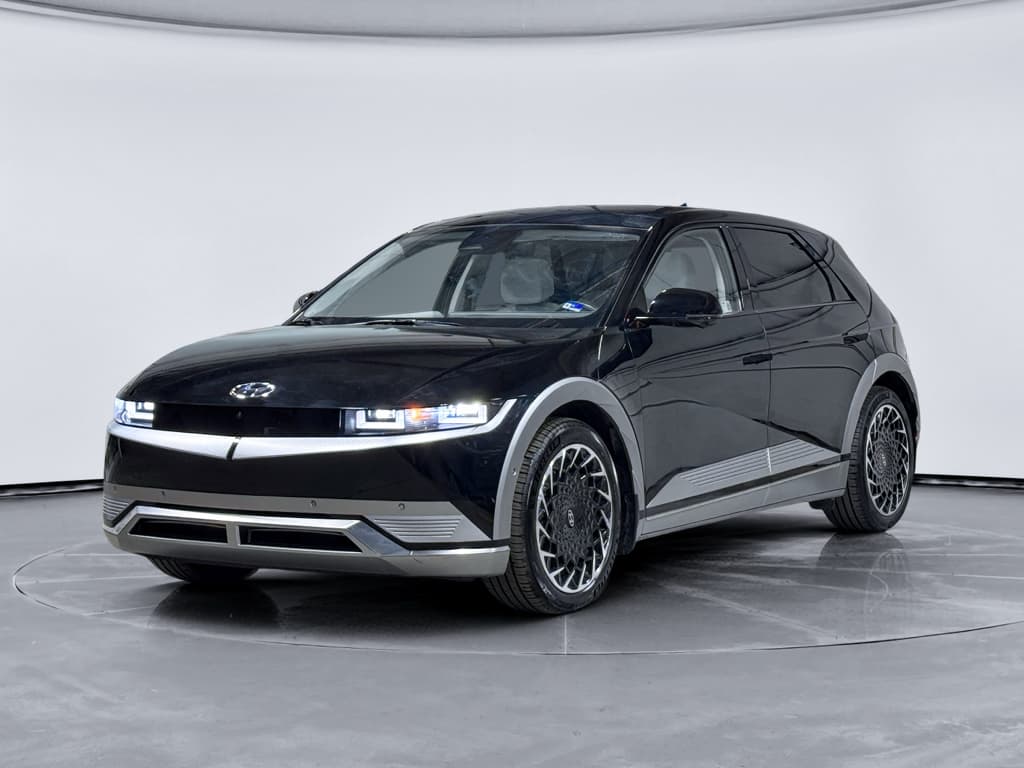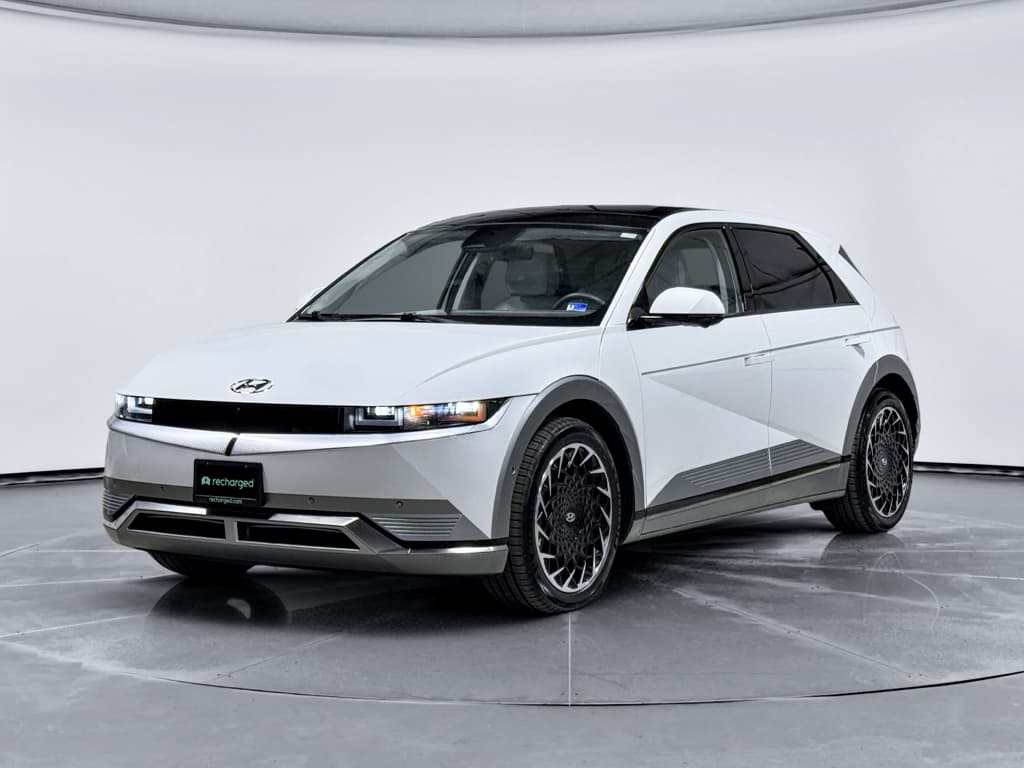
You don’t buy a Hyundai Ioniq 5 because you secretly miss oil changes. You buy it for the torque, the styling, the quiet. But somewhere in the back of your mind is the big, expensive question: what happens if the battery dies outside warranty, and what will it cost in 2026?
The short version
Why Ioniq 5 battery costs matter in 2026
The Hyundai Ioniq 5 has quickly become one of the standout EVs on the road: E‑GMP platform, 800‑volt fast charging, and a cabin that looks like a Seoul design studio on wheels. It’s also one of the most popular used EVs hitting the market as early 2022 models age into their third or fourth year of service. That’s why searches for “Hyundai Ioniq 5 battery replacement cost 2026” are climbing. People want to know if this thing becomes a rolling financial time bomb at year eleven.
The good news is that the nightmare scenario, writing a $20,000 check for a new battery, is extraordinarily rare, especially within the 10‑year window. The bad news is that if you really do end up outside warranty, the numbers are big enough to total the car in some cases. Let’s put real 2025–2026‑era numbers to the fear.
Hyundai Ioniq 5 battery cost snapshot for 2025–2026
Quick answer: Ioniq 5 battery replacement cost in 2026
Using 2024–2025 Hyundai parts pricing, independent shop data, and Recharged’s own cost modeling, this is what a Hyundai Ioniq 5 battery replacement looks like if you’re paying out of pocket in the U.S. in 2025–2026:
Estimated Hyundai Ioniq 5 battery replacement cost (U.S., 2025–2026)
Approximate out‑of‑warranty replacement cost ranges for the high‑voltage battery pack in a Hyundai Ioniq 5, including parts and labor. These assume no help from Hyundai or insurance.
| Scenario | What’s replaced | Estimated parts cost | Estimated labor | Likely total bill |
|---|---|---|---|---|
| Full pack – 58 kWh (Standard Range) | Complete high‑voltage pack | $10,000–$13,000 | $600–$1,000 | $10,600–$14,000 |
| Full pack – 77.4–80 kWh (most U.S. trims) | Complete high‑voltage pack | $11,000–$15,000+ | $600–$1,000 | $11,600–$16,500 |
| Partial repair – 1–4 modules | Only failed modules + hardware | $500–$2,500 | $600–$1,200 | $1,100–$3,700 |
| Insurance / extreme dealer quote | Pack + extras, heavy markup | $18,000–$30,000 | $1,000+ | $19,000–$30,000+ |
Actual quotes vary by VIN, dealer, region, and whether a new or remanufactured pack is used.
Sticker‑shock caveat
Ioniq 5 battery sizes and what you’re actually paying for
The Ioniq 5 uses a flat, skateboard‑style battery pack bolted under the floor. U.S. models have come with two main pack sizes:
- 58 kWh “Standard Range” pack on base trims.
- 77.4–80 kWh “Long Range” pack on most U.S. trims and performance versions like the Ioniq 5 N.
Battery replacement cost roughly scales with pack size. The cost per kWh of lithium‑ion cells has been trending down, but by the time Hyundai adds cooling hardware, structural components, and a profit margin, a full Ioniq 5 pack is still a five‑figure part. In other words, you’re not just buying “cells”; you’re buying a structural, crash‑tested component that happens to store electricity.
Think in kWh, not just model year
Warranty coverage: what Hyundai pays vs. what you pay
In the U.S., Hyundai covers the Ioniq 5’s high‑voltage battery for 10 years or 100,000 miles, whichever comes first, against defects in materials or workmanship. That warranty is a much bigger deal than the scary repair estimates.
How Hyundai’s Ioniq 5 battery warranty works in 2026
The fine print that really matters if you’re looking at a used Ioniq 5.
10 years / 100,000 miles
Capacity protection
Transferable coverage
Where owners get into trouble is assuming that every battery‑related issue is a warranty slam dunk. Hyundai is on the hook for manufacturing defects and abnormal degradation, not accident damage, flood cars, or a pack that’s been opened or modified by someone who thought YouTube was a repair manual.
When the warranty won’t save you
Real-world examples: Standard vs. Long Range vs. extreme quotes
Scenario 1: High‑mileage commuter, still under warranty
A 2022 Ioniq 5 SEL Long Range with 95,000 miles in 2030 develops a serious internal fault. The dealer confirms a defective cell group.
- Hyundai authorizes a warranty pack replacement.
- Owner pays only diagnostic fees or a modest deductible, if any.
- Out‑of‑pocket battery cost: $0.
This is the scenario Hyundai designed the 10‑year/100k warranty to handle.
Scenario 2: Out‑of‑warranty Long Range pack
A 2022 Ioniq 5 Limited with 140,000 miles in 2033 is well beyond its battery warranty. A genuine pack failure shows up and Hyundai declines goodwill coverage.
- Dealer quote: $14,500 for a new 77.4–80 kWh pack installed.
- Independent EV specialist: $12,000 using a remanufactured pack.
- Private resale value of the car may only be $16,000–$20,000.
At this point, many owners let insurance total the car if damage is accident‑related, or they sell it as‑is.
About those viral $30,000 quotes
Will Ioniq 5 battery prices actually drop by 2026?
Analysts expect average EV battery pack prices to drift down toward the $80–$100 per kWh range by 2026, thanks to scale and chemistry improvements. On paper, that suggests a 77.4 kWh pack could have a raw cell cost under $8,000.
- Cooling hardware and case components.
- Manufacturing, logistics, and dealer margin.
- Programming, testing, and safe handling.
The upside for owners
Repair vs. full pack replacement
Not every battery issue means forklift‑out, forklift‑in. Many faults can be addressed by replacing individual modules or components inside the pack, especially if the housing and cooling system are intact.
Repairing an Ioniq 5 pack vs. replacing it
What shops look at before they order a $12,000 part.
When repair is possible
- One or a few modules show out‑of‑family voltage or resistance.
- Pack enclosure is undamaged and dry.
- No crash deformation in the floorpan.
- Shop has the tooling and certifications to open high‑voltage packs.
Think $1,100–$3,700 instead of five figures.
When full replacement is likely
- Crush or puncture damage from a collision.
- Corrosion or contamination inside the pack.
- Severe or widespread cell degradation.
- Manufacturer policy prohibits internal repairs.
This is where you see the $11,600–$16,500 estimates come out.

Don’t shop this like a muffler
Used Ioniq 5 buyers in 2026: what to watch for
If you’re shopping a used Ioniq 5 in 2026, you’re in the sweet spot: most cars are still well within Hyundai’s battery warranty, but early‑build depreciation has already done its thing. This is where the smart money lives, if you know what you’re looking at.
Checklist: make battery risk boring when you buy used
1. Confirm in‑service date and mileage
Get the original in‑service date (when the first owner drove it off the lot) and current mileage. That tells you exactly how much of the 10‑year/100,000‑mile battery warranty is left.
2. Pull detailed battery health data
Don’t settle for a vague “battery is fine.” A <strong>Recharged Score battery health report</strong> pulls real diagnostics and State of Health data so you see how the pack is aging.
3. Look for crash or flood history
A clean Carfax isn’t the whole story, but it’s a start. Be wary of cars with structural damage, underbody repairs, or flood branding, those are red flags for future battery issues and warranty denials.
4. Ask about fast‑charging habits
Frequent DC fast charging isn’t necessarily a deal‑breaker on E‑GMP cars, but a lifetime of 100% “charge to full every time” abuse can accelerate wear. Balanced charging behavior is what you want to hear.
5. Inspect for underbody damage
Have the car put on a lift. The Ioniq 5’s pack is the floor; big scrapes, crushed panels, or bent mounting points can all be warning signs.
6. Get total cost of ownership, not just price
On Recharged, you see <strong>fair market pricing plus battery health</strong> side‑by‑side, so you’re not overpaying for a car with a questionable pack.
Where Recharged fits in
How Recharged helps reduce your battery risk
Battery health, not hand‑waving
Most used‑car listings treat the battery like a mystical object. At Recharged, it’s the headline act. Every Ioniq 5 we sell includes a Recharged Score battery health diagnostic that looks at capacity, charge history, and error codes.
Instead of hoping the pack is fine, you can see how it’s actually performing relative to similar Ioniq 5s.
Transparent pricing and support
Recharged doesn’t just throw a number on the windshield. We factor in remaining Hyundai battery warranty, measured battery health, and projected depreciation.
- Fair market pricing grounded in real data.
- Financing options that reflect the car’s true long‑term value.
- Nationwide delivery and a digital‑first buying experience.
You can even visit our Experience Center in Richmond, VA if you want to talk through Ioniq 5 ownership with an EV specialist face‑to‑face.
Hyundai Ioniq 5 battery replacement FAQ (2026)
Frequently asked questions about Ioniq 5 battery costs
Bottom line: should battery cost scare you away from an Ioniq 5?
The Hyundai Ioniq 5’s battery is expensive enough that you don’t want to buy one like a scratch‑off ticket. A full pack replacement out of warranty is a five‑figure proposition, and in edge cases it can total the car. But for the vast majority of owners in 2026, that’s an edge case, not destiny: the 10‑year/100,000‑mile warranty, modern cell chemistry, and falling pack costs all conspire in your favor.
If you’re shopping used, the smart move is to make the battery boring, know exactly how much warranty is left, insist on hard data about pack health, and price the car accordingly. That’s what Recharged was built for: transparent battery diagnostics, fair market pricing, financing, trade‑in support, and nationwide delivery so you can enjoy the Ioniq 5’s design and performance without obsessing over the doomsday bill that probably never comes.