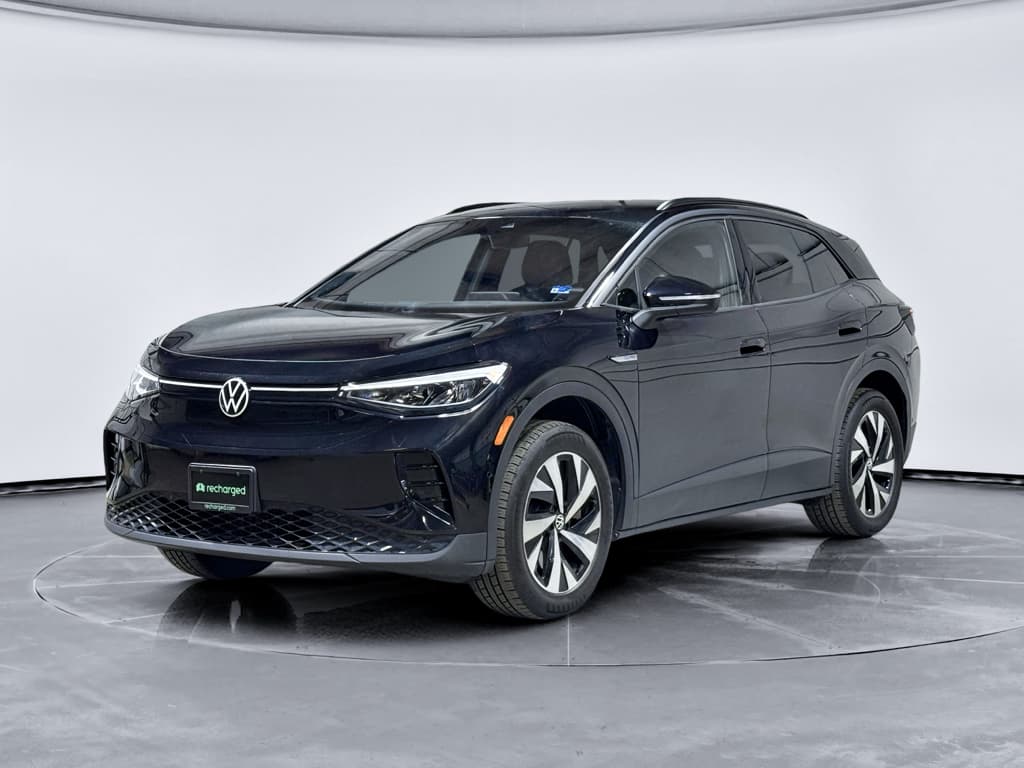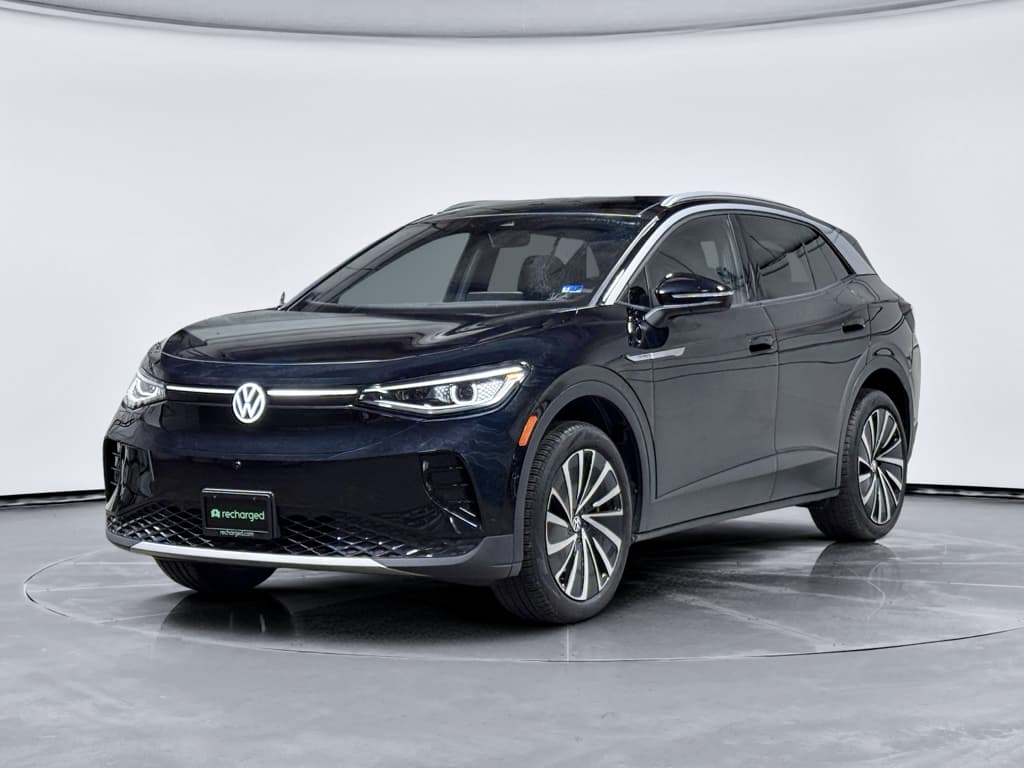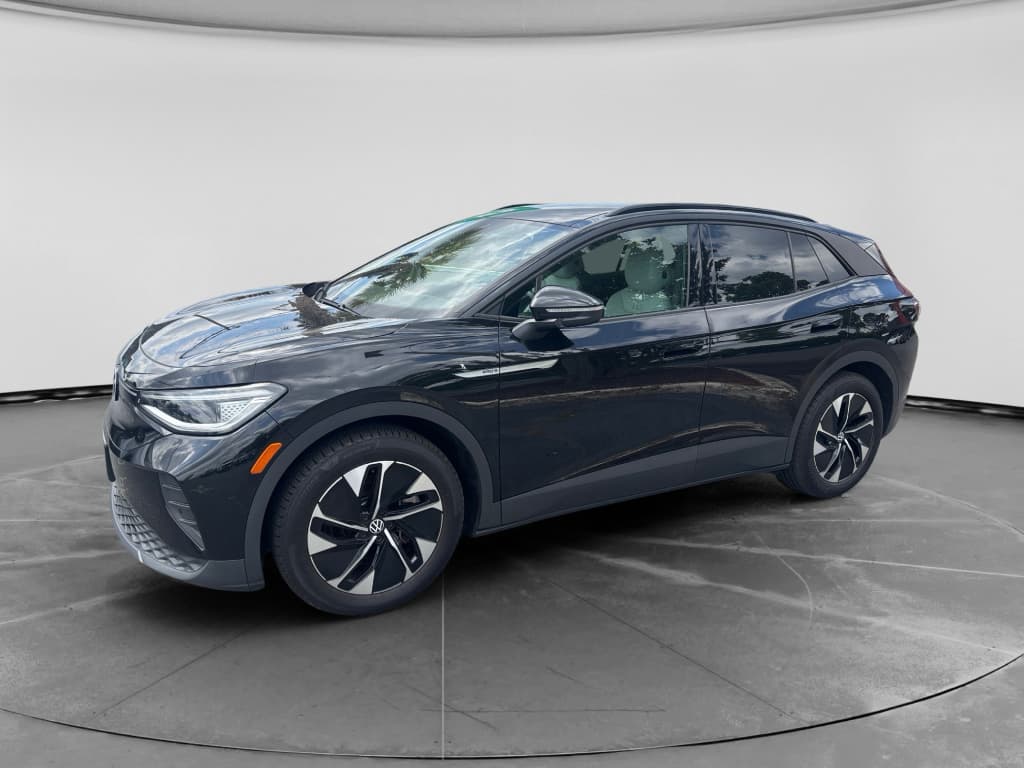
If you’re wondering how to sell a Volkswagen ID.4, you’re not alone. The compact electric SUV has become a fixture in U.S. driveways, but EV resale is still unfamiliar territory for many owners. Between fast‑moving incentives, rapid depreciation, and buyer anxiety about batteries, getting your ID.4 sold at the right price takes a bit more strategy than unloading a gas Tiguan.
Quick take
Why selling a Volkswagen ID.4 is different from a gas SUV
Three ways selling an ID.4 is unique
Lean into these differences instead of fighting them.
Battery health matters more than miles
Charging story is part of the pitch
Depreciation is front‑loaded
Understand Volkswagen ID.4 resale value and depreciation
Volkswagen ID.4 depreciation snapshots
Why does this matter when you sell? Because understanding where your ID.4 sits on the curve keeps you from anchoring on the original MSRP and overpricing it. If your SUV is three to five years old, it’s competing against newer EVs with longer range and fresh tax incentives in the rearview mirror. That doesn’t mean your car won’t sell, but it does mean buyers have options and will walk from wishful prices.
Reality check on EV values
Best time to sell a Volkswagen ID.4
Timing can swing your ID.4’s value by thousands. In 2026, the backdrop is changing quickly: federal EV tax credits on used vehicles expired for cars acquired after September 30, 2025, and new‑EV pricing pressure has softened demand in some segments. That makes seasonality and local demand more important.
Best and worst times to sell your ID.4 in a typical year
Use this as a guide, your local market and personal timing still matter.
| Timing | Market strength | What it means for your ID.4 |
|---|---|---|
| January–February | Low–moderate | Holiday bills and winter weather make buyers cautious. Consider selling only if you must or if you’re trading to capture a specific deal. |
| March–May | Stronger | Tax refunds and better weather help. Good window for listing if you want a spring sale without holding the car through summer. |
| June–August | High in many markets | Road‑trip season and school breaks boost interest in family EVs. A great time to list a clean ID.4 with solid range. |
| September–October | Moderate | New‑model launches hit headlines; you may face more competition from discounted new EVs. |
| November–December | Mixed | Year‑end deals on new cars compete with you, but motivated buyers still shop used to lock in prices before January. |
Seasonal patterns for selling electric SUVs like the Volkswagen ID.4.
Follow incentives and fuel prices
Decide how to sell your ID.4: trade‑in, instant offer, consignment, or private sale
1. Trade‑in at a dealer
Fastest, usually lowest value.
- Pros: One‑stop transaction, tax savings in many states (you only pay sales tax on the price difference between new and trade).
- Cons: Dealers often under‑value EVs, especially if they’re not EV specialists. Expect offers below strong retail prices.
- Best for: When convenience matters more than squeezing out every dollar.
2. Instant cash offers / online buyers
Offer‑driven, typically mid‑range value.
- Pros: Quick online valuations, at‑home pickup in many areas, less haggling. Great for clean‑title, well‑optioned ID.4s.
- Cons: Algorithms can punish non‑standard trims, higher miles, or accident history. Offers can swing week to week.
- Best for: When you want simplicity and a competitive, but not top‑of‑market, price.
3. Consignment with an EV specialist (like Recharged)
Pro marketing without losing control.
- Pros: You tap into a national buyer pool, professional photos and copy, and EV‑specific valuation tools. You can keep driving the vehicle while it’s listed in many consignment models.
- Cons: You’ll pay a fee or commission when it sells, and it may take longer than an instant offer.
- Best for: Clean, well‑equipped ID.4s where it’s worth spending extra time to get a higher net.
4. Private‑party sale
Maximum price, maximum effort.
- Pros: You set the price, screen buyers, and often earn the most.
- Cons: Time‑consuming, fielding tire‑kickers, arranging safe meeting spots, and handling paperwork yourself. Many buyers still have questions about EVs.
- Best for: Experienced sellers comfortable with marketing, messaging, and meeting strangers.
Where Recharged fits
Get your Volkswagen ID.4 ready to sell
Pre‑sale checklist for your ID.4
1. Fix the easy stuff first
Replace wiper blades, top up washer fluid, fix minor curb‑rashed wheels, and address any obvious warning lights. Cheap fixes can have an outsized impact on perceived condition and offers.
2. Detail inside and out
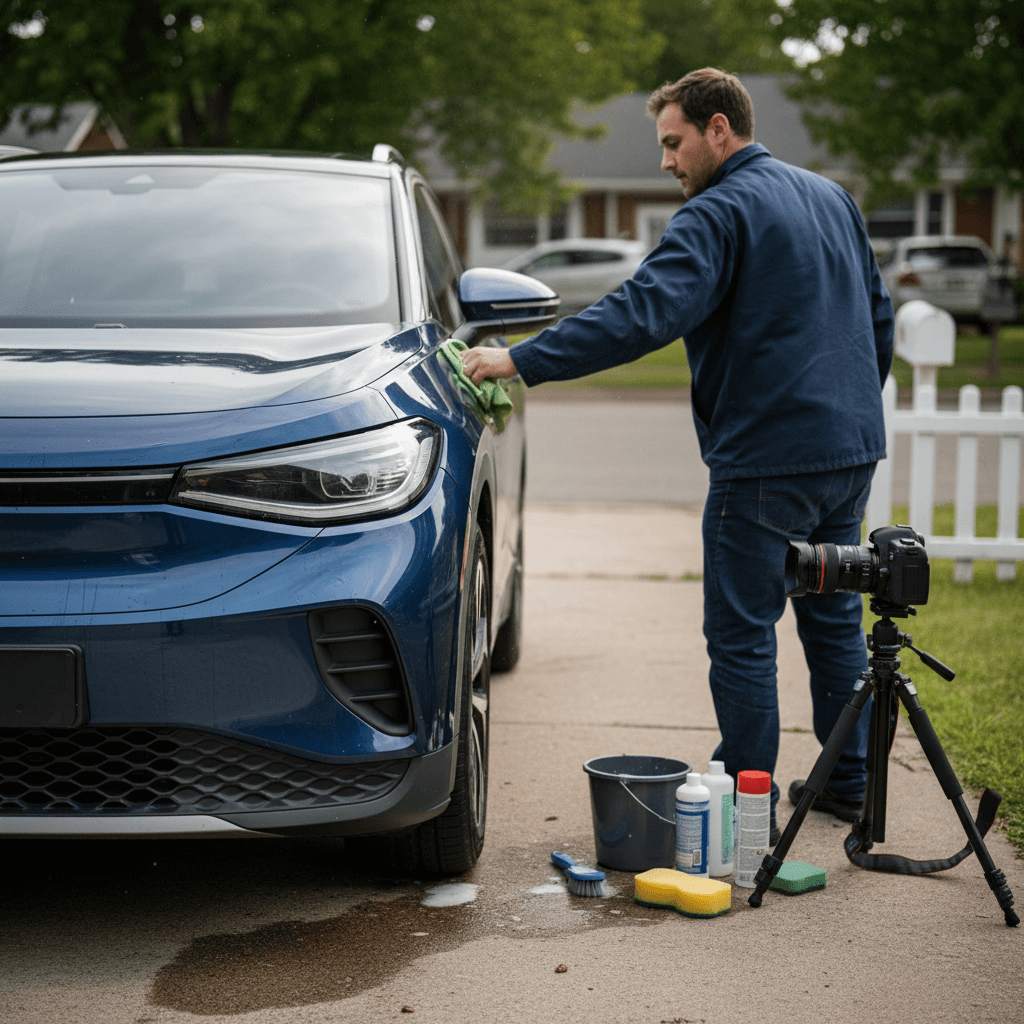
Give the interior a deep clean, including the white dash panels and seats if equipped. Vacuum the frunk and cargo area, wipe down screens, and clean fingerprints from the glossy trim. A professional detail is often worth the $150–$250.
3. Clear your data and update software
Back up then remove personal data from the infotainment system, unpair phones, and make sure your ID.4 is on current software. Buyers notice laggy screens and glitchy driver‑assist features.
4. Gather keys, cables, and accessories
Track down every key fob, your home charging cable (if included), wheel‑lock key, cargo cover, and any roof bars or mats. Missing items give buyers leverage to negotiate down.
5. Document service and repairs
Print or save digital receipts for tire rotations, brake work, recalls, and any other maintenance. For EVs, demonstrating a history of care matters more than showing oil‑change stamps ever did.
6. Check tires and brakes
Uneven tire wear or noisy brakes will trigger concern. Replacing tires may not fully pay back in sale price, but it can widen your buyer pool and speed up the sale if your current set is nearly done.
How to price your Volkswagen ID.4 correctly
Nailing the price is the biggest lever you control. Too high and your listing stagnates, too low and you leave money on the table. Think like a dealer appraiser: they start with data, then adjust for condition, options, and local demand.
Four steps to a realistic asking price
Blend online tools with on‑the‑ground reality.
Check online valuations
Study local listings
Adjust for options & condition
Set ask vs. walk‑away
Use trade‑in offers as a floor, not a target
Battery‑health proof is your biggest sales tool
For a used ID.4, battery state of health is the single biggest unknown in a buyer’s mind. Dashboard range estimates can be misleading, and most shoppers have read at least one horror story about premature degradation. Bringing credible, third‑party battery data to the table can separate your listing from every other ID.4 on the same page.
Ways to prove your ID.4’s battery health
The more objective and independent, the better.
Diagnostic battery‑health report
Warranty & recall documentation
Real‑world range history
Don’t exaggerate range
Create a listing that actually sells your ID.4
A Volkswagen ID.4 listing that reads like every other compact SUV ad will blend into the background. You’re also selling cheap fueling, smooth driving, and low maintenance, especially to first‑time EV buyers. Your photos and words should reflect that.
- Lead with the facts buyers search for: year, trim (Pro, Pro S, AWD, battery size), mileage, and whether DC fast charging has been used lightly or heavily.
- Use at least 15–25 high‑resolution photos: front 3/4, rear 3/4, both sides, wheels close‑ups, seats, screens powered on, cargo area, charge port, and any flaws.
- Write a first paragraph that sells the use case: commuter car, family hauler, or road‑trip EV, with a one‑sentence summary of why you’re selling.
- List every included accessory: charging cables, wallbox (if part of the sale), floor mats, roof racks, winter wheels, etc.
- Address common EV fears directly: home charging setup, winter performance, and how often you’ve used DC fast chargers.
Sample listing opener
Negotiate and complete the sale safely
Once the calls and messages start, your job shifts from marketer to risk manager. You’re balancing speed, price, and safety. With an EV, buyers may also need more hand‑holding, especially if it’s their first electric vehicle.
Safe, smooth closing steps
1. Pre‑screen buyers
Ask whether they’re familiar with EVs, have home charging, and are pre‑approved or paying cash. This avoids long test drives with people who can’t actually buy.
2. Choose safe meeting spots
Use a well‑lit public place with cameras, ideally near a DC fast charger so they can experience quick charging during the test drive. Avoid home addresses until you’re comfortable.
3. Bring your documents
Have title (or lender payoff letter), registration, photo ID, service records, and your battery‑health report ready. Organized paperwork signals a well‑cared‑for car.
4. Set expectations for negotiation
Decide in advance your minimum acceptable price and how you’ll respond to lowball offers. It’s fine to say, “I’ve priced this based on current comps and my battery‑health report; I’m firm at $X.”
5. Use secure payment methods
For larger sums, a cashier’s check from a major bank verified together at the branch, or an escrow service, is safer than apps. Never sign over the title before funds are verified.
6. Close out your accounts
After the sale, remove the car from your insurance, cancel or transfer any connected‑services subscriptions, and make sure the buyer sets up their own accounts with Volkswagen and charging networks.
How Recharged can help you sell your ID.4
If you’d rather not juggle pricing research, battery diagnostics, and a parade of test‑drive requests, you can hand much of that work to specialists. Recharged is built around making used EV transactions simple and transparent, with a particular focus on battery health and fair pricing.
What selling through Recharged looks like
Built for used EVs like the Volkswagen ID.4.
Recharged Score battery report
Fully digital retail experience
Nationwide reach and EV specialists
Ready to find your next EV?
Browse VehiclesTurn your ID.4 into your next EV
FAQ: Selling a Volkswagen ID.4
Frequently asked questions about selling a Volkswagen ID.4
Selling a Volkswagen ID.4 in 2026 means thinking like both a used‑car pro and an EV educator. Understand where your SUV sits on the depreciation curve, pick the right time and channel to sell, prep it thoroughly, and bring real battery‑health proof to the table. Whether you chase top‑dollar with a private listing or opt for a simpler instant offer or consignment through an EV‑focused marketplace like Recharged, the fundamentals stay the same: transparent information, realistic pricing, and a clean, well‑presented ID.4 are what turn casual interest into a confident sale.