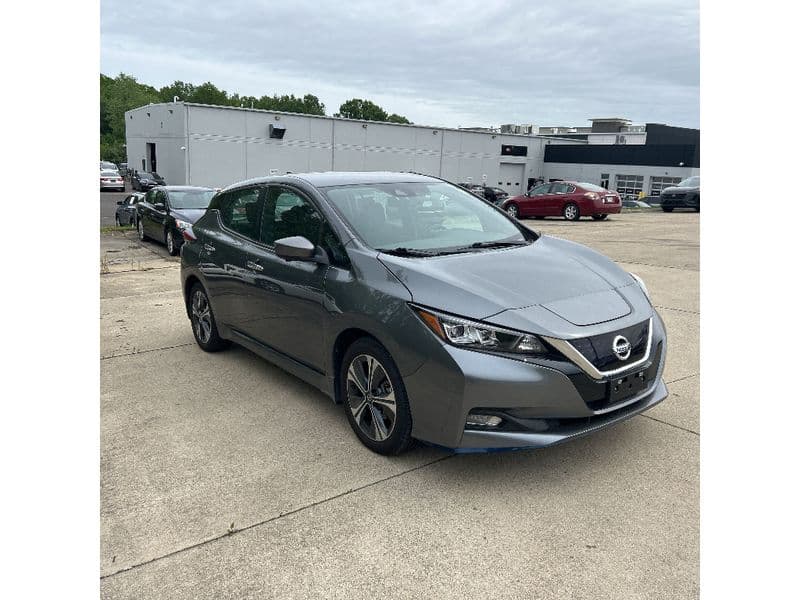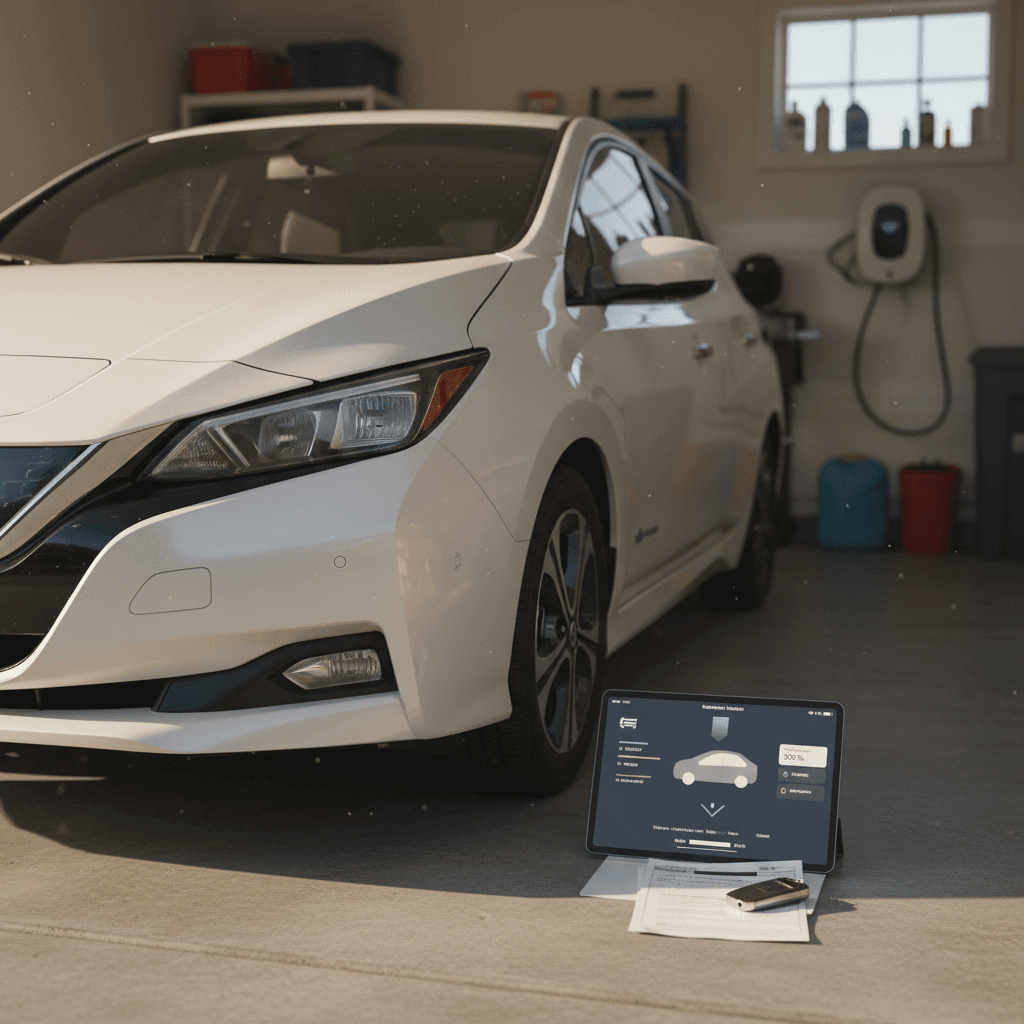
If you’ve ever tried to sell a used Nissan Leaf, you already know it’s not like selling a used Civic. Buyers don’t just ask about miles and tires, they want to know about battery health, real‑world range, and whether they’re walking into a future “$10,000 battery bill”. This guide walks you through exactly how to sell a Nissan Leaf in 2026, step by step, so you get a fair price and answer those big EV questions with confidence.
Quick take
Why Selling a Nissan Leaf Is Different From Selling a Gas Car
EV buyers care about range, not just miles
On a gas car, miles tell most of the story. On a Leaf, battery State of Health (SOH) and real‑world range matter more than the odometer. A 2018 Leaf with 60,000 miles but 88% SOH can be more desirable than a 30,000‑mile car with 70% SOH.
Battery replacement is a big, visible risk
By 2025–2026, replacing a Leaf’s main pack can easily cost many thousands of dollars depending on size and source. Buyers know this, so they discount cars with unknown or weak batteries, and happily pay more for clear proof of a healthy one.
Leaf depreciation is unusual
Nissan Leaf resale realities in 2026
Step 1: Know What Your Leaf Is Really Worth
Before you post a single photo, you need a grounded idea of what your Leaf should sell for. With this car, the spread between a tired early model and a clean, long‑range Leaf Plus can be enormous, sometimes the difference between a $6,000 sale and a $16,000 one.
How to ballpark your Nissan Leaf’s value
Layer these three data points instead of trusting just one site
1. Start with pricing tools
Check several sources, KBB, Edmunds, and major classifieds, to see what similar Leafs are actually listed for in your region. Be sure to match:
- Model year and trim (S, SV, SL, SV Plus, etc.)
- Battery size (24, 30, 40, 62 kWh)
- Mileage and options (ProPILOT Assist, CHAdeMO fast charge, etc.)
2. Adjust for your local market
Leaf demand is strongest where short commutes and cheap electricity make them an easy daily driver, often coastal cities and dense suburbs. In rural areas or cold‑weather regions, you may need to price more aggressively to move the car.
3. Factor in battery health
Two Leafs with the same miles can be thousands of dollars apart in value depending on their battery SOH. Once you know your pack’s health (next section), adjust your price up if it’s strong, or down if it’s clearly tired.
Pricing sweet spot
Step 2: Check and Document Your Battery Health
If there’s one thing every Leaf buyer is afraid of, it’s buying a car that secretly needs a $10,000–plus battery in a few years. The most powerful thing you can do as a seller is prove, as clearly as possible, that your pack is healthy, or at least be honest if it isn’t.
Ways to check your Nissan Leaf’s battery health
You don’t need to be an engineer. Start with the basics and go deeper if you want maximum buyer confidence.
| Method | What it shows | Cost & effort | Best for |
|---|---|---|---|
| Dash battery bars | Simple 0–12 bar gauge on instrument cluster | Free; two‑minute check | Quick sanity check |
| LeafSpy app + OBD dongle | Detailed SOH %, capacity (Ah), weak cells | $30–$60 hardware + your time | DIY‑minded owners |
| Dealer battery report | Official printout with SOH and any fault codes | Typically a service fee | Buyers who trust dealer paperwork |
| Independent EV specialist test | Deeper diagnostics, often with written report | Varies; call local EV shops | Maximizing value on higher‑priced Leafs |
Choose the method that fits your time, budget, and comfort level.
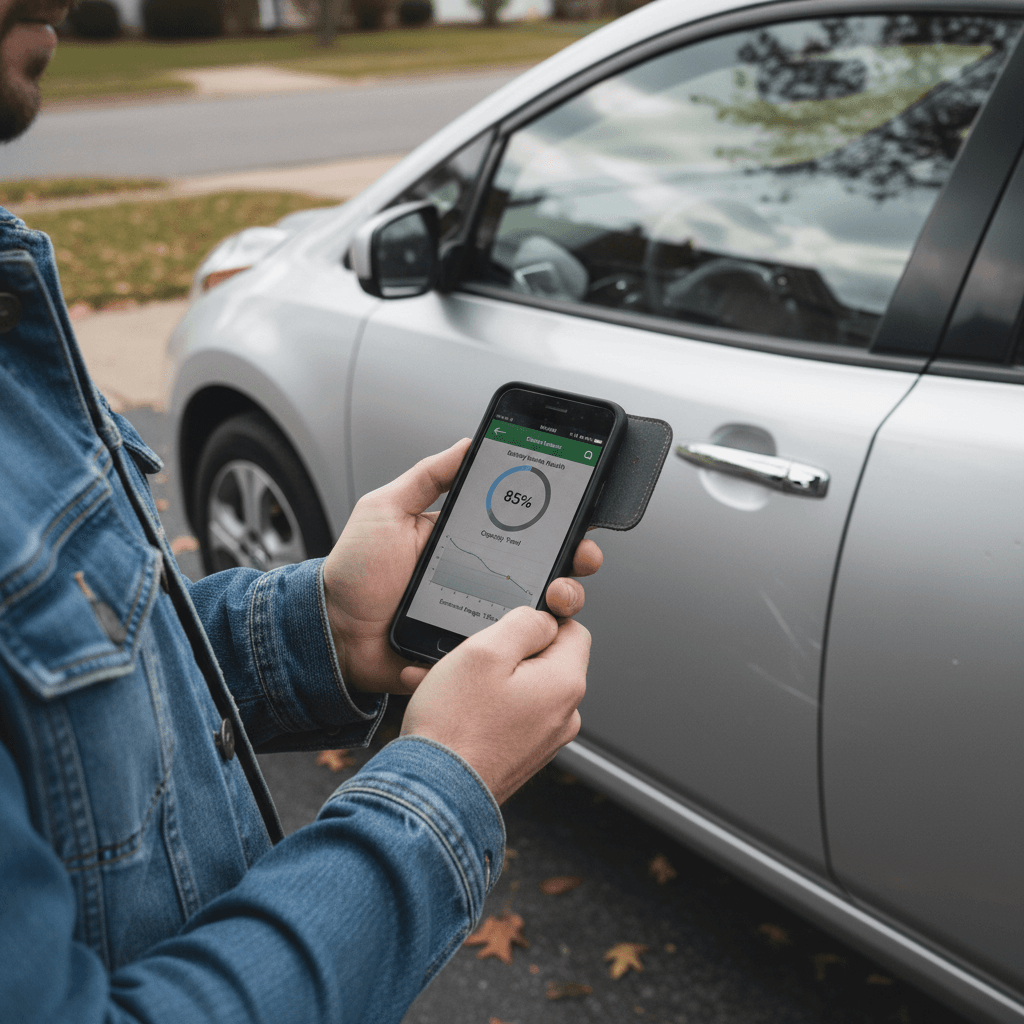
Simple checklist to document battery health for your listing
1. Photograph the dash battery bars
Take a clear photo of the instrument cluster showing the 12‑bar battery gauge, state of charge, and odometer. Buyers will zoom in, make it sharp and well lit.
2. Capture LeafSpy or dealer report
If you use LeafSpy or get a dealer report, save screenshots or PDFs that show <strong>SOH percentage</strong> and any notes about cell health or warranty history.
3. Note charging habits
Write down how you typically charge: mostly Level 2 at home, how often you fast‑charge, and whether the car spends long periods at 100% or near empty. Responsible habits reassure buyers.
4. Be honest about range
Take a normal commute or weekend run and note the real‑world range you see at highway and city speeds. Phrase it plainly: “In mixed driving at 65–70 mph, we see about 110 miles on a full charge.”
5. Mention any battery warranty coverage
If your Leaf is still within Nissan’s battery warranty window, state the remaining time and mileage, and whether any past pack repairs or replacements were done under warranty.
Don’t fudge the battery story
Step 3: Decide How You Want to Sell Your Nissan Leaf
Once you understand your Leaf’s value and battery health, you can decide how much work you want to do yourself. Your options fall into three main buckets: private sale, trade‑in, or using a specialist EV marketplace like Recharged.
Compare your options for selling a Nissan Leaf
More money usually means more effort, unless you let an EV specialist handle the heavy lifting.
Private sale
Pros: Usually the highest sale price; you control the listing and story; great if you enjoy the process.
Cons: You handle everything, photos, questions, test drives, paperwork, and payment safety.
Dealership trade‑in
Pros: Fast and simple; you can roll equity straight into your next car.
Cons: Dealers are often conservative on Leafs due to battery uncertainty; you may leave meaningful money on the table.
Recharged marketplace
Pros: EV‑specialist support, transparent Recharged Score battery health report, professional pricing, and nationwide buyers.
Cons: You share a slice of the transaction to have a team handle marketing, buyer questions, and logistics.
Where Recharged fits in
Ready to find your next EV?
Browse VehiclesStep 4: Get Your Leaf Ready to Sell
Preparing a Nissan Leaf to sell isn’t about chrome polish; it’s about making the car feel clean, cared‑for, and easy to live with. A tidy cabin and a quietly functioning charging setup make buyers forget how old the platform is and focus on how simple their life could be with this car.
- Deep‑clean the interior: vacuum seats and carpets, wipe down plastics, clean touchscreen and steering wheel, and remove personal items and stickers.
- Give the exterior a wash and basic detail: focus on glass, wheels, door jambs, and the charge port door area.
- Fix obvious, inexpensive issues: burned‑out bulbs, missing charge‑port cap, wipers, and any error messages you can address realistically.
- Charge the car to a practical level (60–80%) before showings so buyers can test features and see realistic range.
- Gather both keys, owner’s manuals, charging cables (120V trickle cord and any Level 2 portable unit you’re including).
Spend 2–3 hours, not two weekends
Step 5: Create a Listing Nissan Leaf Buyers Actually Trust
A great Leaf listing doesn’t just say “runs great.” It answers the questions buyers are already worrying about in their heads: How’s the battery? How far will it really go? Has it been fast‑charged to death? Can I see proof?
What to put in your listing title
- Year + "Nissan Leaf" + trim (S, SV, SL, Plus)
- Battery size and SOH if you have it
- One or two key features
Example: 2019 Nissan Leaf SV Plus – 62 kWh, 91% SOH, ProPILOT, 54k miles
What to highlight in the description
- Battery health: bars and, ideally, SOH % with photo or report
- Charging habits: mostly home Level 2, occasional fast‑charge, etc.
- Real‑world range: your honest experience, not brochure numbers
- Maintenance: tire history, brake work, 12V battery replacement
- Any remaining battery or EV‑system warranty coverage
Photo checklist that sells a Nissan Leaf faster
Front three‑quarter and rear three‑quarter views
Give buyers a complete sense of the car, not just a garage nose shot. Shoot in daylight with the whole car in frame.
Interior overview and driver’s seat
Show the dash, seats, steering wheel, and infotainment clearly. Wipe fingerprints off the screen first.
Battery gauge and odometer
Take a close, bright photo of the cluster showing the battery bars, state of charge, and mileage in one frame.
Charging port and cables
Photograph the open charge port and any included charging cables or wall units. Buyers want to see what they’re actually getting.
Any blemishes or prior repairs
Proactively show curb rash, scratches, or repaired areas. Honest flaws build more trust than trying to hide them.
Listing on Recharged
Step 6: Test Drives, Battery Questions, and Red Flags
Once the listing is live, the real work starts: messages, range questions, and test drives. Leaf shoppers tend to be curious and detail‑oriented. If you stay calm and prepared, you’ll quickly spot who’s serious and who just wants a free EV seminar.
- Meet in a safe, public place, ideally near a DC fast charger or Level 2 station so buyers can see charging in action if they ask.
- Have your battery documentation printed or pulled up on your phone before they arrive.
- Let the Leaf warm up and be ready so your range estimate on the dash isn’t skewed by a cold pack.
- On the drive, encourage buyers to test highway speeds, regen feel, and one‑pedal driving if your trim supports it.
- After the drive, be ready to answer follow‑ups about home charging, winter range, and how you’ve maintained the car.
Red flags to watch for
Step 7: Paperwork, Tax Credits, and Getting Paid Safely
The last mile of the sale is where even seasoned car people get nervous. EVs like the Leaf don’t add much complexity here, but you do want to be clear on paperwork, any state‑level incentives, and how the money will move.
Key paperwork and payment steps when selling a Nissan Leaf
Requirements vary by state, but this table covers the basics most private sellers will encounter in the U.S.
| Item | What it is | Who handles it |
|---|---|---|
| Title | Proves ownership and allows transfer | Seller signs, buyer submits with DMV |
| Bill of sale | Records price, VIN, mileage, and date | Both parties sign; each keeps a copy |
| Odometer disclosure | Required in many states for newer vehicles | Often part of the title or separate form |
| Release of liability | Tells the state you no longer own the car | Seller files with DMV (often online) |
| Payment method | Cashier’s check, bank‑to‑bank transfer, or lender payoff | Buyer and seller arrange; verify funds before handing over keys |
Check your state DMV site for exact forms and emissions rules.
What about EV tax credits?
When It Makes Sense to Sell Your Leaf Through Recharged
Not everyone wants to field late‑night range questions or argue about whether 100 miles of real‑world range is "enough." If your Leaf is in good condition, or if you simply want a smoother path from "ready to sell" to "money in the bank", selling through an EV‑focused marketplace can be the right move.
Is Recharged a good fit for selling your Nissan Leaf?
You want to maximize value without becoming a salesperson
You know your Leaf’s battery is solid and don’t want a rock‑bottom trade‑in offer.
You’re willing to wait a bit for the right buyer if it means thousands more in your pocket.
You like the idea of a <strong>Recharged Score</strong> report that independently verifies battery health and pricing.
You value convenience and peace of mind
You’d rather a specialist handle listing creation, photography, and buyer questions.
You don’t want strangers at your house, and you’d prefer <strong>secure payment</strong> and paperwork support.
You like the idea of <strong>nationwide buyers</strong>, not just whoever happens to be shopping local classifieds this week.
What Recharged actually does for Leaf sellers
FAQs About Selling a Nissan Leaf
Common questions when selling a Nissan Leaf
Bottom line: How to Sell a Nissan Leaf With Confidence
Selling a Nissan Leaf in 2026 is all about turning the car’s biggest question mark, its battery, into your biggest selling point. When you know your pack’s health, price the car realistically, prepare it thoughtfully, and communicate like an open book, you stop hearing low‑ball offers and start meeting buyers who just want a sensible, affordable EV.
Whether you handle the listing yourself or tap an EV‑specialist marketplace like Recharged for a Recharged Score battery health report, expert pricing, and end‑to‑end support, the playbook is the same: prove the range, tell the truth, and make the next owner’s life easy. Do that, and your Nissan Leaf will sell, and you’ll feel good about the deal long after the car leaves your driveway.