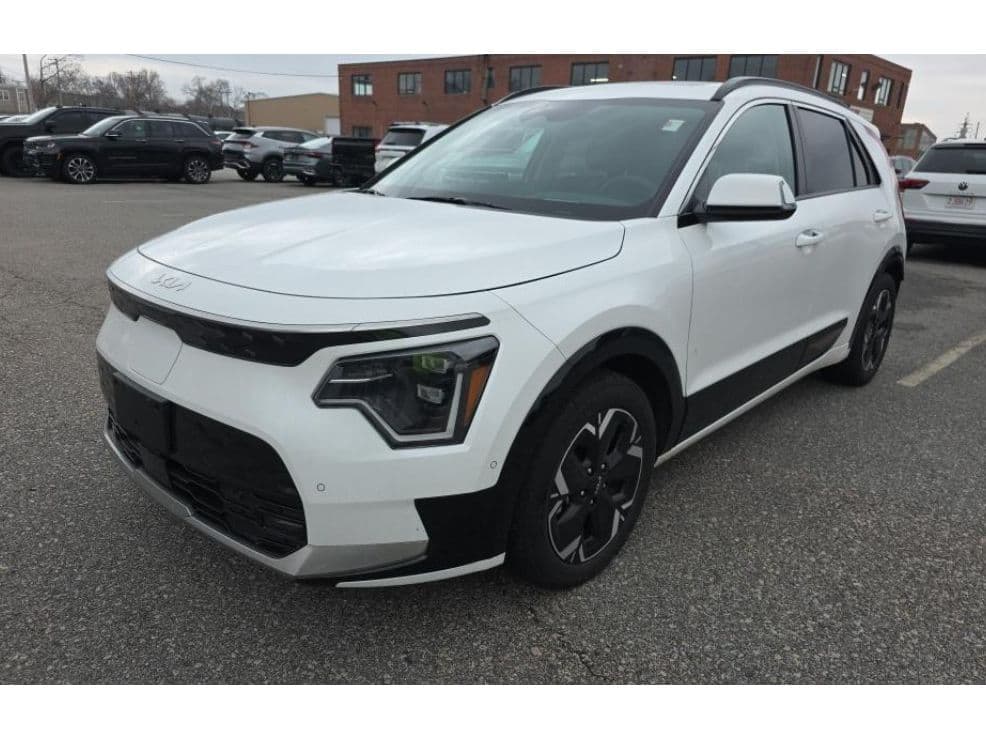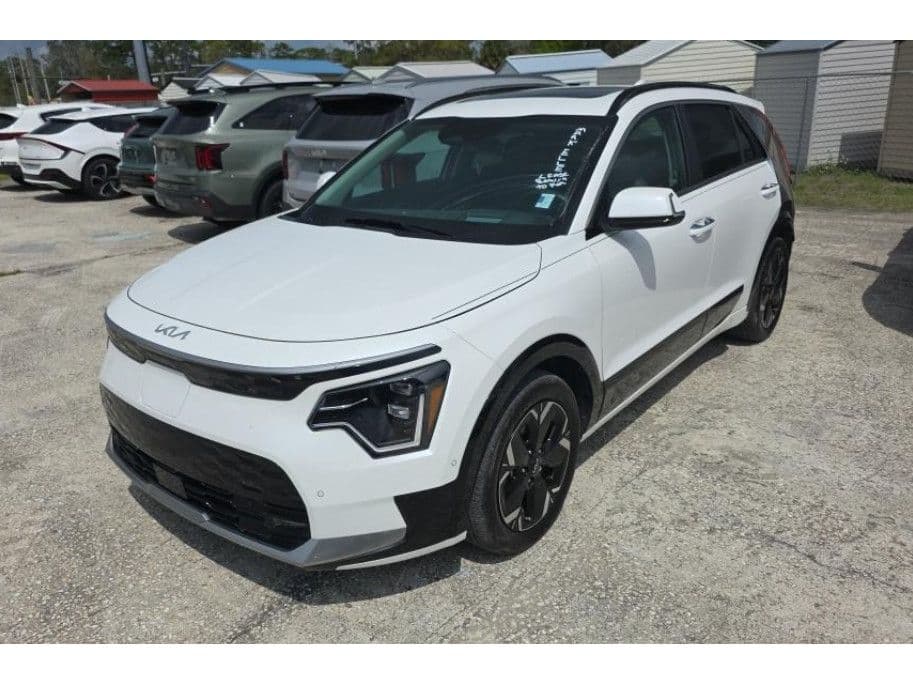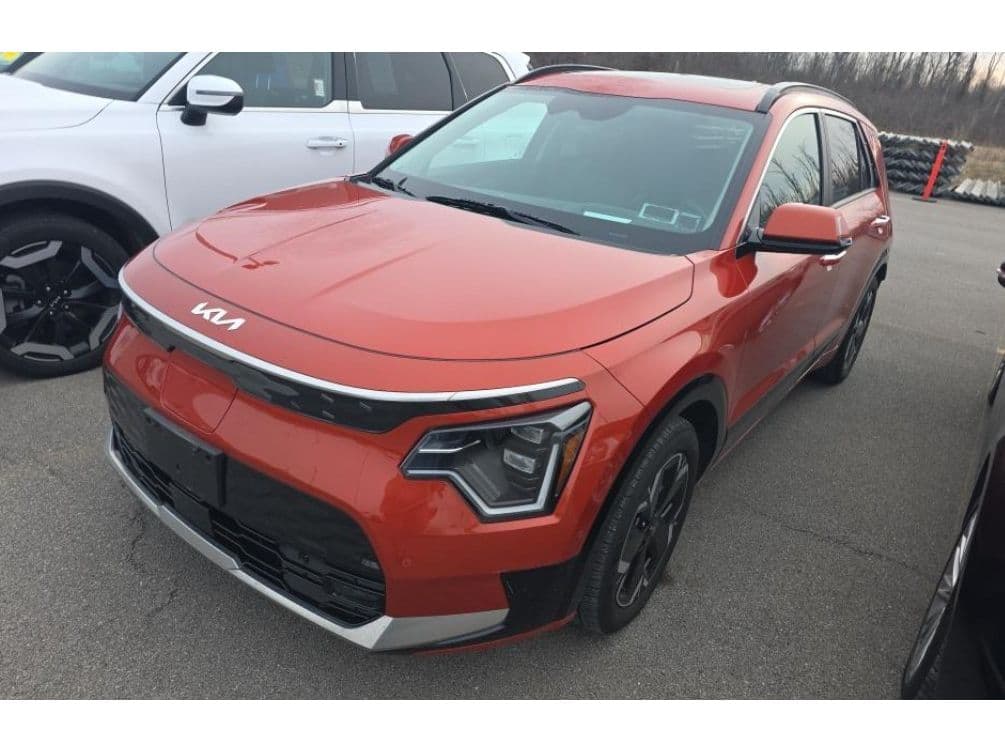
If you drive a Kia Niro EV, your battery is the heart of the car, and the most expensive single component to replace. The good news is that with a few smart habits, you can maximize Kia Niro EV battery life, keep your real‑world range strong, and stay well inside Kia’s long high‑voltage battery warranty window.
Quick answer
Why Kia Niro EV battery care matters
Modern Kia packs are robust. Real‑world data from used Niro EVs shows many still above 90% battery health at common resale mileages, and Kia backs the high‑voltage battery for around 10 years or 100,000 miles in the U.S. That’s reassuring, but what you do with the car still matters, especially if you plan to keep it for a long time or buy it used.
Kia Niro EV battery life at a glance
Battery degradation isn’t a cliff; it’s a slow slide. A few percent over many years is normal. Your goal is to keep that slide gentle, so the car still delivers the range you expect in year eight, not just year two.
Think like a battery engineer
How the Kia Niro EV battery works
High‑voltage pack basics
Your Kia Niro EV uses a large lithium‑ion battery pack (roughly 64–68 kWh usable, depending on generation). It’s built from many small cells grouped into modules, all coordinated by a battery management system (BMS) that controls charging, discharging, and thermal protection.
The BMS is constantly balancing the pack, controlling charge rates, and protecting it from temperatures and voltages that would cause damage. You don’t see that work, but you benefit from it every time you plug in.
State of charge vs. what you see
On your dash, 0% and 100% aren’t the true physical limits of the cells. Kia builds in a buffer so the cells don’t fully drain or fully top out. Even so, spending lots of time near the ends of the gauge still nudges the pack closer to stressful voltage levels.
That’s why most best‑practice advice revolves around keeping your everyday state of charge (SoC) roughly in the middle, and using the extremes only when you need every mile of range.
Heat is your real enemy
Daily charging habits to maximize battery life
You don’t have to obsess over every percent, but a few simple rules of thumb for daily charging can meaningfully extend your Kia Niro EV’s battery life without wrecking your routine.
Daily Niro EV charging rules that actually help
1. Aim for a 40–80% “comfort zone”
For typical commuting, try to start your day somewhere around 60–80% and arrive home with 20–40%. That mid‑range is where lithium‑ion cells are happiest long‑term.
2. Use charge limits when you can
Most newer Niro EVs let you set a target charge level in the infotainment or Kia Connect app. Set that to 80–90% for daily use, and only bump to 100% when you really need the range.
3. Don’t fear 100%, just don’t live there
Charging to 100% occasionally for a road trip or to let the BMS recalibrate is fine. What you want to avoid is plugging in every night, charging to 100%, and then letting the car sit full for many hours.
4. Avoid sitting near empty
Likewise, try not to leave the car parked for long periods under 10–15%. If you arrive home nearly empty, plug in soon or at least schedule a charge in the near future.
5. Prefer Level 2 at home
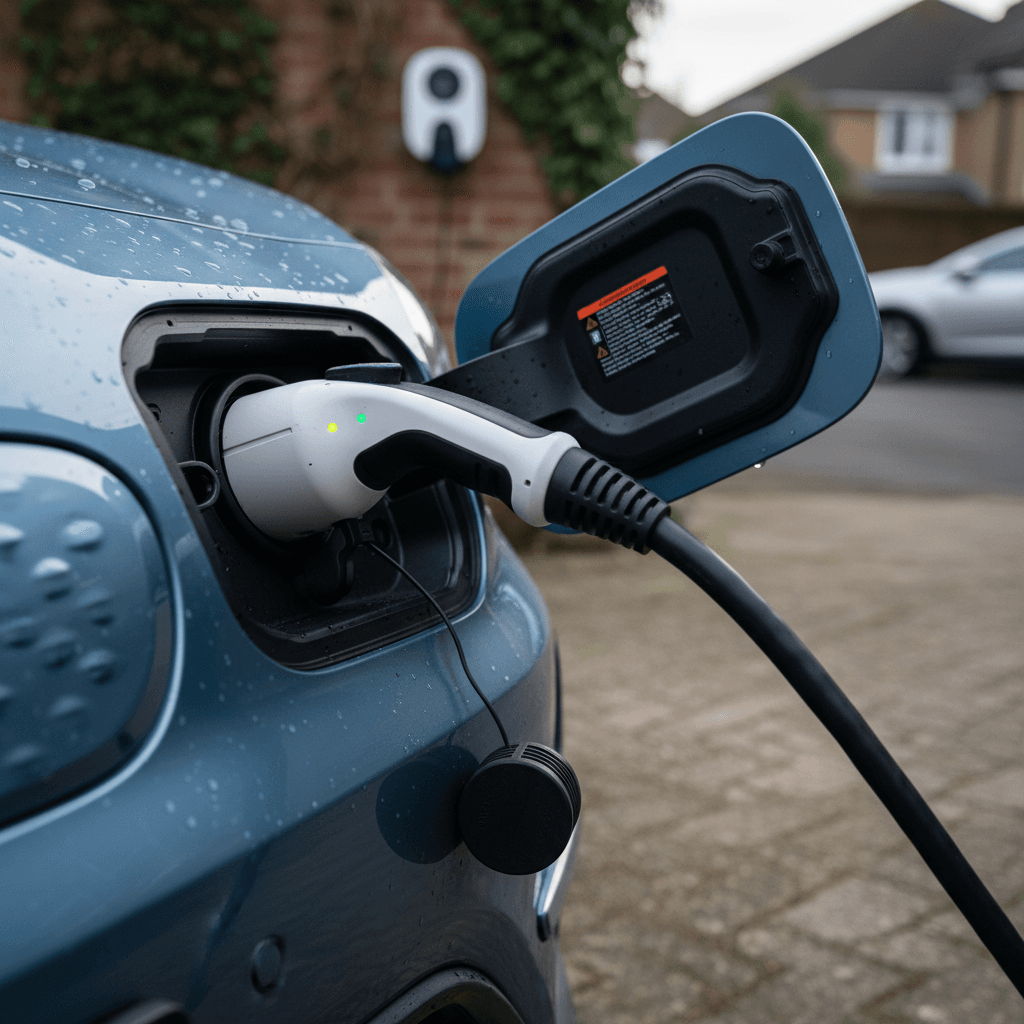
A 240‑volt Level 2 charger is ideal for the Niro EV: it’s fast enough to refill overnight but gentle compared with repeated DC fast charging. Think of it as your battery’s “home‑cooked meal.”
What if you live in an apartment?
Smart use of DC fast charging
DC fast charging is one of the Niro EV’s great conveniences. Used well, it won’t wreck your battery. Used like a daily crutch, it can accelerate wear over time, especially in very hot or very cold conditions.
Fast‑charging your Niro EV without abusing the battery
Use these principles on every road trip stop
Stay mostly below 80%
Like most EVs, the Niro EV tapers its DC charge rate sharply above about 70–80%. That’s where you’re paying the most time (and heat) for the least extra miles. For battery health and trip time, it’s usually best to unplug and drive once you’re near 70–80%.
Think “short, purposeful sessions”
Arrive at the charger low, say 10–30%, and leave around 70–80%. Two short sessions with driving in between are usually better than one long push from 0–100% on DC.
Save DC for real needs
If you can comfortably cover your routine with home or workplace Level 2 charging, do that. Reserve DC fast charging for road trips, emergencies, or when plans change unexpectedly.
When DC fast charging is hardest on the battery
If your home charging is unreliable and you *must* DC fast charge often, just be extra disciplined: avoid 0–5% arrivals when you can, set a charge limit, and let the car rest in the middle of the gauge between sessions.
Temperature, climate, and your Niro EV battery
Temperature might be the silent killer of EV batteries. The Kia Niro EV has thermal management, but your choices still matter, especially in very hot climates or harsh winters.
- Heat + high state of charge: The worst combo. Parking outside in direct sun at 90–100% for hours day after day is much tougher on the pack than cruising at 50–60% in mild temperatures.
- Cold weather: Cold slows chemical reactions inside the battery, cutting available power and range. It’s less damaging than heat but makes fast charging slower and less efficient.
- Thermal management: Later‑generation Niro EVs use active cooling and heating to keep the pack in a safe window, especially during fast charging. That helps, but it can’t completely undo harsh conditions.
Cold‑climate strategy
In very hot regions, a simple routine helps: park in shade when you can, avoid leaving the car full in extreme heat, and let the car charge during cooler overnight hours instead of the hottest part of the day.
Driving habits that reduce battery wear
How you drive affects your battery more than you might think. You bought an EV for that instant torque, use it, but know that smoother driving is friendlier to both your range and your long‑term battery health.
Driving patterns that are kind to your Niro EV battery
Less drama, more longevity
Avoid constant full‑throttle launches
Occasional hard acceleration is fine; constant drag‑race starts create heavy current spikes and heat in the battery. They also annihilate your efficiency.
Use regen strategically
The Niro EV’s adjustable regenerative braking lets you recapture energy instead of turning it into heat. Use higher regen in city driving and lower on the highway for a natural feel.
Keep highway speeds reasonable
Once you’re above about 70 mph, aerodynamic drag eats range fast. Slightly lower cruising speeds mean fewer deep discharge cycles and less time spent at high power demand.
Good news for real‑world owners
Using Kia settings to protect battery health
Kia quietly gives you a few tools to keep your Niro EV’s battery happy. Spending ten minutes in the menus can buy you years of easier ownership.
Useful Kia Niro EV settings for battery longevity
Exact menu names can vary by model year and region, but these features (or close equivalents) appear on most recent Niro EVs.
| Feature | What it does | How it helps battery life |
|---|---|---|
| Charge limit / target SoC | Stops charging at a set percentage (e.g., 80% or 90%) | Keeps daily use away from 100%, reducing high‑voltage stress. |
| Scheduled charging | Starts or ends charging at specific times | Lets you finish charging close to departure and use cooler overnight temperatures. |
| Departure time / climate scheduling | Pre‑conditions cabin (and in some trims, the battery) while plugged in | Warms or cools the car using grid power instead of battery power, especially in extreme weather. |
| Charging mode selection | Choose between AC and DC options when multiple are available | Encourages Level 2 use for routine charging instead of relying on fast charging. |
| Eco drive modes | Softens throttle response, optimizes HVAC | Reduces peak power draw and keeps daily cycles shallower. |
Check your owner’s manual or Kia Connect app for model‑specific instructions.
Use the Kia app (and others) as a coach
Signs of battery degradation in a Kia Niro EV
Some capacity loss is normal for any EV, including the Niro. The trick is recognizing what’s expected, what’s just winter, and what might warrant a deeper look, especially if you’re shopping used.
- Reduced indicated range at 100%: Over years, you may notice the projected range at a full charge creeping down. A small drop (5–10%) is expected; a big drop may deserve attention.
- More frequent charging on familiar routes: If a commute that once used 30% now regularly uses 45–50% in similar weather and driving, that hints at some degradation, or a change in driving style.
- Slower DC fast‑charge sessions in mild weather: Charging always slows above ~80%, but if your Niro EV is unusually slow even at low SoC and moderate temperatures, that can sometimes signal a battery‑health or thermal‑management issue.
- Warning messages or reduced‑power modes: Any battery warnings, reduced‑power alerts, or persistent overheating messages deserve a dealer visit under warranty.
How Recharged measures Niro EV battery health
Extra tips for used Kia Niro EV owners
Bought your Niro EV pre‑owned, or thinking about it? You inherit not just the car but its charging and climate history. You can’t change the past, but you can protect the future.
Used Niro EV battery‑health game plan
1. Learn the car’s charging past
Ask the seller or dealer how it was charged: mostly at home on Level 2, or living on DC fast chargers? A car that did daily highway fast‑charge runs in Phoenix will age differently from one garaged and charged overnight.
2. Check remaining battery warranty
Look up the in‑service date and mileage. Many Niro EVs still carry years of high‑voltage battery coverage. That’s valuable protection if something unusual shows up later.
3. Get a real battery‑health report
Dash‑estimated range is only part of the story. A proper battery‑health scan, like the Recharged Score report, looks at usable capacity and cell balance for a clearer picture.
4. Reset bad habits immediately
If the prior owner charged to 100% every night, you don’t have to keep doing that. Start using charge limits, schedule overnight sessions, and keep the car in a mid‑range SoC when parked.
5. Adjust your expectations, not just your habits
A used Niro EV with 5–10% capacity loss can still be a terrific daily driver. Just match the car’s current range to your real‑world needs so you’re not constantly running it to the bottom of the pack.
FAQ: Kia Niro EV battery life
Frequently asked questions about Kia Niro EV battery life
Key takeaways to keep your Niro EV battery healthy
Your Kia Niro EV battery is tougher than you think, but not invincible. Maximize its life by keeping daily charging in the middle of the gauge, reserving DC fast charging for real needs, and managing heat and cold when you can. Smooth driving and a little menu digging for charge limits and schedules do the rest.
If you’re shopping for a used Niro EV, or trying to understand how your current battery is aging, a transparent health snapshot is invaluable. Every vehicle on Recharged comes with a Recharged Score that includes verified battery data, fair pricing, and EV‑specialist support, so you can spend less time worrying about degradation curves and more time enjoying quiet, electric miles.