If you live anywhere that sees 90°F-plus summers, you already know heat can be brutal on people, pets, and pavement. Your electric car is no different. Learning how to prepare your EV for summer heat is one of the simplest ways to protect battery health, keep your range predictable, and stay comfortable without constantly hunting for a charger.
A quick word on heat and batteries
Why summer heat is tough on EVs
Every modern EV has a thermal management system that works hard to keep the battery in its comfort zone, but it’s not magic. High ambient temperatures make everything work harder: the battery, the power electronics, the tires, and especially the air conditioning. That shows up as shorter range on hot days and, if you’re careless over many summers, a faster decline in long‑term battery health.
Three main ways summer heat affects your EV
Understanding the "why" makes the "what to do" much easier.
Battery chemistry
High temperatures speed up the chemical reactions inside your battery. That’s great for power delivery in the moment, but over time it accelerates the slow, permanent loss of capacity we call degradation.
Climate control load
In hot weather, your A/C works overtime to cool the cabin and often the battery pack. That energy comes from the battery, so you’ll see noticeable range loss on scorching days compared with mild weather.
Thermal limits
When pack temperatures climb, your EV may limit power or charging speed to protect itself. That’s why fast charging can slow down after a long, hot highway run or when the car has been baking in the sun.
Heat hits some EVs harder than others
Check your EV’s cooling system and battery health
Before summer really settles in, treat your EV the way you’d treat yourself before a long hike in August: check the basics. Your car’s thermal system, tires, and software are your first line of defense against heat.
Pre‑summer EV health check
1. Verify your cooling system is in good shape
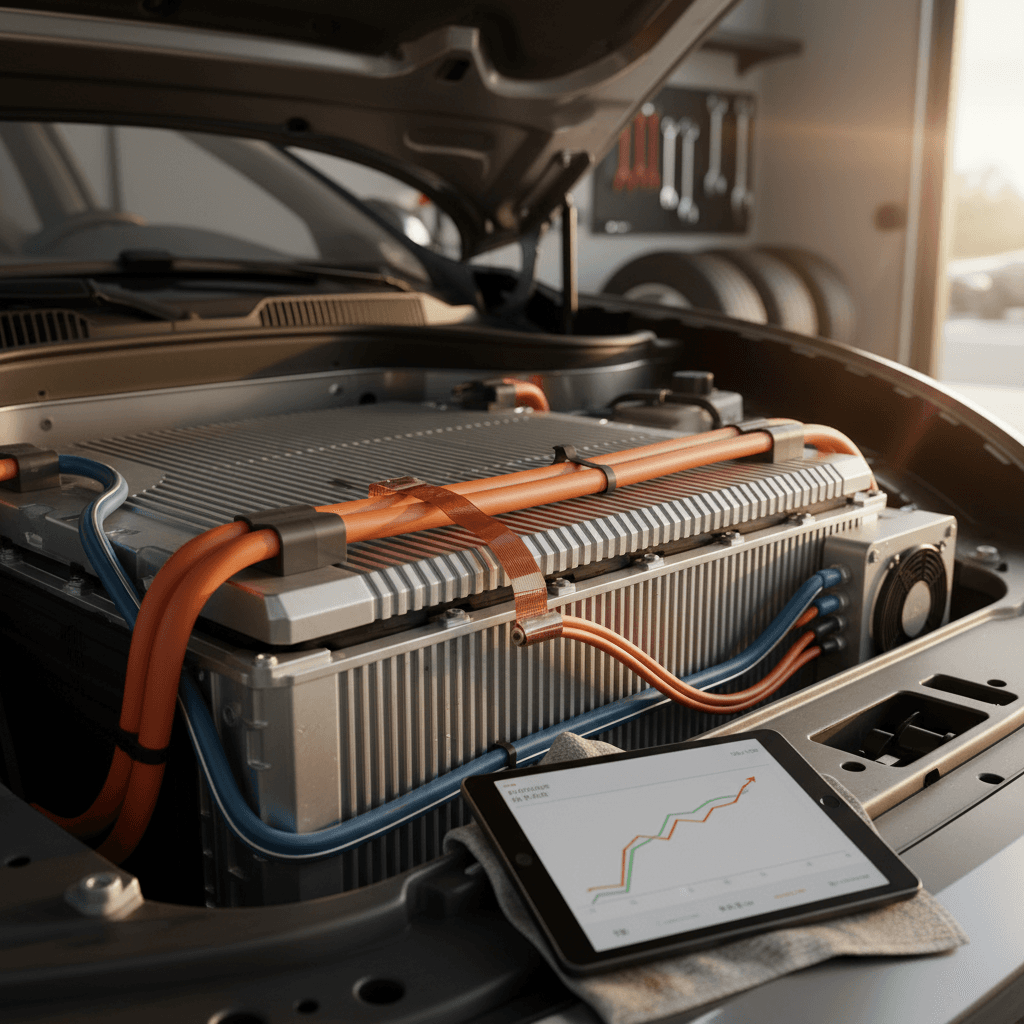
If your EV uses liquid cooling, have a qualified shop or dealer confirm coolant levels and look for leaks or service bulletins. Cooling pumps and fans are critical in hot weather, catch problems now, not when you’re stuck at a charger that keeps throttling.
2. Update your EV’s software
Make sure you’re on the latest software. Automakers frequently tweak thermal management, preconditioning behavior, and charging curves via over‑the‑air updates, all of which can improve hot‑weather performance.
3. Check battery health status
Many EVs display a battery health or capacity estimate in the infotainment system. You can also use third‑party apps or a professional report like a <strong>Recharged Score</strong> when you’re shopping for a used EV to see how prior summers have treated the pack.
4. Inspect tires for wear and correct pressure
Heat, heavy loads, and underinflated tires are a bad combination. Set pressures to the placard on the driver’s door while the tires are cold. Proper pressure improves safety, range, and even how the car feels on a long, hot drive.
Where Recharged can help
Smart summer charging habits
You can’t change the weather, but you absolutely can change how and when you charge. A few simple tweaks to your routine will keep your battery cooler and happier while still giving you the range you need.
Smart charging moves for hot weather
- Charge off‑peak and overnight. Cooler air temperatures mean less heat buildup in the pack and lower stress on the grid.
- Use departure timers. Set your EV to finish charging right before you leave, so the battery doesn’t sit at a high state of charge in the heat all day.
- Precondition while plugged in. Cool the cabin (and battery if your car supports it) while the charger is supplying power, rather than drawing that energy from the battery later.
- Prefer Level 2 for routine use. Save DC fast charging for road trips or true needs, especially during heat waves.
Habits that quietly punish your battery
- Regularly fast charging a hot battery. Pulling into a DC fast charger right after a long, fast highway stint on a 100°F day forces the pack to juggle high temps and high charge rates at once.
- Parking full in the sun. Leaving your EV at 90–100% in blazing heat all afternoon is one of the harshest everyday conditions for lithium‑ion cells.
- Letting the car “soak” hot before charging. If the car’s been baking, a short drive to move air under the car before high‑power charging is kinder than going straight to a rapid charger.
Fast charging in a heat wave
Parking strategies to avoid baking your battery
Think of parked time as the part of the day when you have the most control over heat exposure. The car’s not moving, the pack isn’t working, and a little bit of planning makes a big difference over thousands of hours in the sun.
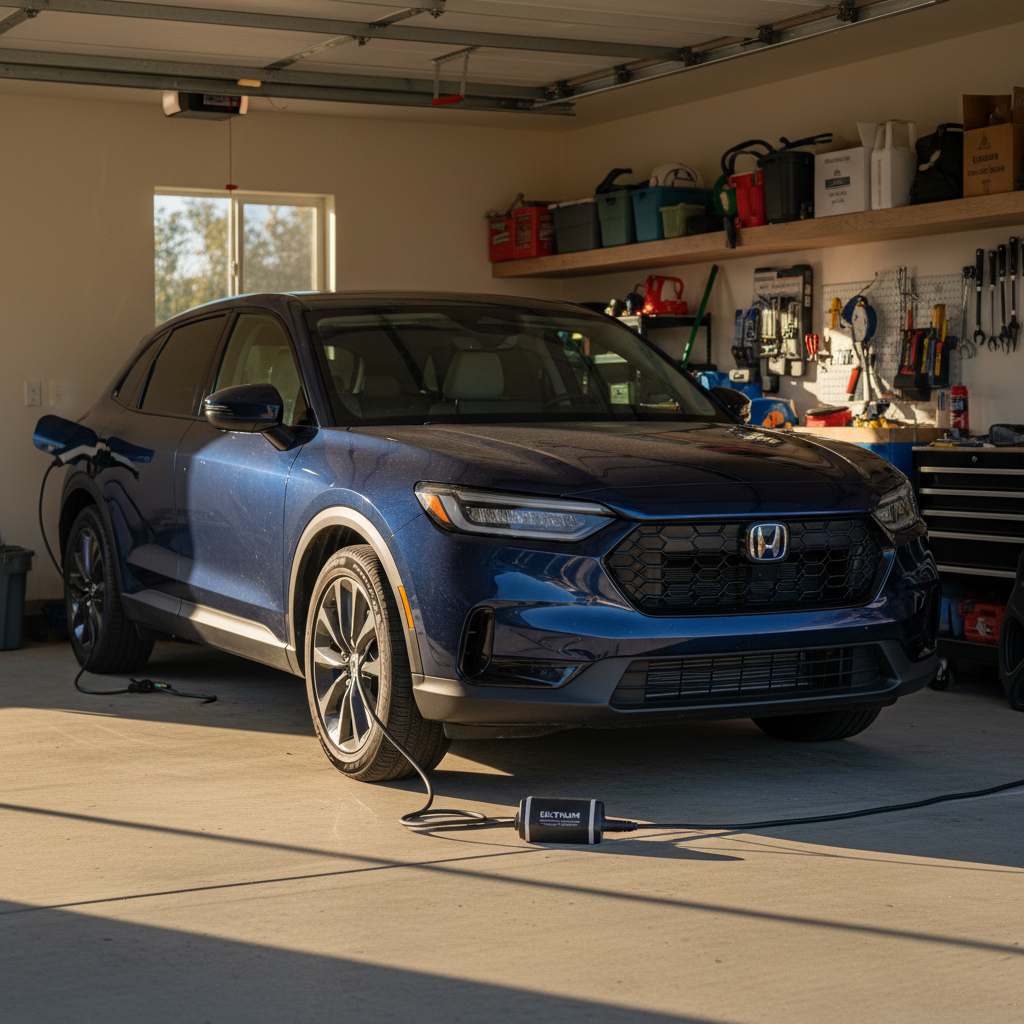
- Whenever possible, park in a garage or under shade (trees, carports, parking decks). Shade doesn’t just keep the cabin pleasant, it reduces how hard your thermal system has to work later.
- If you must park in full sun, avoid leaving the battery at 90–100% for long stretches. For daily use, many automakers recommend charging to 70–80% and saving 100% charges for road trips.
- Use your car’s cabin overheat protection feature if equipped. It’s there to protect occupants and sensitive electronics. Just remember it draws power; pairing it with shaded parking and a reasonable charge limit is ideal.
- A simple windshield sunshade and tinted glass (where legal) can knock several degrees off interior temperatures, reducing A/C load when you return.
Why “full and hot” is the worst combo
Manage cabin comfort without killing your range
One of the joys of an EV is ice‑cold A/C on a blazing day, even at idle. You don’t have to feel guilty about letting it run, but you should understand the tradeoffs and take advantage of the tools your car gives you.
Cool cabin, reasonable energy use
Stay comfortable without sacrificing half your battery to the A/C.
Use preconditioning every chance you get
Use the app or in‑car schedule to cool the cabin while plugged in. That way the big energy spike for initial cool‑down comes from the grid, not your battery. On a road trip, start preconditioning a few minutes before you unplug.
Let the car’s climate brain work
Set the climate to Auto and a reasonable temperature (72–75°F). The car will adjust fan speed and A/C output more efficiently than constant manual fiddling, which often overshoots and wastes energy.
Lean on seat and wheel coolers
If your EV has ventilated seats or a cooled steering wheel, use them. They make you feel comfortable at slightly higher cabin setpoints, which trims energy use without feeling like a sacrifice.
Vent the cabin before blasting A/C
On very hot days, crack the windows or open the doors for 30–60 seconds before shutting everything and turning the A/C on. Dumping the hottest air first means the system doesn’t have to work quite as hard.
How much range does A/C really use?
Driving and trip planning in hot weather
Heat won’t keep you from taking that summer road trip, but it should change how you plan. Think of it as adding one more layer, temperature, on top of the usual range and charging math you already do.
Hot‑weather driving: habits that help vs. habits that hurt
Small changes in speed and planning can add up to big differences in how your EV feels on a 95°F day.
| Situation | Do this | Not this |
|---|---|---|
| Highway cruising | Target a steady, moderate speed; aerodynamic drag and A/C use stay under control. | Drive 80–85 mph with the A/C blasting, then be surprised when range plummets. |
| Long climbs in heat | Build in a short cool‑down break or gentle stretch before a DC fast charge. | Hammer up a long grade, then immediately plug into the highest‑power charger you can find. |
| Trip planning | Use EV‑aware route planners that factor in heat, elevation, and charging. | Assume your usual mild‑weather range number will hold on a 100°F day with a full load. |
| Charging stops | Aim to arrive with 10–20% and leave around 60–80%. The middle of the pack charges fastest and stays cooler. | Regularly run down to near zero and charge to 100% at max power in the hottest part of the day. |
Use the left column as your checklist, and try to retire the right column for good.
Plan around shade and amenities
Summer EV maintenance checklist
You don’t have oil changes to worry about, but EVs still appreciate some seasonal attention. A quick once‑over now can save a lot of annoyance later in the summer.
Your 10‑minute summer EV checklist
Confirm tire pressures and inspect tread
Do this monthly in summer. Heat plus underinflation is a recipe for blowouts and wasted range. Look for uneven wear that might point to alignment issues.
Check cabin and battery air inlets
Make sure the grille, lower vents, and any visible cooling intakes are free of leaves, plastic bags, or road debris so airflow stays strong when the car needs it most.
Clean your charging equipment
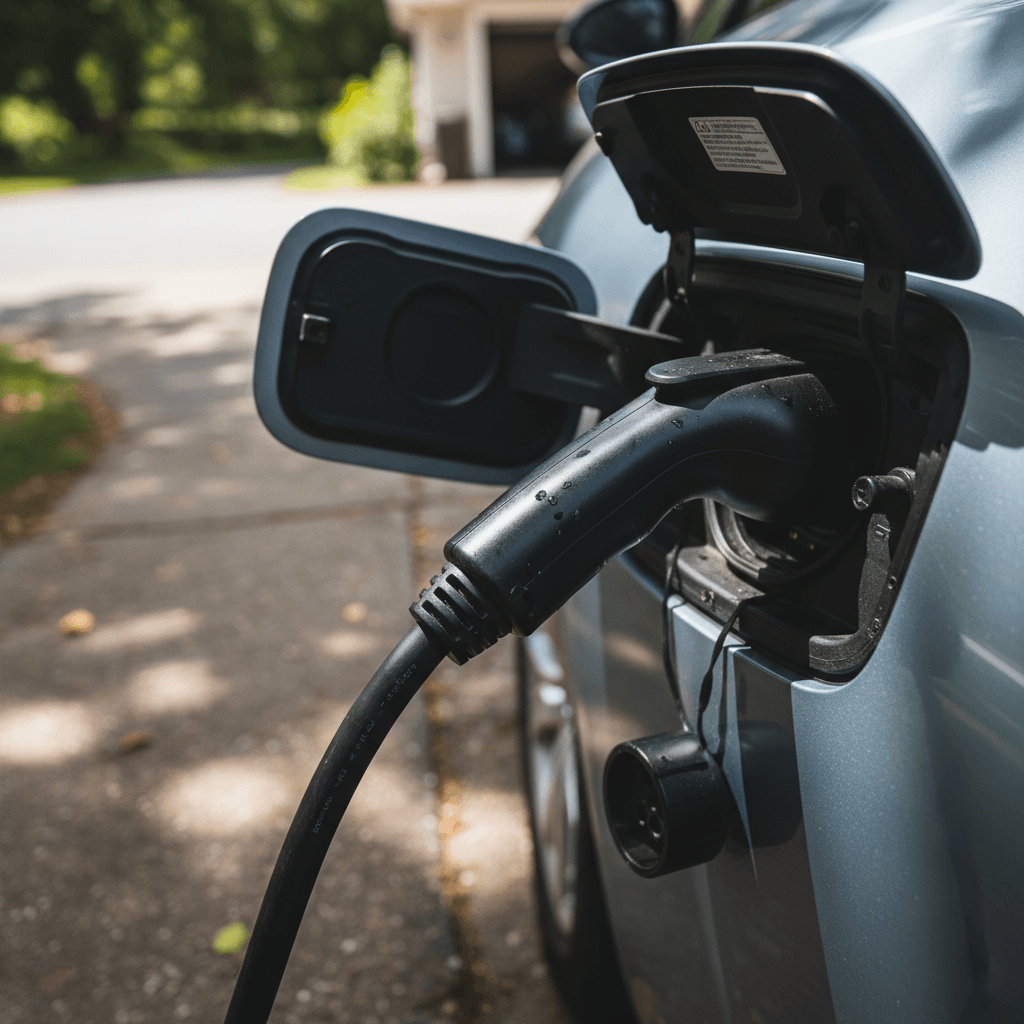
Wipe down home charging cables and handles, and make sure connectors are free of dirt or corrosion. Don’t let cables bake on hot pavement when not in use.
Review your charge limits
For daily use, set a reasonable upper limit (often 70–80%) in your car or app so you’re not routinely sitting at 100% in the heat.
Test your app and remote features
Make sure remote preconditioning, charge scheduling, and cabin overheat protection are enabled and behaving as expected before you really need them.
Special considerations for used and older EVs
If you’re driving, or thinking about buying, a used EV that’s already seen a few summers, heat management deserves extra attention. Earlier battery chemistries and simpler cooling designs can be more vulnerable to hot‑climate abuse.
If you already own an older or used EV
- Dial back your charge target. If you’re in Phoenix or Dallas, consider 60–70% for daily use and only go higher right before longer drives.
- Be conservative with DC fast charging. Use it when you need to, but don’t make 150 kW top‑offs in 105°F heat your daily routine.
- Watch for new noises from pumps or fans. Changes in whirring or humming during hot weather might indicate a hard‑working or failing cooling component.
If you’re shopping for a used EV in a hot region
- Prioritize models with active liquid cooling. They handle repeated heat cycles better than passively cooled packs.
- Ask about where the car lived and charged. A life in a shaded garage with mostly Level 2 charging is kinder than years of street parking and constant fast charging.
- Get an independent battery health report. At Recharged, every used EV listing includes a Recharged Score battery report so you can compare pack health, especially valuable for cars from hotter states.
FAQ: EVs and summer heat
Frequently asked questions about EVs in hot weather
Bottom line: Preparing your EV for summer
Summer doesn’t have to be hard on your EV. If you remember nothing else, focus on three principles: keep the battery out of the worst heat when you can, avoid sitting at 100% in the sun, and charge smart instead of fast by default. Do that, and your car will keep right on delivering the range and performance you bought it for, through this summer and many more.
If you’re looking at a used EV and wondering how past summers have treated its battery, that’s exactly the uncertainty Recharged is built to remove. Every car we sell includes a Recharged Score battery health report, expert guidance on charging and seasonal care, and nationwide support so you can enjoy electric driving with fewer surprises, no matter what the thermometer says.