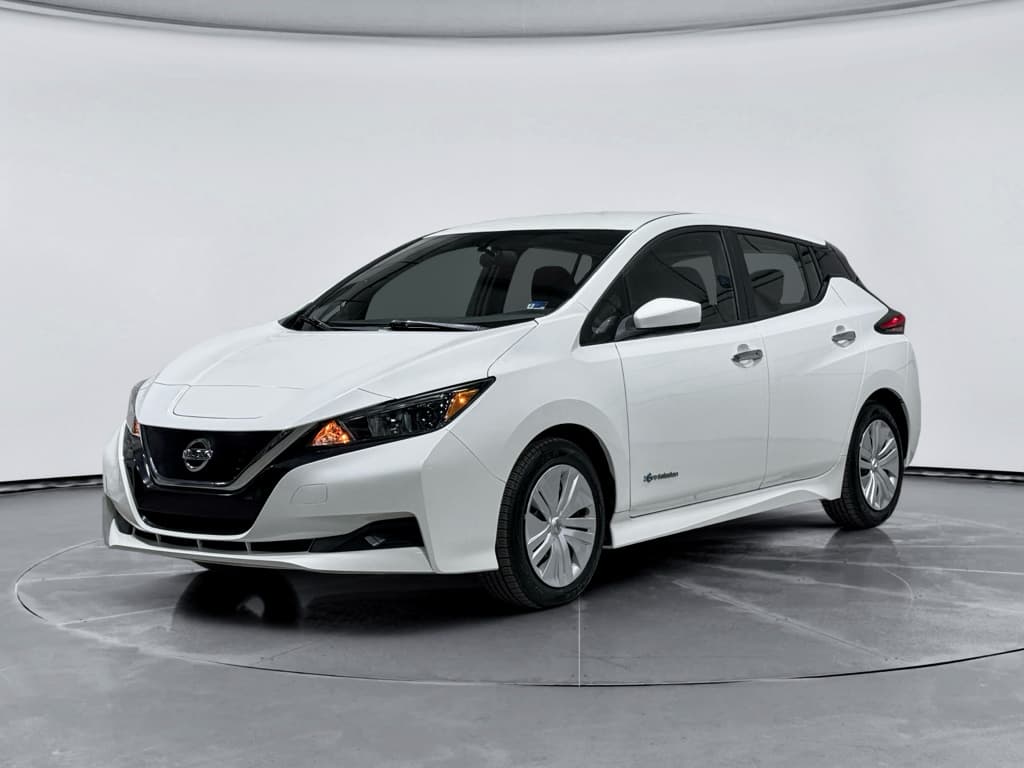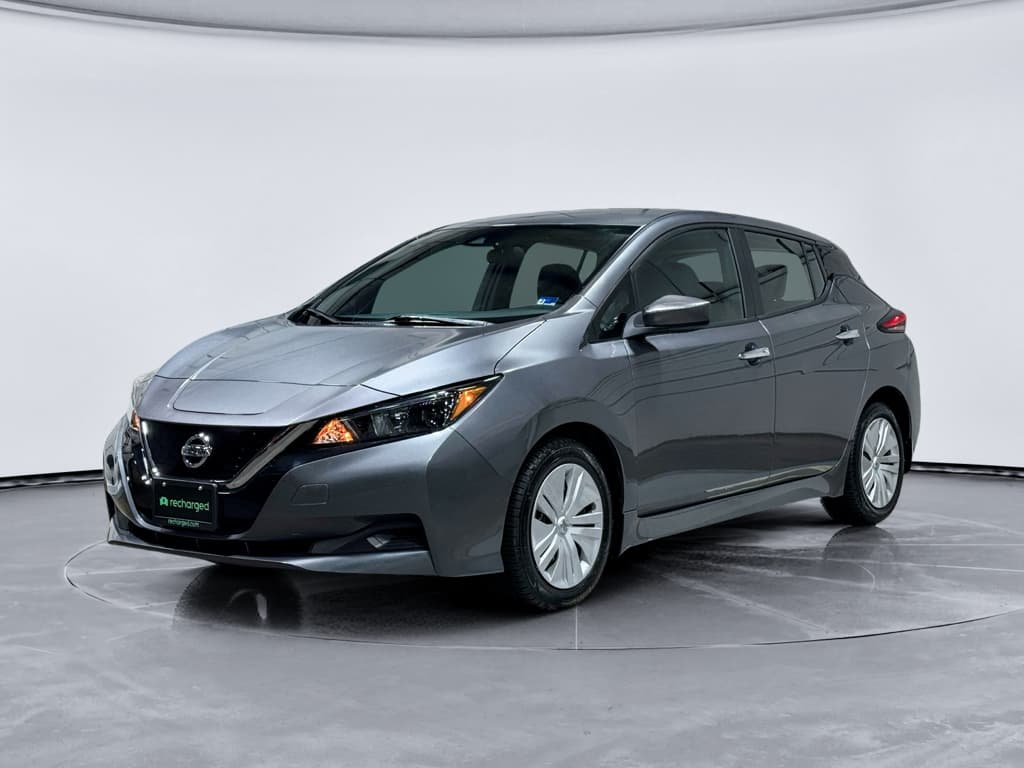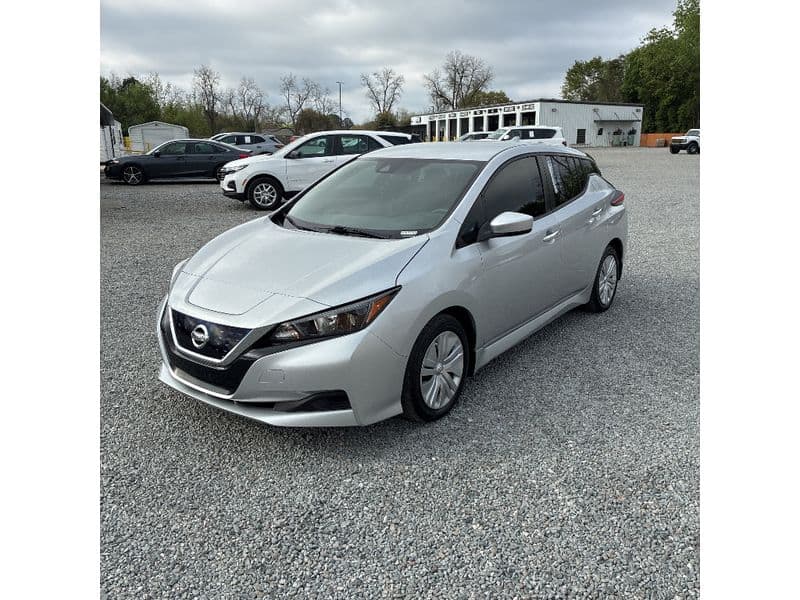
If you’re cross‑shopping a Honda Civic against a Nissan Leaf, you’re really asking one big question: is driving on gasoline cheaper than driving electric once you factor in everything? This guide breaks down Honda Civic vs Nissan Leaf total cost of ownership over 5–10 years for a typical U.S. driver, using realistic fuel, electricity, maintenance, and depreciation assumptions.
Gas vs EV is a wallet question, not a moral one
Why compare Honda Civic vs Nissan Leaf on total cost?
The Civic is the sensible default: efficient, durable, and easy to live with. The Leaf is the original mainstream EV: compact hatchback, low operating costs, and an aging but still compelling package on the used market. On paper, the Civic wins on simplicity and resale value, while the Leaf counters with dirt‑cheap energy and low maintenance. Total cost of ownership (TCO) is how you cut through the noise.
- You’re deciding whether to stick with gas or move to an EV for your commute.
- You’ve found a used Civic and a used Leaf at similar prices and want to know the smarter long‑term play.
- You care less about 0–60 and more about monthly out‑of‑pocket cost.
- You’re trying to understand how fuel, maintenance, and depreciation really compare.
Think in cost per mile, not just monthly payment
Key assumptions and quick specs
To keep this comparison honest and usable, we’ll base it on current U.S. averages and mainstream trims. Numbers aren’t exact for your situation, but they’re close enough to show directionally who wins where.
Representative models and key specs used in this comparison
We’ll use recent‑generation models a typical shopper might buy new or lightly used in 2026.
| Model | Years considered | EPA combined efficiency | Real‑world energy cost assumption |
|---|---|---|---|
| Honda Civic (gas, 2.0L or 1.5T) | 2022–2025 | ~33 mpg combined | Gasoline $3.40/gal long‑run average (around $4.00 now, cheaper some years) |
| Nissan Leaf (40–62 kWh) | 2019–2024 | ~30 kWh/100 mi (3.3 mi/kWh) | Electricity $0.17/kWh national residential average |
If your car’s exact numbers differ a little, the overall pattern will still hold.
Core ownership assumptions used in this article
Your local energy prices matter a lot
Fuel vs electricity: cost per mile
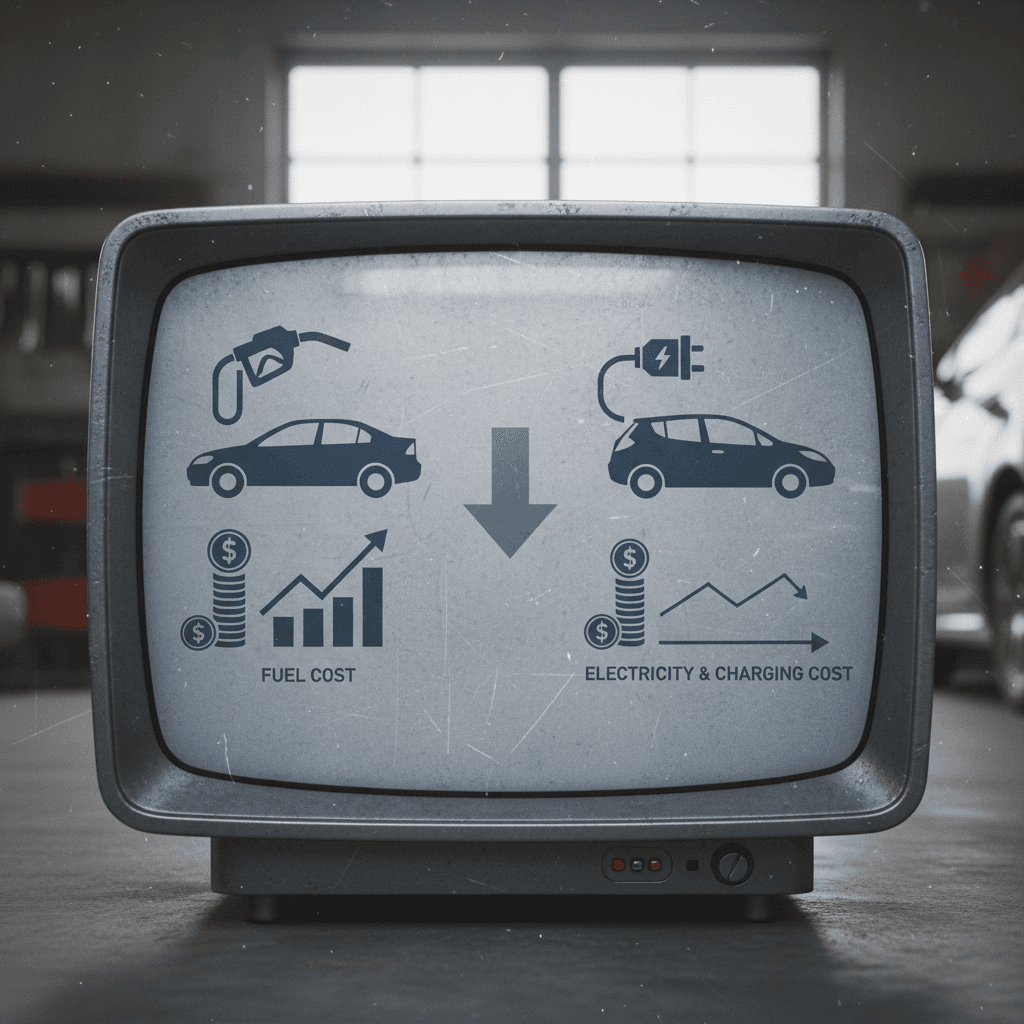
Energy cost is where EVs like the Nissan Leaf earn their keep. Let’s reduce both cars to one simple number: how many cents it costs to move you one mile.
Estimated energy cost per mile: Civic vs Leaf
Using long‑term average energy prices and realistic on‑road efficiency.
| Car | Assumed efficiency | Energy price | Energy cost per mile (rounded) |
|---|---|---|---|
| Honda Civic | 33 mpg | $3.40/gal | $0.10/mi |
| Honda Civic (today’s ~$4/gal) | 33 mpg | $4.00/gal | $0.12/mi |
| Nissan Leaf | 3.3 mi/kWh | $0.17/kWh | $0.05/mi |
| Nissan Leaf (time‑of‑use off‑peak, $0.12/kWh) | 3.3 mi/kWh | $0.12/kWh | $0.036/mi |
Your exact numbers will vary, but the gap between gas and electricity is hard to miss.
At 12,000 miles per year, that translates roughly to:
- Honda Civic fuel: about $1,200–$1,440 per year depending on gas prices.
- Nissan Leaf electricity: about $430–$600 per year, less if you routinely charge off‑peak.
Use time‑of‑use rates to widen the EV advantage
Maintenance, repairs, and battery risk
ICE compacts like the Civic are dead‑reliable, and that’s part of their charm. But they still have hundreds of moving parts: oil changes, belts, exhaust, transmission, spark plugs. The Leaf, by contrast, has almost nothing under the hood but an electric motor, inverter, and a big battery. Its maintenance schedule is mostly tires, cabin filters, and brake fluid every few years.
Typical maintenance patterns: Civic vs Leaf
Think in years, not months, to see the difference.
Honda Civic (gas)
- Regular oil and filter changes (2–3 per year if you drive 12k miles).
- Transmission fluid services over the life of the car.
- More complex exhaust and emissions systems to eventually repair.
- Brake jobs as pads and rotors wear.
Modern Civics are very good at not breaking, but they still need routine care and some wear‑item repairs over 10 years.
Nissan Leaf (EV)
- No engine oil, timing belt/chain, or exhaust system.
- Single‑speed gearbox, no conventional automatic transmission.
- Regenerative braking extends pad and rotor life.
- Simple annual inspections, coolant checks, cabin filter, tires, brake fluid.
The big wildcard is battery health, but routine maintenance is dramatically lighter.
The elephant in the room: Leaf battery degradation
How to sanity‑check a used Leaf battery
Check the battery bars on the dash
A healthy Leaf shows 12 capacity bars. Anything below 10 warrants a price discount; below 9, you should assume serious range loss and treat it almost like a city‑only car.
Look up build year and climate history
Hot states (Arizona, Texas, parts of the Southeast) are tougher on passive‑cooled packs. A Leaf that lived its life in a cooler climate usually ages better.
Scan State of Health (SOH)
Use an OBD2 dongle and an app like LeafSpy or buy through a platform that provides a <strong>battery health report</strong>. Recharged’s <strong>Recharged Score</strong> does this kind of diagnostic work for you.
Plan for your real‑world range
If your daily round‑trip is 40 miles, a Leaf with 100–120 miles of usable range is fine. If you routinely need 140+ miles in a day, a tired battery becomes a constant anxiety tax.
Depreciation and resale value
Depreciation is where the Civic quietly claws back ground. Gas Civics hold value extremely well; Leafs, historically, do not, especially the earlier, short‑range cars. Part of that is battery fear, part of it is fast‑moving EV tech.
Very rough 5‑year depreciation snapshot
These are broad, market‑level patterns, your exact car and mileage will differ.
| Model (new) | Approx. new price | Estimated 5‑yr value drop | 5‑yr depreciation |
|---|---|---|---|
| Honda Civic (new, typical trim) | $26,000 | Retains ~55–60% | Loses ~$10,000–$11,500 |
| Nissan Leaf (new, 40–60 kWh) | $30,000 | Retains ~35–45% | Loses ~$16,500–$19,500 |
The Civic loses value slowly; the Leaf often starts cheaper but sinks faster.
The flip side: depreciation is why used Leafs are cheap
Insurance, taxes, and fees
Insurance can cut either way. The Civic is cheaper to repair after a fender‑bender, but the Leaf may qualify for lower premiums in some markets thanks to lower performance and annual mileage patterns. In practice, for most drivers, insurance costs are roughly in the same ballpark if purchase prices are similar.
- Registration and property taxes (where applicable) usually scale with vehicle value, so a cheaper used Leaf often costs less to register than a newer, pricier Civic.
- Some states still offer EV‑specific fees or discounts; check your DMV site. A few charge extra annual fees for EVs in lieu of gas tax revenues.
- If you buy new, federal and state incentives can drastically change Leaf vs Civic upfront cost, but this article focuses on ongoing ownership, not just the initial transaction.
Don’t forget home charging installation
5‑year total cost of ownership: Civic vs Leaf
Let’s pull it together for a 5‑year, 60,000‑mile horizon. We’ll compare a reasonably efficient Civic against a Leaf you mostly charge at home. To keep things simple, assume similar purchase prices, say you’re choosing between a newer Civic and an older but cheaper Leaf sitting at roughly the same out‑the‑door number.
Illustrative 5‑year ownership cost comparison (60,000 miles)
Assumes similar entry price for both cars to highlight running costs rather than sticker shock.
| Cost category (5 yrs / 60k miles) | Honda Civic (gas) | Nissan Leaf (EV) |
|---|---|---|
| Fuel / electricity | $6,000–$7,200 | $2,200–$3,000 |
| Routine maintenance & minor repairs | $2,000–$3,000 | $900–$1,700 |
| Depreciation impact (if purchased at similar price) | Civic holds value better; smaller % loss | Leaf loses value faster; bigger % loss |
| Insurance (assuming similar purchase price) | $5,000–$6,000 | $5,000–$6,000 |
| Total running costs excluding depreciation | ~$13,000–$16,000 | ~$8,100–$10,700 |
Think of these as directionally accurate ranges, not penny‑perfect quotes.
Over 5 years, the Leaf typically saves you on the order of $3,000–$6,000 in combined fuel and maintenance versus a Civic, assuming average U.S. energy prices and driving. Whether that advantage survives once you factor in depreciation depends heavily on how and what you buy:
- Buy both cars new: The Civic’s slower depreciation narrows the gap; some or all of the Leaf’s running‑cost advantage gets eaten by higher value loss, especially if you sell at year 5.
- Buy both cars used at the same price: The Leaf’s brutal early depreciation is someone else’s problem. You pocket cheaper energy and maintenance while still exiting at a similar resale price as your entry, provided the battery stays healthy.
- Buy a much cheaper Leaf than Civic: The Leaf can win on both upfront price and running cost, at the expense of range and long‑trip flexibility.
Where the Leaf clearly wins
What changes over 10 years and with used cars
Stretch the horizon to 10 years, and the plot thickens. The Civic is like a slow leak: steady fuel, steady maintenance, respectable resale. The Leaf is more like a barbell: big early depreciation, then a long tail of ultra‑cheap miles, right up until battery capacity no longer fits your life.
10‑year Honda Civic story
- Most Civics will easily run 150k–200k+ miles with basic care.
- Total fuel bill starts to look large, especially if gas averages closer to $4/gal in your area.
- Maintenance ramps up in years 8–10: suspension, bigger brake jobs, miscellaneous repairs.
- Still retains meaningful resale value at 10 years if not rusted or abused.
10‑year Nissan Leaf story
- Energy and routine maintenance costs stay low year after year.
- Battery degradation becomes the central question around years 8–10, especially for early, small‑pack cars.
- Market value can plateau at a relatively low number, especially if range has dropped.
- If your range needs stay modest, it can be the cheapest daily transportation you’ve ever owned.
Don’t assume a 10‑year plan with an unknown Leaf battery
When a Honda Civic still makes more sense
For all the math that favors the Leaf around town, the Civic hasn’t spent decades on America’s best‑seller lists by accident. There are plenty of perfectly rational reasons to stick with gas.
Scenarios where the Civic is the smarter choice
Total cost of ownership isn’t just about the spreadsheet; it’s about your life.
You do frequent long trips
No reliable home charging
Brutal climate or high‑speed driving
Don’t buy an EV to “live” on public DC fast charging
How Recharged helps if you’re considering a used Leaf
If this comparison has nudged you toward a Leaf, or confirmed your suspicion that a used EV might be a steal, you don’t have to fly blind. Battery uncertainty is exactly the problem Recharged was built to solve.
What you get with a Leaf bought through Recharged
Verified battery health via Recharged Score
Every EV on Recharged comes with a <strong>Recharged Score Report</strong> that includes battery diagnostics, not just a guess based on model year and mileage.
Transparent, fair pricing
Listings are benchmarked against market data, factoring in battery health and equipment so you’re not overpaying for a Leaf with a tired pack.
EV‑specialist guidance
Recharged’s EV specialists can walk you through whether a particular Leaf’s range actually fits your daily use, and whether a Civic, a hybrid, or another EV might suit you better.
Financing, trade‑in, and delivery
From <strong>financing</strong> and trade‑in offers to <strong>nationwide delivery</strong> and even an in‑person Experience Center in Richmond, VA, Recharged is set up to make used EV ownership feel as straightforward as buying any mainstream compact.
Frequently asked questions: Civic vs Leaf costs
Civic vs Leaf total cost of ownership: common questions
Bottom line: which is cheaper to own?
If your life is dominated by local miles and you can reliably charge at home, the Nissan Leaf usually wins the total cost of ownership battle against a Honda Civic over 5–10 years. Its electricity and maintenance savings are substantial, especially if you buy used after someone else has taken the big depreciation hit. But the Leaf asks for something in return: comfort with limited range and a clear understanding of the battery you’re buying.
The Civic remains the Swiss‑Army compact: go‑anywhere range, excellent reliability, and strong resale value. For drivers who road‑trip often, lack home charging, or simply don’t want to think about kilowatts and battery bars, its slightly higher running costs may be a price worth paying.
If you’re leaning toward a used Leaf, or just want to see concrete numbers on real cars rather than theoretical charts, browse the Leaf listings on Recharged. Every car includes a Recharged Score Report with verified battery health and fair‑market pricing so you can see, in black and white, whether the EV side of this Civic vs Leaf equation really pencils out for you.