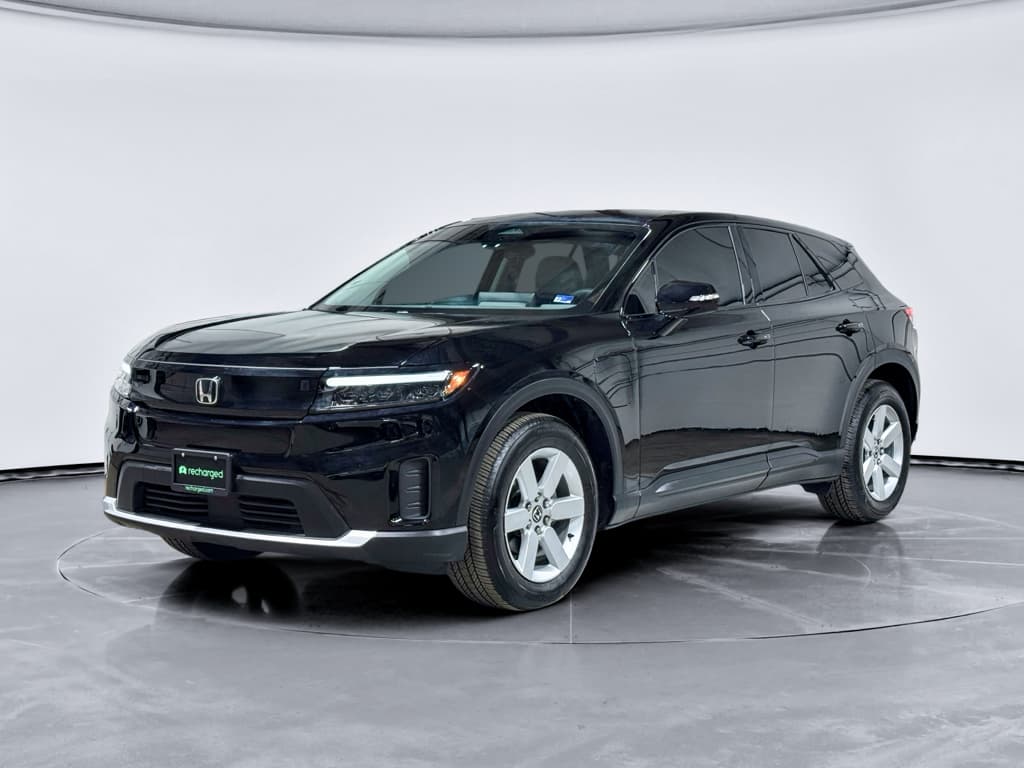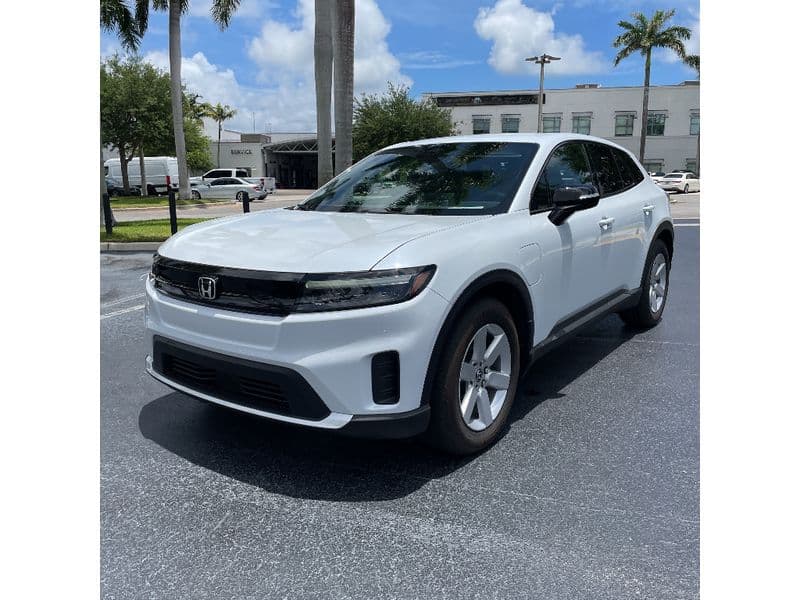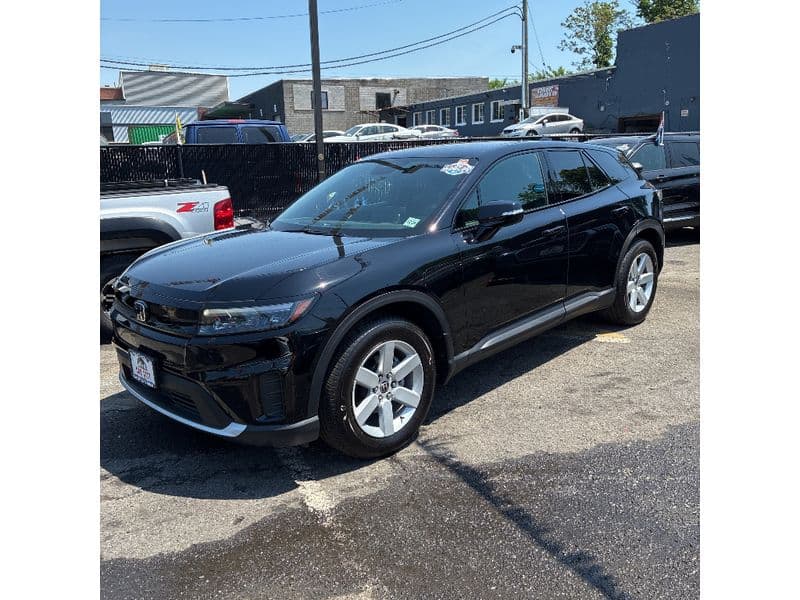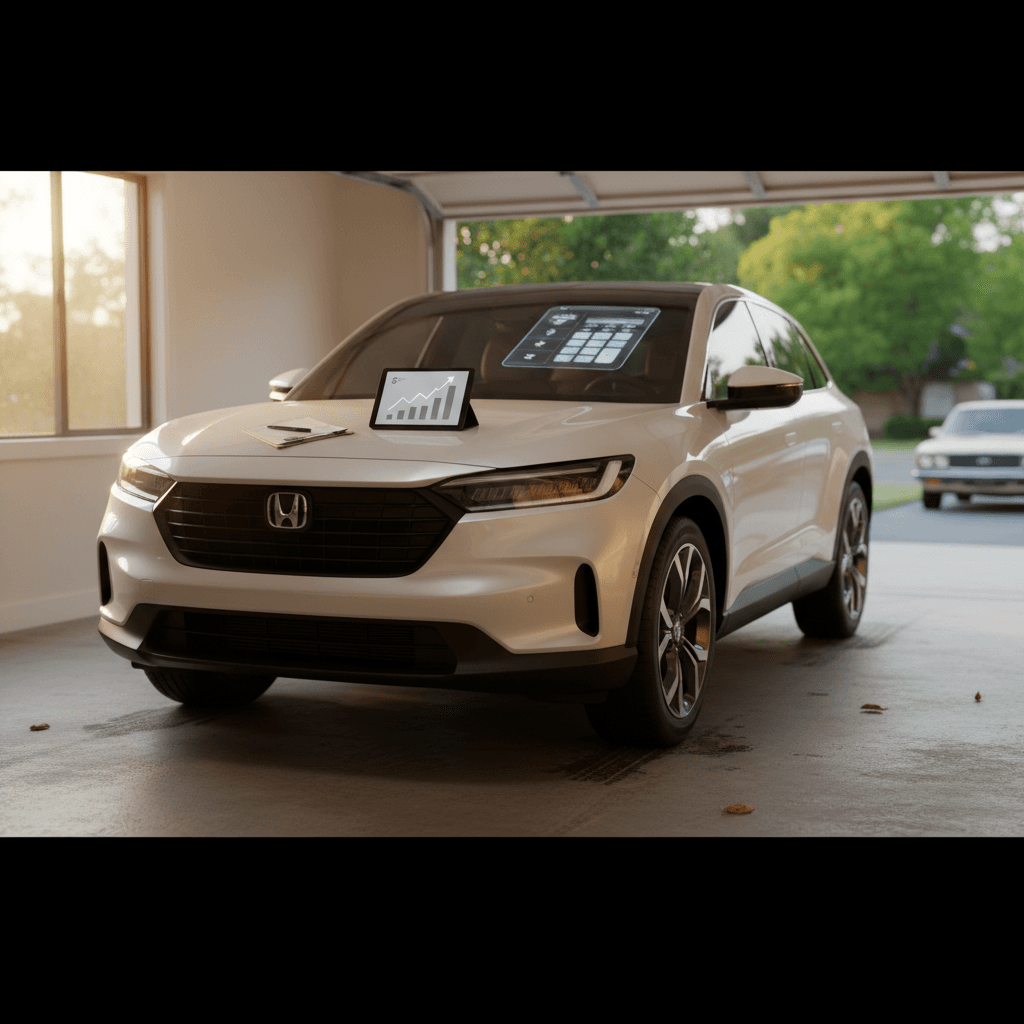
If you’re looking at Honda’s all‑electric Prologue, you’re probably doing the smart‑person math: tax credits, charging costs, battery life…and then you wonder, **how much is insurance on a Honda Prologue** going to run me every year? Insurers are still figuring EVs out, and that uncertainty shows up in your premium.
Quick context
Honda Prologue insurance at a glance
Honda Prologue insurance in 2026: ballpark numbers
Because the Prologue is new and sold in smaller numbers than, say, a Honda CR‑V, you won’t find one universal, model‑specific average yet. But we *can* triangulate from national insurance data, what mainstream electric SUVs cost to insure, and early owner reports in places like New Jersey, Florida, and California. The result is a realistic range you can use for budgeting, then adjust based on your own profile.

So how much is insurance on a Honda Prologue?
Estimated Honda Prologue insurance costs (2026, U.S.)
Ballpark full‑coverage premiums for a Honda Prologue, assuming typical U.S. driver profiles. Use this as a planning guide, not a quote.
| Driver profile | Monthly estimate | Yearly estimate | What this usually looks like |
|---|---|---|---|
| Clean record, 40s, suburban area | $145–$190 | $1,750–$2,250 | Many mainstream EV owners with a good record and solid credit land in this band. |
| Clean record, 20s, urban area | $210–$280 | $2,500–$3,300 | Younger city drivers pay more for any car; an EV SUV like the Prologue is no exception. |
| One at‑fault accident or ticket | $250–$330 | $3,000–$4,000 | Recent claims or violations can push an otherwise average Prologue premium well above $3k. |
| High‑risk driver or very high‑cost state | $330+ | $4,000+ | States with expensive insurance (FL, LA, NY, MI, etc.) and high‑risk histories can see eye‑watering Prologue quotes. |
Real‑world quotes will depend on your age, driving record, credit, ZIP code, mileage, and how you insure other vehicles in your household.
Not a quote
Honda as a brand tends to sit on the friendlier side of the insurance spectrum, CR‑V, Accord, and Civic are often among the **cheaper mainstream models to insure**. With the Prologue, you’re paying a bit of an EV tax: high‑voltage battery pack, expensive body panels, and a lot of sensors and cameras. But this isn’t a six‑figure luxury spaceship; it’s a family‑sized electric SUV. That keeps it closer to a nicely optioned gas CR‑V than a Tesla Model X when insurers do their math.
Why EVs like the Prologue often cost more to insure
1. Expensive batteries and parts
When a big impact gets anywhere near an EV’s battery pack, shops have to take the cautious (and costly) route. Replacing a high‑voltage pack or its associated hardware can run into five figures. Even if your Prologue only needs bodywork, insurers price in that potential exposure.
2. Specialized repair networks
Not every collision shop is certified or comfortable working on EVs. Fewer qualified shops plus longer repair times equals higher claim payouts. Insurers bake those costs into premiums, especially for newer models where parts pipelines are still maturing.
3. ADAS adds safety, and repair cost
The Prologue is loaded with Honda Sensing driver‑assist tech, cameras, and radar. These features help you avoid accidents and can improve crash outcomes, but when they do get damaged, repairs are pricier than replacing a plain plastic bumper on a 2010 Civic.
4. Limited historical data
Insurers love data. The Prologue went on sale in the U.S. for the 2024 model year, which means underwriters don’t yet have a decade of loss history. When they’re unsure, they tend to err on the high side until real‑world claim data tells them otherwise.
EVs are getting cheaper to insure, slowly
13 factors that shape your Honda Prologue premium
What insurers look at when pricing your Prologue
1. Where you live
ZIP code matters. Dense urban areas with higher theft and crash rates cost more to insure than quiet suburbs. Some states, Florida, Louisiana, New York, Michigan, are simply expensive for auto insurance across the board.
2. Your driving record
Recent at‑fault crashes, speeding tickets, or DUIs move you into a riskier bucket. A clean record of three to five years is one of the strongest levers for keeping a Prologue’s premium in check.
3. Age and driving experience
A 22‑year‑old in a downtown apartment and a 52‑year‑old homeowner in the suburbs will not see the same Prologue quote. Insurers treat youthful inexperience as a risk multiplier, EV or not.
4. Annual mileage
If your Prologue is your road‑warrior commuter at 18,000 miles per year, you’re exposed to more potential accidents than someone putting on 7,000 miles mostly on weekends. Many carriers ask you to estimate mileage up front.
5. Coverage levels and deductibles
Full coverage with low deductibles (like $250) and high liability limits costs more than a higher‑deductible policy. The car is the same; the policy structure is what changes the price.
6. Credit‑based insurance score (where allowed)
In many states, insurers use a credit‑based score as a risk proxy. Better credit tends to lower your rate; weaker credit can raise it, even for the same Prologue and driving record.
7. Prologue trim and MSRP
An Elite AWD with more hardware and a higher sticker price is more expensive to replace than a base EX. Insurers look at replacement cost, including options and destination charges.
8. Safety and anti‑theft features
Standard Honda Sensing, a strong crash structure, and typical Honda reliability all work in your favor. Add‑on anti‑theft devices or tracker systems can sometimes trigger extra discounts.
9. How you use the car
Personal pleasure and commuting typically sit at one price level. Business use, rideshare, or delivery work is another story, some carriers either up‑charge or decline that usage altogether.
10. State‑level insurance rules
Each state has its own minimum coverage requirements and liability climate. No‑fault states, mandatory PIP, and generous lawsuit environments all tend to inflate premiums.
11. Bundling with home or renters
Insuring your Prologue with the same company that covers your home or renters policy can unlock sizable multi‑policy discounts, sometimes 10–20% off auto.
12. Number of drivers and vehicles
A multi‑vehicle household can snag discounts, but adding high‑risk drivers (like teenagers or people with tickets) to your policy will pull Prologue premiums up.
13. Telematics and usage‑based programs
Many insurers now offer apps or plug‑ins that monitor how you drive. Smooth braking, low nighttime mileage, and no hard acceleration can cut your Prologue premium substantially over time.
EX vs Touring vs Elite: Does trim change insurance cost?
The Honda Prologue line‑up in the U.S. centers on three trims, **EX**, **Touring**, and **Elite**, with single‑motor front‑wheel‑drive and dual‑motor all‑wheel‑drive variants. The higher you climb, the more equipment and the higher the MSRP. Insurance companies notice.
How Prologue trims typically affect insurance
Same driver, same location, different trims: here’s what usually changes.
EX (FWD or AWD)
Usually the lowest to insure because it’s the least expensive to replace. Still well‑equipped with Honda Sensing and modern tech, so safety‑related discounts should apply.
Think of this as the baseline quote most comparison sites will show you.
Touring
Adds comfort, convenience, and often nicer interior materials and audio. The higher MSRP inches your comprehensive and collision premiums up, but not dramatically.
Many owners report only modest increases vs. EX for nicer daily‑driver spec.
Elite (almost always AWD)
The priciest trim with standard dual‑motor AWD. More hardware up front, more expensive wheels and tires, and a higher sticker give insurers more to cover, so premiums tend to be highest here.
It’s not exotic‑EV money, but you’ll feel the jump vs. an EX FWD.
Trim choice vs. insurance
7 smart ways to lower Honda Prologue insurance costs
- Shop at least 3–5 insurers instead of accepting the renewal from your current carrier.
- Adjust deductibles on comprehensive and collision to a level you could comfortably pay in an emergency.
- Bundle your Prologue policy with your home or renters insurance.
- Opt into telematics or usage‑based programs if you’re a consistently smooth, low‑mileage driver.
- Ask about EV‑specific, low‑mileage, or green‑vehicle discounts, not every agent advertises them.
- Keep your driving record clean for three continuous years; avoid minor at‑fault fender‑benders where possible.
- Re‑shop your policy when you move, add a driver, or your credit improves, big life changes can unlock savings.
How Recharged can help
Ready to find your next EV?
Browse VehiclesLeasing vs. buying a Prologue: What changes for insurance?
If you lease your Honda Prologue
- The leasing company will almost always require **full coverage** with relatively high liability limits.
- They may specify maximum deductibles (for example, no more than $500) to protect their asset.
- Gap coverage is often baked into the lease, which protects you if the Prologue is totaled and worth less than the payoff.
All of this nudges your premium upward, even though the car itself is the same.
If you buy your Honda Prologue
- You still want full coverage on a new EV, but **you** decide deductibles and liability limits.
- You can choose whether to buy gap coverage through an insurer, lender, or not at all.
- As the Prologue ages or if you later own it outright, you can reassess whether comprehensive and collision still make sense.
Ownership gives you more levers to pull, which can bring the cost down after the first few years.
Don’t skimp below replacement value
Does a used Honda Prologue cost less to insure?
Short answer: usually **yes, but modestly**. Insurance companies care a lot about replacement cost. As a Prologue gets a few years old and its market value falls, comprehensive and collision coverage often get cheaper. Liability coverage, what pays for damage you do to other people, doesn’t change as dramatically with age.
New vs. used Prologue: insurance dynamics
What often happens as a Prologue ages on your policy.
New or nearly new
Higher MSRP, higher potential repair costs, and lenders or lessors insisting on robust coverage. Think of this as the peak insurance phase for your Prologue.
3–6 years old
Market value has come down, so comprehensive and collision may cost less, especially on a clean‑record driver. If you buy a used Prologue through a marketplace like Recharged, you might see a more gas‑SUV‑like premium, particularly in lower‑cost states.
If you’re shopping used, this is where Recharged shines. Every vehicle on the platform includes a **Recharged Score Report** with verified battery health. Insurers love documentation; if your Prologue has clearly been driven and charged gently, that supports the broader story that you’re a low‑risk EV owner.
Where insurance fits in your total EV ownership costs
EV ownership is a four‑part financial play: purchase price, **insurance**, energy, and maintenance. In many AAA and industry cost‑of‑ownership studies, insurance is one of the top three line items for any new car, electric or gas. For compact SUVs, full‑coverage insurance often lands in the $1,700–$2,200 per‑year ballpark nationally, with EV versions at the higher end.
Energy
Most Prologue owners will spend noticeably less per mile on electricity than they would on gasoline in a similar‑sized SUV. Off‑peak home charging makes the math even better.
Maintenance
No oil changes, fewer moving parts, and regenerative braking all help keep routine service costs down vs. a gas CR‑V or Pilot. Tires may wear a bit faster due to EV weight and torque.
Insurance
Where EVs like the Prologue currently give back some of those savings. The goal is to narrow that gap over time with smart shopping, safe driving, and choosing the right trim and usage patterns.
Think in total cost of ownership, not line items
FAQ: Honda Prologue insurance questions, answered
Frequently asked questions about insuring a Honda Prologue
Key takeaways and next steps
Insuring a Honda Prologue in 2026 isn’t cheap, but it also isn’t in the nosebleed league of high‑end luxury EVs. For many drivers, **expecting somewhere around $1,900–$2,700 per year for full coverage** is a reasonable starting point, with big swings based on age, state, driving record, trim, and how you structure your policy.
The smart move is to treat insurance as part of the Prologue’s total ownership story, not a line item you glance at after falling in love with the test drive. Pull multiple quotes before you commit, experiment with deductibles and bundling, and take advantage of every EV‑friendly discount your insurer offers.
If you’d like your next EV decision to feel less like a gamble, consider shopping through Recharged. Every used electric SUV we list, including Honda Prologue–sized options, comes with a **Recharged Score Report** so you can see verified battery health, fair market pricing, and get expert guidance through financing, trade‑in, and insurance prep. That way, the only surprise left is how quickly you stop missing gas stations.