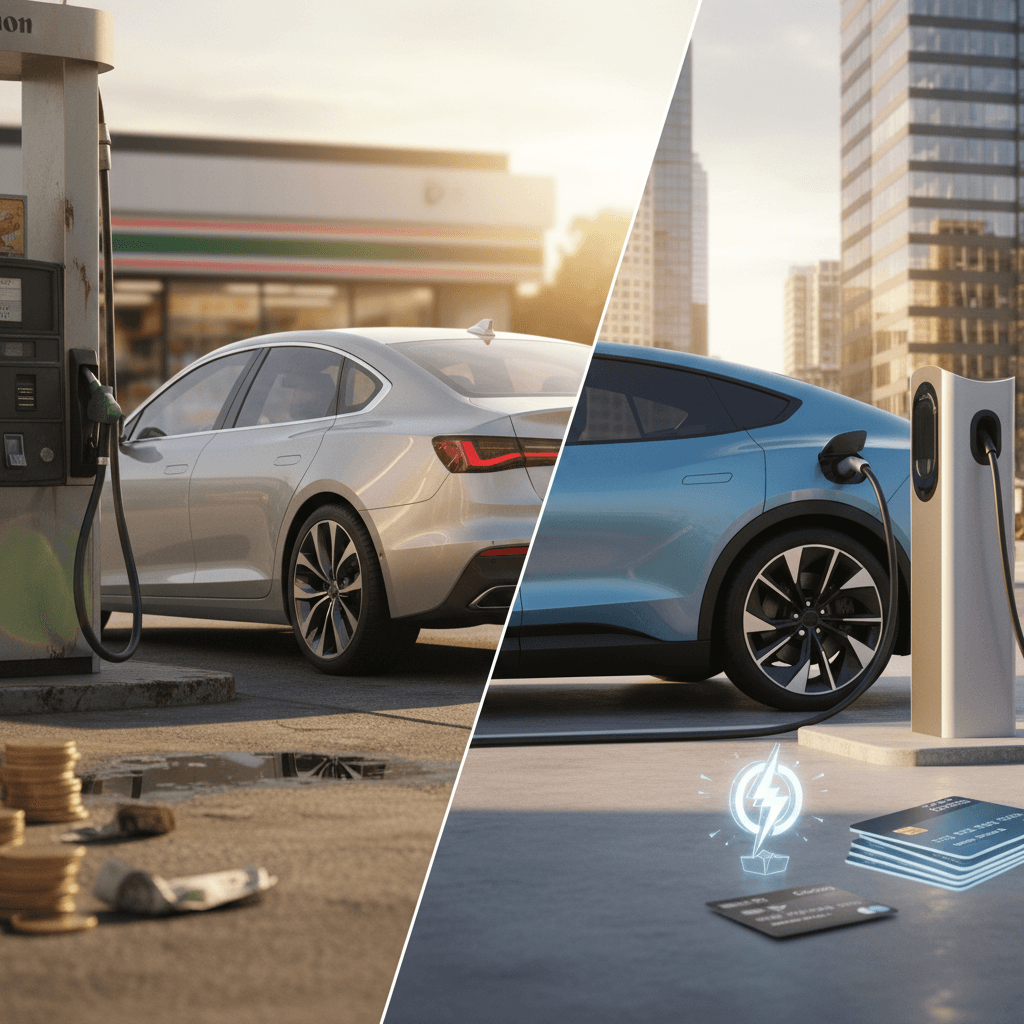
If you own a gasoline car and you’re watching prices at the pump and at the repair shop, it’s natural to wonder: how long do gas cars really last, and when does it stop making financial sense to keep yours on the road? Today’s engines and transmissions can go farther than they did 20 years ago, but so can the repair bills, and used electric vehicles are changing the equation.
Quick answer
Overview: How Long Do Gas Cars Last Today?
A generation ago, if you got 100,000 miles out of a gas car, you felt like you’d won. Today, 200,000 miles is a realistic expectation for a well-maintained vehicle from a mainstream brand. Some models regularly pass 250,000–300,000 miles, especially with mostly highway use and meticulous care.
Gas Car Lifespan at a Glance
Mileage isn’t everything
Gas Car Lifespan: Years vs. Miles
When we talk about how long gas cars last, we’re really talking about two clocks running at the same time: years and miles. Either one can “expire” first.
How many years does a gas car last?
In typical U.S. use, about 12,000–14,000 miles per year, a well-kept gas car can often serve reliably for 13–15 years, sometimes longer. Rust-prone regions, extreme heat, and short-trip driving can shave several years off that.
- Good scenario: Mild climate, garage parking, mostly highway driving.
- Hard scenario: Harsh winters with road salt, stop-and-go commutes, little maintenance.
How many miles does a gas car last?
On the mileage side, a modern gas car that’s been serviced on-time can often reach 180,000–220,000 miles before major components make ownership expensive. Some owners see 250,000+ miles, but that’s the exception, not the rule.
- Under 100,000 miles: Early to mid-life.
- 100,000–180,000 miles: Middle age, watch maintenance closely.
- 180,000+ miles: Late life, repairs vs. replacement becomes a constant question.
A simple rule of thumb
What Really Wears Out on Gas Cars First
Gasoline cars have hundreds more moving parts than an electric vehicle. They don’t usually “just blow up” one day, instead, systems age out one by one until you’re spending more time in the shop than on the road. Here’s what typically goes first.
Common Life-Limiting Parts on Gas Cars
These components often dictate when it’s time to move on
Engine internals
Modern engines are far better than in decades past, but they still rely on timing chains/belts, piston rings, valves, and gaskets. A well-maintained engine can last 200k+ miles, but oil neglect, overheating, or timing failures can end its life sooner.
Transmission
Automatic transmissions are complex and expensive. Around 150k–200k miles, many start to show slipping, harsh shifts, or leaks. A replacement often runs into the thousands, enough to total an older car on its own.
Fuel & ignition system
Fuel pumps, injectors, spark plugs, coils, and sensors keep a gas engine running cleanly. Individually they aren’t always catastrophic, but repeated failures add cost and downtime in later years.
Suspension & steering
Shocks, struts, control arms, and bushings slowly wear out, especially on rough roads. By 150k+ miles, a car may need a suspension refresh to drive safely and comfortably.
Cooling & exhaust
Radiators, water pumps, hoses, and exhaust components all have finite lifespans. Rusty exhausts and leaking cooling systems are common late-life problems that can trigger check-engine lights and inspection failures.
Rust & body structure
In snow-belt states, rust can kill a car even if the engine still runs well. Once structural rust appears on brake lines, subframes, or rockers, repairs often exceed a car’s value.
When safety becomes the issue
Modern Gas Cars vs. the 200,000-Mile Myth
You’ll often hear that “today’s cars are built to go 200,000 miles.” There’s truth in that, but it’s not a guarantee. Think of 200,000 miles as a target with conditions attached, not a promise printed on the window sticker.
- Manufacturing quality and engine design improved dramatically in the 2000s and 2010s, especially for mainstream brands.
- Electronics and emissions systems are more reliable overall, but when they fail, diagnostics and repairs can be pricey.
- Owner behavior, oil changes, fluid services, and how the car is driven, still makes the single biggest difference in longevity.
- Some brands have better long-term track records for engines and transmissions than others. Model choice still matters.
The good news for careful owners
Gas vs. EV: Which Lasts Longer and Costs Less?
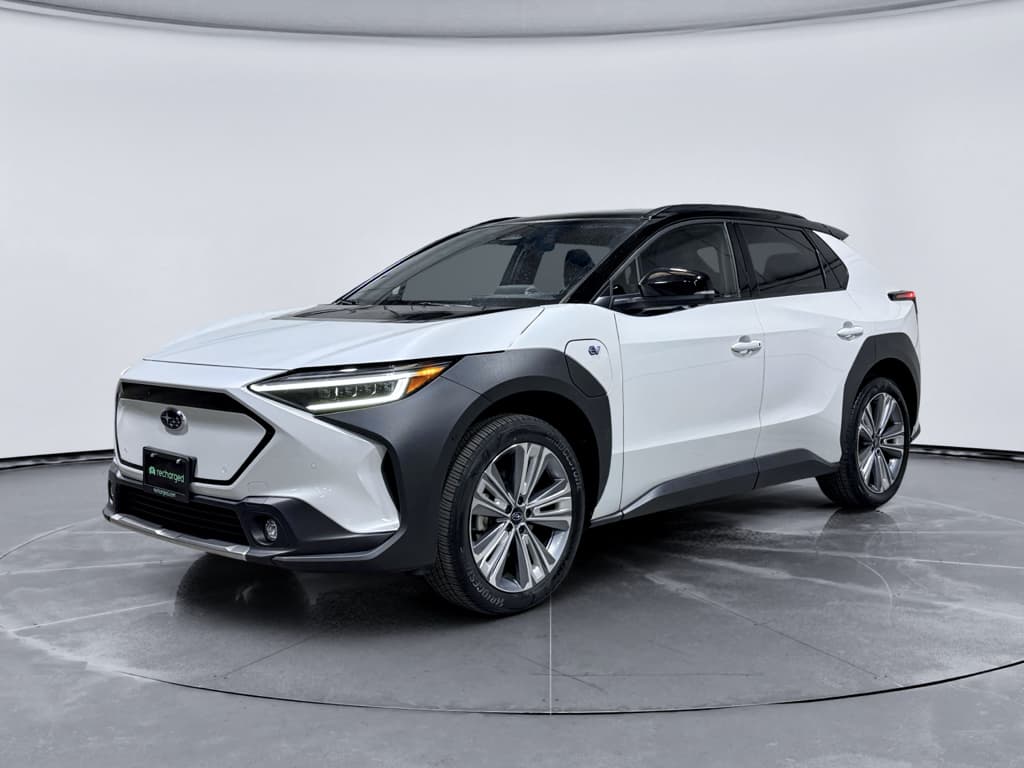
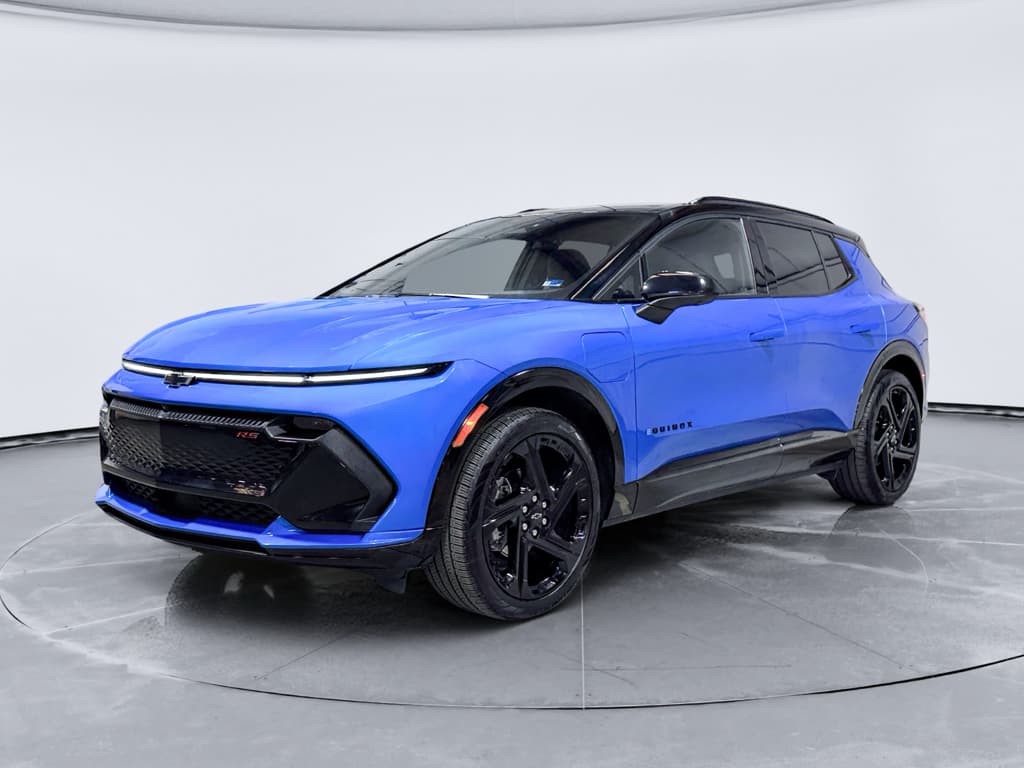
We’re at a turning point. While gas cars can last longer than ever, electric vehicles remove many of the parts that typically end a gas car’s life. That’s why more shoppers are asking whether their next “long-lasting” car should be electric, especially as used EV prices become more approachable.
Longevity profile: Gas car
- Major wear items: Engine, transmission, exhaust, fuel system, cooling system.
- Maintenance rhythm: Oil changes, spark plugs, belts, fluid changes, emissions and fuel system service.
- Late-life pain points: Transmission failures, engine leaks, suspension overhauls, rust, failed catalytic converters.
Gas cars tend to age mechanically. As components wear, costs and downtime gradually rise.
Longevity profile: Electric vehicle
- Major wear items: Battery pack, power electronics, cooling system, suspension, brakes (less wear due to regen).
- Maintenance rhythm: Tire rotations, brake fluid, cabin filters, occasional coolant and software updates. No oil changes or spark plugs.
- Late-life pain points: Battery degradation, out-of-warranty electronic issues, cosmetic wear.
EVs tend to age electronically. When the battery is healthy, the rest of the car often feels surprisingly young even after many miles.
How Recharged factors in battery health
Gas Car vs. Used EV: Ownership Pattern Over Time
Typical experience for a careful owner over 10–15 years.
| Stage | Gas Car Experience | Used EV Experience |
|---|---|---|
| Years 1–5 | Low repairs, predictable maintenance; fuel costs highest expense. | Low maintenance, very few repairs; electricity much cheaper than fuel. |
| Years 6–10 | Increasing repairs (suspension, sensors, cooling); fuel still a major cost line. | Battery typically still strong; software updates and minor maintenance. Tires and brakes more frequent if mileage is high. |
| Years 11–15 | High likelihood of a major repair or multiple medium repairs; rust risk rises in cold climates. | Battery degradation noticeable but often manageable. Decision hinges mainly on remaining range vs. your daily needs. |
Actual costs vary by vehicle, location, and driving style, but the pattern is consistent: gas cars accumulate maintenance, while EVs front-load cost into the purchase and battery.
Should You Keep Repairing or Replace Your Gas Car?
At some point, every owner faces the universal question: Do I fix this again, or is it time to move on? Instead of going by gut feeling alone, use a simple framework that weighs your car’s age, mileage, current value, and upcoming repairs.
5-Step Test: Keep Your Gas Car or Let It Go?
1. Compare one-year repairs to car value
Add up the repairs you expect in the next year, based on shop estimates, inspection recommendations, and known issues. If that total is more than about 50% of the car’s private-party value, it’s a red flag.
2. Look at repair frequency, not just cost
A single $800 repair on a 9-year-old car might be fine. But if you’ve had three $600–$1,000 repairs in 18 months, the car is sending a message. Frequent shop visits often matter more than any one bill.
3. Consider safety and reliability risk
Any vehicle that makes you worry about breaking down on the highway, or failing an upcoming state inspection, is effectively costing you in stress and flexibility. Factor in peace of mind, not just dollars.
4. Be honest about your next 3–5 years
If you expect your mileage, commute, or family needs to grow soon, you may be trying to stretch a car beyond its realistic role. A vehicle that’s "good enough" today might be holding you back a year from now.
5. Price out your alternatives
Get real numbers: what a replacement would cost, what your current car is worth in trade or sale, and what a monthly payment would look like. That’s where tools like payment calculators and pre-qualification help turn guesswork into math.
Use pre-qualification as a planning tool
When Switching to a Used EV Makes Sense
If your gas car is in the late-middle or late stages of its life, a used EV can sometimes offer more life for the same money, especially if you drive mostly locally and have a place to charge at home.
You’re a Strong Candidate to Move On from Your Gas Car If…
Situations where a used EV deserves a hard look
Your gas car is 10+ years old
You’re starting to see predictable age-related issues: suspension wear, warning lights, small leaks. Nothing individually catastrophic, but the trend line is up and to the right.
Fuel is a big monthly expense
If you drive enough that gasoline is one of your top monthly costs, an EV’s lower "fuel" bill can make a well-priced used electric car cheaper to own than continuing to feed an aging gas model.
You can charge at home or work
Home or workplace charging makes an EV feel effortless. Plug in, wake up to a full "tank." If that’s an option for you, it multiplies the value of switching away from gas.
Your driving is mostly local
If most of your trips are commuting, errands, and school runs, you don’t need 400 miles of range. A used EV with 180–250 miles of real-world range can easily handle your daily life.
You’re tired of chasing repairs
If it feels like you’re on a first-name basis with your mechanic, the idea of resetting the clock with a newer, simpler powertrain is appealing, and often financially rational.
You value smooth, quiet driving
Beyond dollars and cents, EVs are simply easier to live with. Instant torque, quiet operation, and no idle vibration can make your old gas car feel outdated the moment you try an electric alternative.
How Recharged simplifies the switch
FAQ: How Long Do Gas Cars Last?
Frequently Asked Questions About Gas Car Lifespan
Bottom Line: Planning Your Next 100,000 Miles
So, how long do gas cars last? With modern engineering and decent care, you can reasonably expect around 200,000 miles and 13–15 years from a typical gasoline vehicle. Some will beat those numbers; others will bow out early due to neglect, rust, or a major failure. The bigger point is that you don’t have to run a gas car all the way to the bitter end for it to have served you well.
As repair bills stack up and your car ages, it’s smart to look ahead, compare the cost of keeping your gas car going to the cost of stepping into something newer and simpler. A well-chosen used EV can give you a fresh start on reliability, lower “fuel” costs, and fewer moving parts to worry about. And with Recharged, you get battery health transparency, fair pricing, and expert guidance so you’re not guessing about the real remaining life in your next car.