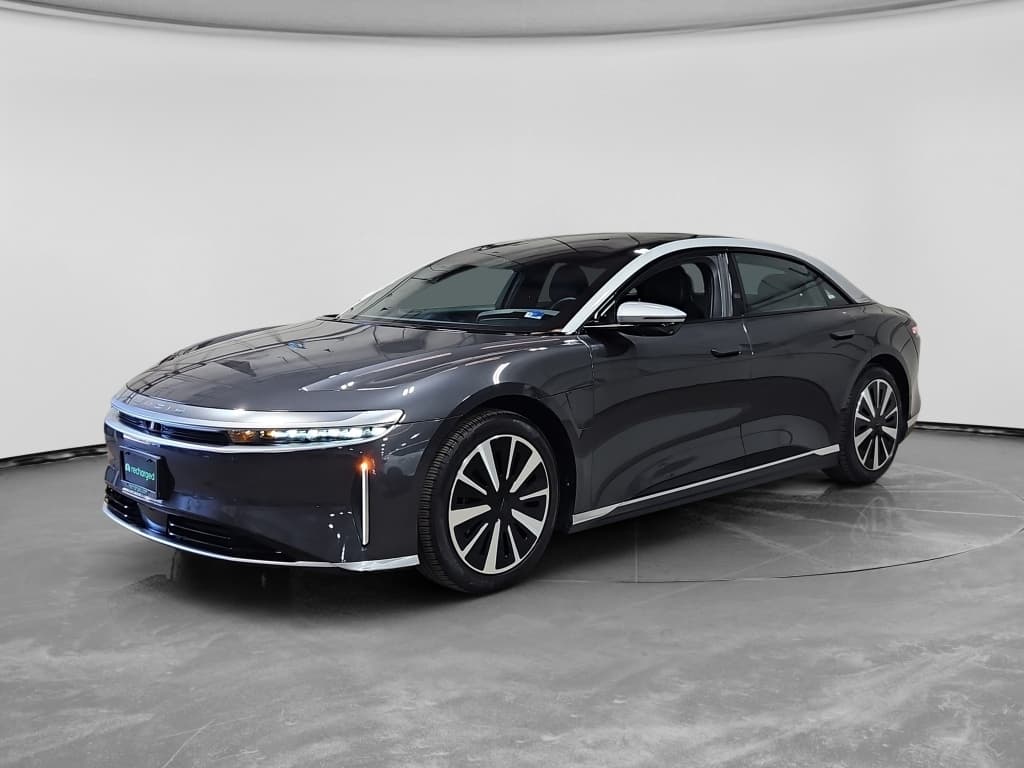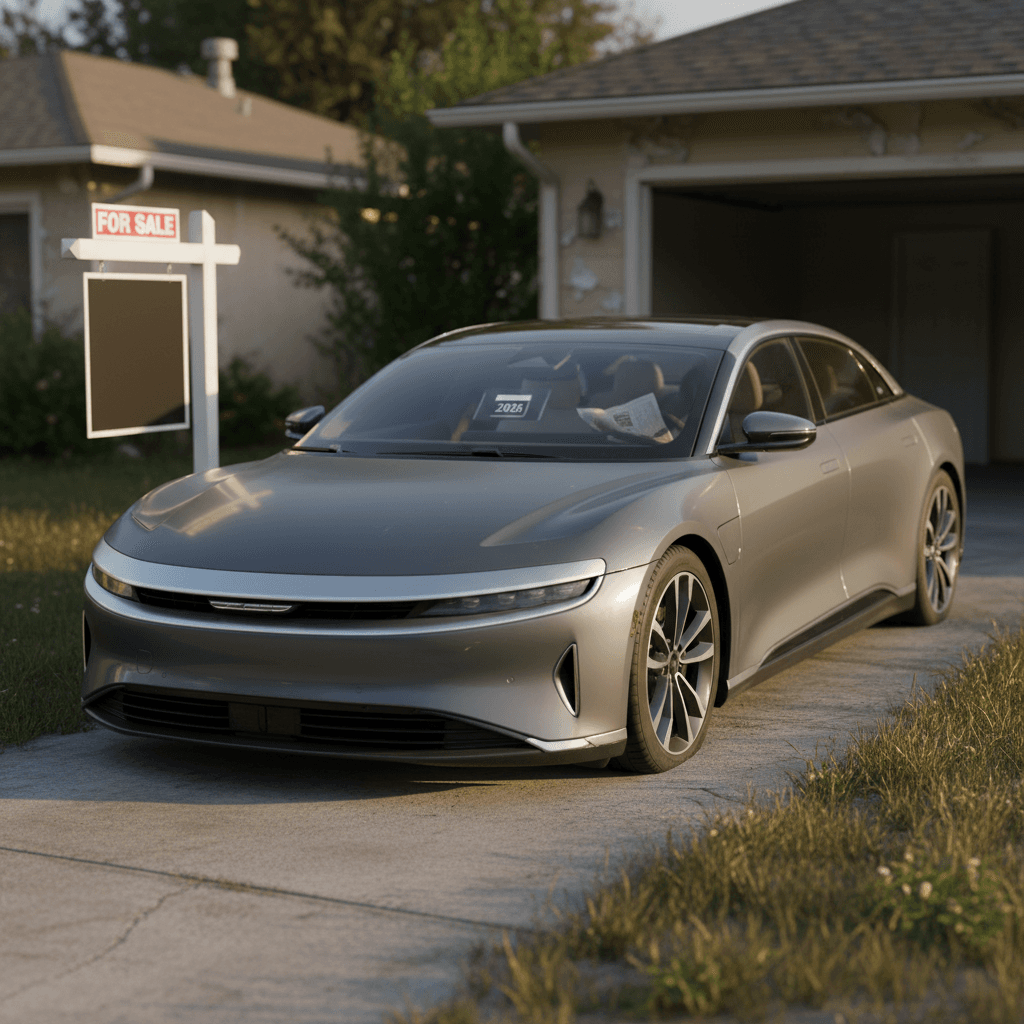
If you’ve been eyeing a Lucid Air, you’ve probably heard the whispers: stunning range and performance, brutal depreciation. So **how fast does a Lucid Air depreciate**, really, and is that a disaster for owners, or an opportunity for used buyers? Let’s unpack the numbers and the story behind them.
Spoiler: depreciation is steep, then stabilizes
Lucid Air depreciation at a glance
Lucid Air depreciation snapshot (2026)
Depreciation data for Lucid is still evolving, they only started delivering the Air in late 2021, but we can already see clear patterns from transaction data, auction results, and market analysis. In early 2026, many nicely equipped 2022–2023 Lucid Airs are listing at **roughly 45–55% below original MSRP**, often with ample warranty left and relatively low miles. That’s more aggressive depreciation than most Teslas, and similar to the worst years of early luxury EVs.
How fast does the Lucid Air depreciate?
Let’s translate market noise into something you can actually plan around. Exact numbers vary by trim, incentives, and how hard the first owner negotiated, but these ranges describe what we’re seeing by early 2026.
Approximate Lucid Air depreciation curve (real‑world 2026 view)
These are directional ranges based on current asking prices and observed transactions, not guarantees. Actual values depend on mileage, condition, spec, and local demand.
| Age of Lucid Air | Typical mileage range | Estimated value vs. original MSRP | What that means in practice |
|---|---|---|---|
| 1 year | 5,000–15,000 miles | ~75–80% of MSRP | Some early cars kept value fairly well, but deep discounts and rebates on new cars can undercut used pricing. |
| 2 years | 10,000–25,000 miles | ~60–70% of MSRP | Biggest hit already taken; many 2022–2023 Airs are thousands below similar‑age Model S and Taycan. |
| 3 years | 20,000–40,000 miles | ~50–60% of MSRP | Sweet spot for value hunters, still under main warranty, but often 40–50% cheaper than original sticker. |
| 5 years (forecast) | 40,000–70,000 miles | ~35–45% of MSRP | Market is still forming, but Lucid’s own brand‑level projection shows only ~37% of value retained at 5 years. |
| 7+ years (forecast) | 60,000+ miles | ~25–35% of MSRP | Assuming the brand and service network remain stable, depreciation should slow and track other high‑end EVs. |
Lucid Air depreciation tends to be front‑loaded: a huge initial drop, then a slower, more normal luxury‑EV glide path.
Depreciation vs. discount, don’t mix them up
Why does the Lucid Air depreciate so much up front?
On paper, the Lucid Air should be a resale monster: huge range, wild performance, gorgeous interior. The reality is uglier for first owners because **depreciation isn’t just about the car, it’s about the company and the market around it.**
Five big forces pushing Lucid Air prices down
Most have nothing to do with the quality of the car you actually drive.
1. Young, unproven brand
Buyers pay a premium for a badge they trust to be around in 10–15 years. Lucid is still proving itself, which makes risk‑averse used buyers demand a discount.
2. High original MSRPs
Many early Airs stickered north of $120,000. Even with big real‑world discounts, there’s a lot of air between that and what a used‑car buyer is willing to pay in 2026.
3. Price cuts and incentives
Frequent MSRP adjustments, factory credits and lease deals depress used prices. Why pay $80,000 used when you can lease new for an eye‑catching monthly payment?
4. Fast‑moving tech
Range, charging speed, and driver‑assist tech evolve quickly. Each software update helps, but buyers still fear that the next battery or chip generation will leapfrog today’s Air.
5. Thin dealer & service network
Lucid’s service footprint is improving but still small. For many used buyers, service anxiety = price discount, even if the car itself is rock solid.
6. Competition from Tesla & others
When a used Model S, Taycan, or EQS is sitting across town for a similar price, buyers demand a deal to take a chance on a newer brand.
The silver lining for used buyers
Lucid Air vs Tesla Model S & Taycan depreciation
To really understand how fast the Lucid Air depreciates, you need to see it next to its natural rivals. Think of this less as a lab experiment and more as a neighborly driveway comparison, what are people actually paying in 2026?
How Lucid Air depreciation stacks up to key rivals
High‑level comparison of 5‑year value retention for flagship luxury EV sedans.
| Model (5‑year old example) | Estimated value retained after 5 years | Real‑world market feel in 2026 |
|---|---|---|
| Lucid Air | ~35–40% (brand‑level forecast has Lucid at ~37.3%) | Best car Lucid builds, but uncertainty and early price cuts push values down more than tech or quality deserve. |
| Tesla Model S | ~45–50% | Stronger brand, thicker buyer pool, and easier charging network access help keep values higher, even with Tesla’s own price chaos. |
| Porsche Taycan (high trims) | ~45–55% | Porsche’s brand and dealer network support better residuals, especially for well‑optioned cars. |
| Mercedes EQS / Audi e‑tron GT | ~40–50% | Legacy brands shore up resale, though some trims fall harder than expected. |
Lucid Air trails top rivals on 5‑year value retention, but the gap isn’t catastrophic, and it creates some sharp used‑car deals.
Where Lucid loses ground
- Brand age: Tesla and Porsche have a decade head start in EV mindshare.
- Network comfort: More buyers feel confident about service and charging with the older players.
- Price volatility: Lucid’s frequent adjustments spook residual‑value models.
Where Lucid quietly wins
- Performance and range per dollar used: A discounted Air Touring or Grand Touring can out‑range and out‑pace rivals for the money.
- Cabin and ride: Many shoppers cross‑shopping in 2026 say the Air simply feels more special inside.
- Warranty coverage: Plenty of used Airs still have years of battery and basic coverage left.
Trim, year and MSRP: how they shape your losses
Not all Lucid Airs fall at the same speed. The year, trim, and how ambitious the original sticker was can change your personal depreciation story by tens of thousands of dollars.
How different Lucid Air configurations depreciate
Think in terms of spec that *used* buyers understand and want, not just launch hype.
Early, high‑MSRP cars (2021–2022 Dream & GT)
Many launched well into six figures. Even if the first owner got big discounts, headline MSRPs were sky‑high, so used buyers expect 50%+ off within a few years.
Pure & Touring (2023–2025)
More attainable stickers and strong specs. These trims tend to have healthier demand on the used market, especially with desirable wheels, colors, and driver‑assist packages.
Special variants & heavy options
Halo models and deeply optioned cars often take the biggest absolute dollar hit, but can be bargains used if you want the full experience without a $150k bill.
Watch actual transaction prices, not just listings
Battery health and software: hidden drivers of value
With EVs, depreciation isn’t just leather and paint. Battery health and software support quietly decide whether a 6‑year‑old car feels like a modern flagship or an orphaned science project.
- Battery degradation: Real‑world Lucid owners are generally seeing modest range loss so far, often a handful of percent in the first couple of years, then a slower decline, but buyers still worry about long‑term pack health.
- Charging standards: The Air’s path to broader fast‑charging access, including adapters for major networks, will influence how comfortable second and third owners feel taking long trips.
- Software support: Frequent over‑the‑air updates improve user experience and perceived longevity; stalled updates, on the other hand, can chill used values quickly.
- Warranty coverage: Lucid’s battery and powertrain warranties (commonly around 8 years / 100,000+ miles depending on model year) help cap downside risk for used buyers shopping in years 3–6.
How Recharged handles Lucid Air battery risk
Lease vs buy: which makes more sense with this depreciation curve?
Lucid’s aggressive depreciation cuts both ways. If you’re set on buying new, leasing is worth a hard look. If you’re willing to let someone else take the punch, buying used can be the smarter play.
Leasing a new Lucid Air
- Pros: Factory is on the hook for residuals; if resale is worse than expected, you can simply hand the car back.
- Cons: You never get to enjoy the upside if Lucid values stabilize or climb. And buyout prices can be out of step with the real market.
- Best for: Drivers who want the latest tech every 2–3 years and don’t want to gamble on a young brand’s long‑term values.
Buying a used Lucid Air
- Pros: Someone else already took the huge first‑owner hit. You can buy a flagship‑level EV for the price of many new mainstream crossovers.
- Cons: You’re betting that Lucid stays healthy as a company and that service access continues to improve where you live.
- Best for: Owners planning to keep the car 5+ years and squeeze maximum luxury out of every dollar.
Leasing trap to avoid
How to shop smart for a used Lucid Air
If you lean into the depreciation curve instead of fighting it, a used Lucid Air can be one of the **best luxury‑EV values** on the road in 2026. Here’s how to stack the deck in your favor.
Used Lucid Air shopping checklist
1. Start with your range and budget needs
Be honest about how much range you really use in a week and how much you’re prepared to spend. That will help you decide between Pure, Touring, and higher trims without paying for power or range you’ll never use.
2. Focus on 3–4 year‑old cars
In many markets, 2022–2023 cars hit a sweet spot: the biggest depreciation already baked in, with plenty of warranty and modern hardware remaining.
3. Demand hard data on battery health
Don’t take vague reassurances. Look for a car with a documented battery health report, like the <strong>Recharged Score</strong>, which quantifies pack condition, charging patterns, and expected future health.
4. Check software and options carefully
Verify current software level, active driver‑assist features, and any subscription‑based options. Features that are missing or turned off can quietly affect value and ownership costs.
5. Look at total cost, not just price
Factor in insurance, taxes, potential charging costs, and what similar cars are likely to be worth when you’re ready to sell or trade. A cheaper car with questionable battery health can cost you more in the long run.
6. Buy from an EV‑focused seller
Lucid is not a typical used‑car puzzle. Working with an EV‑specialist retailer like <strong>Recharged</strong> gives you better inspections, transparent pricing, EV‑savvy financing, and help arranging home charging and delivery.
Try widening your search radius
Is a Lucid Air a good long-term bet?
Whether the Lucid Air is a “good” depreciating asset depends on which side of the curve you’re standing on. If you bought new in 2022 at full sticker, the answer may feel like a resounding no. If you’re shopping for a used luxury EV in 2026, the answer is a lot closer to yes.
- From a **new‑buyer perspective**, Lucid’s current depreciation looks worse than the Tesla Model S and top trims of the Porsche Taycan. You’re paying for a young brand and living with more uncertainty, and the resale data reflects that.
- From a **used‑buyer perspective**, steep early drops mean you can get supercar‑level performance and class‑leading range at a price that once bought you a nicely optioned midsize SUV.
- Looking forward, Lucid’s long‑term depreciation curve will hinge on a few big questions: sustained production, service coverage, charging access, and continued software development. So far, the engineering fundamentals of the Air have aged well; now the business side needs to catch up.
If you want a safe, predictable depreciation story, a Tesla or Porsche may still feel more comfortable today. But if you’re willing to let someone else take the big first‑owner hit, a carefully chosen used Lucid Air, backed by solid battery data and an EV‑savvy seller, can be one of the most compelling ways to slip into a true luxury EV in 2026.