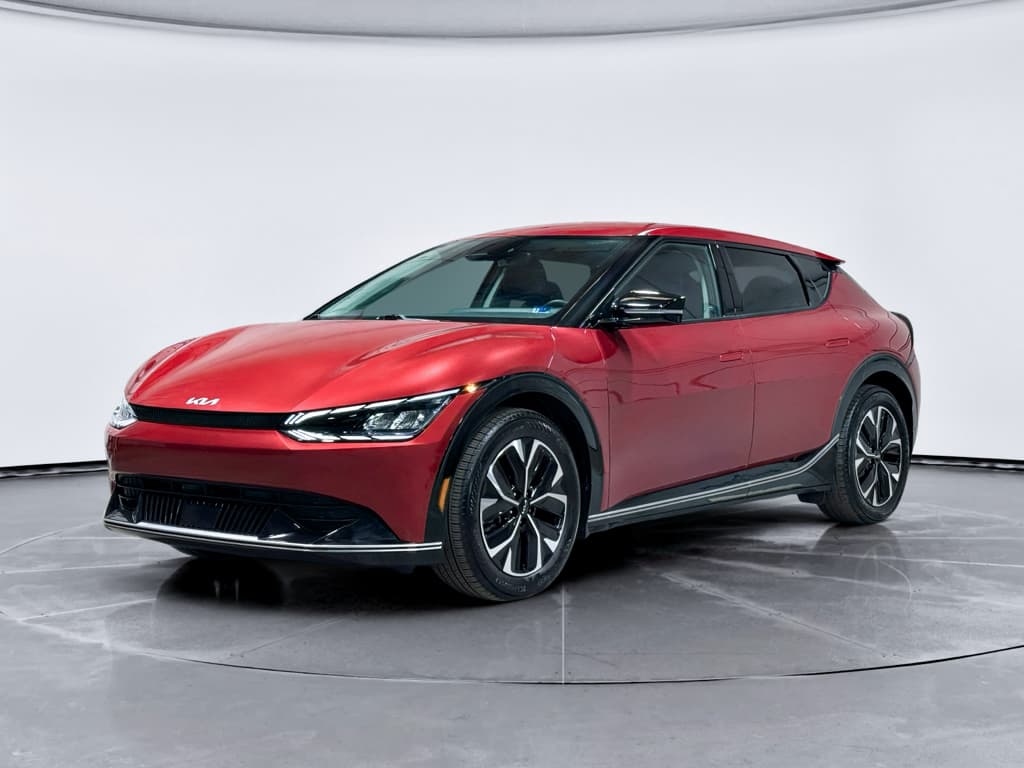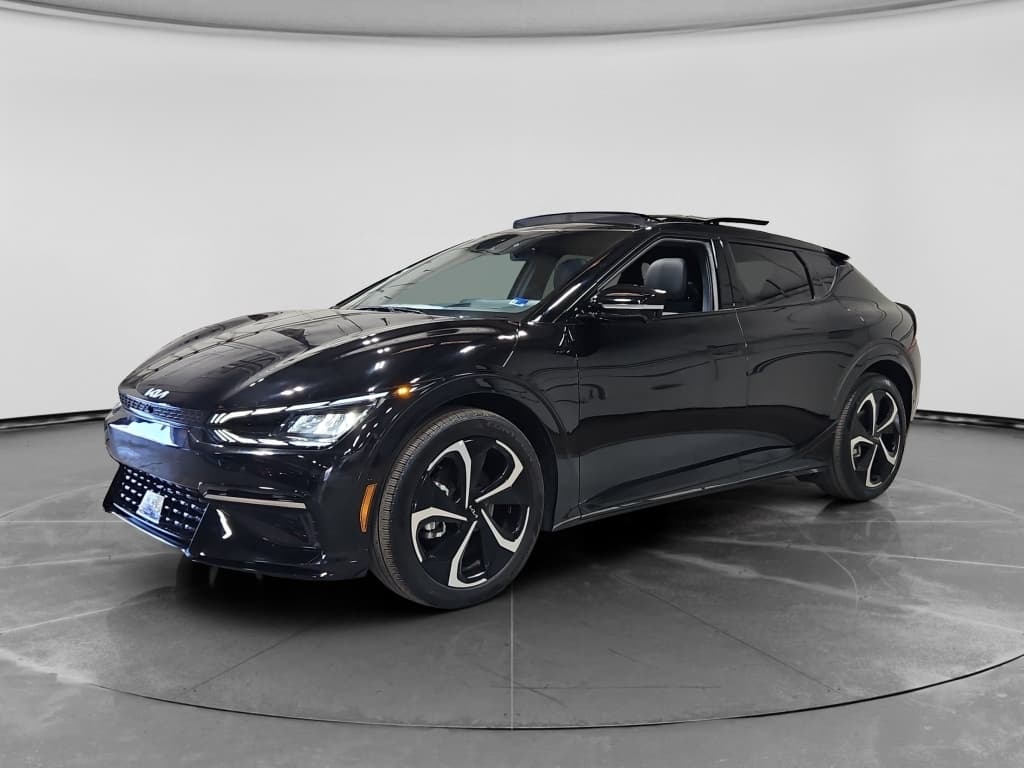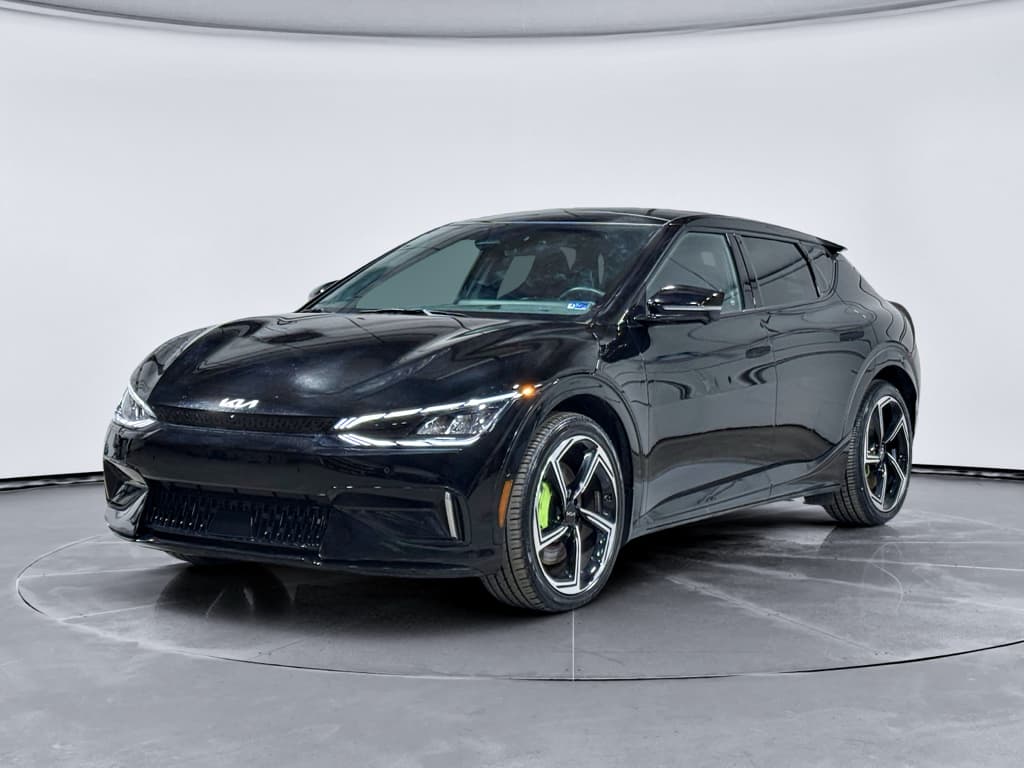
You’re cross‑shopping a used Kia EV6 against a Kia Sportage Hybrid, and on paper they look similar: same brand, similar size, both efficient. But one is a fully electric crossover, the other a fuel‑sipping hybrid SUV. The right choice comes down less to specs on a brochure and more to how you actually live, drive, and plan to own the vehicle.
Two good choices, different philosophies
Overview: Used Kia EV6 vs Kia Sportage Hybrid
Headline numbers at a glance
Both vehicles are impressively efficient, but they accomplish that efficiency in very different ways. The EV6 eliminates gas entirely, while the Sportage Hybrid dramatically reduces it. Understanding how that plays out day‑to‑day is the key to making a smart choice.
Quick take: which Kia fits you?
Match the Kia to your lifestyle
Start with how you drive today, not abstract specs.
Used Kia EV6 is usually better if…
- You can reliably charge at home or work (even a 240V dryer‑style outlet).
- Your daily driving is under ~150 miles and most trips are in a predictable area.
- You want the lowest running costs and like the idea of skipping gas stations.
- You value smooth, strong EV acceleration and a more premium feel.
- You live where public DC fast charging is reasonably available on highways.
Kia Sportage Hybrid is usually better if…
- You can’t easily install home charging or park near an outlet.
- You do frequent long trips, rural driving, or towing up to 2,000 lbs.
- You want high fuel economy but prefer the familiarity of gas stations.
- You drive irregular routes where public chargers may be sparse.
- You’re more price‑sensitive upfront and want mainstream SUV styling.
A simple rule of thumb
Powertrain basics: EV6 electric vs Sportage Hybrid
Used Kia EV6: dedicated battery‑electric
- Power source: High‑voltage battery pack (roughly 58 or 77.4 kWh on 2023–2024 models).
- Motors: Single‑motor rear‑wheel drive or dual‑motor all‑wheel drive, up to 320 hp on non‑GT trims.
- Driving feel: Instant torque, very smooth, near‑silent. One‑pedal driving in many modes.
- Energy input: Electricity only, Level 1/2 home charging plus DC fast charging on trips.
- Maintenance: No oil changes, far fewer wear items compared with gas engines.
Kia Sportage Hybrid: gas + electric
- Power source: 1.6L turbocharged gasoline engine plus electric motor and small battery.
- Output: Around 227 hp and 258 lb‑ft combined on recent model years.
- Driving feel: Feels like a conventional compact SUV, but quicker and quieter than base gas trims.
- Energy input: Regular gasoline only; no plug. The hybrid system recaptures energy while you drive.
- Maintenance: Similar to a regular gas SUV (oil changes, belts, exhaust, etc.), but engine works more efficiently.
Don’t confuse Hybrid and Plug‑In Hybrid
Range and MPG: how far will you really go?
EV6 range vs Sportage Hybrid MPG
Approximate EPA numbers for common recent trims; always verify figures for the exact model year and configuration you’re considering.
| Model | Drivetrain | Battery / Tank | EPA Range / MPG (approx.) | Best use case |
|---|---|---|---|---|
| Kia EV6 Light (smaller pack) | RWD | ~58 kWh | ~230 mi range | Urban/suburban commuters with home charging |
| Kia EV6 Long Range | RWD | ~77.4 kWh | ~310 mi range | Daily driving plus comfortable highway trips |
| Kia EV6 Long Range | AWD | ~77.4 kWh | ~280 mi range | All‑weather grip, still strong range |
| Kia Sportage Hybrid | FWD | 13.7 gal tank | ~43 mpg combined | High mpg, mostly paved roads, mild climates |
| Kia Sportage Hybrid | AWD | 13.7 gal tank | ~38 mpg combined | All‑weather compact SUV with strong efficiency |
Real‑world results will vary based on speed, temperature, terrain, and how you drive.
From a pure distance‑per‑stop perspective, a Sportage Hybrid with a full tank can go roughly 520–590 miles before refueling, whereas most EV6 trims top out around 280–310 miles per full charge. The flip side is that you can "refuel" an EV6 every night at home, so you rarely start the day with anything less than a near‑full "tank."
Cold weather matters more for the EV6
Charging vs fueling: lifestyle tradeoffs
- EV6: Best when you can install at least a 240V Level 2 charger at home or use an existing 240V outlet. Overnight charging turns every morning into a "full tank" start.
- Sportage Hybrid: Perfect if you can’t count on a dedicated parking spot or outlet, or if local building rules make EV charging difficult.
- Public DC fast charging for the EV6 is improving quickly, but station quality and pricing still vary widely by network and region.
- Time is different: a Sportage Hybrid fuel stop takes five minutes; fast‑charging an EV6 from low to ~80% typically takes 20–35 minutes on a good DC fast charger.
What if I live in an apartment?
Space, comfort, and practicality
Interior room: more similar than you might think
Both seat five; Sportage leans SUV, EV6 leans sporty hatchback.
Kia EV6
- Seating: 2 rows, 5 passengers.
- Feel: Lower, more car‑like seating position; wide center console gives a cockpit vibe.
- Cargo: Competitive with compact crossovers, but sloping roof cuts into tall cargo height.
- Frunk: Small front storage on some trims; best for cables and small items.
Kia Sportage Hybrid
- Seating: 2 rows, 5 passengers; very generous rear legroom (about 41+ inches).
- Cargo: Around 39.5 cu ft behind the second row and roughly 73+ cu ft with seats folded in recent model years.
- Access: Taller ride height and big cargo opening make it easier to load strollers, dogs, and bulky gear.
- Towing: Up to roughly 2,000 lbs when properly equipped, handy for small trailers or toys.
Family‑friendly advantage
Performance and driving experience
EV6: quietly quick and refined
- Even base rear‑drive EV6 trims feel snappy thanks to instant torque.
- All‑wheel‑drive versions offer sports‑sedan levels of shove without drama.
- Very quiet and smooth in city driving; one‑pedal modes reduce fatigue.
- Low center of gravity from the battery improves cornering confidence.
Sportage Hybrid: familiar but more efficient
- Quicker than the base gas Sportage, but not as punchy as a dual‑motor EV6.
- Hybrid system shuffles between gas and electric; you’ll hear the engine under load.
- Ride quality is tuned for comfort, with a more traditional SUV driving position.
- Ground clearance and available AWD make it more forgiving on rough roads than the EV6.
Traction and weather
Ownership costs, incentives, and resale
Key cost factors to compare
1. Energy costs: fuel vs electricity
In most parts of the U.S., driving a mile on electricity in an EV6 costs less than half of what it costs to drive a mile on gasoline in a hybrid, especially if you can charge at off‑peak home rates. If your local electricity prices are unusually high or you rely heavily on expensive DC fast charging, the gap narrows.
2. Maintenance and repairs
The EV6 has no engine, transmission, or exhaust to maintain, which typically means fewer wear items over time. The Sportage Hybrid still needs regular oil changes and other engine‑related service, but its hybrid system can reduce engine stress compared with a non‑hybrid gas SUV.
3. Incentives and HOV perks
New federal EV tax credits currently focus on vehicles built in North America and buyers with qualifying income. Used EVs can also qualify for a separate, smaller credit under certain conditions. Rules change frequently, so check the latest guidance or ask your sales specialist at the time you buy. Hybrids without a plug generally don’t qualify for EV‑specific incentives.
4. Insurance and registration
Insurance for EVs can sometimes be higher due to repair costs, though this varies by carrier and region. Registration fees in a few states add extra charges for EVs to replace lost gas‑tax revenue; that’s less common for hybrids like the Sportage.
5. Resale value
Well‑equipped EV6 trims with the larger battery and good range are likely to hold value better than short‑range EVs, especially as charging networks improve. Hybrids have historically depreciated gently because they appeal to a wide audience that wants efficiency without change.
Depreciation can favor used EV shoppers
Used market: pricing, trims, and what to expect
What you’ll typically see on the used market
Common configurations U.S. shoppers will run into when comparing a used EV6 to a Sportage Hybrid.
| Model | Typical years on used lots | Notable trims | What to watch for |
|---|---|---|---|
| Used Kia EV6 | 2022–2024 (early 2025s appearing) | Light, Wind, GT‑Line, GT | Confirm battery size (58 vs 77.4 kWh), DC fast‑charge history, and real battery health. Check for remaining battery warranty and any previous accident repairs around high‑voltage components. |
| Kia Sportage Hybrid | 2023–2025 | LX, EX, SX‑Prestige | Verify whether it’s FWD or AWD, check real‑world fuel economy from prior owner reviews, and look for evidence of regular oil changes and scheduled maintenance. |
| Kia Sportage Plug‑In Hybrid (if cross‑shopping) | 2023–2025 | X‑Line, X‑Line Prestige | Clarify that it’s the PHEV, not the regular hybrid, and inspect the charging port, onboard charger, and history of plug‑in use vs. running mostly on gas. |
Exact features and pricing vary by model year, trim, mileage, and regional incentives.
Where the deals tend to be
How Recharged helps you shop a used EV6 with confidence
A used EV6 can be an outstanding buy, but only if you understand its battery, charging history, and true market value. That’s exactly what Recharged is built for.
What you get when you buy a used EV6 through Recharged
EV‑specific tools and support that traditional dealers simply don’t offer.
Recharged Score battery health
Transparent pricing & financing
Digital buying & delivery
Ready to find your next EV?
Browse VehiclesConsidering a Sportage Hybrid too?
FAQ: used Kia EV6 vs Kia Sportage Hybrid
Frequently asked questions
Bottom line: choosing between EV6 and Sportage Hybrid
If you have reliable access to charging and want to lean fully into the EV experience, a used Kia EV6 delivers lower running costs, smoother performance, and a more future‑proof powertrain than the Sportage Hybrid. For many U.S. households, it’s the more rewarding car to live with day‑to‑day, especially when you’ve verified the battery’s health and range.
If home charging is a stretch, you tow regularly, or you’re simply not ready to give up the ability to drive 500+ miles in one shot with five‑minute fuel stops, the Kia Sportage Hybrid remains a smart, efficient, low‑stress choice. It’s a great way to cut fuel use dramatically without rewriting your routines.
Whichever way you lean, treat this decision as a lifestyle fit more than a spec‑sheet battle. And if you’re EV‑curious, exploring a used EV buying checklist and browsing Recharged’s curated Kia EV6 inventory, all with transparent battery health data, can make the jump from hybrid to fully electric feel a lot less like a gamble and a lot more like an upgrade.