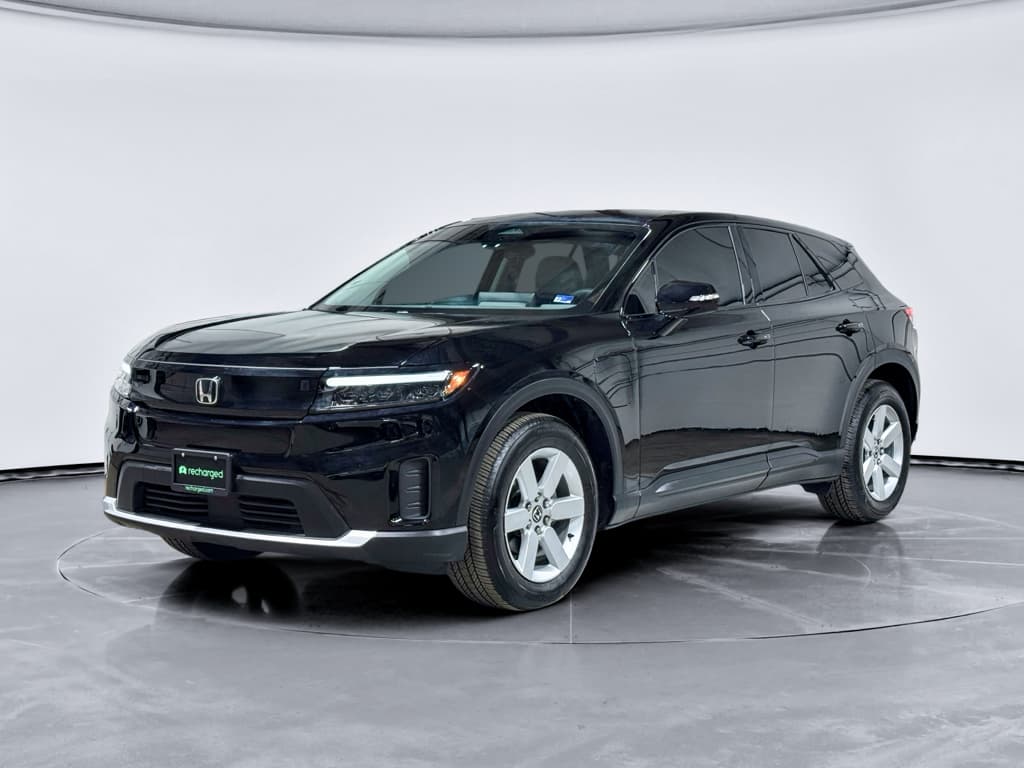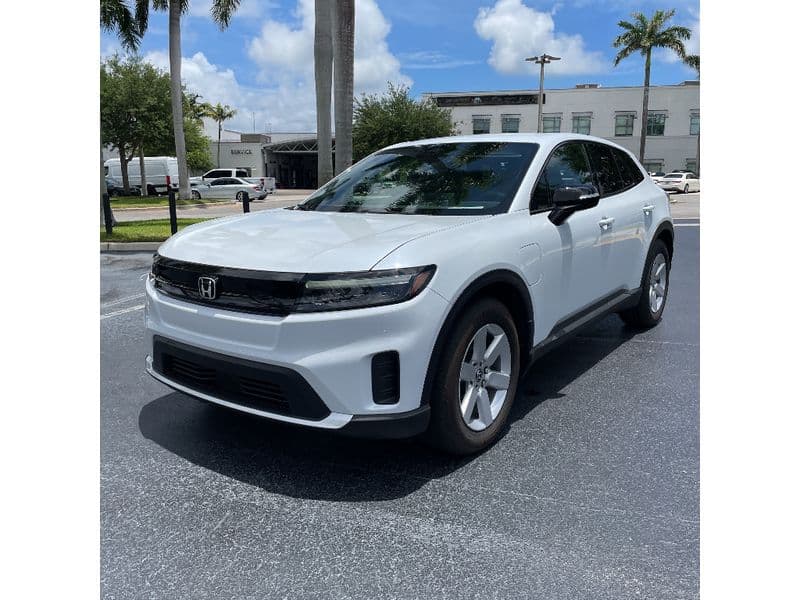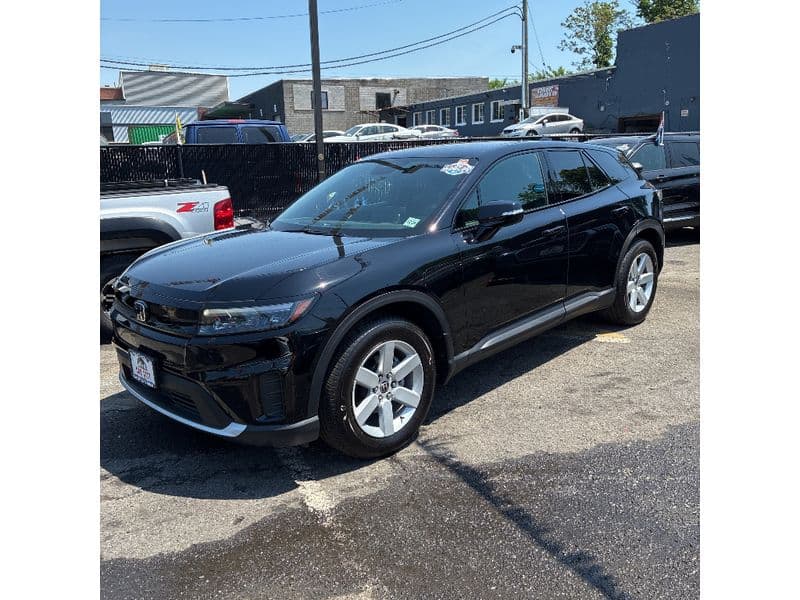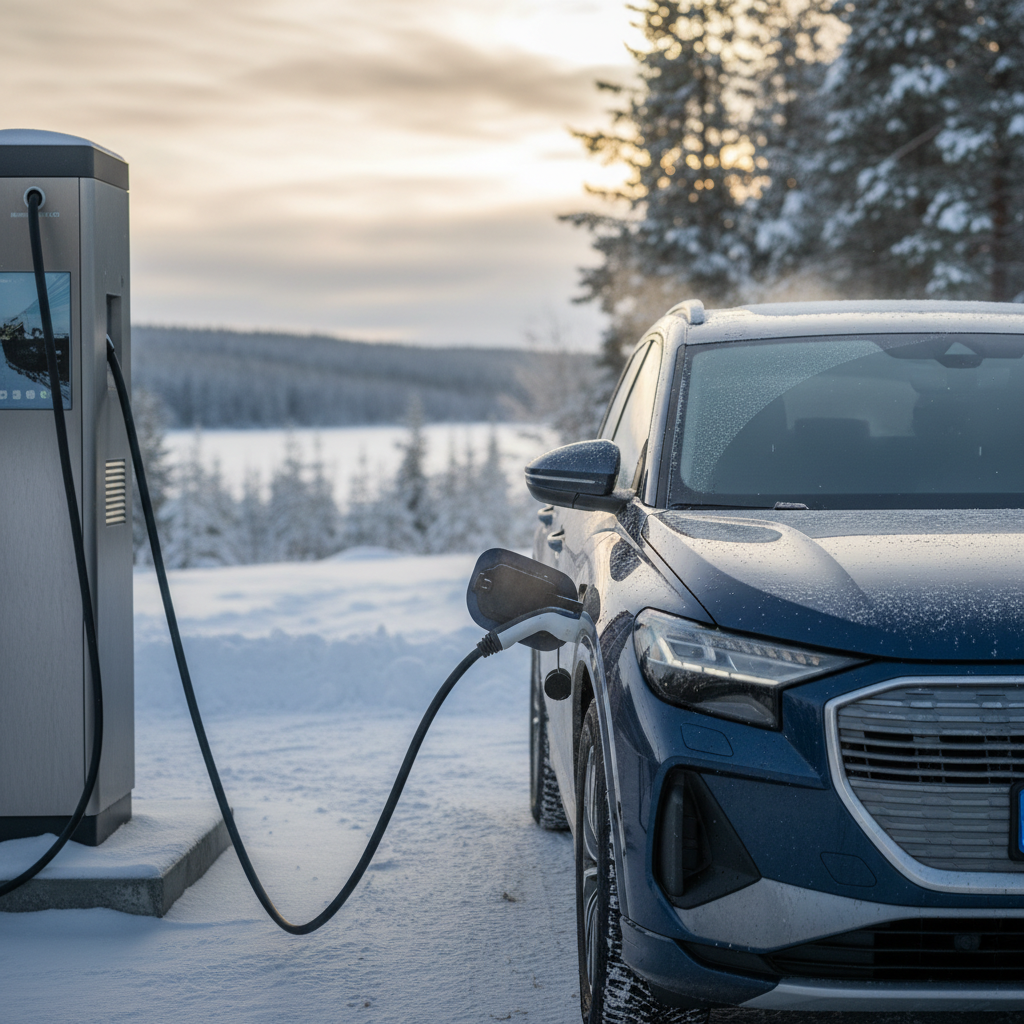
If you search for a Honda Prologue owner review that feels honest, you’ll find a split picture: some drivers quietly love this roomy electric SUV, others are loudly disappointed by early-build glitches and GM-sourced software. This guide pulls together road tests, early owner reports, and EV market experience to give you the kind of balanced, no-nonsense overview you’d get from a friend who’s lived with the Prologue for months.
Key context
Who the Honda Prologue really fits
Best-fit drivers for a Honda Prologue
Where this EV SUV shines – and where it doesn’t
Suburban families & commuters
If you mostly commute 20–60 miles a day, haul kids or dogs, and want something that feels like a familiar Honda SUV (but electric), the Prologue lines up well. The cabin is roomy, visibility is good, and the ride is tuned for comfort over sport.
Road-trippers with planning discipline
With an EPA range in the mid‑200s to high‑200s (mi) and solid DC fast‑charge capability, the Prologue can road‑trip. You’ll just need to be disciplined about using apps and planning around non‑Tesla charging networks.
Value-focused shoppers
Because it shares so much hardware with the Blazer EV but wears the Honda badge, the Prologue can be a value play, especially on the used market as depreciation sets in. If you’re open to a less flashy badge for a lower price, it’s worth short‑listing.
Who may want something else
What owners genuinely like about the Prologue
- Space and comfort: Lots of rear legroom, easy entry/exit, and a quiet cabin at highway speeds make it feel like a slightly more upscale CR‑V inside.
- Predictable driving manners: Steering is light, the suspension is compliant, and the AWD versions have more than enough punch for on‑ramps without feeling twitchy.
- Straightforward controls: The Google‑built‑in infotainment, physical climate knobs and Honda’s conservative ergonomics make it less intimidating for first‑time EV owners.
- Charging performance (when everything behaves): On a good DC fast charger, owners routinely see quick 10–80% sessions, similar to other midsize Ultium SUVs.
- Honda dealership network: Compared with some startup brands, the Honda dealer footprint and service infrastructure are a comfort if you’re worried about support.
Real-world range and efficiency
Honda Prologue range at a glance
Every Prologue uses an 85‑kWh usable battery on GM’s Ultium architecture. In the real world, most owners report that the EPA numbers are believable if you drive reasonably and the weather cooperates. Expect the AWD trims, big wheels, cold temperatures, and high‑speed interstate runs to drag that down quickly, just as they would in any EV.
Cold weather reality
Charging experience: home and on the road
Living with the Prologue at home
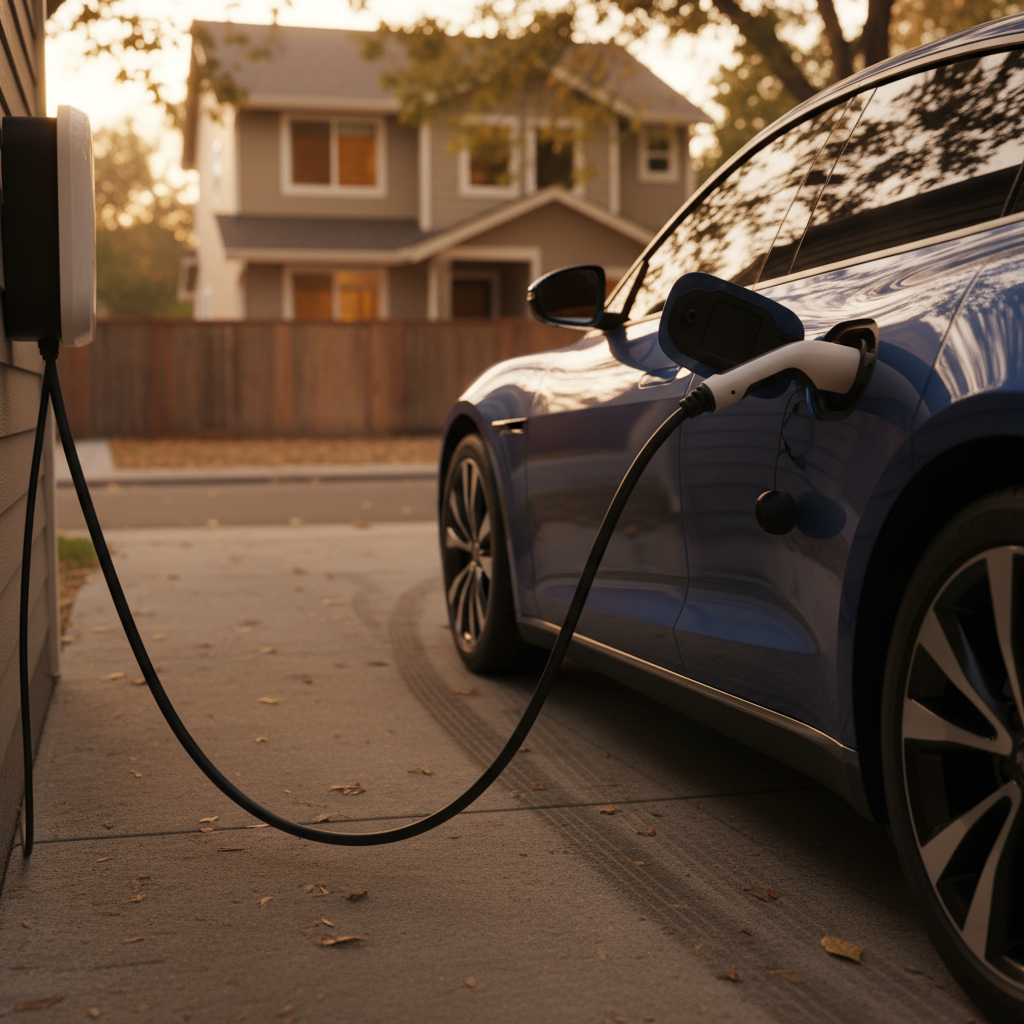
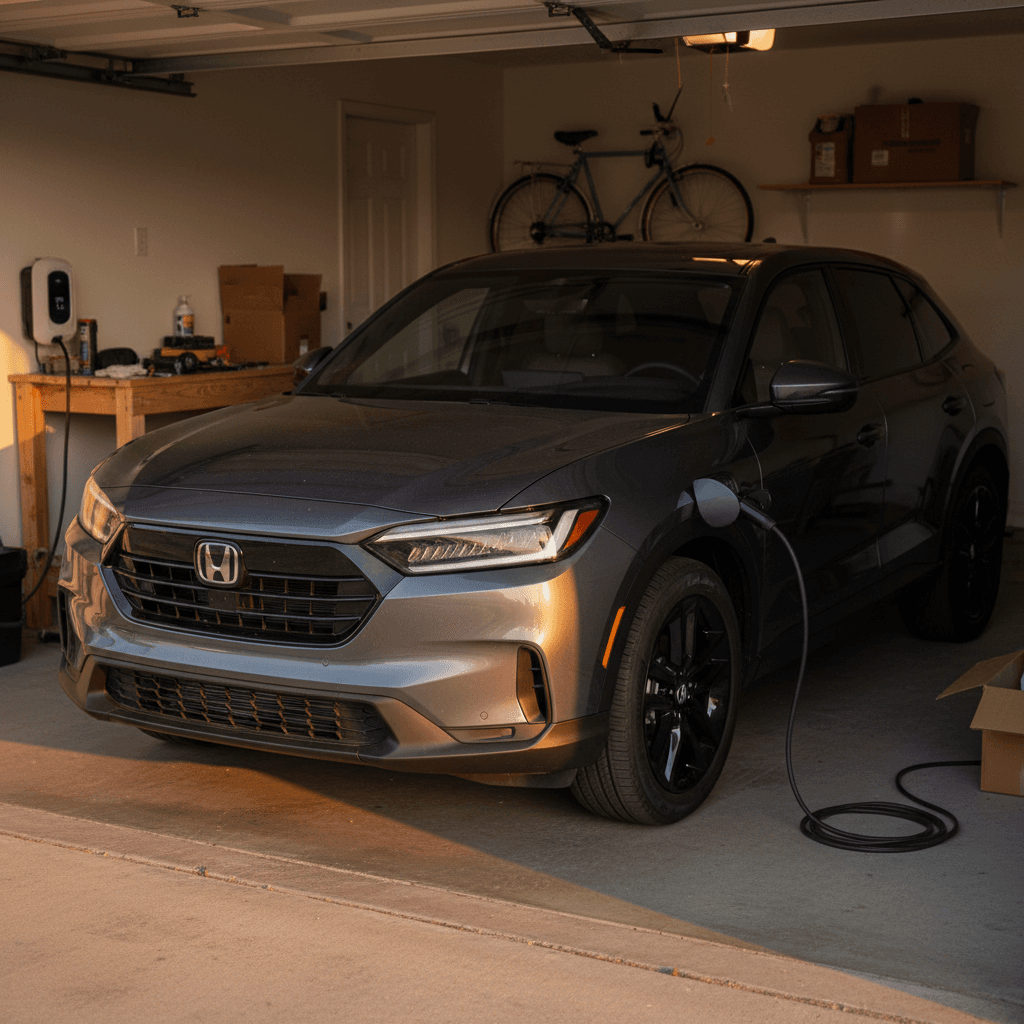
The Prologue can accept up to around 11 kW on Level 2 AC, which translates to a full charge in roughly 8–9 hours on a properly wired 48‑amp home charger. For most owners, that means you plug in at night and wake up to a “full tank” every morning.
Honda typically bundles or offers a portable charging kit and wall‑box options. Many owners simply install a 240‑V, 40–50 amp circuit in the garage and call it a day. That’s a sweet spot for speed, cost, and electrical load.
DC fast charging on the road
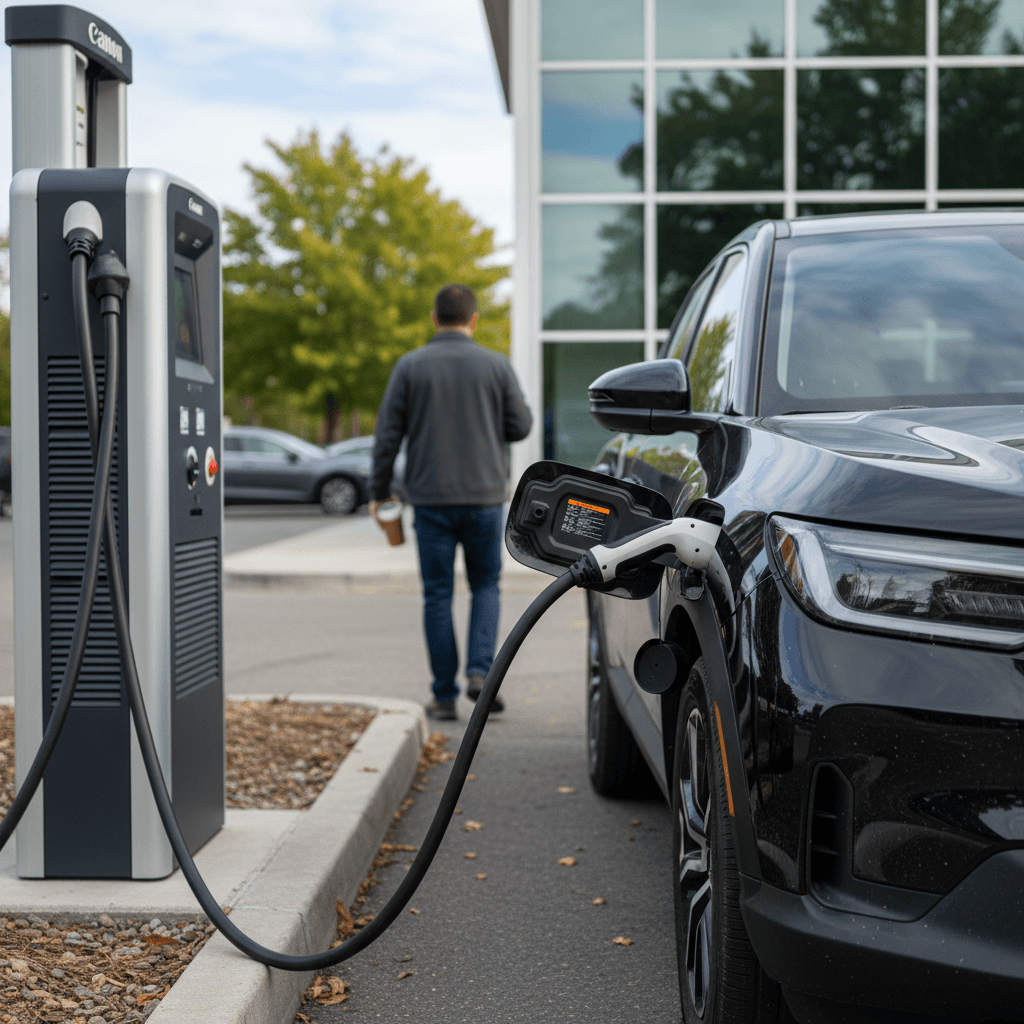
On a healthy DC fast charger, the Prologue can add roughly 60–65 miles in about 10 minutes in the mid‑state of charge window. That’s competitive with other midsize SUVs, though not the absolute fastest in the segment.
Early owners’ biggest complaints aren’t speed but consistency: charger reliability, payment apps, and occasional communication errors between Ultium vehicles and certain stations. When everything works, it’s fine; when it doesn’t, it’s frustrating.
Owner-style fast‑charge advice
Checklist: setting up painless charging for your Prologue
1. Plan a 240‑V Level 2 outlet
Before delivery (or before you buy used), have an electrician price a 240‑V circuit close to where you park. A 40–50 amp line is usually plenty and keeps charge times reasonable.
2. Choose the right home charger
Whether it’s Honda‑branded or third‑party, look for at least 32–40 amps, a 20‑ft cable or longer, and Wi‑Fi/app control if you care about tracking energy use.
3. Map out your fast‑charge network
Most Prologue owners will rely on networks like Electrify America, EVgo, ChargePoint, or regional providers. Before a road trip, check station reviews and recent check‑ins in your favorite apps.
4. Learn the charging curves
Charge to 80–85% for road trips; going beyond that can be slow on DC fast chargers. At home, living between 20–80% is kinder to the battery long‑term.
5. Practice your charging routine early
In your first month, use a few local public chargers even if you don’t strictly need them. You’ll learn what works, which stations are reliable, and how the Prologue behaves under different conditions.
Comfort, interior and tech: daily-life impressions
Inside, the Prologue feels like a modern Honda SUV first and an EV second. That’s good news if you’re coming from a CR‑V or Pilot and don’t want a sci‑fi cockpit. Seats are generally supportive, with plenty of front headroom and adult‑friendly rear legroom. Road and wind noise are well controlled, and the ride is on the soft, comfortable side rather than sporty.
Interior and tech: owner-style pros and cons
What people praise – and what earns eye‑rolls
Comfort & space
- Easy in/out and high seating position.
- Plenty of rear room for kids or adults.
- Cargo space competitive with other midsize SUVs.
Infotainment & controls
- Google built in with native Maps and Assistant.
- Physical knobs for climate and volume.
- Interface feels familiar if you’ve used Android Auto before.
Tech frustrations
- Occasional lag or freezes reported in early builds.
- Some owners complain about buggy Honda/GM apps.
- Over‑the‑air updates help, but expectations should be realistic.
Where Honda gets it right
Honest complaints: reliability and software gremlins
Because the Prologue is built on GM’s Ultium hardware and shares DNA with the Chevrolet Blazer EV, it inherits both the strengths and some of the early‑launch drama. Owner forums and early reviews paint a mixed picture: many drivers report uneventful, happy ownership; others detail frustrating bugs that undermine confidence.
Common Prologue complaints from early owners
Patterns that show up repeatedly in owner discussions and early service visits.
| Issue area | What owners report | Why it matters |
|---|---|---|
| Charging behavior | Slow or inconsistent DC fast charging at certain stations; occasional charge session failures or refusal to start until unplug/replug. | Can turn a quick road‑trip stop into a long wait or a hunt for a working charger. |
| Infotainment / software | Random reboots, laggy Google interface, glitches with the Honda or GM‑backed smartphone apps. | Annoying in daily use and can affect navigation or charge routing on trips. |
| Warning lights / error messages | Scattered reports of driveline or battery warnings that require dealer visits to clear or diagnose. | Erodes trust in a new EV, especially for first‑time electric owners. |
| Parts & service delays | Because the Ultium platform is shared but still relatively new, certain parts or software fixes can take time to materialize. | Downtime can stretch from days into weeks if your local dealer isn’t deeply experienced with EVs yet. |
Not every Prologue will see these issues, but they’re worth understanding before you buy new or used.
Important reality check
Honda Prologue vs. Chevy Blazer EV and rivals
Against its twin: Chevy Blazer EV
- Same bones: Both ride on GM’s BEV3 platform with an 85‑kWh Ultium pack and similar charging hardware.
- Different flavor: The Blazer chases a sportier persona; the Prologue leans quieter and more conservative.
- Why pick Honda? If you prefer Honda’s dealer experience, calmer styling, and potentially better resale reputation, the Prologue is the safer‑feeling bet.
Against the wider EV field
- Tesla Model Y: More efficient, better Supercharger access and software polish, but a firmer ride and different interior philosophy.
- Hyundai Ioniq 5 / Kia EV6: Quicker charging and excellent efficiency; bolder styling and slightly less conventional interiors.
- Ford Mustang Mach‑E: Similar range and charging; software has improved but still not perfect. Interior is sportier, rear space a bit tighter.
Where the Prologue lands overall
What to check if you’re shopping a used Prologue
Because the Prologue is still relatively new, early used examples will mostly be lease returns, demo vehicles, or early adopters trading out. That makes it especially important to separate the trouble‑free cars from the problem children before you commit.
Used Honda Prologue inspection checklist
1. Confirm software update history
Ask the seller (or dealer) for service records showing the latest software and control‑module updates. Many early bugs are addressed through updates; you don’t want a car that’s been ignored.
2. Scan for warning lights and stored codes
On a test drive, watch for dash warnings. If you can, have a trusted shop or EV‑savvy technician scan for stored error codes that might predict future issues.
3. Evaluate real-world range
Start a test day around 80–90% charge and drive a known loop. Compare miles driven to percentage used to see if the car behaves close to expectations for its trim and age.
4. Test multiple charging scenarios
At minimum, plug into Level 2 and one local DC fast charger. Make sure the car starts and sustains a normal charging session without communication errors or strange tapering.
5. Inspect tires and brakes
EVs are heavy; they can eat through tires faster than you might expect. Uneven wear can hint at alignment or suspension issues, especially if the car hit potholes or curbs.
6. Review warranty and coverage
Verify how much of the original bumper‑to‑bumper and battery warranty remains. If you’re buying from a marketplace like <strong>Recharged</strong>, look for documentation like a battery health report or Recharged Score that quantifies pack condition.
How Recharged can help on a used Prologue
Ready to find your next EV?
Browse VehiclesSo, should you buy or lease a Honda Prologue?
When the Prologue is a smart move
- You want a spacious, comfortable family EV that feels familiar to drive.
- You have (or will install) reliable home Level 2 charging.
- You value Honda’s brand and dealer network, but you’re okay with GM hardware under the skin.
- You can live with "good, not best" range and charging in exchange for a calmer driving experience.
When you may want to look elsewhere
- Your top priority is flawless software and charging on every road trip.
- You regularly drive 250+ miles in a day with no time to plan charging.
- You’re extremely risk‑averse about early‑generation EVs and would rather let others shake out the bugs.
- You want the absolute efficiency champ or fastest chargers available today.
If you judge the Honda Prologue by the marketing brochure, it’s an easy yes: solid range, quick charging, lots of room, and Honda’s name on the nose. An honest owner-style review is more nuanced. This is a comfortable, practical, and in many ways likeable electric SUV wrapped around hardware that’s still maturing, and software that can occasionally test your patience. If you can secure strong warranty coverage, verify that your specific example has been updated and behaves well on your local chargers, the Prologue can be a quietly satisfying choice, especially as used prices soften and tools like the Recharged Score help de‑risk the battery side of the equation.