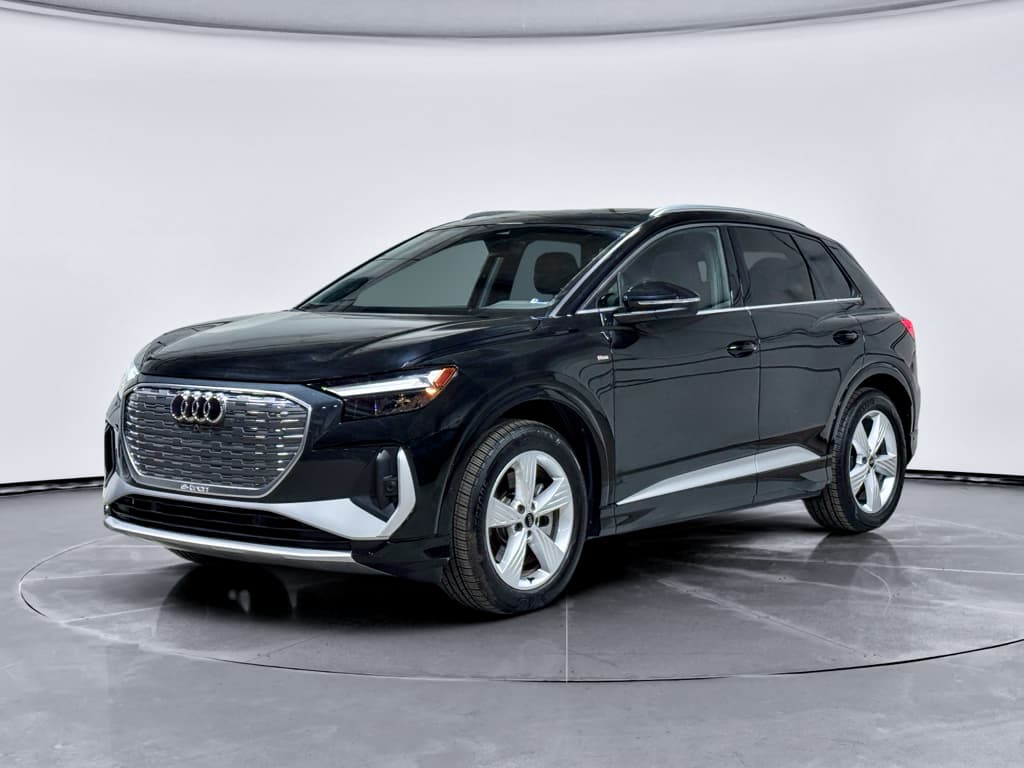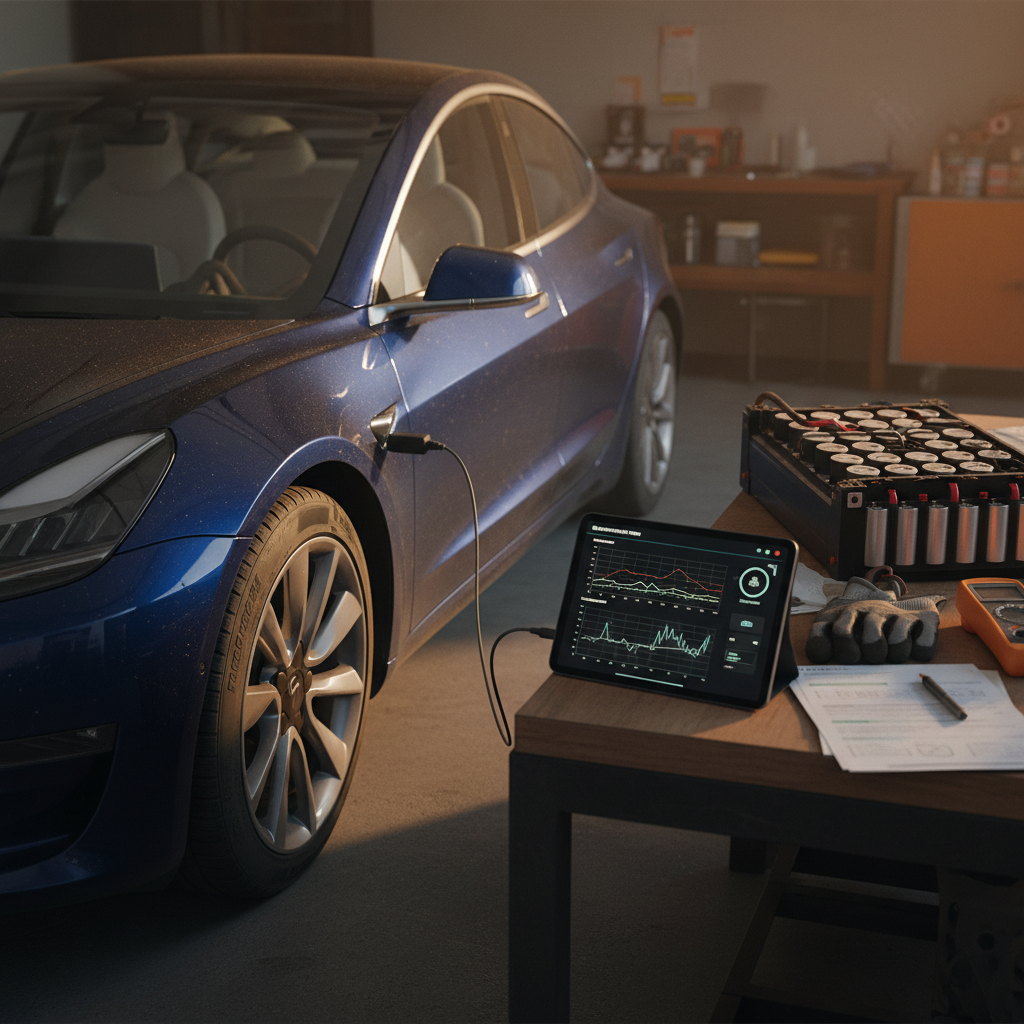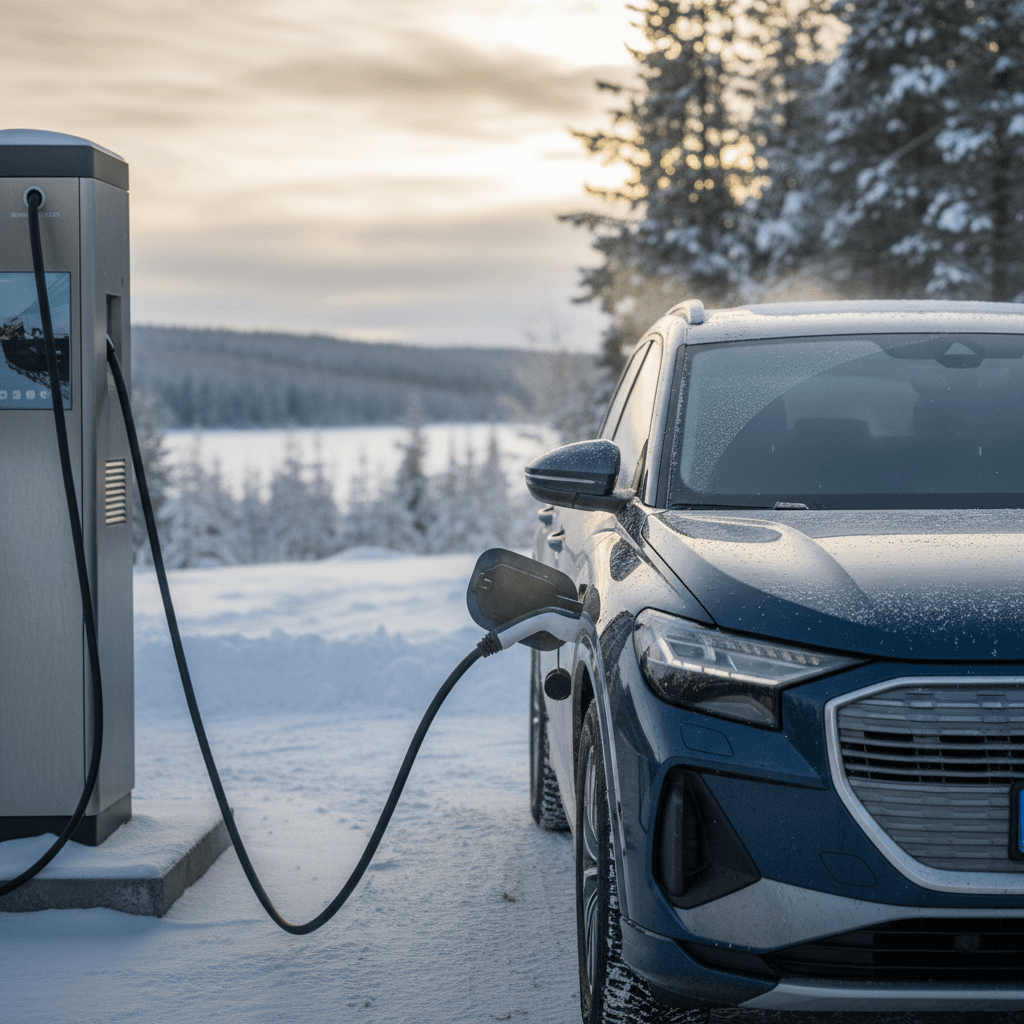
If you live where winter actually shows up, the official range on the window sticker for your Audi Q4 e-tron can feel like fiction once the temperature drops. Understanding the Audi Q4 e-tron range in cold weather isn’t about chasing a perfect number, it’s about knowing what’s realistic for your commute or road trip, and how to get the most out of every kilowatt-hour when it’s freezing outside.
Quick winter range snapshot
Overview: Audi Q4 e-tron range and winter reality
Let’s start with the official numbers for the current Q4 e-tron lineup in the U.S. For the 2025 model year, Audi simplified things into two main trims built around an 82 kWh battery pack (about 77 kWh usable): the Q4 45 e-tron (single-motor, rear-wheel drive) and the Q4 55 e-tron (dual-motor, all-wheel drive). The 45 is your efficiency champ; the 55 trades a bit of range for extra traction and power.
Official EPA range for recent Audi Q4 e-tron models
Those EPA numbers are measured at moderate temperatures on a controlled cycle. They’re a useful benchmark, but they’re not a promise. Cold weather pushes any EV off its best behavior, and the Q4 e-tron is no exception. To make good decisions, whether you’re already driving a Q4, or shopping for a used one on a site like Recharged, you need to translate those lab figures into winter reality.
EPA range vs. real-world Q4 e-tron range in cold weather
Think of the EPA number as a **best-case road trip under pleasant spring conditions**. In the real world, three forces conspire against your Q4 e-tron’s winter range: lower battery efficiency, higher energy use for heat, and thicker, windier air. The colder it gets and the faster you drive, the more those forces pile up.
Audi Q4 e-tron: EPA vs. typical winter range
Approximate real-world ranges here assume starting near 100% charge and running down close to empty. These are directional guides, not guarantees.
| Model & condition | EPA-rated range (mild temps) | Cool day ~40°F (mixed driving) | Cold day ~20°F (mixed driving) | Very cold ~0°F (mostly highway) |
|---|---|---|---|---|
| Q4 45 e-tron (RWD) | 288 mi | 230–250 mi | 200–220 mi | 160–185 mi |
| Q4 55 e-tron (AWD) | 258 mi | 210–230 mi | 180–200 mi | 145–170 mi |
| Older 40/50 trims (similar pack) | ~241–265 mi typical | Similar pattern; subtract 10–20% off EPA as temps fall | Winter hits older tires harder, stay conservative | If you’re near 0°F, plan like you have half the sticker range |
Use this as a planning tool, leave a buffer for wind, traffic, and terrain.
These aren’t promises
How much range do you lose in winter?
Owners who track their energy use, and our own testing, tend to see the same pattern across modern EVs, including the Q4 e-tron. Instead of obsessing over a single magic number, think in **temperature bands** and **trip types**.
Audi Q4 e-tron: typical winter range loss by temperature band
Around 32°F (0°C): ~10–20% loss
At or just below freezing, your Q4 e-tron might use 10–20% more energy than on a 70°F day. Short trips hurt more because you’re reheating a cold cabin and battery again and again. On a 30-mile commute, you may barely notice; on a 180-mile highway run, you will.
Around 15–20°F (−9 to −6°C): ~20–30% loss
Here’s the danger zone for people who live in the Midwest or Northeast. Running the cabin at a comfortable temperature, on winter tires, at 65–75 mph, will usually cost you about a quarter to a third of your warm-weather range.
Below 0°F (−18°C): ~30–40% loss (or more)
At subzero temps with higher speeds and a warm cabin, you can easily see your energy consumption climb 30–50% over summer values. That’s when your Q4 55 e-tron rated at 258 miles suddenly looks like a 150–170 mile SUV on the highway.
Lots of short trips: feels even worse
If you’re just bouncing around town with the car parked outside, the Q4 keeps reheating itself. You might only drive 40–60 miles in a day but use 80–100 miles of predicted range doing it.
Why the Audi Q4 e-tron loses range in cold weather
Four culprits behind Q4 e-tron winter range loss
None of them means your battery is “going bad” by default
1. Cold battery chemistry
At low temperatures, the lithium-ion cells in your Q4 e-tron have higher internal resistance. You still have the same pack size on paper, but it’s harder to pull energy out of it quickly and efficiently.
Audi’s thermal management system will warm the pack as you drive, but until it’s up to its happy temperature window, you’re burning extra energy just to get there.
2. Cabin heat is energy-hungry
In a gas car, cabin heat is basically free, waste heat from the engine. In an EV, the heater is another power-hungry accessory. Your Q4’s heat pump (if equipped) is much more efficient than a simple resistive heater, but physics still wins: cozy cabin equals fewer miles.
3. Cold air, wind, and snow
Cold air is denser, which means more aerodynamic drag. Add winter winds, slush, and snow-packed roads and your Q4 is pushing through a heavier, stickier world. The effect is most obvious at highway speeds.
4. Driving profile & short hops
Repeated short trips from a cold soak, school runs, errands, a 10-minute commute, are brutal for efficiency. Your Q4 spends much of its time warming up the pack and cabin, then you shut it off again.
Is winter range loss the same as battery degradation?
Winter range by driving scenario
Cold weather doesn’t punish every drive equally. A Q4 e-tron that feels shockingly short-legged at 5°F on the interstate can feel perfectly adequate doing suburban duty at the same temperature. Here’s how typical scenarios play out.
Realistic winter range for common Q4 e-tron use cases
Assuming a well-maintained Q4 e-tron with all-season tires and a healthy battery.
| Scenario | Weather & temp | Typical speed | Realistic usable range* |
|---|---|---|---|
| Daily commuting, 20–40 mi/day | Cold, 20–35°F | 25–50 mph city & suburban | You’ll usually see 15–25% higher energy use; but because your daily mileage is low, range anxiety is more about overnight charging habits than absolute range. |
| Suburban errands, lots of short trips | Cold, 20–35°F | Stop‑and‑go, frequent parking | Feels inefficient, trip computer may show poor mi/kWh, but total miles per day are small. Preconditioning while plugged in helps a lot. |
| Highway trip, Q4 45 RWD | ~20°F, dry roads | 65–70 mph | Plan around 180–210 miles between charges. Leave 15–20% buffer if chargers are far apart. |
| Highway trip, Q4 55 AWD | ~20°F, light wind | 65–70 mph | Think 160–190 miles between comfortable stops. Heavier wheels/tires can shave another handful of miles. |
| Bitter-cold highway run, any trim | 0°F or below, possible snow | 65–70 mph | Plan like you have roughly 50–60% of the EPA number. So a 258‑mile Q4 55 might behave more like a 140–160 mile SUV on that day. |
Your actual mileage will vary, but this table is a solid starting point for planning.
The traps that strand people
Fast charging your Q4 e-tron in cold weather
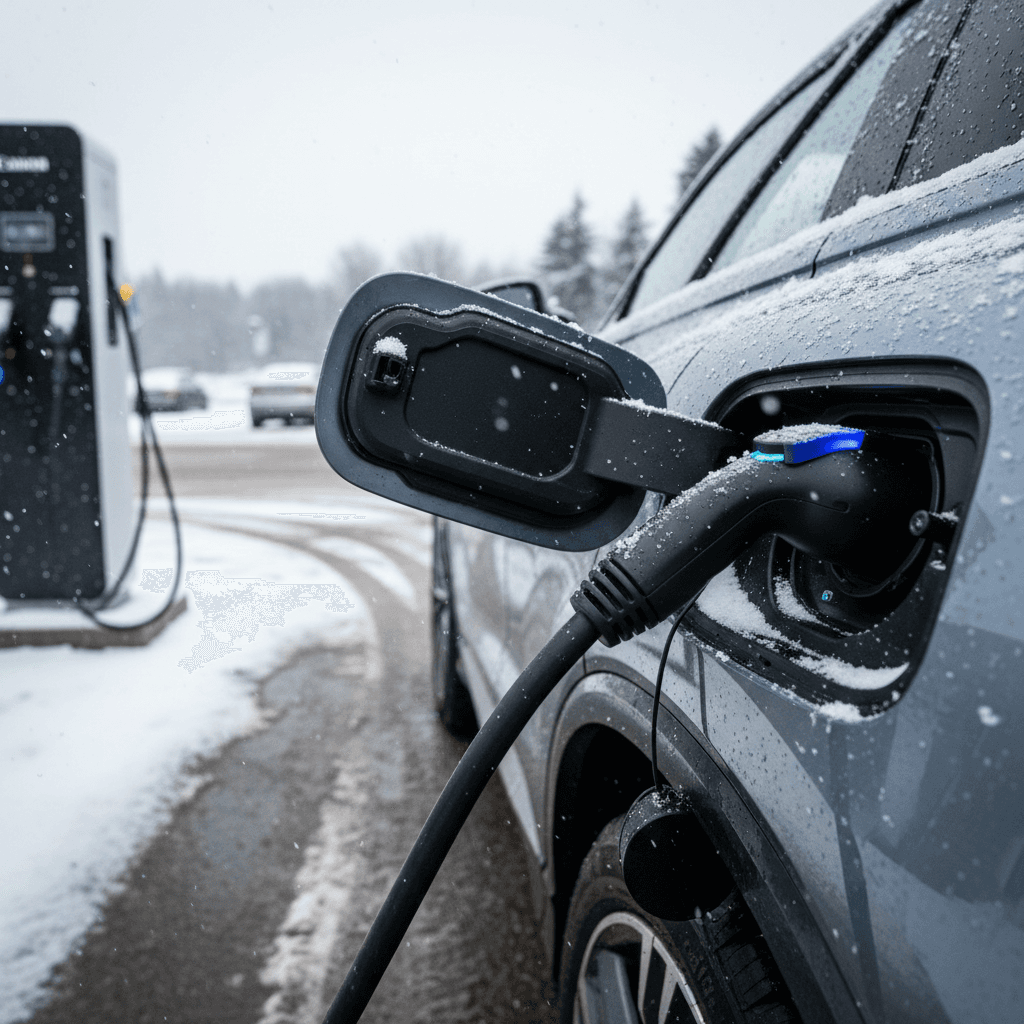
Modern Q4 e-tron models can charge from about 10–80% in roughly 25–30 minutes on a strong DC fast charger under ideal conditions. In winter, you’ll only see those headline numbers if the battery is warm when you plug in. A cold-soaked pack will accept power more cautiously to protect itself, and you’ll feel it in your stop times.
How your Q4 manages cold fast charging
- The Q4 e-tron uses predictive thermal management to heat or cool the battery into its optimal window.
- If you navigate to a fast charger using the built-in route planner, newer software can pre-warm the pack, especially on longer drives.
- Arriving after an hour of highway driving is almost always better than a 5-minute hop from a cold garage.
What this means at the charger
- On a very cold morning, don’t be shocked if your Q4 starts at modest kW and ramps up as the pack warms.
- If you’ve just driven 60–90 minutes at highway speeds, you’re much more likely to see the higher numbers Audi advertises.
- It’s better to arrive with 10–20% state of charge than 40–50% if you want the quickest turn.
Winter fast-charging pro tip
12 ways to protect Q4 e-tron range in winter
You can’t beat physics, but you can stack the deck in your favor. Here are practical, Q4-specific habits that make winter driving feel much less dramatic.
Winter efficiency checklist for your Audi Q4 e-tron
1. Precondition while plugged in
Use the myAudi app or the in-car timer to warm the cabin and, where supported, the battery while the car is still on the charger. You leave with a warm pack and glass, and more of your driving energy stays in the battery.
2. Use seat and steering wheel heaters first
Heated seats and steering wheels sip power compared with cranking the cabin to 78°F. Set the climate a bit lower, say 68–70°F, and let the contact heaters do the heavy lifting.
3. Check your tire pressure often
Tire pressure drops in cold weather. Underinflated winter or all-season tires add rolling resistance and can easily steal a few percent of range. Check pressures at least once a month in winter and follow the door-jamb spec.
4. Choose your tires wisely
Full winter tires are fantastic for grip and safety, but they are usually less efficient than the stock all-season rubber. If you need them for snow, accept the range hit as the cost of staying out of the ditch, and adjust your planning accordingly.
5. Clean off snow and ice
Driving around with four inches of powder on the roof doesn’t just look bad, it adds drag and weight. Clear as much snow and ice as you reasonably can, especially from the front of the vehicle and wheel wells.
6. Dial back your speed a little
Aerodynamic drag climbs with the square of speed. Dropping from 75 mph to 65 mph on a cold highway leg can save you surprisingly large chunks of range, especially in a boxy crossover like the Q4 e-tron.
7. Avoid repeated short hops when you can
When it’s practical, combine errands into one longer trip instead of several cold starts. One long drive after a good precondition uses the battery more efficiently than three or four 10-minute outings from a cold soak.
8. Use Eco or Efficiency mode
Audi’s drive modes don’t turn your Q4 into a different car, but Efficiency mode softens throttle response and can tweak climate behavior in your favor. It’s an easy win when you’re not in a rush.
9. Watch your consumption, not just the guess-o-meter
The range estimate on your dash is based heavily on recent driving. In winter, it can swing wildly. The more honest metric is Wh/mi (or mi/kWh). If you’re seeing 400–450 Wh/mi at 70 mph on a cold day, that’s normal, not a sign of imminent battery doom.
10. Don’t fear charging to 90–100% when it’s cold
High state of charge is hardest on a warm battery. In winter, topping to 90–100% for a road trip is generally fine, especially if you’re going to hit the highway soon. For daily use, 70–80% is still a nice long-term habit.
11. Keep the car plugged in overnight
If you have home charging, treat your Q4 e-tron like a smartphone: plug it in when you park. The car can manage its own thermal needs and you walk out every morning to a warm, charged battery with less fuss.
12. Use navigation to chargers you care about
On longer drives, set the DC fast charger as your destination so the Q4’s thermal system has a chance to precondition the pack. Even if you know where it is, the route planner can quietly work in the background to give you better charging speeds.
Winter considerations for used Q4 e-tron buyers
If you’re shopping for a used Audi Q4 e-tron, winter is when a good deal and a bad one really separate. Two Q4s can look identical on paper, same trim, same year, but behave very differently on a 15°F morning. That’s why battery health and honest range expectations matter more with EVs than with any gas SUV you’ve ever bought.
What to look for if you care about winter range
Especially important as early Q4 e-trons move deeper into the used market
Verify battery health, don’t guess
Ask for a recent battery health report or range test, not just a screenshot of the gauge on a warm day. At Recharged, every Q4 e-tron listing comes with a Recharged Score that includes verified battery health and a clear explanation of what kind of real-world range you can expect.
Ask about climate and usage history
An Arizona commuter Q4 and a Minnesota ski shuttle have lived very different lives. Neither is automatically better or worse, but persistent DC fast charging in harsh cold and constant 100% top-ups aren’t ideal. Ask how the car was charged and stored.
Test drive in your own routine
If you can, mimic your normal winter day: a highway stint, some city driving, a couple of stops. Watch the Wh/mi numbers and note how fast the predicted range falls. That will tell you more than a 10-minute spin around the block.
Plan your ownership around your routes
If your daily round-trip is 40 miles with workplace charging, even a modest winter hit won’t bother you. If you commute 90 miles with no charger at work and live in a cold climate, you’ll want the healthiest battery you can find, and a solid winter range plan.
How Recharged helps winter worriers
Ready to find your next EV?
Browse VehiclesCold-weather FAQs: Audi Q4 e-tron range
Frequently asked questions about Audi Q4 e-tron range in cold weather
Bottom line: Can the Q4 e-tron handle winter?
The Audi Q4 e-tron doesn’t magically defy the laws of chemistry in January, but it also isn’t uniquely fragile in the cold. If you understand how temperature affects range, build your trips with realistic winter assumptions, and use the tools Audi gives you, preconditioning, smart charging, efficient drive modes, the Q4 is a confident year‑round companion.
If you’re already an owner, think of winter as a season to tighten up your habits, not to panic about your battery. And if you’re hunting for a used Q4 e-tron, especially in snow country, a verified battery health report and honest range expectations are worth more than any set of 21‑inch wheels. That’s exactly the kind of clarity Recharged is built to provide, so your next EV feels like a smart move in February as well as in June.