If you drive, or are thinking about buying, an electric vehicle in Onslow County, you’re probably wondering how practical it is to live with one day to day. The good news: there are more EV charging stations in Jacksonville, NC than most people realize, and with a simple plan that mixes public and home charging, an EV can fit easily into coastal Carolina life.
Jacksonville is catching up fast
Why EV charging matters in Jacksonville, NC
Jacksonville is a spread‑out, car‑dependent city. Daily life means commuting between neighborhoods like New River, Piney Green, and Northwoods, running errands along Western Blvd, and making runs to Camp Lejeune or Verona. That’s a lot of short trips, which actually plays to an EV’s strengths, frequent, short, easy charges instead of weekly gas station stops.
At the same time, public charging is still limited compared with bigger metros. If you know where stations are, what connectors they use, and how long they take, you can build a routine that makes an EV just as convenient as a gas car for local life and weekend drives up US‑17 or down to Wilmington.
EV and charging snapshot: Jacksonville, NC
Quick look: EV charging in Jacksonville today
Let’s set expectations. Jacksonville’s public network is still modest, roughly 15 public EV charging locations in and around the city. Most are Level 2 stations in shopping centers, auto dealers, and parking lots. You’ll see a mix of independent sites and big‑network gear from ChargePoint, Shell Recharge, and others. There is also at least one Tesla site listed, and drivers headed farther afield can tap into larger fast‑charging hubs in bigger coastal cities.
Don’t rely only on plug maps
Where are EV charging stations in Jacksonville, NC?
Stations move, expand, and occasionally disappear, but as of early 2026 you can expect to find public EV charging in four main types of locations around Jacksonville:
Typical EV charging locations around Jacksonville
You’ll see familiar brand names plus a few local one‑offs.
Auto dealers & service centers
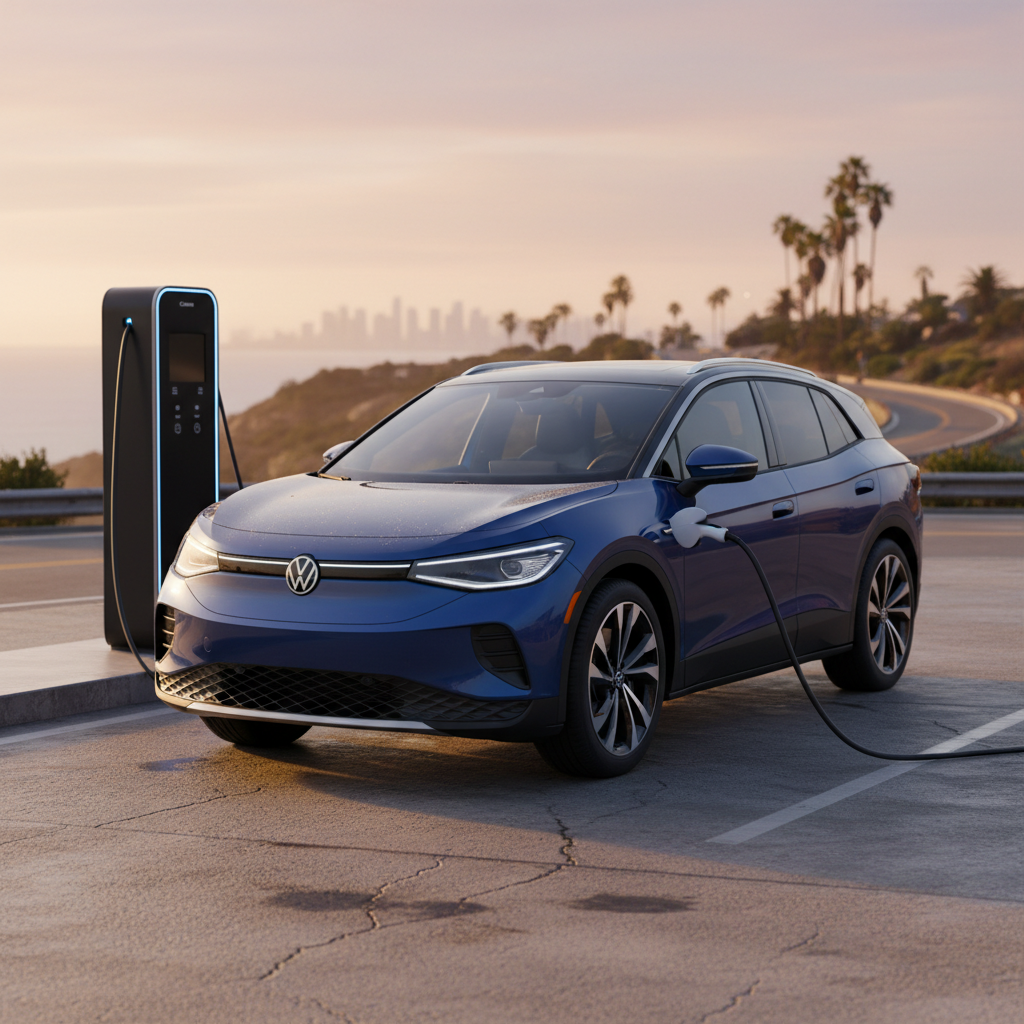
Several local dealers host Level 2 J1772 chargers that are open to guests during business hours. A good example is the EVSE at Jacksonville Kia on Fairway Rd, which uses ChargePoint hardware and offers two Level 2 plugs.
Dealer stations are convenient during test drives, service visits, or nearby errands, but they’re not always ideal for overnight parking.
Shopping centers & big-box stores
Grocery stores, pharmacies, and big-box retailers along Western Blvd and near US‑17 increasingly pair parking with public chargers. You’ll usually find 1–4 Level 2 plugs tucked near the front or side of the lot.
These are great for opportunistic top‑ups while you shop for 45–90 minutes.
Highway & fast-charging stops
For faster road‑trip charging, look for DC fast chargers on regional corridors, Tesla Superchargers and third‑party fast stations clustered along US‑17 and other major routes connecting Jacksonville with Wilmington, New Bern, and the Triangle.
Even if you mostly charge at home, it’s smart to know where your nearest DC fast site is in case you need a quick turnaround.
Workplaces, schools & municipal lots
Across North Carolina, workplaces, colleges, and local governments are installing chargers with utility incentives. Expect more Level 2 plugs in office parks, city lots, and campuses over the next few years as programs ramp up.
These are ideal if you can leave your car for several hours while you work or attend class.

Use multiple apps to spot stations
Connector types and charging speeds you’ll see around town
Most of Jacksonville’s public stations are Level 2 AC chargers. A few sites in the broader region offer DC fast charging. Understanding the connectors you’ll see on the screen makes sure you and your car are actually compatible when you pull in.
Common connectors at EV charging stations near Jacksonville, NC
Check which plug your EV uses before you count on a specific station.
| Connector | Where you’ll see it | Typical use | Good to know |
|---|---|---|---|
| J1772 | Most public Level 2 stations in Jacksonville | Overnight or multi‑hour charging | Every modern EV sold in the U.S. (except Teslas) includes a J1772 compatible port or adapter. |
| CCS (Combined Charging System) | Many non‑Tesla DC fast chargers around NC | Fast road‑trip charging | If your car has a CCS port, you can use non‑Tesla fast chargers now and, with an adapter, Tesla stations as well. |
| Tesla NACS | Tesla Superchargers and Tesla destination chargers | Daily use for Teslas; expanding to other brands | The North American Charging Standard is being adopted by Ford, GM, Hyundai and others; many 2025+ EVs will ship with NACS or an adapter. |
| 120V standard outlet | Homes, small businesses, older parking lots | Emergency or very slow overnight charging | This is "Level 1" charging. It adds only a few miles of range per hour but can cover short commutes if you plug in every night. |
Most non‑Tesla public stations today use J1772 for Level 2 and CCS for DC fast charging, while Tesla’s NACS connector is quickly becoming the default on new cars.
Level 1 (120V)
• Uses a regular household outlet.
• Adds roughly 3–5 miles of range per hour for most EVs.
• Works well if you drive 20–30 miles a day and can plug in every night.
In Jacksonville, Level 1 can be enough for short commutes, but it’s too slow if you frequently head out of town or share the car between drivers.
Level 2 (240V)
• What you’ll see at most public stations and upgraded home setups.
• Adds roughly 20–40 miles of range per hour depending on the car and charger.
• Ideal for overnight charging or 1–3 hour top‑ups while you shop or dine.
Think of Level 2 as the "daily driver" solution, especially handy in a spread‑out city like Jacksonville.
What about DC fast charging?
How much does public EV charging cost in Jacksonville?
Prices vary by network and site owner, but most public EV charging around Jacksonville falls into three buckets: free, standard paid Level 2, and premium DC fast charging.
Typical costs you’ll see at EV charging stations
1. Free or subsidized workplace/retail charging
Some employers, dealerships, and retailers offer <strong>free Level 2 charging</strong> while you work or shop. You’ll usually be asked to move your car when you’re done or after a posted time limit. These stations are perfect for topping up a plug‑in hybrid or adding 30–60 miles on a lunch break.
2. Paid public Level 2 charging
Level 2 stations typically bill by the kWh, by the hour, or a flat session fee. In North Carolina, it’s common to see effective rates that roughly track your home power costs plus a margin, enough that <strong>a full charge often costs less than a tank of gas</strong> even at a paid Level 2 site.
3. DC fast charging on road trips
DC fast chargers are the EV equivalent of a highway gas station. You’ll pay more per kWh, but you’re buying back time. For most drivers, this is an occasional cost, think weekend beach runs, drives to Raleigh or Charlotte, or emergency top‑ups when plans change.
Watch idle and parking fees
Home charging options for Jacksonville drivers
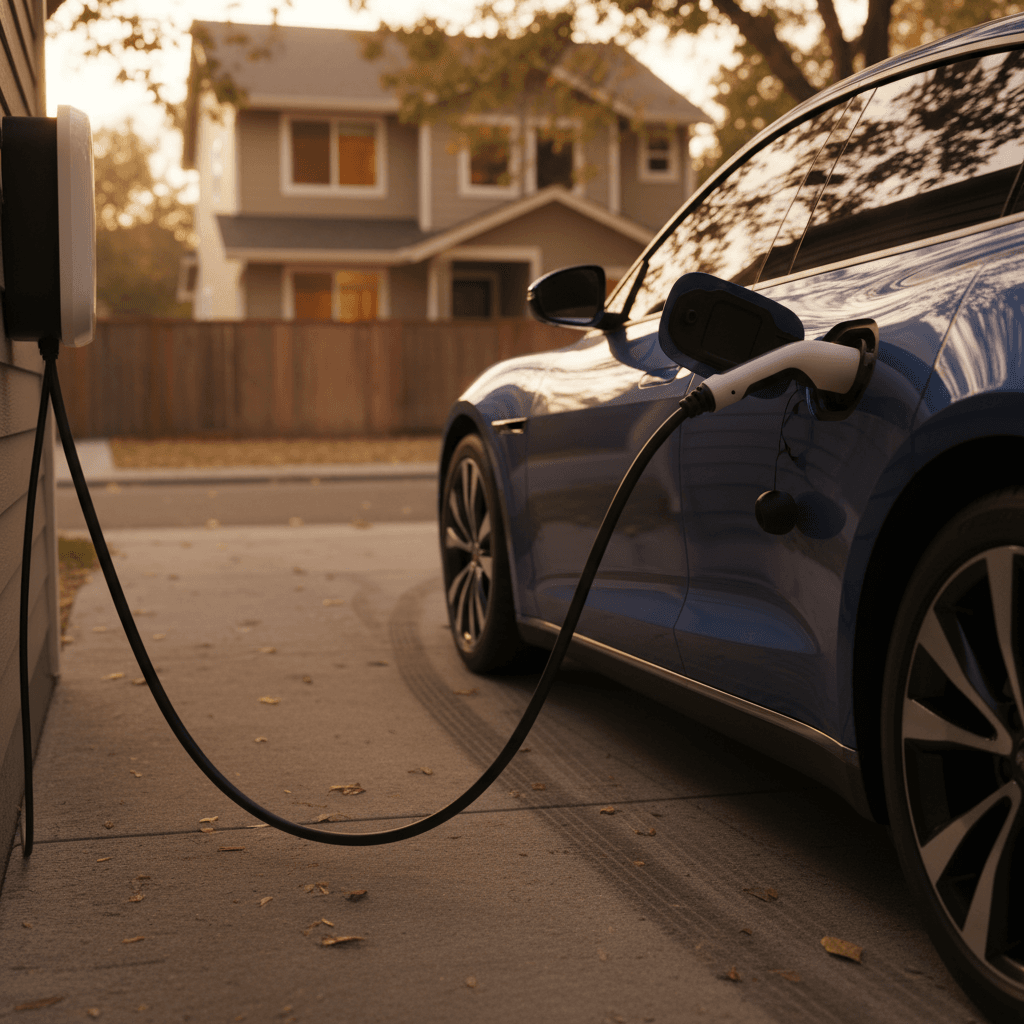
Public stations are handy, but in a city like Jacksonville the real magic happens at home. Plug in at night, wake up with a "full tank" every morning, and use public chargers as backup or for long days. There are three main home‑charging setups locals tend to use.
Common home EV charging setups in Jacksonville
From basic 120V outlets to full Level 2 stations.
Standard 120V outlet
Every home has these. You plug in with the portable cord that came with the car.
- Cheapest option, no new hardware.
- Good for short daily commutes.
- Slow: often overnight just to add 40–50 miles.
NEMA 14‑50 or 240V outlet
An electrician installs a 240V outlet (similar to a dryer plug) in your garage or carport.
- Lets you use a portable Level 2 charger.
- Great middle ground for renters or military families who may move.
- Charging time often drops to 6–8 hours from low state of charge.
Hard‑wired Level 2 station
A dedicated wall‑mounted EVSE wired directly to your panel.
- Cleanest installation and easiest daily use.
- Supports higher amperage for faster charging.
- Best for long‑term homeowners who plan to drive EVs for years.
Utility rebates can help
If you’re shopping for your first EV, especially a used one, it’s smart to plan your home charging before you sign the paperwork. An inspection of your electrical panel and a quick chat with a local electrician will tell you whether a 240V circuit is simple or involves a panel upgrade.
Planning your regular routes around EV charging
You don’t need a charger on every corner. You do need coverage for your real life: work, groceries, kids’ activities, base access, and weekend drives. A little upfront planning can remove 90% of the anxiety people associate with EV ownership.
Build a simple Jacksonville charging game plan
1. Map your weekly miles
Look at a normal week: commuting across town, school drop‑offs, errands, weekend sports or beach trips. Most Onslow County drivers land under <strong>200 miles a week</strong>, which almost any modern EV can easily cover with overnight charging and an occasional top‑up.
2. Pin your "anchor" chargers
Pick 2–3 public stations you actually like using, maybe a charger near your favorite grocery store, one near work, and one along US‑17. Save them in your apps and your car’s nav so you can swing by without thinking twice.
3. Know your emergency options
Identify the closest <strong>DC fast charger</strong> and the closest public Level 2 to home. If your home charger goes down or a storm detour eats into your range, you’ll know exactly where to head without scrolling through apps on the side of the road.
4. Adjust for weather and passengers
Cold snaps, heavy A/C, and highway speeds can all cut range. When you’re fully loaded with people and gear, allow some buffer and favor a quick top‑up stop instead of trying to run the battery to single digits.
Let the car do the thinking
Incentives and programs that affect charging in Onslow County
North Carolina doesn’t currently offer a state EV purchase tax credit, but it does back a long list of incentives for charging infrastructure. That matters even if you’re “just” a driver, because it shapes where new stations show up and how much they cost to use.
Why so many new chargers are popping up across NC
Behind those new parking‑lot pedestals are policy decisions you never see.
Federal & state funding for public stations
Federal programs like the National Electric Vehicle Infrastructure (NEVI) and Charging & Fueling Infrastructure grants are helping cities and colleges across the state add public chargers. That includes stations on major corridors that Jacksonville drivers use for trips to Wilmington, Raleigh, and beyond.
Utility‑backed make‑ready programs
Utilities such as Duke Energy offer prep credits and other incentives that help businesses and multifamily properties pay for trenching, conduit, and panel upgrades. That’s why you’re starting to see more chargers at workplaces, apartment complexes, and fleet lots, not just car dealerships.
What this means for you
How EV charging fits into buying a used EV locally
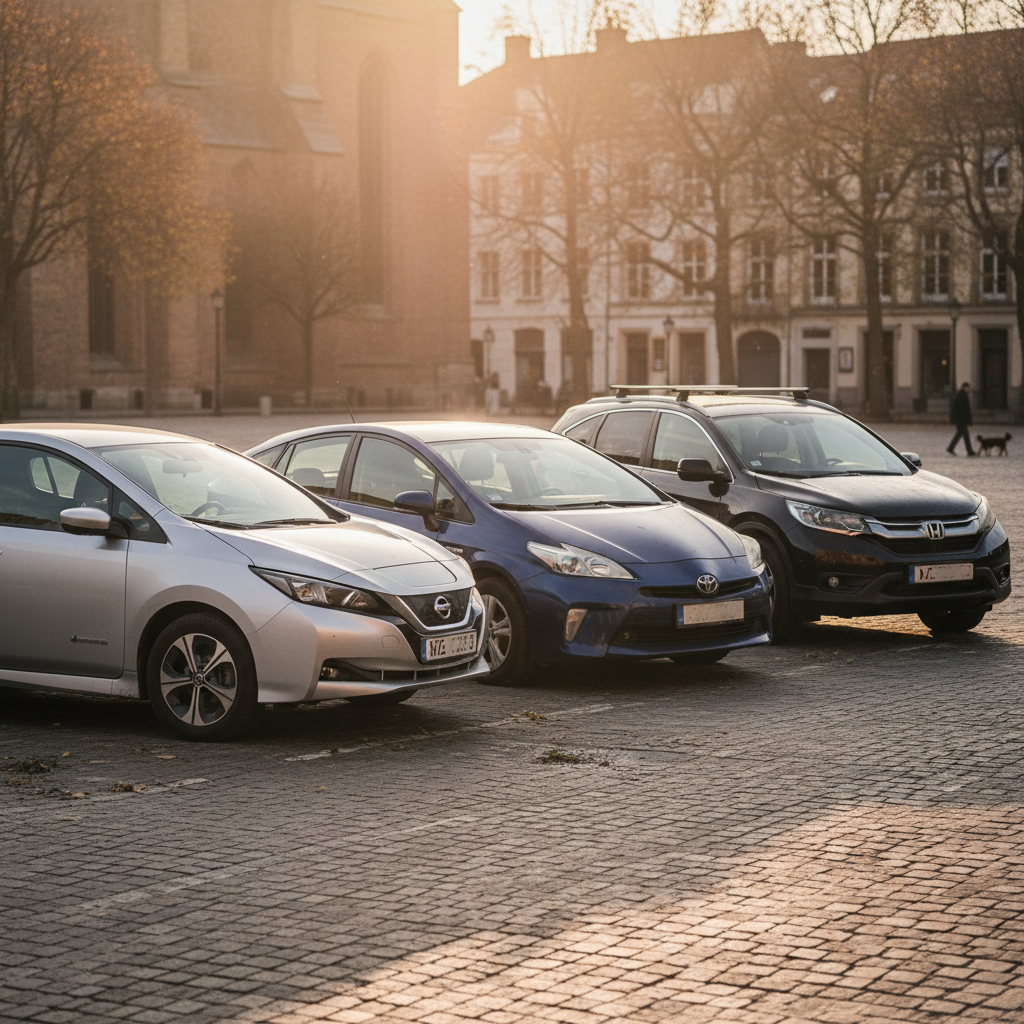
Charging should be part of your shopping list, not an afterthought. When you’re evaluating a used EV in Jacksonville, whether it’s a Nissan LEAF, Chevy Bolt, Tesla Model 3, or a newer SUV, you’re really asking two questions: Where will I charge most of the time? and How healthy is this specific battery?
Questions to ask about charging
- Does this EV support DC fast charging, or only Level 2?
- What connector does it use today (CCS, CHAdeMO, NACS), and will I need an adapter?
- How many miles per hour of charge can it take on a typical Level 2 station?
- Does my home electrical setup support the charger I want, or will I need panel work?
These answers tell you how well the car fits Jacksonville’s mix of public and home charging.
How Recharged helps you line it all up
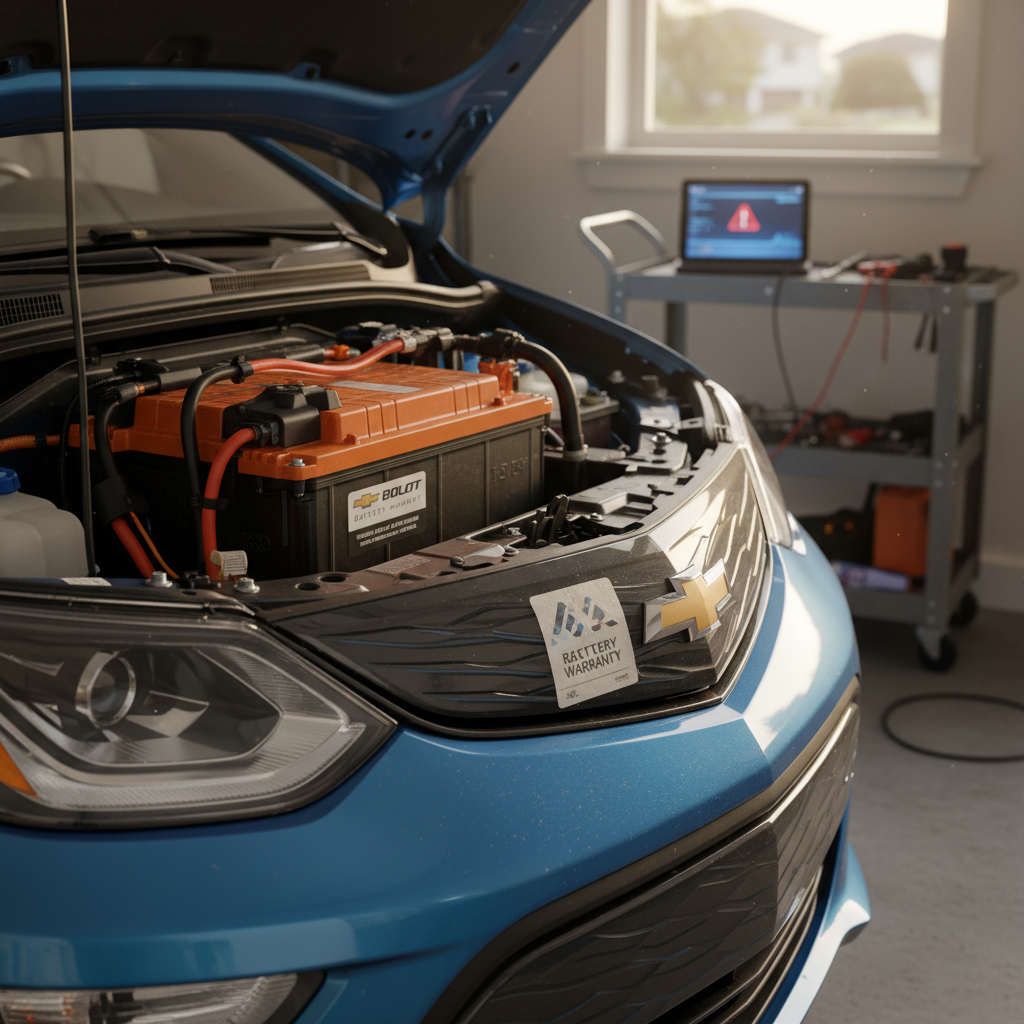
Every vehicle listed on Recharged comes with a Recharged Score Report that includes verified battery health and real‑world range estimates. That makes it much easier to plan your charging, you’ll know how far the car can actually go before you buy it.
Recharged’s experts can also talk through home charging options, adapter needs, and local charging habits so you don’t discover a deal‑breaker after the car is in your driveway.
Don’t skip the fast‑charge test
Jacksonville, NC EV charging FAQ
Frequently asked questions about EV charging in Jacksonville, NC
Bottom line: Making EV charging easy in Jacksonville, NC
Jacksonville’s EV charging network is still growing, but it’s already good enough to support daily driving for most households, especially if you can plug in at home or work. Learn where the EV charging stations in Jacksonville, NC are today, keep an eye on new sites funded by state and utility programs, and build a simple routine around the routes you actually drive.
If you’re shopping for a used EV, pairing the right car with the right charging plan is what turns the idea into an easy, affordable reality. That’s where a transparent battery‑health report and expert guidance from Recharged can save you from surprises, help you sort out adapters and home charging, and make sure your next EV fits Jacksonville life from day one.