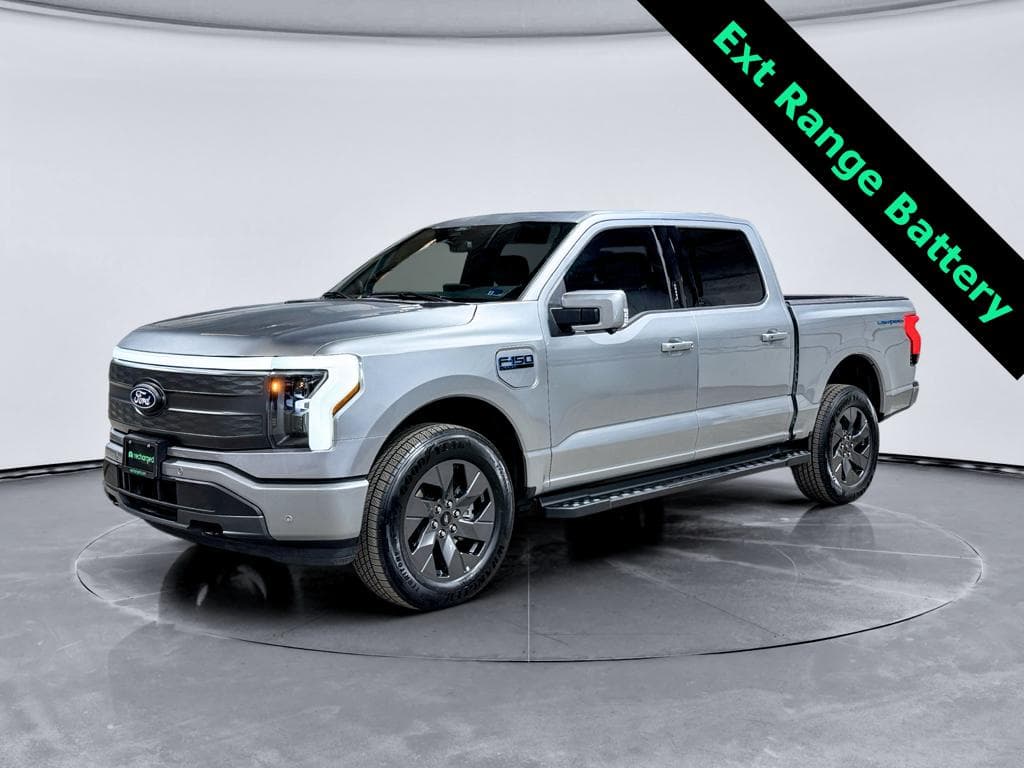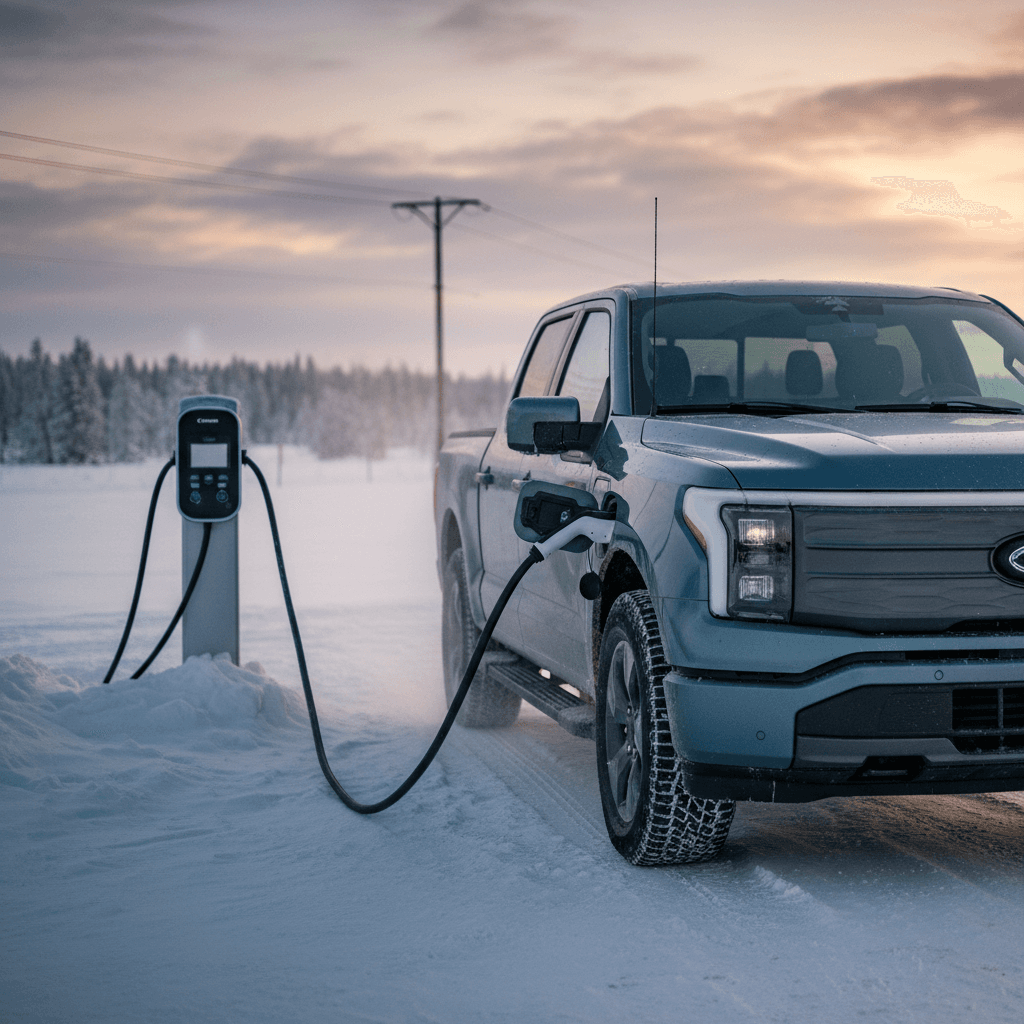
If you live where winters are real, think Michigan, Minnesota, Colorado, or rural Canada, you’ve probably heard stories about Ford F-150 Lightning winter range loss. Some say it loses half its range in the cold, others swear it’s no worse than a gas truck. The truth, as usual, lives in the percentages and in how you actually use the truck.
Quick answer
How much winter range loss does the F-150 Lightning have?
Let’s put hard numbers to the phrase “winter range loss percentage” for the F-150 Lightning. We’ll use the common extended‑range battery (EPA ~320 miles) as our baseline and then translate percentages into miles you can actually plan around.
Ford F-150 Lightning winter range loss at a glance
F-150 Lightning winter range loss percentages in plain English
Approximate real‑world winter range for common Ford F-150 Lightning configurations, based on a mix of owner data, instrumented tests, and Recharged’s own winter‑loss analysis.
| Configuration | EPA Rated Range | Mild Winter (20–35°F) | Cold Snap (0–20°F) | Brutal Cold (<0°F) |
|---|---|---|---|---|
| Standard Range battery | ≈240 mi | ≈180–190 mi (≈20–25% loss) | ≈150–170 mi (≈30% loss) | ≈120–150 mi (≈35–45% loss) |
| Extended Range battery | ≈320 mi | ≈230–250 mi (≈20–30% loss) | ≈200–220 mi (≈30–35% loss) | ≈160–200 mi (≈35–50% loss) |
| Extended Range + highway (70–75 mph) | ≈320 mi | ≈210–230 mi (≈30–35% loss) | ≈170–200 mi (≈35–45% loss) | ≈140–180 mi (≈45–55% loss) |
These are planning numbers, not guarantees. Elevation, speed, wind, and heater use can move you up or down a bracket.
EPA range is not a winter promise
Real-world tests and data on F-150 Lightning winter range
“Is this just theory, or has someone actually frozen a Lightning and run it down?” A few different data sources have now painted a pretty consistent picture.
- Norwegian winter range test: A well‑known Nordic winter test ran the F-150 Lightning in sub‑freezing temps and saw roughly a 21–25% loss vs. its test cycle rating in steady driving. That’s in line with efficient EV sedans and better than the horror stories you see on social media.
- U.S. and Canadian owners: Lightning drivers in places like Alaska, the Upper Midwest, and mountain states routinely report 20–35% loss in day‑to‑day winter driving, creeping toward 40% when temperatures drop below 0°F or when speeds stay above 70 mph.
- Recharged winter‑loss analysis: In our own cross‑model winter comparison, the Ford F‑150 Lightning showed about a 35% winter range loss from its nominal EPA range under controlled conditions, right in the middle of the EV pack, not the worst, not the best.
“I’ve done a few trips and I can vouch that the range loss in this kind of winter is between 20 and 35% depending on all the factors.”
How the Lightning compares to other EVs
Why the F-150 Lightning loses range in cold weather
The Lightning isn’t cursed; it’s just a big aluminum sail full of lithium‑ion cells. Cold weather punishes every EV, but the Lightning gives the cold more to work with. Three main culprits explain the winter range loss percentage you see on the dash.
Main drivers of F-150 Lightning winter range loss
Same chemistry as other EVs, but truck‑shaped problems.
Cold battery chemistry
At low temperatures, a lithium‑ion pack’s internal resistance rises and its usable capacity shrinks. The truck will also burn energy heating the battery to protect it and preserve power output.
Brick‑shaped aerodynamics
The Lightning is tall, wide, and boxy. That hurts efficiency in perfect weather. In winter, denser cold air + highway speeds magnify the aerodynamic penalty.
Cabin & accessory load
No waste heat from an engine. All cabin warmth, defrost, seat heat, lights, and accessories come straight off the battery. Crank the HVAC and you’re literally throwing range out as hot air.
Heat pump (what it is)
Some newer EVs now use heat pumps, which move heat instead of making it like a toaster. They can dramatically cut winter energy use for cabin heating.
The first‑gen F-150 Lightning uses resistance heat instead, which is simpler but more energy‑hungry at low temps.
What that means for you
On a bitter January morning, just getting the cabin warm can chew through a noticeable chunk of energy. That’s why short trips with frequent heat‑ups often show higher winter range loss percentages than one long highway drive.
Warm the battery, not just the cabin
What those percentages mean for your daily driving
Percentages are abstract; commutes are not. Here’s how Ford F-150 Lightning winter range loss plays out in real life, using the extended‑range truck as the example.
Common winter driving scenarios in an F-150 Lightning
Approximate ranges for an extended‑range Lightning in everyday winter use. Adjust down slightly for Standard Range.
| Use Case | One‑Way Distance | Temp & Conditions | Winter Loss % | Is It Comfortable? |
|---|---|---|---|---|
| Suburban commute | 25–40 mi/day | 20–30°F, mix of streets and highway | ≈25–30% | Yes – plenty of buffer, charge overnight a few times a week. |
| Longer commute | 60–80 mi/day | 15–25°F, mostly 65–70 mph highway | ≈30–35% | Usually – but you’ll want home Level 2 and occasional workplace/public top‑ups. |
| Weekend ski trip | 180–220 mi round trip | 0–20°F, mountain grades, 65–75 mph | ≈35–45% | Borderline – you’ll almost certainly need a DC fast‑charge stop each way. |
| Cold‑soak city errands | Under 50 mi/day | Single‑digit temps, many short trips | ≈35–40% | Technically fine, but efficiency will look terrible because the truck reheats every time. |
Assumes healthy battery, mixed driving, and responsible use of heat and defrost.
Where the Lightning actually shines in winter
Towing, hauling, and winter range: the ugly math
You don’t buy a full‑size truck to haul marshmallows. Unfortunately, towing and payload are where winter range loss percentages stack on top of each other like firewood.
Stacked penalties
- Baseline winter loss: 25–35% just for cold air, cold battery, and heat.
- Towing penalty: Another 30–50% depending on trailer size, height, and speed.
- Result: It’s entirely possible to see 50–60% effective range loss when you combine heavy towing with real winter.
Example: 5,000‑lb trailer in winter
Take an extended‑range Lightning (≈320‑mile EPA range):
- Winter + highway: effectively down to ≈200 miles.
- Add a 5,000‑lb, square‑nose camper: you might see 100–140 miles between fast‑charge stops in freezing weather.
That’s workable for occasional trips if you’re flexible about charging, but very different from gas‑truck habits.
Don’t plan winter towing on EPA numbers
How to reduce F-150 Lightning winter range loss
You can’t negotiate with physics, but you can work with it. The goal isn’t to eliminate winter range loss in your Ford F-150 Lightning, it’s to shrink that percentage from scary to manageable.
Practical steps to cut Lightning winter range loss
1. Pre‑condition while plugged in
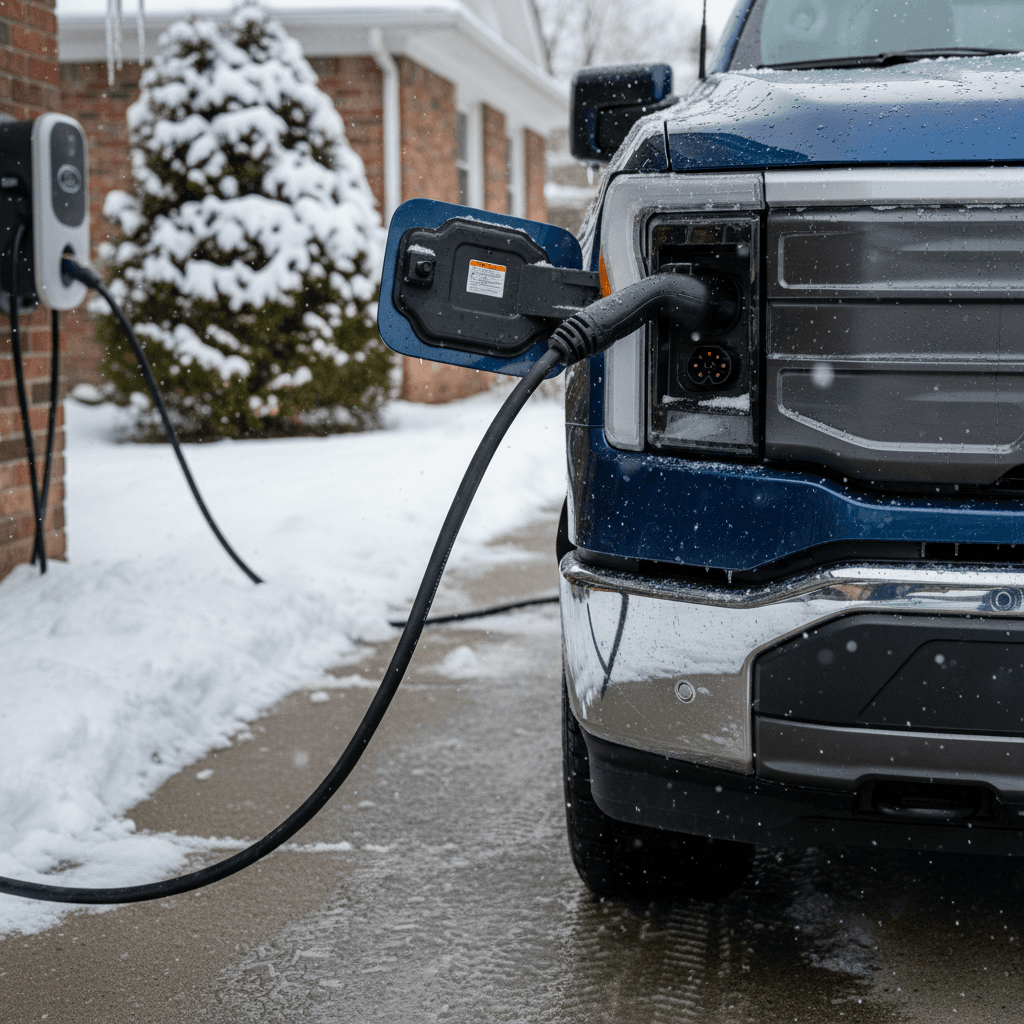
Use Ford’s scheduled departure or remote start so the truck warms the cabin and battery from wall power, not from the battery. This alone can noticeably reduce the first 15–20 minutes of inefficiency.
2. Use seat and wheel heaters first
The cabin HVAC is a blunt instrument. Rely more on <strong>seat and steering‑wheel heaters</strong>, then use modest cabin temps (66–68°F) instead of “max heat.”
3. Dial back highway speed
Above about 65 mph, the Lightning’s aero penalty gets real. In winter, dropping from 75 to 65 mph can claw back a surprising chunk of range, often worth more than obsessing over tire pressure.
4. Avoid lots of short, cold starts
If possible, combine errands into <strong>one longer warm drive</strong>. Starting cold six times in a day wastes more energy reheating the cabin and pack than a single continuous trip.
5. Check tire pressure often
Cold air drops PSI. Under‑inflated tires add rolling resistance and waste range. Keep the Lightning at or near the door‑jamb spec, especially in the first real cold snap each fall.
6. Shed extra drag & weight
Roof racks, bed racks, and big mud‑terrain tires all add drag or rolling resistance. If you’re already fighting winter, don’t give it free wins with unnecessary aero penalties.
Think in segments, not full‑pack
Smart winter charging strategies for the Lightning
Cold doesn’t just affect how fast you use energy; it affects how fast you can put it back into the truck. That’s why winter charging strategy is part of the Ford F-150 Lightning winter range loss conversation.
Charging tactics that work in winter
Make every kilowatt count when temps drop.
Prioritize home Level 2
A 240‑volt home charger lets you start every winter morning full. That turns most commutes into a non‑issue, even with 30% range loss.
Arrive low, charge high
On road trips, try to arrive at fast chargers with 10–20% remaining and leave around 70–80%. That’s where DC fast chargers work the quickest, especially in winter.
Time your sessions
Many public networks slow down when the pack is cold. If possible, drive 15–20 minutes before a fast‑charge stop so the battery is warm and ready to accept higher power.
Recharged can help plan your winter use
Buying a used F-150 Lightning for cold climates
If you’re eyeing a used F-150 Lightning in, say, Vermont or North Dakota, winter range loss percentage isn’t an abstract question, it’s the difference between “works great” and “constant math anxiety.” Here’s how to shop smart.
- Favor the Extended Range battery if your budget allows. In winter, those extra kilowatt‑hours translate directly into buffer. A 35% loss of 320 miles still leaves more on the table than a 35% loss of 240.
- Match the truck to your route, not your fantasy road trip. If your daily life is a 40‑mile round‑trip commute plus kid duty, a Standard Range truck may be fine even in harsh winters. If you’re doing regular 150‑mile highway days, lean toward Extended Range.
- Look closely at prior use. Trucks that did a lot of DC fast charging and heavy towing in hot climates may have a bit more battery wear before they ever see your winter.
- Get real battery data, not just a guess. With Recharged, every used EV comes with a Recharged Score report that verifies battery health and fair‑market pricing, so you know what you’re actually working with before snow season.
Why a used Lightning can make more sense
Ready to find your next EV?
Browse VehiclesFAQ: Ford F-150 Lightning winter range loss
Common questions about Lightning winter range
Bottom line: Can an electric F-150 work in winter?
If you boil all the numbers and percentages down, the Ford F-150 Lightning in winter is neither miracle nor menace. It’s a truck that behaves like a truck‑shaped EV: heavy, powerful, and honest about how much the weather matters. For most owners with commutes under 80–100 miles and reliable home charging, a 25–35% winter range loss is easy to live with once you recalibrate from gas‑station habits to overnight charging.
Where you need to be sober is in the margins: long highway days, towing, and truly brutal cold. Those are the use cases where “35% loss” can quietly become “I’m planning around half the sticker range.” If your life includes a lot of that, buy with your real routes in mind, not just your best‑case fantasies.
If you’re exploring a used F-150 Lightning, Recharged exists specifically to make this kind of decision less of a guessing game. Our Recharged Score battery health diagnostics, EV‑specialist support, and fully digital buying journey let you see exactly how much truck you’re getting, and how it will behave when winter rolls back around. Cold weather will always be part of the equation; our job is to make sure it never feels like the fine print.