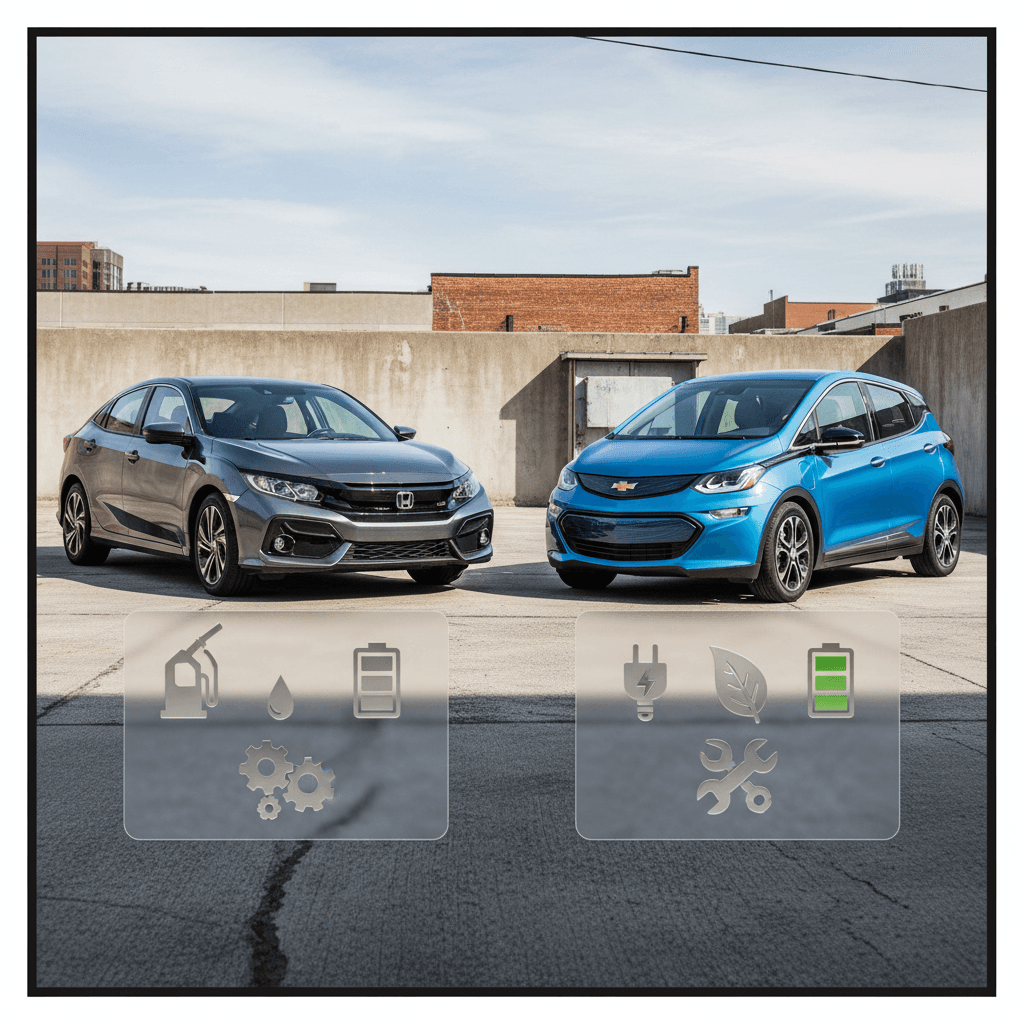
If you’re cross-shopping a **Honda Civic** against a **Chevrolet Bolt EV**, you’re really asking one big question: over the next few years, which one will actually cost you less to own? Looking past the sticker price and into total cost of ownership, fuel, maintenance, insurance, tax credits, and resale, is where the gas vs electric decision gets interesting.
What we’re comparing
Why compare Honda Civic vs Chevrolet Bolt EV ownership costs?
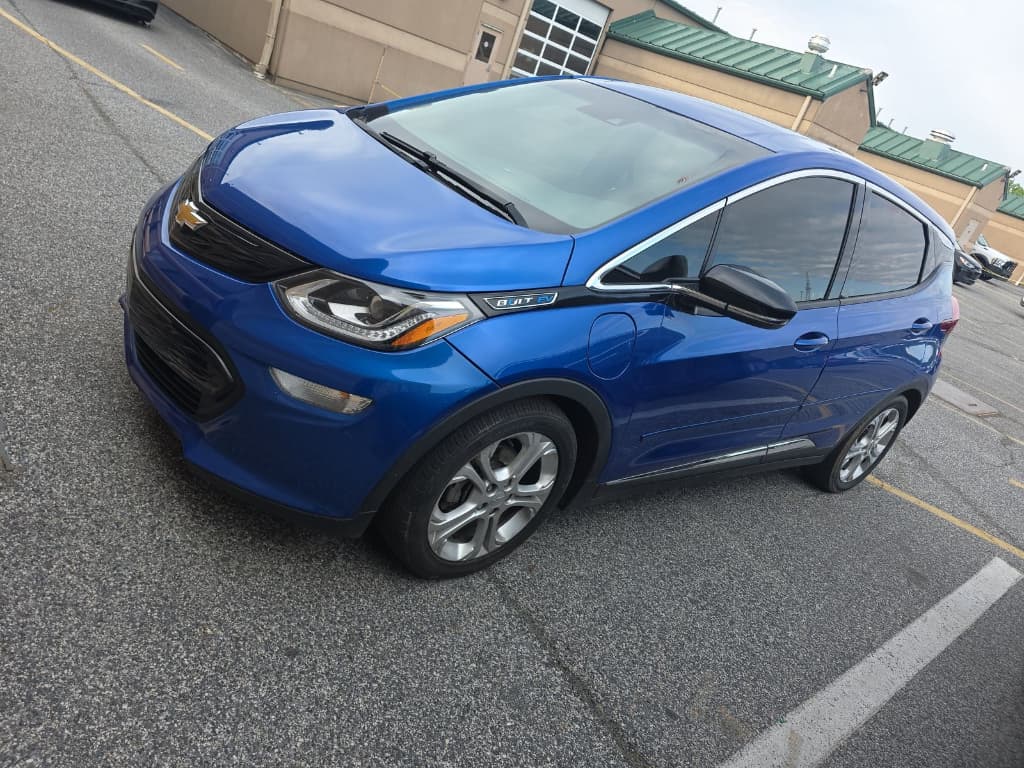
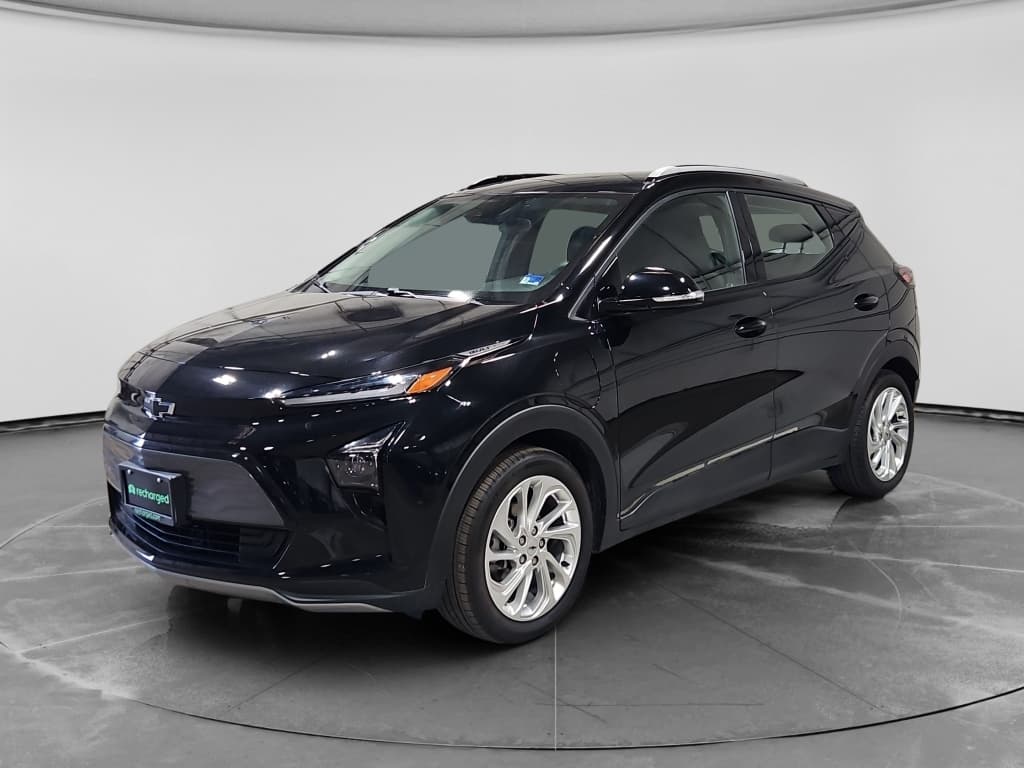
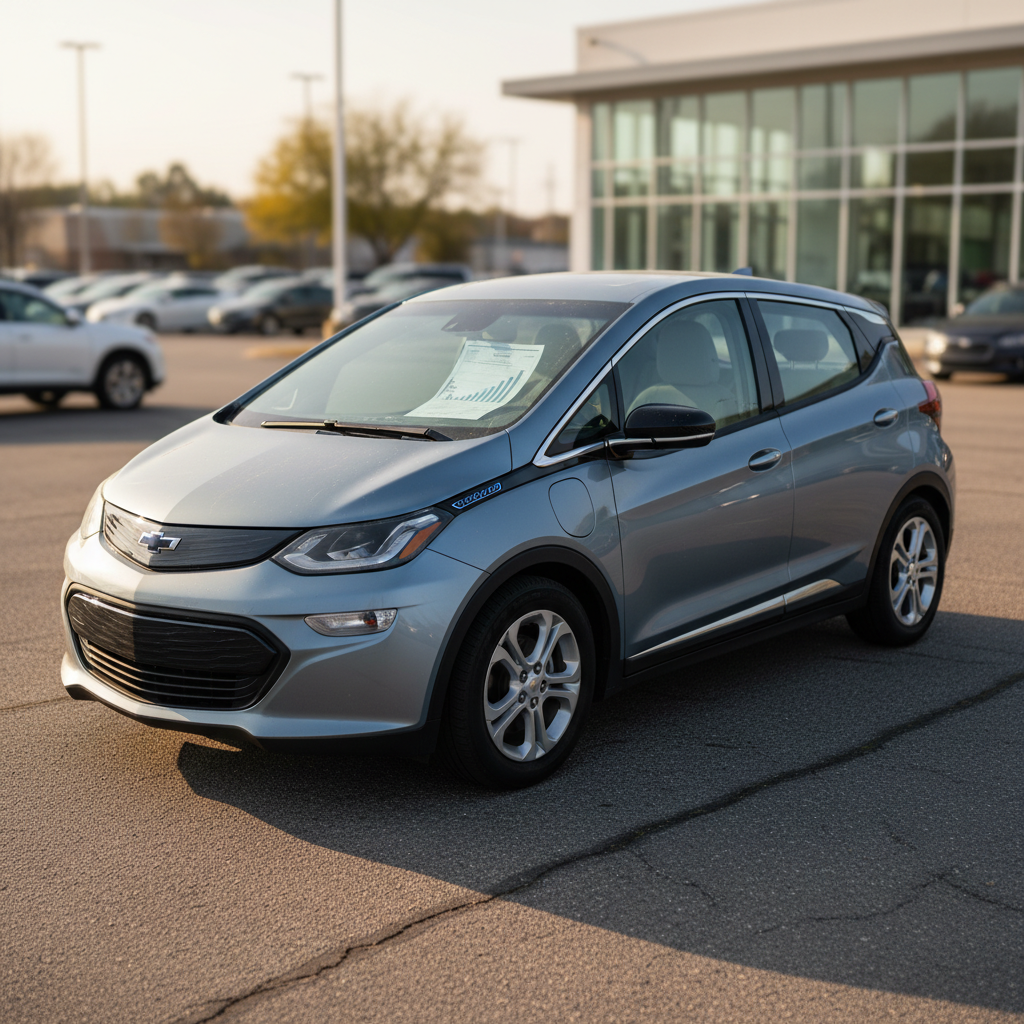
The Honda Civic has long been the poster child for **affordable, reliable transportation**. The Chevrolet Bolt EV, meanwhile, quietly became one of the most cost-effective ways to go electric, especially on the used market after its 2022–2023 battery recall and reboot. For many shoppers, these two cars now overlap in price, but the **way they cost you money** over time is completely different.
- The Civic burns gasoline, so your monthly costs track fuel prices and engine maintenance.
- The Bolt EV runs on electricity, so your main running costs are energy, tires, and insurance.
- EVs can benefit from **federal and state incentives** that Civics don’t qualify for.
- Used Bolts can offer low prices but require you to think about **battery health and range**.
Think in total cost, not just payment
Quick takeaway: which is cheaper to own?
5-year Civic vs Bolt EV: high-level comparison (typical U.S. driver)
For a typical U.S. driver putting **around 12,000 miles per year** on the car and with home charging available, a **Chevrolet Bolt EV usually has a lower total cost of ownership than a Honda Civic** over five years, often by **several thousand dollars**, even if the Civic’s purchase price is slightly lower.
Key caveat
Assumptions and baseline numbers for this comparison
To keep things honest and comparable, we’ll base our numbers on realistic, rounded assumptions that match many U.S. households. Your exact situation will differ, but this gives you a solid starting point.
Baseline assumptions used in this total cost of ownership comparison
These are not precise quotes, but reasonable 2025–2026 U.S. assumptions for a mid-trim Civic and a comparable Bolt EV on the used market.
| Category | Honda Civic (gas) | Chevrolet Bolt EV |
|---|---|---|
| Model years considered | 2020–2023 sedan, mid trim | 2019–2023 Bolt EV, standard battery |
| Purchase price (used, typical) | $20,000–$23,000 | $18,000–$22,000 (post-recall units often on lower side) |
| Annual mileage | 12,000 miles | 12,000 miles |
| Ownership period | 5 years | 5 years |
| Gas price | $3.75/gal (U.S. average-ish) | N/A |
| Civic fuel economy | 34 mpg combined | N/A |
| Home electricity price | $0.15/kWh | $0.15/kWh |
| Typical efficiency | N/A | 3.5 mi/kWh (average mix city/highway) |
| Financing | 5–6% APR, 60 months (good credit) | Similar terms, amount adjusted to purchase price |
Adjust these numbers for your own mileage, local fuel and electricity prices, and financing terms.
New vs used
Purchase price, incentives, and financing
On paper, a late-model **Honda Civic** and a similar-year **Chevrolet Bolt EV** often have **overlapping prices**, especially once you factor in EV incentives. But how you pay for them, and what you get back, can differ.
Upfront cost snapshot
How Civic and Bolt EV typically compare on day one
Honda Civic: familiar and straightforward
- Used prices: Often $20,000–$23,000 for a 2–4 year-old Civic in good condition.
- Financing: Easy to finance through almost any bank or credit union.
- Incentives: Generally none; gas cars don’t qualify for EV tax credits.
Chevrolet Bolt EV: incentives and discounts
- Used prices: Frequently in the $18,000–$22,000 range post‑recall, sometimes less.
- Incentives: Depending on year and your tax situation, a used Bolt EV may qualify for a federal used EV tax credit and/or state or utility rebates.
- Financing: Similar loan terms, sometimes slightly more scrutiny from lenders unfamiliar with EVs.
How Recharged can help on price
Honda Civic fuel costs vs Bolt EV electricity costs
Fuel is where the **electric Bolt EV really stretches its legs** against the Civic. The Civic is efficient for a gas car, but it’s still buying gallons of gasoline. The Bolt EV turns cheaper electricity into miles, and those pennies add up.
Estimated 5-year fuel vs electricity cost: Civic vs Bolt EV
Using our assumptions of 12,000 miles per year, $3.75/gallon gas, and $0.15/kWh electricity at home.
| Metric | Honda Civic | Chevrolet Bolt EV |
|---|---|---|
| Annual miles | 12,000 mi | 12,000 mi |
| Efficiency | 34 mpg | 3.5 mi/kWh |
| Energy needed per year | ~353 gal gas | ~3,430 kWh |
| Annual energy cost | 353 x $3.75 ≈ $1,325 | 3,430 x $0.15 ≈ $515 |
| 5-year energy cost | ≈ $6,625 | ≈ $2,575 |
| 5-year savings vs Civic | , | ≈ $4,050 |
If gas prices spike or you can access cheaper electricity (like off-peak home rates), the Bolt EV’s advantage grows.
Real-world takeaway on energy costs
What if you mostly DC fast charge?
Maintenance and repairs: gas complexity vs EV simplicity
Civics have a stellar reputation for reliability, but they still have an engine, transmission, exhaust system, and all the supporting hardware. The Bolt EV skips almost all of that. Fewer moving parts doesn’t mean zero maintenance, but it usually means **less frequent and less expensive** maintenance.
Honda Civic: small bills that add up
- Oil changes: 2–3 per year at $60–$100 each.
- Transmission service: Fluid changes over time, sometimes pricey at the dealer.
- Engine-related repairs: Spark plugs, belts, sensors, cooling system, exhaust.
- Brakes: Conventional brake wear; rotors and pads can need replacement closer to 50–70k miles depending on driving.
Chevrolet Bolt EV: simpler routine
- No oil changes, no timing belts, no exhaust.
- Brake wear is low thanks to regenerative braking; pads often last far longer than in gas cars.
- Maintenance items: Cabin air filter, coolant for the battery/drive unit at manufacturer intervals, tire rotations, occasional brake fluid service.
- Software updates: Often handled at the dealer during routine visits or over the air.
Ballpark 5-year maintenance and repair costs
These are generalized estimates for routine maintenance and minor repairs, assuming no major accidents or catastrophic failures.
| Cost Area | Honda Civic | Chevrolet Bolt EV |
|---|---|---|
| Oil & engine-related service | $1,200–$1,800 | $0 |
| Other scheduled maintenance | $800–$1,200 | $500–$900 |
| Brake service | $600–$1,000 | $200–$500 (often just inspections) |
| Total (5-year est.) | $2,600–$4,000 | $700–$1,400 |
Actual costs vary by region, driving style, and service provider, but EVs typically see lower routine maintenance expenses than comparable gas cars.
Warranty safety net
Insurance, tires, and other running costs
Insurance and wear items like tires don’t swing the Civic vs Bolt EV decision as dramatically as fuel and maintenance, but they’re still part of total cost of ownership.
Other costs to keep in mind
These won’t make or break the decision, but they can nudge it.
Insurance
Insuring a Bolt EV can be slightly more expensive than a Civic in some markets, especially if repair networks are limited or local shops lack EV experience. In other areas, rates are similar. Get real quotes for both VINs before you decide.
Tires
Both cars use compact‑car tires, but many Bolts wear low‑rolling‑resistance EV tires that can cost a bit more. However, you may replace them at similar intervals to a Civic if your driving mix is comparable.
Registration and fees
Some states charge extra annual fees for EVs to make up for lost gas tax revenue, while others offer discounts or perks. Civics simply pay standard car registration and emissions/inspection where required.
Depreciation and resale value for Civic vs Bolt EV
Depreciation, how much value a car loses as it ages, is where the Civic’s long-standing reputation shines, and where the Bolt EV’s story is evolving fast.
- Honda Civic: Historically excellent resale value, strong demand on the used market, and a huge buyer pool.
- Chevrolet Bolt EV: Early depreciation was steep, partly due to EV skepticism and the battery recall. Post‑recall and with more interest in EVs, used prices have stabilized and, in some regions, climbed. Future value will track where EV adoption and charging infrastructure go in your area.
What this means for your wallet
5-year Honda Civic vs Chevrolet Bolt EV total cost of ownership
Let’s pull the major pieces together. These are **illustrative numbers**, not quotes, think of them as a model to plug your own figures into.
Illustrative 5-year total cost of ownership: Civic vs Bolt EV
Assumes similar purchase price around $21,000, typical U.S. energy costs, and average maintenance. Excludes taxes and fees at purchase, which vary widely by state.
| Cost Category (5 years) | Honda Civic | Chevrolet Bolt EV |
|---|---|---|
| Purchase price (used) | $21,000 | $21,000 |
| Financing interest (approx.) | $2,500 | $2,500 |
| Fuel / electricity | ≈ $6,600 | ≈ $2,600 |
| Maintenance & minor repairs | ≈ $3,200 | ≈ $1,000 |
| Insurance & tires | Similar ballpark (varies by region) | Similar ballpark (may be slightly higher ins., slightly higher tire cost) |
| Potential incentives/credits | $0 | Up to several thousand depending on eligibility |
| Estimated 5-year out-of-pocket (excl. resale) | ≈ $33,300 + insurance/tires | ≈ $27,100 + insurance/tires |
| Difference (Civic minus Bolt EV) | , | Bolt EV ahead by ≈ $6,000 before incentives |
Use this as a framework: adjust purchase price, mileage, and local energy costs to see how your situation compares.
Bolt EV usually wins the 5-year math
How battery health and range change the math
Here’s the catch that doesn’t show up on a simple spreadsheet: **EV battery health**. A Civic’s fuel economy might sag a bit as it ages, but its range doesn’t suddenly drop 20%. With a Bolt EV, you want to understand how much battery capacity remains and whether it meets your daily needs comfortably.
Don’t ignore battery condition
This is where Recharged’s **Recharged Score battery health diagnostics** matter. On a used Chevrolet Bolt EV, you see objective data on battery condition and range, not just a guess from the dashboard. That lets you compare a specific Bolt against a Civic with far more confidence in your total cost picture.
When a used Bolt EV makes more sense than a Civic
In many real-world scenarios, the Bolt EV is the **better financial and day-to-day choice**, provided it fits your lifestyle.
Bolt EV wins for cost of ownership when…
These scenarios tilt the spreadsheet strongly toward electric.
You can charge at home
- Overnight Level 1 (120V) or Level 2 (240V) charging keeps energy costs low.
- You avoid the higher cost of frequent DC fast charging.
- You start each morning with enough range for your routine.
You drive a lot of miles
- The more you drive, the more you save on fuel vs gasoline.
- Above ~10,000–12,000 miles per year, EV fuel savings really compound.
- Long commutes with mostly home charging are the sweet spot.
You live where electricity is cheap
- Regions with $0.10–$0.15/kWh rates make fuel savings dramatic.
- Time-of-use plans can push your charging cost even lower.
- Pairing with home solar can send your “fuel” cost toward zero.
You want simple maintenance
- No oil changes, fewer routine services, less time at the shop.
- Regenerative braking extends brake life, another hidden cost saver.
- You prefer set‑and‑forget ownership over frequent service visits.
When a Honda Civic may still be the better choice
There are also honest situations where a Civic is the safer or more practical pick, even if the Bolt EV looks cheaper on paper.
You can’t reliably charge at home
- If you rent without guaranteed parking or outlets, relying on public charging may be inconvenient or expensive.
- Frequent DC fast charging isn’t ideal long-term for battery health or your wallet.
- In this case, a Civic’s ability to refuel anywhere in five minutes is a real advantage.
Your driving is unpredictable or very rural
- If you regularly drive beyond the Bolt’s comfortable one‑charge range, especially in cold weather, gas can be less stressful.
- Remote areas may have spotty charging infrastructure but plenty of gas stations.
- You might value the Civic’s simplicity over the Bolt’s lower running costs.
Cold weather and range
Checklist: questions to decide between Honda Civic and Bolt EV
Key questions to answer before you choose
1. How many miles do you drive per year?
If you’re under about 8,000 miles per year, fuel savings from a Bolt EV are modest. Over 12,000 miles per year, the Bolt’s lower “fuel” cost becomes a major advantage over a Civic.
2. Can you charge at home or at work?
A Bolt EV delivers its biggest savings when you can charge regularly at home or work, using reasonably priced electricity. If you’re stuck on public DC fast chargers, run the math carefully.
3. What are your local gas and electricity rates?
Pull your utility bill and nearby gas prices. Use a simple calculator to estimate five years of Civic fuel vs Bolt electricity. You may be surprised at the spread.
4. How stable is your living situation?
If you expect to move frequently, especially to unknown charging environments, a Civic’s universal refueling convenience could matter more than the Bolt’s lower running costs.
5. How much do you care about emissions and noise?
Beyond dollars, the Bolt EV offers quiet, zero tailpipe emissions driving. If that matters to you, it’s a bonus on top of the cost savings.
6. How comfortable are you with new tech?
EV ownership comes with apps, charging networks, and some learning. If that excites you, the Bolt EV will feel modern and fun. If not, the Civic’s familiarity may be a better fit.
FAQ: Honda Civic vs Chevrolet Bolt EV ownership costs
Frequently asked questions about Civic vs Bolt EV total cost of ownership
Bottom line: how to shop smart for lower total cost of ownership
When you look beyond the sticker, a **Chevrolet Bolt EV usually undercuts a Honda Civic on total cost of ownership**, especially if you drive a typical or above‑average number of miles and can charge at home. Lower energy costs and simpler maintenance do a lot of quiet work in your favor. The Civic still fights back with rock‑solid familiarity, broad fueling infrastructure, and strong resale value, which can matter more if your life is unpredictable or charging access is shaky.
If you’re leaning toward the Bolt EV, focus hard on **battery health, charging access, and real financing numbers**. Tools like Recharged’s **battery health diagnostics, transparent pricing, and EV‑savvy financing** make it much easier to compare a specific Bolt against the Civics on your shortlist. Run the numbers for your own commute, your local energy prices, and your tax situation, and let the spreadsheet, not the stereotypes, tell you which car really costs less to own.