If you’ve been browsing used electric cars, you’ve probably noticed something odd about Chevrolet Bolt EV depreciation. Early cars can look suspiciously cheap, low‑mile 2022–2023 models feel underpriced next to newer rivals, and listings keep mentioning “battery replaced” or “recall completed.” Let’s untangle what’s going on so you know when a used Bolt is a screaming deal, and when it’s simply cheap for a reason.
At a glance
Why Chevrolet Bolt EV depreciation is different from other EVs
Most cars follow a predictable curve: steep early depreciation, then a gradual taper. The Chevy Bolt EV followed that path at first, then GM changed the rules mid‑game. In 2022–2023, Chevrolet slashed new Bolt pricing by thousands of dollars, making it one of the cheapest new EVs in America. That reset the bar for used prices almost overnight and pushed earlier model years down hard. On top of that, a high‑profile battery fire recall meant many 2017–2019 cars eventually received brand‑new, higher‑capacity packs under warranty, which suddenly made some older cars more desirable than slightly newer ones.
Chevy Bolt EV depreciation snapshot (U.S. market)
Why this matters for you
How much does a Chevrolet Bolt EV actually depreciate?
No two used Bolts are exactly alike, but we can outline typical patterns based on 2024–2025 market data and real‑world listings. Think of these as ballpark numbers for well‑cared‑for cars with average mileage and clean histories:
- Years 1–3: The steepest drop. Like many affordable EVs, a new Bolt EV can lose roughly 40–50% of its value in the first three years, especially once manufacturer discounts and dealer incentives are factored in.
- Years 4–6: Depreciation slows. By year five, many Bolts are sitting around 40–45% of their original MSRP, with condition, mileage, and battery status driving most of the spread.
- Years 7–9: Value is mostly about battery and warranty. For early 2017–2018 cars, the presence of a recall replacement pack and remaining battery warranty matter more than model year alone. Values tend to flatten out but can swing widely car‑to‑car.
One thing to keep in mind: pricing tools often assume that new‑car MSRPs were stable. They weren’t. Bolts sold in 2019 at much higher sticker prices than heavily discounted 2023 cars. That’s why some late‑run Bolts look like depreciation champs on paper, they simply started from a lower new‑car price.
Current used Chevy Bolt EV price bands in 2026
Actual transaction prices will vary by region, mileage, trim, and battery status, but as of early 2026, you’ll commonly see U.S. dealer and marketplace listings fall into these rough bands:
Typical 2026 U.S. used Chevy Bolt EV price bands
Approximate asking-price ranges for clean-title Bolts with average mileage. Local market conditions, tax credits, and battery status will push individual cars higher or lower.
| Model years | Typical age in 2026 | Common mileage range | Typical asking range (USD) | Notes |
|---|---|---|---|---|
| 2017–2018 | 8–9 years | 70,000–120,000+ miles | $8,000–$13,000 | Heavily influenced by recall history; cars with newer packs and strong range often command the top of this band. |
| 2019 | 7 years | 60,000–110,000 miles | $10,000–$15,000 | Mid‑cycle updates and new packs can add value; lots of variation as cars move out of original warranty. |
| 2020–2021 | 5–6 years | 40,000–90,000 miles | $13,000–$18,000 | Steep initial hit is largely behind them; good sweet spot for shoppers who want value plus decent remaining warranty. |
| 2022–2023 Bolt EV | 3–4 years | 20,000–60,000 miles | $16,000–$22,000 | Later BEV2 cars benefit from lower original MSRPs; depreciation is gentler than early years. |
| 2022–2023 Bolt EUV | 3–4 years | 20,000–60,000 miles | $18,000–$24,000 | Slightly higher prices due to extra space and features, but subject to the same recall and warranty considerations. |
Use these bands as a starting point, then adjust for mileage, battery warranty, and overall condition.
Don’t forget tax credits
7 key factors that shape Chevy Bolt EV depreciation
Two identical‑looking Bolts on the same lot can be thousands of dollars apart. Here’s what usually explains the gap.
The biggest levers on Bolt EV resale value
What sellers know, and what you should verify before you sign anything.
1. Battery health
A healthy pack is everything in a used EV. On a Bolt, that means:
- Real‑world range reasonably close to original EPA numbers.
- No battery warnings or reduced‑power modes.
- Documented recall completion and any replacement pack details.
Tools like the Recharged Score quantify battery health so you’re not guessing from a dash gauge.
2. Warranty coverage
Chevy’s EV component warranty has typically covered 8 years/100,000 miles (often longer in some states). For recall replacement packs, warranty clocks can reset from the installation date.
The more years and miles you have left, the more insulated you are from major repair risk, and the stronger the resale value.
3. Mileage and usage
High mileage matters less on an EV than battery wear patterns, but it still shows how much the car has been used.
- High‑mile Bolt with a brand‑new pack? Often a smart buy.
- Low‑mile car that fast‑charged daily? Inspect closely.
4. Recall & service history
Because of the battery recall, a full service history is critical. You want to see:
- Documentation of recall completion.
- Any pack replacement or module work.
- Regular maintenance, even though EVs need less of it.
5. Charging behavior
Sellers rarely advertise this, but you can ask:
- Was the car mostly Level 2 home‑charged?
- Was DC fast charging daily or just for trips?
Gentle charging habits usually go hand‑in‑hand with slower degradation.
6. Region and climate
Extreme heat accelerates battery wear if the car sat outside. Cold climates can hide good batteries behind winter range loss.
A Bolt from a mild climate with a garage and modest mileage is often worth a premium.
7. Trim, options, and competition
Premier trims, Driver Confidence packages, and a clean, well‑optioned interior help a used Bolt stand out. But so do newer rivals: fresh models with more range or faster charging can quietly drag on older Bolt prices in the same way a new smartphone lowers the perceived value of last year’s model.
Battery recall, replacement packs, and how they affect value
You can’t talk about Chevy Bolt EV depreciation without talking about the battery recall. Early Bolts were subject to a nationwide recall for potential fire risk, and GM ultimately chose to replace many packs outright. For used‑car shoppers, that’s not just drama in the rearview mirror, it’s one of the biggest value drivers on today’s market.

- 2017–2019 cars are special cases. Many received entirely new, higher‑capacity packs rated for 259 miles of EPA range, even if the car originally launched with a lower number.
- Replacement packs often restart the warranty clock. A new pack installed in, say, 2022 may carry coverage out well into the late 2020s, even if the car itself is a 2017 model.
- Documentation is king. A seller saying “the battery was done” isn’t enough. You want service records that list the battery replacement date and any warranty notes.
Why a recalled Bolt can be a great buy
But there is a flip side
Chevy Bolt EV depreciation vs. Leaf, Model 3, and others
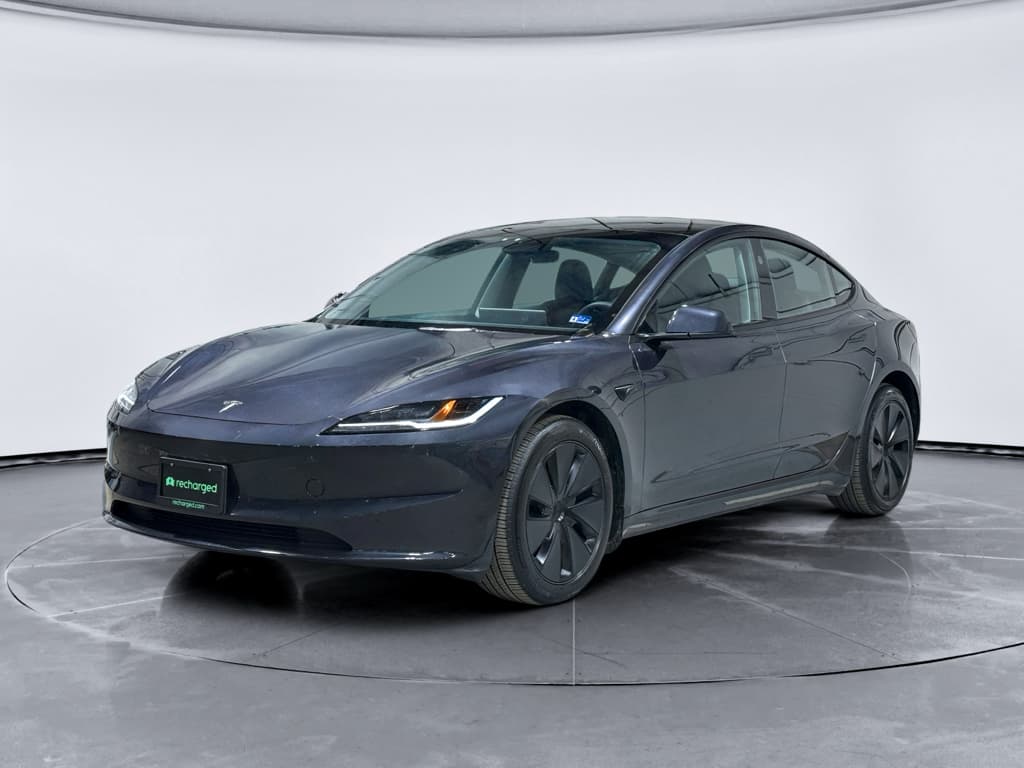
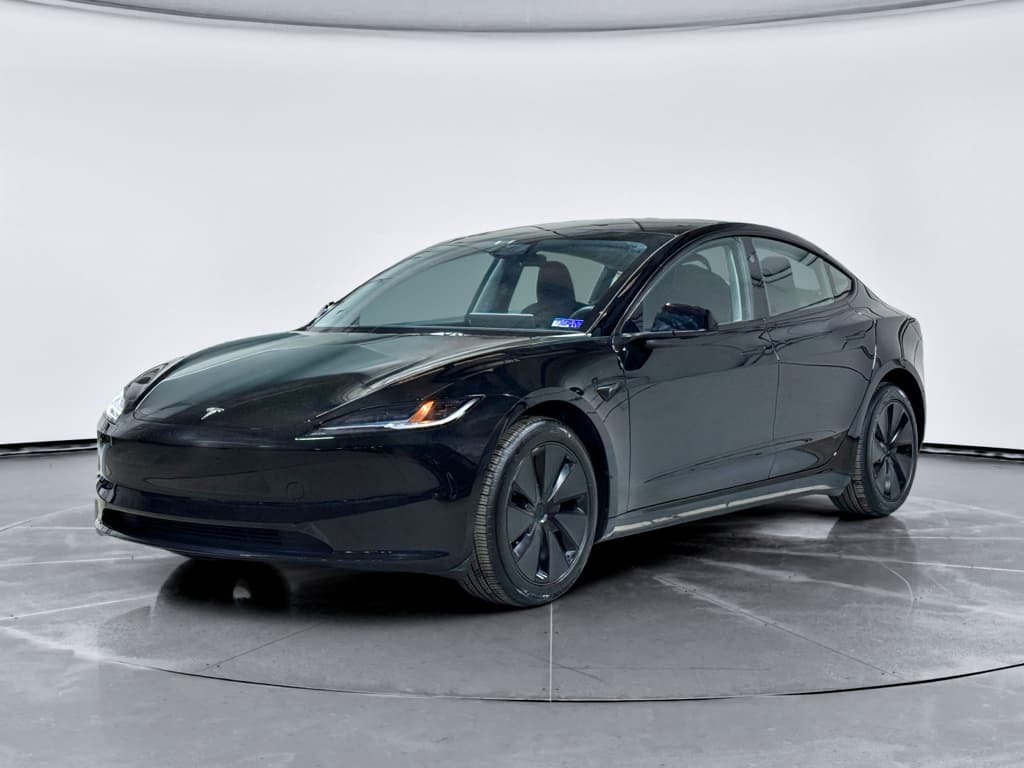
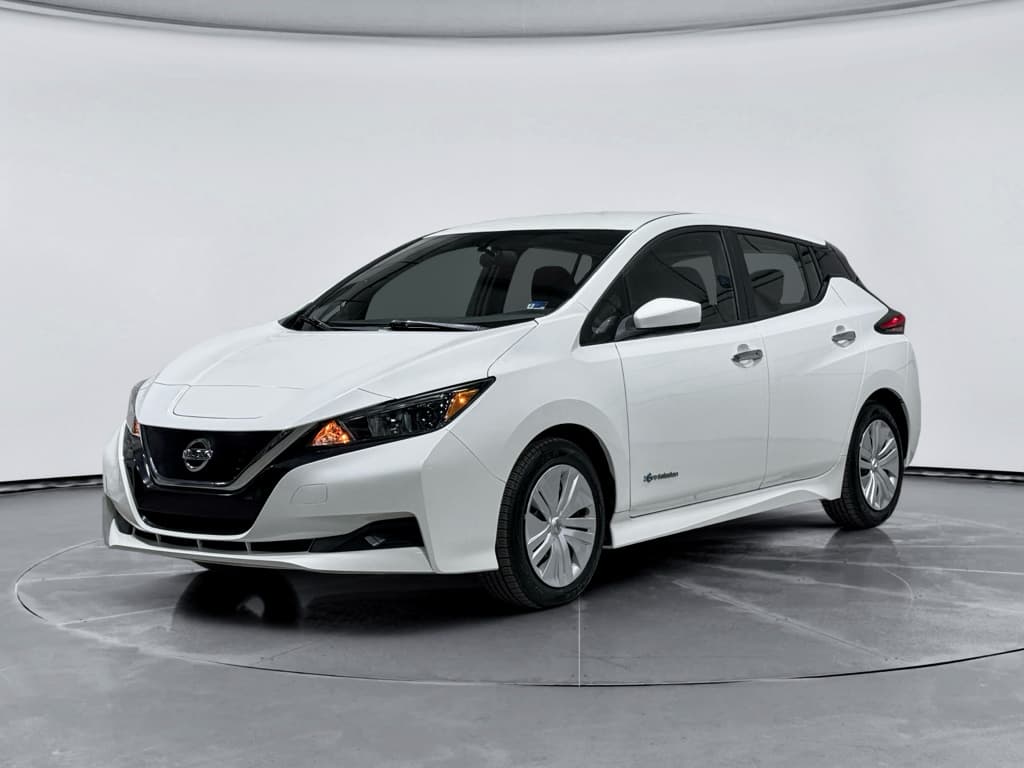
When shoppers ask about depreciation, what they really want to know is, “Could I do better with something else?” Here’s how the Bolt typically stacks up against two of its closest rivals: the Nissan Leaf and the Tesla Model 3.
Five‑ish‑year depreciation: Bolt EV vs. key rivals
High‑level comparison using 2024–2025 market data and typical transactions, rounded for simplicity.
| Model | Original price band (new) | Approx. value after 5 years | Approx. 5‑year depreciation | Depreciation character |
|---|---|---|---|---|
| Chevrolet Bolt EV | Low‑$30,000s (before later price cuts) | ~40–45% of original MSRP | ~55–60% | Steep early hit, especially before GM’s price cuts; stabilizes once recall is resolved and market adjusts. |
| Nissan Leaf | High‑$20,000s to low‑$30,000s | ~35–40% of original MSRP | ~60–65% | Among the steepest EV depreciators, especially early 24 kWh and 30 kWh cars with modest range. |
| Tesla Model 3 | Mid‑$30,000s to $50,000+ | ~55–65% of original MSRP | ~35–45% | Better long‑term value retention, but started much higher; aggressive recent price cuts have compressed used values. |
| Other compact EVs (e.g., Kona, Niro) | Low‑$30,000s to low‑$40,000s | ~45–55% of original MSRP | ~45–55% | Sit between Bolt and Model 3, with range, brand, and charging speed steering resale. |
Exact numbers depend on trim and incentives, but this gives you the flavor of how the Bolt compares to other popular EVs.
Put simply, the Bolt usually depreciates more than a Model 3 in percentage terms but starts from a lower sticker price. That means you’re often paying a lot less cash for similar real‑world usability, especially if your driving is mostly in town and on regional trips.
How to evaluate a used Chevy Bolt EV’s value
You don’t need to be an engineer, or a used‑car dealer, to make sense of Chevrolet Bolt EV depreciation. You just need a consistent checklist and a willingness to walk away when the math doesn’t add up.
Used Chevy Bolt EV value checklist
1. Start with an independent value benchmark
Pull pricing from a couple of valuation tools for the exact year, trim, and mileage, then cross‑check against real listings. This gives you a baseline before you factor in recalls, battery replacements, or options.
2. Verify recall completion and battery status
Use the VIN to check recall status, then ask for service documentation. A completed recall with a documented replacement pack can justify a higher price than generic tools suggest.
3. Map out remaining battery warranty
Look at both the original in‑service date and any replacement battery paperwork. Count remaining years and miles of EV component coverage, it’s a huge part of what you’re paying for.
4. Test real-world range
On the test drive, pay attention to the projected range at a known state of charge and how quickly it falls. Compare that to the original EPA rating. A car that’s still close to spec is worth more than a similar car that’s significantly down on range.
5. Inspect charging history and hardware
If the seller used public fast charging heavily, make sure the car charges reliably on Level 2 and that there are no signs of overheating or charge‑port damage. Confirm that the portable cord and any home‑charging hardware are included if advertised.
6. Factor in local incentives and taxes
Sales tax, registration fees, and any local EV perks (like reduced tolls or HOV access) all affect the true cost. A slightly higher asking price can still be the better deal once you account for perks and lower operating costs.
7. Use a professional-grade battery health report
A scan‑level health report, like the Recharged Score report that comes with every vehicle on Recharged, lets you see beyond the dashboard guess‑o‑meter, confirming usable capacity and spotting outliers that might age badly.
What Recharged adds to the depreciation puzzle
Used EV shoppers are often stuck decoding half‑complete stories from classified ads. Recharged was built to take the guesswork out of that process:
- Every car comes with a Recharged Score Report that includes verified battery health, odometer, and charging performance data.
- Pricing is benchmarked against fair‑market values, so you can see how a car’s history and condition affect its position in the market.
- Our EV specialists walk you through trade‑ins, financing, and nationwide delivery, so the numbers from your spreadsheet actually match what lands in your driveway.
Why that matters for the Chevy Bolt EV
Bolt shoppers are dealing with an especially noisy market: recalls, replacement packs, big price cuts, and fast‑moving incentives. Having a single, transparent report on each car’s battery, history, and pricing keeps you from overpaying just because a listing uses the right buzzwords.
If you’re trading out of a gas car, Recharged can also provide an instant offer or consignment option, helping you capture more of your old car’s remaining value while stepping into a Bolt whose depreciation curve you actually understand.
Financing, insurance, and total cost of ownership
Depreciation is only one slice of what a Bolt really costs you. The full picture includes what you pay to finance it, insure it, and keep it moving over the next five years.
How depreciation fits into total Bolt EV ownership costs
The sticker price is only the opening bid; your ongoing costs tell the real story.
Financing & interest
A car that has already taken its biggest depreciation hit often makes more sense to finance than one still falling rapidly in value. Because used Bolts are relatively affordable, your monthly payment can stay reasonable even with a shorter loan term.
Recharged offers financing options tailored to used EVs, so the loan term lines up sensibly with remaining warranty life.
Insurance and replacement cost
Insurance carriers look at vehicle replacement cost and repair history. Bolts benefit from relatively common parts and a growing repair network, but battery replacement remains expensive if you’re out of warranty.
Make sure your coverage matches your risk tolerance, especially if you’re buying near the end of the battery warranty.
Running costs vs. gas cars
Even if depreciation on a Bolt looks steeper on paper than a comparable gas hatchback, you’re offsetting that with much lower fuel and maintenance costs: no oil changes, fewer moving parts, and cheap electricity.
Over five years, many owners find that total cost of ownership compares very favorably to similarly sized gas cars, even after depreciation.
Align the loan with the warranty
Chevy Bolt EV depreciation: FAQs
Frequently asked questions about Chevrolet Bolt EV depreciation
Bottom line: Is a used Chevy Bolt EV a good value?
In a straight‑line depreciation race, the Chevrolet Bolt EV isn’t the hero of the story. It depreciates faster than some premium EVs and took an extra punch when GM cut new‑car prices. But that’s exactly what sets up today’s opportunity. If you’re shopping used in 2026, you can buy a Bolt that has already absorbed the ugly part of its curve, often with a fresh or warrantied battery pack and a long runway of cheap, low‑maintenance miles ahead.
The key is refusing to treat every Bolt as interchangeable. Focus on documented recall work, battery replacements, remaining warranty, and real‑world range, not just odometer readings and paint color. Tools like the Recharged Score Report, EV‑savvy financing, and nationwide delivery from Recharged make it much easier to see which cars will still feel like a deal three or five years from now. Do that homework, and a used Chevy Bolt EV can be one of the smartest value plays in the electric‑car world.