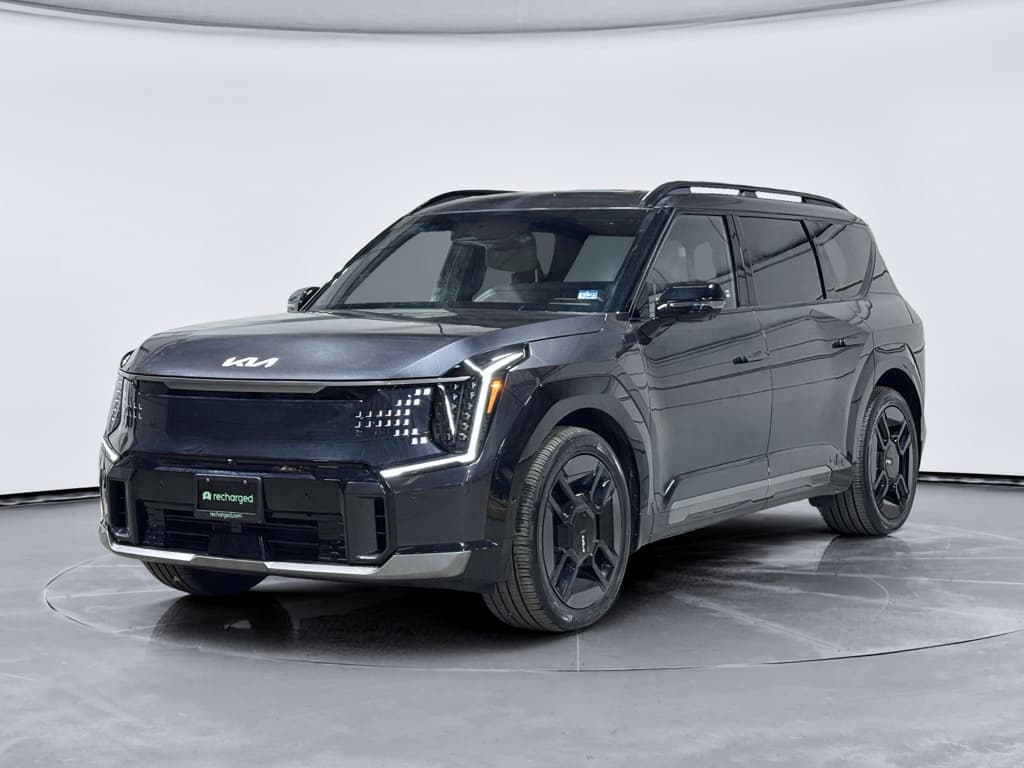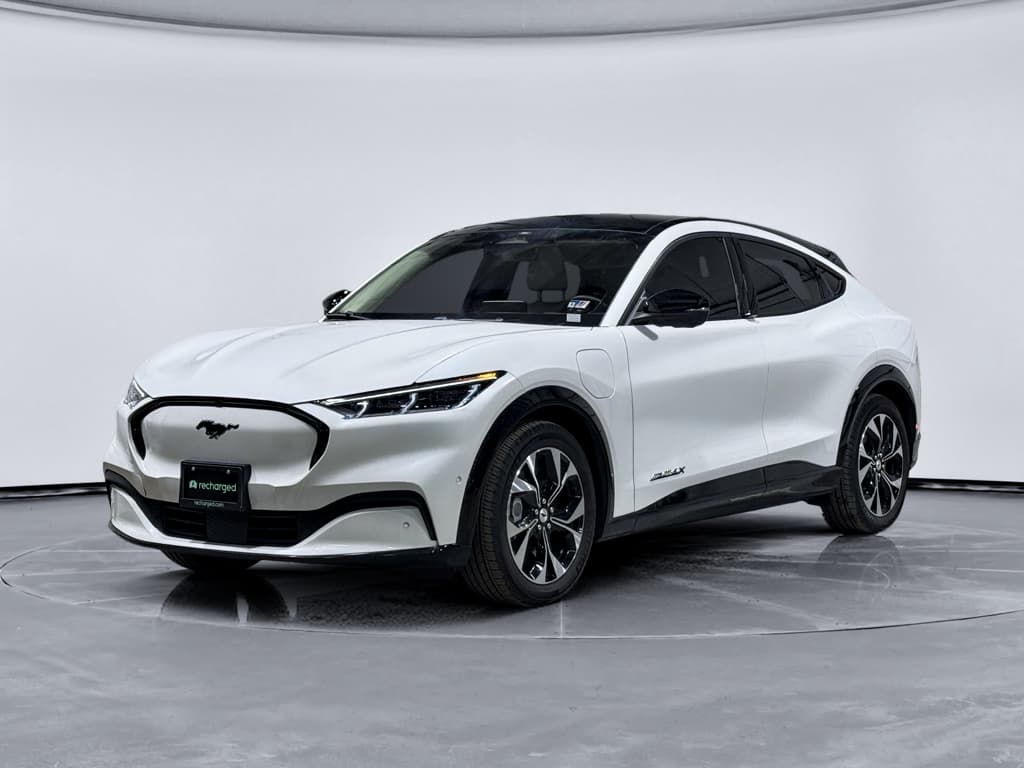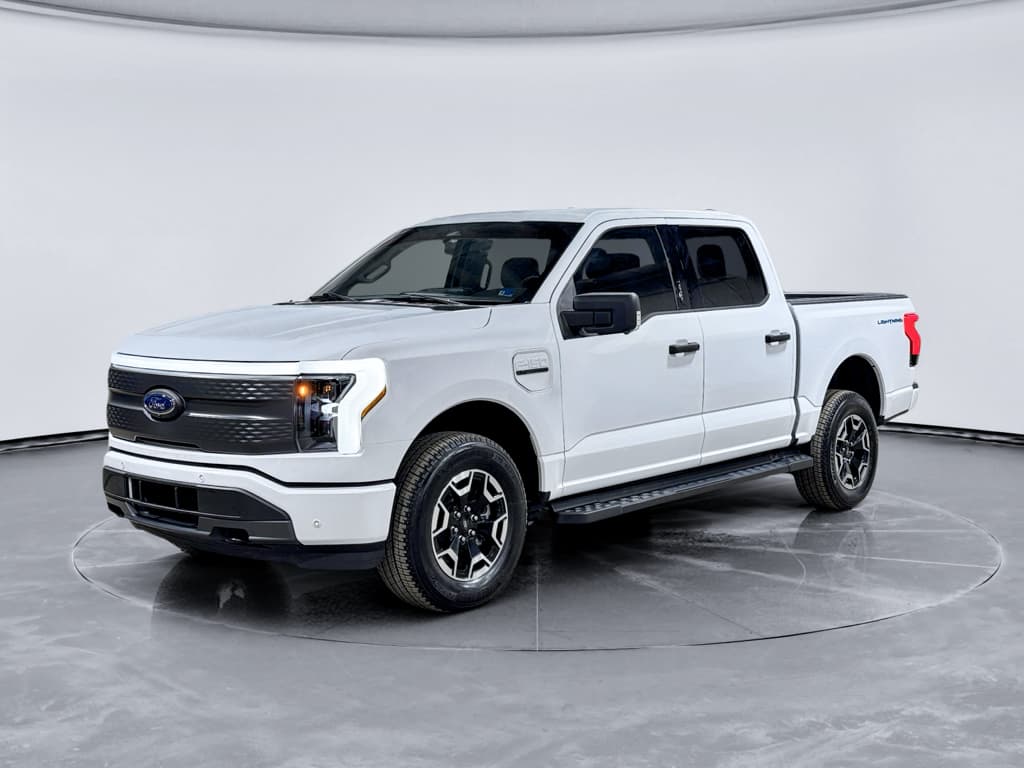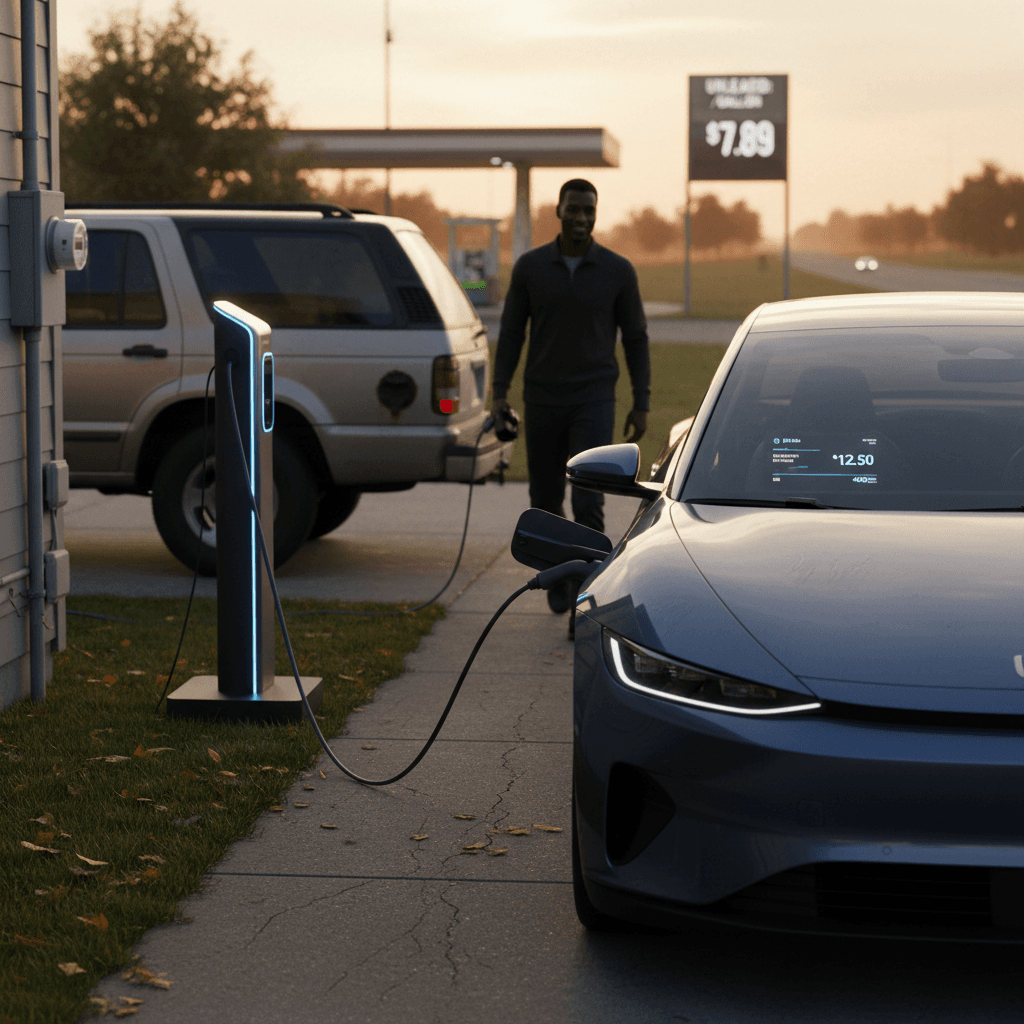
If you’re staring at $4‑a‑gallon gas and wondering how long you can afford to keep feeding a gasoline car, you’re not alone. Many drivers are finally asking a simple question: what are the best electric car alternatives when gas prices are high, and which ones actually save money, not just the planet?
Gas prices are volatile. Your strategy shouldn’t be.
Why high gas prices are back on your radar
For most households, gasoline is the most visible, emotionally charged part of car ownership. When the national average jumps toward $4 per gallon, it’s not just painful, it exposes how much of your budget is tied to a commodity you can’t control. Even if forecasts say prices might ease later, you feel the hit today every time you fill up.
- Gas is inherently volatile: geopolitical shocks and refinery hiccups can move prices overnight.
- Most drivers can’t easily drive less: commuting, school runs, and errands are fairly fixed.
- Big, inefficient vehicles magnify the pain: if you get 18 mpg, every gas spike hits harder than if you get 40+ mpg or its EV equivalent.
The core economic reality is simple: energy efficiency is the only permanent hedge against high fuel prices. That’s where today’s electric cars, plug‑in hybrids, and even some efficient conventional vehicles come in.
How much can an electric car actually save you?
What switching from gas to electric can save
Total cost of ownership (TCO) studies from government agencies, municipalities, and independent analysts keep converging on the same conclusion: over a multi‑year period, EVs are often cheaper to own than their gas counterparts, especially when fuel prices are elevated. The catch is that which alternative makes sense for you depends on how you drive and where your up‑front budget sits.
Used EVs shift the math fast

Electric, hybrid, or plug‑in: which alternative fits you?
Three main alternatives to a pure gas car
All three reduce your exposure to gas prices, but in different ways.
All‑electric (EV)
Best for: Commuters with home or reliable workplace charging.
- No gasoline at all; you drive only on electricity.
- Highest efficiency and lowest per‑mile energy cost.
- Requires charging access and some adjustment for longer trips.
Plug‑in hybrid (PHEV)
Best for: Mixed driving, apartment dwellers, or frequent road‑trippers.
- Short all‑electric range (often 25–50 miles), then a gas engine.
- If you charge daily, most local miles can be electric.
- Still dependent on gas for long drives, but far less than a pure ICE.
Efficient hybrid / gas
Best for: Drivers who can’t charge easily at home or work.
- Hybrid: gasoline plus small battery; no plugging in.
- Non‑hybrid: very high MPG compact or subcompact.
- Cheapest to adopt, but you’re still riding the gas roller coaster, just with a lighter bill.
If your goal is to escape high gas prices as much as possible, a full battery electric vehicle is the cleanest break. But for many households, a plug‑in hybrid or a brutally efficient compact still represents a massive improvement over today’s 18–24 mpg crossover or truck.
Best electric car alternatives by driver type
Match your fuel‑saving strategy to how you actually drive
Daily commuter (under 60 miles/day)
Prioritize a compact or midsize <strong>used EV</strong> with solid efficiency rather than sheer range. Anything EPA‑rated around 3–4 miles/kWh will crush your current fuel bill.
Look for models with reliable battery cooling and good degradation records rather than chasing the newest badge.
If you can install Level 2 at home, your "fuel" bill becomes a predictable line item instead of a weekly surprise.
Apartment or street parker
A <strong>plug‑in hybrid</strong> can dramatically reduce gas use without requiring a home charger, plug in when you can, drive on gas when you can’t.
If your building offers even a few shared Level 2 spots, favor EVs with strong efficiency over huge batteries; that maximizes miles per hour of charging.
Pair a modest‑range EV with workplace or public charging you trust; think about your actual access, not the theoretical network map.
Suburban family with road trips
One strong option is to make your <strong>primary commuter car electric</strong> and keep an older gas or hybrid vehicle for occasional long trips and towing.
If you want a single all‑rounder, look at <strong>long‑range EVs</strong> with fast‑charging capability and a robust DC fast‑charge network in your region.
Plug‑in hybrids with 30–50 miles of electric range can cover school runs and errands mostly on electricity while still being road‑trip simple.
Budget‑conscious buyer
Consider a <strong>used EV</strong> instead of a new economy gas car. You may pay similar money up front but spend less every month on energy and maintenance.
If an EV still stretches your budget, a used hybrid or small gas car with 40+ mpg is a meaningful step down from your current fuel expense.
Look beyond the sticker price. Calculate total monthly cost: payment, insurance, energy, and maintenance together. That’s where efficient vehicles shine.
Don’t just chase the lowest payment
Used EVs: the fastest way off the gas‑price roller coaster
New‑car prices, gas or electric, are still high by historical standards. That’s why the used market has become the sweet spot for drivers fed up with gas but wary of a big new‑EV price tag. Earlier depreciation, especially on some EV nameplates, means you can buy a lot of efficiency for surprisingly little money if you choose carefully.
Why used EVs are compelling right now
- Depreciation is already "baked in", especially for models that saw big price cuts when new.
- You still get the core EV advantages: instant torque, quiet drive, low per‑mile energy cost.
- Many used EVs are coming off lease with relatively low mileage and well‑documented service histories.
What you have to get right
- Battery health matters more than odometer miles; two identical cars can have very different remaining range.
- Fast‑charging capability and connector type (NACS vs CCS) affect long‑trip flexibility.
- Access to honest, transparent diagnostics can make the difference between a bargain and a headache.
How Recharged fits in
Ready to find your next EV?
Browse VehiclesCharging and lifestyle: can you live with less gas?
The right alternative to high gas prices is the one that fits your life with the fewest compromises. That starts with a clear look at your daily patterns and your realistic access to charging, not just wishful thinking about public infrastructure.
Key questions before you ditch the pump
1. Where will your car sleep most nights?
If it’s in a private driveway or garage, a full EV is very likely viable with a simple Level 2 home charger. If it’s on the street or in a shared lot, a plug‑in hybrid or an EV plus workplace charging may be more practical.
2. How many miles do you really drive?
Look at several months of odometer readings or app data. Many U.S. drivers average under 35 miles per day, which opens up a wide range of used EVs and plug‑in hybrids that almost never need gas.
3. Can you install home charging safely?
A proper 240V circuit installed by a licensed electrician usually costs less than a couple of years of gas savings, and it transforms EV ownership. If that’s off the table, scrutinize your local charging options before going all‑electric.
4. How often do you drive 200+ miles in a day?
If it’s a few times a year, renting or keeping one gas vehicle might be cheaper than overspending on a giant‑battery EV you only fully exploit on holidays.
5. Who else uses the car?
If multiple drivers share the vehicle, think about ease of charging, trip planning, and whether everyone is comfortable with the added planning an EV can require on long trips.
6. Are you okay with "good enough" range?
Range anxiety pushes people into buying more battery than they need. With high gas prices, it often makes more sense to pick a reasonably ranged, efficient EV and spend the savings on charging and travel instead.
Sample cost comparison: gas vs electric vs plug‑in
Let’s simplify the math with a hypothetical comparison. Assume you drive 12,000 miles per year and pay roughly $4 per gallon for gas and $0.15 per kWh for home electricity. Real numbers will vary by region, but the relationships are what matter.
Annual energy cost by powertrain (simplified example)
Illustrative costs for 12,000 miles/year. Uses rounded efficiency figures for clarity.
| Powertrain | Real‑world efficiency | Energy price assumption | Annual energy used | Estimated annual energy cost |
|---|---|---|---|---|
| Conventional gas SUV | 25 mpg | $4.00/gal | ≈480 gallons | ≈$1,920 |
| Efficient hybrid car | 50 mpg | $4.00/gal | ≈240 gallons | ≈$960 |
| Battery electric car | 3.5 mi/kWh | $0.15/kWh | ≈3,430 kWh | ≈$515 |
| Plug‑in hybrid (half miles electric) | 25 mi/gal, 2.8 mi/kWh | $4.00/gal & $0.15/kWh | ≈240 gal & 2,140 kWh | ≈$1,330 |
Even with conservative assumptions, an efficient EV can cut your energy bill by hundreds of dollars per year compared with a typical gas car.
Energy is only part of the story
Checklist: choosing your best alternative to high gas prices
Step‑by‑step: from gas pain to a smarter next car
1. Quantify your current fuel pain
Pull the last few months of bank or credit‑card statements and total what you’ve spent on gas. Divide by your average monthly miles to get a rough cents‑per‑mile figure. That’s your benchmark.
2. Decide how far you want to move away from gas
If your goal is to eliminate gas entirely, focus on EVs and your charging plan. If "use less gas" is enough, include plug‑in hybrids and top‑tier hybrids in your search.
3. Set a realistic total monthly budget
Combine payment, insurance, energy, and maintenance. A slightly higher payment may still make sense if it slashes your fuel and service costs while gas prices are elevated.
4. Shortlist vehicles by efficiency first, badge second
Use EPA MPGe/MPG and kWh/100 miles ratings to compare. A flashy badge can’t make up for poor efficiency if your goal is to beat high gas prices.
5. For used EVs, insist on battery transparency
Look for providers that offer independent battery health diagnostics, not just range estimates. Recharged’s <strong>Recharged Score</strong> is one example of the level of transparency you should expect.
6. Test the lifestyle, not just the car
On your test drive, simulate your real life: where would you charge, how would you handle your longest regular trip, and how does the car feel with your family and cargo on board?
Frequently asked questions about EVs and high gas prices
High gas prices & EV alternatives: FAQ
Bottom line: high gas prices and your next car
Gas prices will keep moving, up, down, and sideways. What doesn’t change is that every mile you drive in an efficient vehicle costs less than a mile in an inefficient one. Whether you land on a full EV, a plug‑in hybrid, or a hyper‑efficient compact, the real win is breaking your budget’s dependence on a commodity you can’t control.
If you’re ready to explore electric as your hedge against high gas prices, starting with the most energy‑saving vehicles and then looking at the most efficient EVs is a smart move. From there, browsing used EVs with transparent battery health, like those on Recharged, can turn that research into a concrete monthly savings plan rather than just daydreaming at the gas pump.