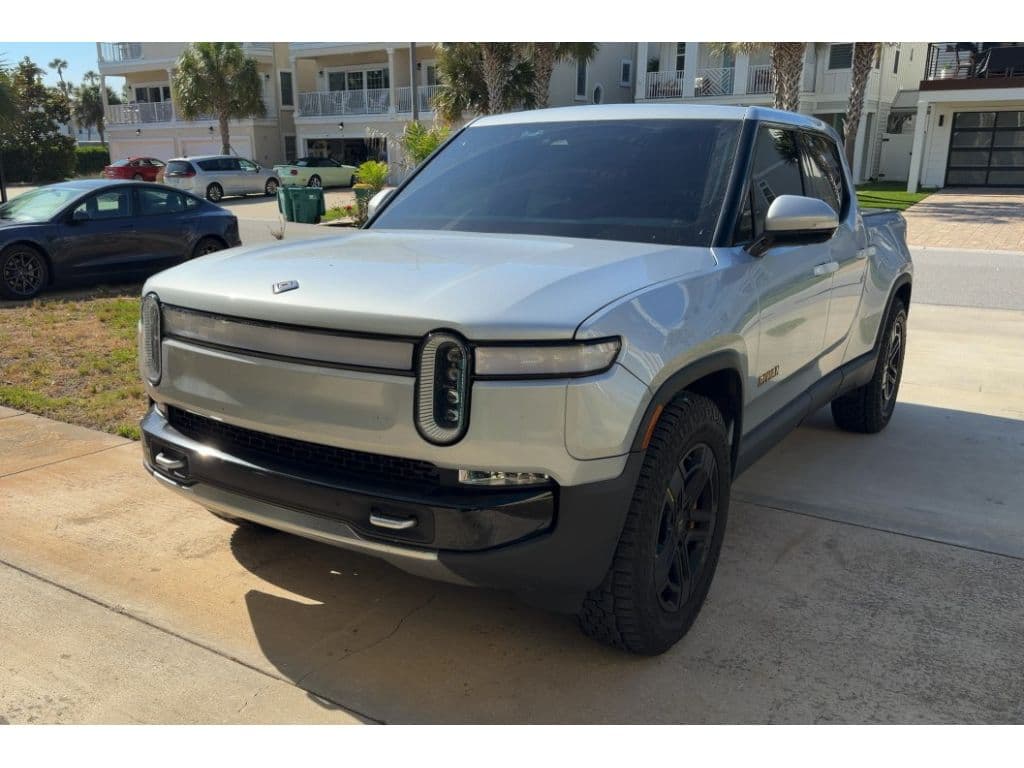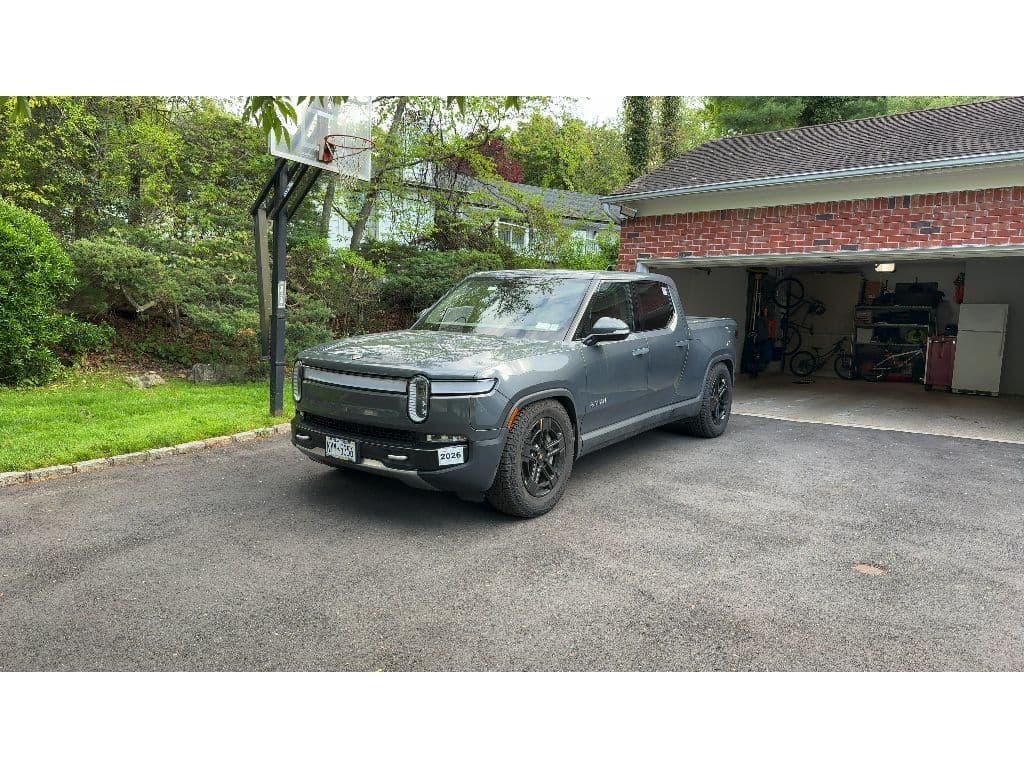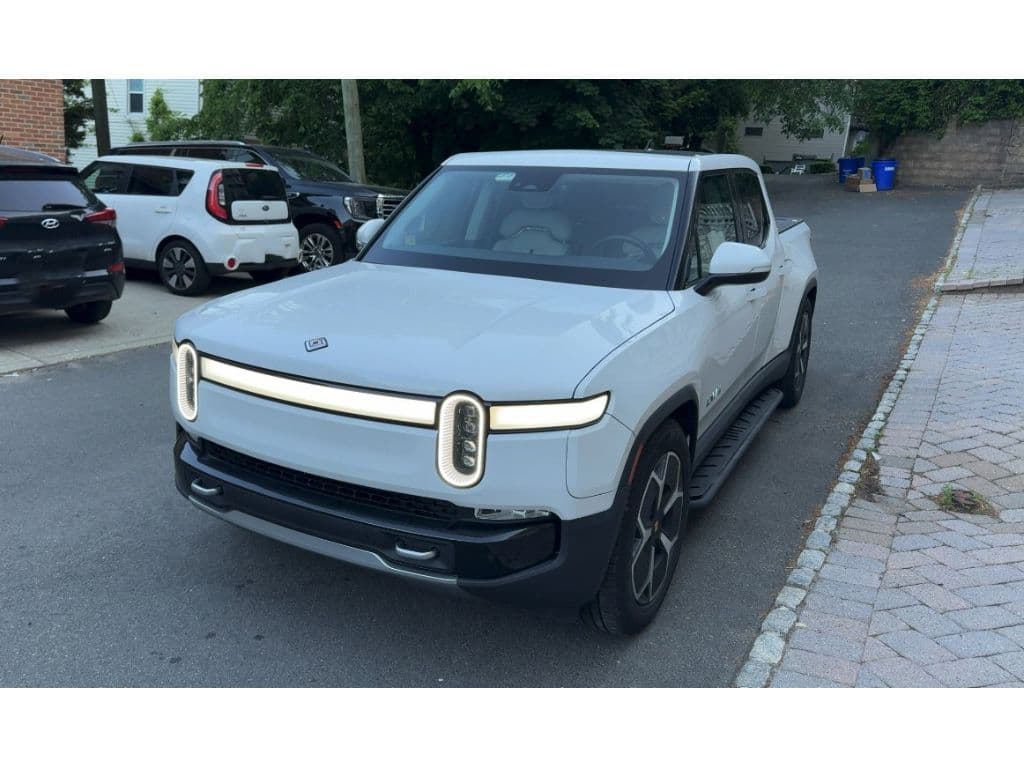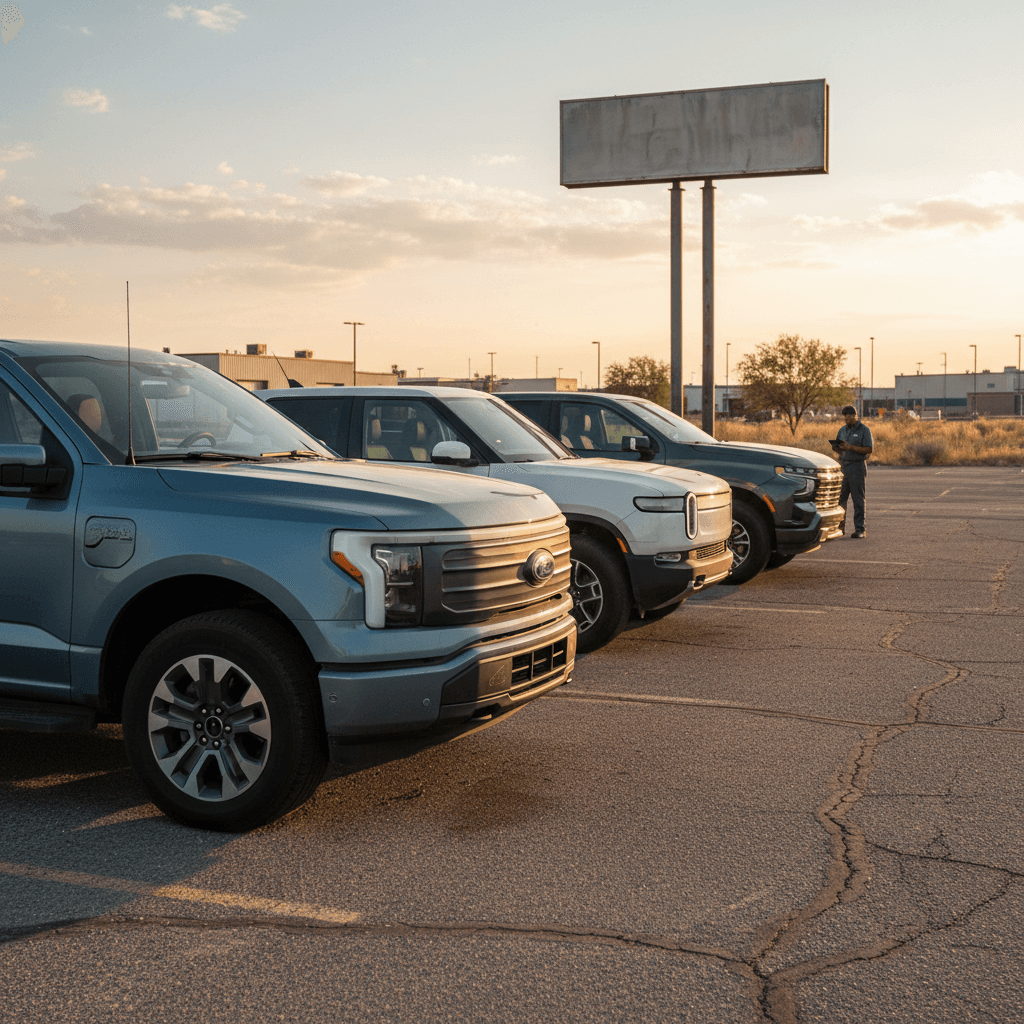
If you’re shopping the used market for an electric pickup, the two names you’ll see most often are the Ford F-150 Lightning and the Rivian R1T. Both bring serious power and innovation, but they serve different types of truck buyers, especially once you factor in depreciation, battery health, and how you actually plan to use the truck day to day.
Why focus on used trucks now?
Overview: Used F-150 Lightning vs Rivian R1T
At a high level, a used Ford F-150 Lightning feels like a familiar half-ton pickup that just happens to be electric. It shares the cab and bed layout of the gas F-150, with a huge front trunk, strong towing capability, and a work-focused interior, especially on Pro and XLT trims. A used Rivian R1T, by contrast, is more of an adventure truck: shorter overall, packed with clever storage touches, and tuned for off-road fun and quick acceleration.
Who the used F-150 Lightning fits best
- Coming from a traditional full-size pickup and want familiar ergonomics.
- Need a large bed and payload for Home Depot runs, gear, or job sites.
- Plan to tow moderate loads and value a big front trunk and onboard power.
Who the used Rivian R1T fits best
- Weekend adventurers who prioritize off-road capability and ground clearance.
- Buyers who value design, tech flair, and rapid performance.
- Households that don’t need a full-size bed but want multi-use outdoor gear storage.
Quick Specs: How These Used EV Trucks Compare
Core Specs Snapshot (Typical 2023–2024 Models)
Approximate headline numbers for popular configurations you’re likely to see on the used market. Always verify exact specs by VIN.
| Spec | Used F-150 Lightning (Extended Range) | Used Rivian R1T (Large/Max Pack) |
|---|---|---|
| Horsepower | Up to ~580 hp | 533–835+ hp (Dual / Quad / Tri-motor) |
| 0–60 mph | ~4.0 sec (Platinum, independent testing) | As quick as ~3.0 sec (Quad-motor) |
| EPA range (best trims) | Up to ~320 miles | ~350–410+ miles (Large/Max pack, Dual-motor) |
| Max towing | Up to 10,000 lbs | 11,000 lbs |
| Max payload | Up to ~2,200+ lbs | ~1,760 lbs |
| Bed length | 5.5 ft | 4.5 ft |
| Ground clearance | ~8–9 in (fixed) | Up to ~14+ in (air suspension) |
Specs vary by trim, battery, and wheel/tire package; use this as a starting point, not a substitute for checking a specific truck.
Headline Takeaways at a Glance
Pricing and Value in the Used Market
Both the Ford F-150 Lightning and Rivian R1T launched with premium price tags. By 2025, the story in the used market is very different. Early-model Lightnings in work-oriented trims have seen particularly sharp depreciation, while R1T prices have generally held a bit firmer, especially for adventure-focused builds.
How Used Pricing Typically Shakes Out
Actual prices vary by mileage, battery, trim, and region, but these patterns are common.
Used F-150 Lightning pricing
- Early Pro and XLT models can undercut similar-year R1Ts by a noticeable margin.
- Higher trims (Lariat, Platinum) still fall well below their original MSRPs, creating room for value if you want luxury features.
- Fleet or work-truck history is more common, budget time for a thorough inspection.
Used Rivian R1T pricing
- Adventure and Launch Edition trucks tend to retain more value thanks to strong demand from enthusiasts.
- Dual-motor trucks with Large or Max pack command a range premium.
- Fewer high-mileage examples so far, which can keep prices firmer.
Value tip for used buyers
At Recharged, every used EV we list comes with a Recharged Score Report that benchmarks pricing against the wider market. That makes it easier to see whether a particular Lightning or R1T is actually a deal, or just dressed up to look like one.
Range, Battery, and Real-World Efficiency
On paper, the Rivian R1T usually wins the range game. Dual-motor trucks with the Large or Max battery are rated from around 270 miles up to 400+ miles, depending on configuration. The F-150 Lightning’s standard and extended-range packs typically span roughly 240–320 miles. Real-world results depend heavily on wheels, tires, weather, and how much you tow or haul.
Typical EPA Range by Configuration (New When Rated)
Approximate factory ratings for popular trims you’ll see used. Expect lower numbers in cold weather, at highway speeds, or when towing/hauling.
| Configuration | Approx. EPA Range When New |
|---|---|
| F-150 Lightning Standard-Range | ~230–240 miles |
| F-150 Lightning Extended-Range | ~300–320 miles |
| Rivian R1T Standard/Standard+ | ~260–270 miles |
| Rivian R1T Large pack | ~320–350+ miles |
| Rivian R1T Max pack | up to ~400–420 miles |
Always assume some reduction from original EPA range due to driving style, environment, and any battery degradation.
Real-world reality check
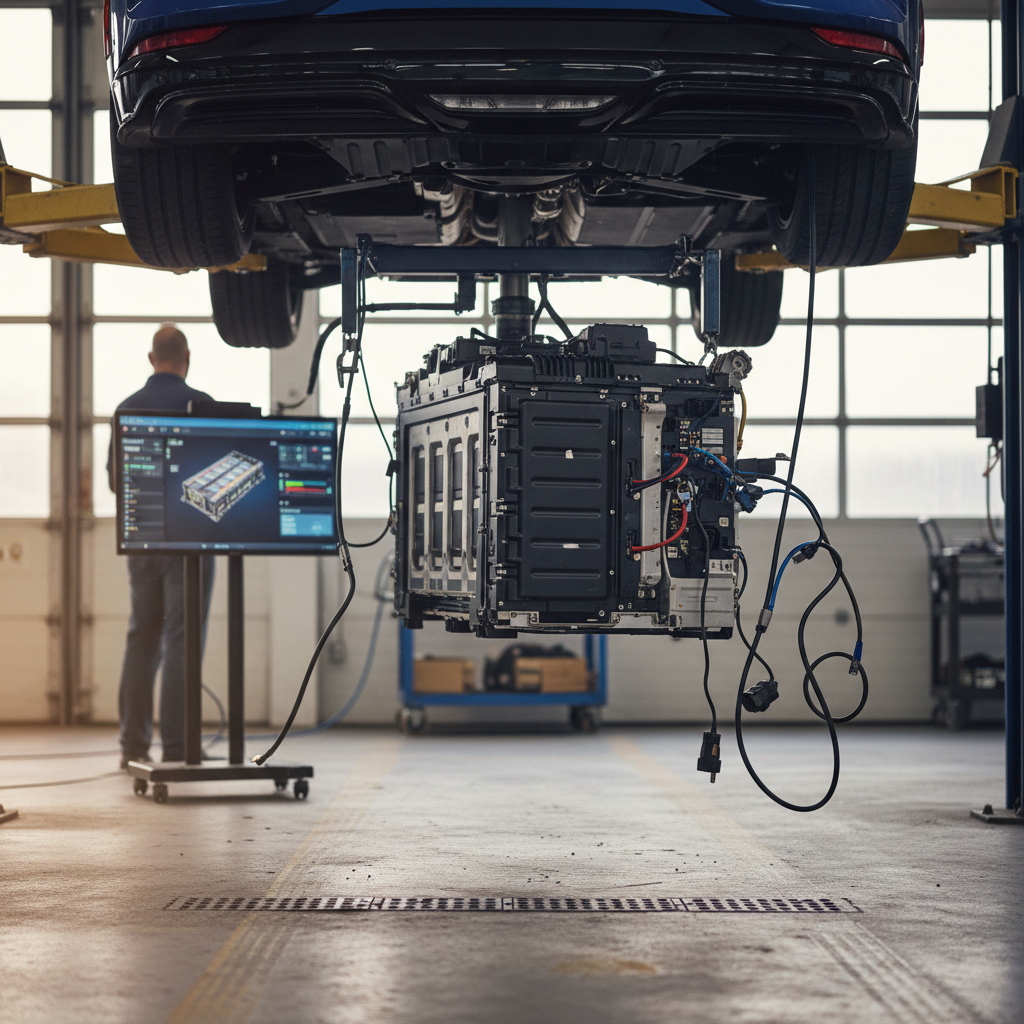
Battery health becomes central on the used market. High mileage, frequent DC fast charging, and hot climates can accelerate degradation. That’s where tools like the Recharged Score battery health diagnostics matter: instead of guessing at remaining capacity, you see a data-driven snapshot of each truck’s pack health before you commit.
Towing, Hauling, and Work-Truck Duties
If you’re treating your EV like a traditional half-ton pickup, the Ford F-150 Lightning feels more at home in that role. It offers higher payload ratings, a longer bed, and a more conventional hitch and trailer experience. The Rivian R1T can tow more on paper, up to 11,000 pounds, but its shorter wheelbase and adventure-first mission make it better suited to lighter campers, boats, and gear trailers than constant max-capacity hauling.
Key Towing and Hauling Differences
1. Payload vs towing emphasis
The F-150 Lightning typically carries a higher payload than the R1T, which matters for contractors, DIYers, and anyone loading the bed with tools or materials. Rivian prioritizes towing capacity and off-road articulation over maximum payload.
2. Bed size and accessories
Ford’s 5.5-foot bed accepts most mainstream tonneau covers, racks, and toolboxes from the F-150 ecosystem. Rivian’s shorter 4.5-foot bed is more limiting for sheet goods but works well with bikes, camp gear, and the gear tunnel.
3. Onboard power
The F-150 Lightning’s Pro Power Onboard system can supply up to roughly 9.6 kW of AC power, enough to run tools, a camper, or even back up parts of a home. R1T’s onboard power is more modest and oriented around camping gear and smaller loads.
4. Trailer range planning
Regardless of brand, expect range to drop by 40–60% while towing boxy loads at highway speeds. When buying used, ask the seller how often they towed and whether they tended to fast charge while pulling a trailer, both affect battery life.
Off-Road and Adventure Credentials
When the pavement ends, the Rivian R1T is the more capable factory package. Its available four-motor or tri-motor setups, adjustable air suspension, and off-road drive modes were engineered with trails and overlanding in mind. The F-150 Lightning, especially on street tires and without lift, is more of a light-trail-and-forest-road truck than a rock crawler.
Off-Road Strengths: Used F-150 Lightning vs Rivian R1T
Both can leave the pavement; only one was born to live there.
Rivian R1T
- Adjustable ride height with serious ground clearance in Off-Road mode.
- Available four-motor or tri-motor setups give precise control and torque vectoring.
- Multiple off-road drive modes tuned for dirt, sand, snow, and rock.
- Excellent approach/departure angles for factory truck; underbody protection on many trims.
Ford F-150 Lightning
- Comfortable and confident on dirt roads, job sites, and mild trails.
- Low center of gravity from the battery pack helps stability on uneven ground.
- Shares a huge aftermarket with the gas F-150 for wheels, tires, and racks.
- Less ideal for hardcore off-roading without modifications.
Used off-roader watch-out
Interior Tech, Storage, and Daily Comfort
Inside, these two trucks take different approaches. The Lightning largely mirrors the gas F-150’s cabin, with familiar controls, lots of physical buttons on lower trims, and an optional big center screen on higher ones. The R1T feels closer to a modern luxury EV, with a minimalist dash, large central touchscreen, and distinctive materials and color choices.
Lightning: Practical and familiar
- Massive front trunk ("frunk") that easily swallows luggage, tools, or groceries.
- Fold-flat work surface and plenty of interior cubbies for everyday stuff.
- Traditional truck seating position and spacious rear seat, especially in higher trims.
- BlueCruise (on equipped trucks) can add hands-free highway driving on mapped roads.
R1T: Design-forward and clever
- Signature gear tunnel behind the cab for long items like skis, recovery boards, or a camp kitchen.
- Wide, flat floor and upscale-feeling materials on most builds.
- Heavy reliance on the touchscreen for controls, learnable, but more tech-centric than the Ford.
- Plenty of USB-C ports, wireless charging, and over-the-air software updates.
Family and commuter comfort
Charging Network and Road-Trip Viability
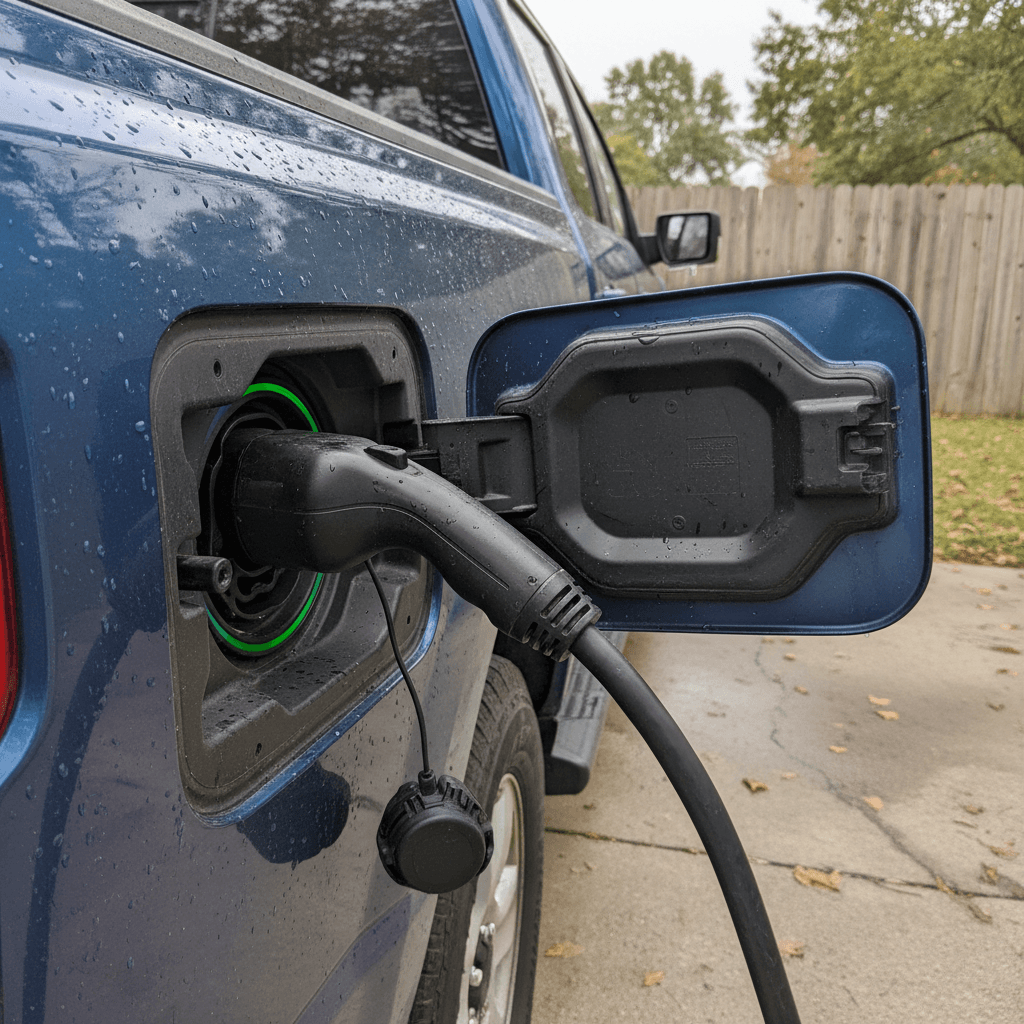
Both trucks support DC fast charging and Level 2 home charging, and both now tie into the broader North American Charging Standard (NACS) transition, opening access to Tesla’s Supercharger network with the right hardware and software support. For used buyers, what matters most is how quickly you can add miles and how easy it is to find reliable fast chargers on your routes.
- A well-sited fast charger can add roughly 40–60 miles to a Lightning in about 10 minutes and around 140 miles to an R1T in about 20 minutes, depending on battery and conditions.
- Lightnings are often paired with Ford’s home charging ecosystem, while Rivian owners frequently opt for third-party Level 2 units or Rivian’s wall charger.
- By 2025–2026, more used examples of both trucks will include NACS-compatible ports or adapters, improving fast-charging convenience across brands.
Used-buying charging checklist
Ownership Costs, Depreciation, and Reliability
Early-build electric trucks are still writing their long-term reliability stories. Both Ford and Rivian have pushed numerous software updates, revised hardware, and, in Ford’s case, adjusted production plans since launch. From a buyer’s perspective, that means paying close attention to build year, recall history, and service records.
Key Ownership Considerations for Used Buyers
Where you can save money, and where you shouldn’t cut corners.
Depreciation
Both trucks have dropped significantly from early MSRPs, but Lightnings, especially fleet-spec Pro trims, tend to fall faster. That’s good news for your upfront price, but also means you should buy at today’s realistic market value, not yesterday’s hype.
Service access
Ford’s nationwide dealer network makes it easier to find a shop that can work on an F-150 Lightning, though EV-certified capacity varies by store. Rivian uses a direct-service model with mobile technicians and select service centers, which can be very convenient, or a hassle if you live far from coverage.
Battery & warranty
Both trucks come with 8-year battery warranties from new. On the used side, you want data: remaining warranty term, verified pack health, and any history of pack-related service. That’s exactly what the Recharged Score is built to surface for used EV shoppers.
Don’t skip the paperwork
How to Choose the Right Used EV Truck
Choosing between a used F-150 Lightning and a used Rivian R1T isn’t just about specs. It’s about where you live, how far you drive, what you tow, and whether you’re more truck-traditional or tech-adventurous. Use the checklist below to map specs to your real life.
Decision Checklist: Lightning vs R1T
1. Define your primary use case
Daily commuting and family hauling? The F-150 Lightning’s size and comfort make it feel like a normal full-size truck. Weekend adventure and overlanding? The R1T’s off-road tuning and storage tricks may serve you better.
2. Map your typical daily and weekly mileage
If you regularly drive close to 200 miles in a day or do long weekend road trips, the R1T’s stronger range options are a big plus. If most days are under 80–100 miles, range differences matter less than charging convenience.
3. Be brutally honest about towing
Towing a boat a few times a year is one thing; pulling a heavy enclosed trailer every weekend is another. For frequent heavy towing, you may want to keep a gas or hybrid truck in the mix, or accept shorter legs and more charging stops in either EV.
4. Consider service and support near you
In remote areas or smaller towns, Ford’s dealer footprint favors the Lightning. In metro areas covered by Rivian service and mobile tech, R1T ownership can be straightforward. Check both before you buy.
5. Insist on real battery-health data
Battery replacement is the biggest potential expense on any used EV truck. Shopping through Recharged means you see a Recharged Score Report with verified battery diagnostics, not just a dash range estimate or verbal reassurance.
Frequently Asked Questions: Used F-150 Lightning vs Rivian R1T
Bottom Line: Which Used EV Truck Wins?
If you want a familiar full-size truck with a big bed, strong payload, huge frunk, and broad dealer support, a used Ford F-150 Lightning is the safer, more traditional choice, and often the better value on price alone. If you care more about range, off-road chops, and a cabin that feels like a tech-forward adventure rig, a used Rivian R1T is the standout, provided you’re comfortable with its smaller bed and newer-brand growing pains.
Either way, this isn’t a paper-only decision. The smartest move is to drive both, compare specific used examples side by side, and insist on real battery-health data. That’s where Recharged comes in: every vehicle we list includes a Recharged Score Report with verified battery diagnostics, fair market pricing, and expert EV guidance, from first question to final delivery, so you can pick the truck that actually fits your life, not just the spec sheet.