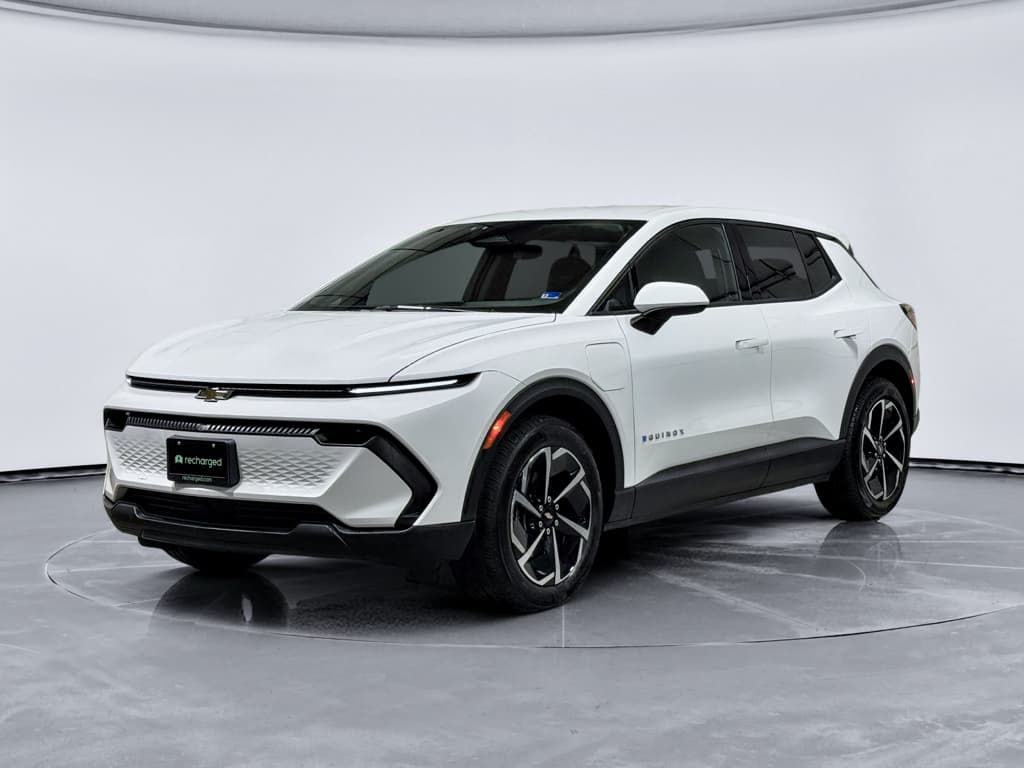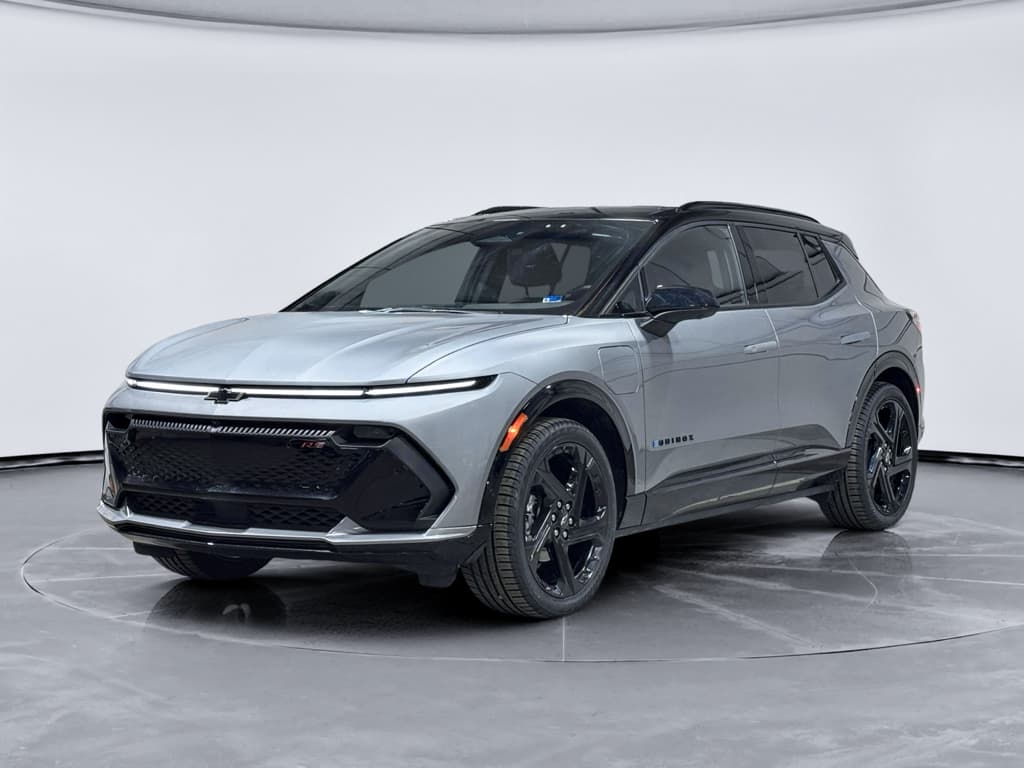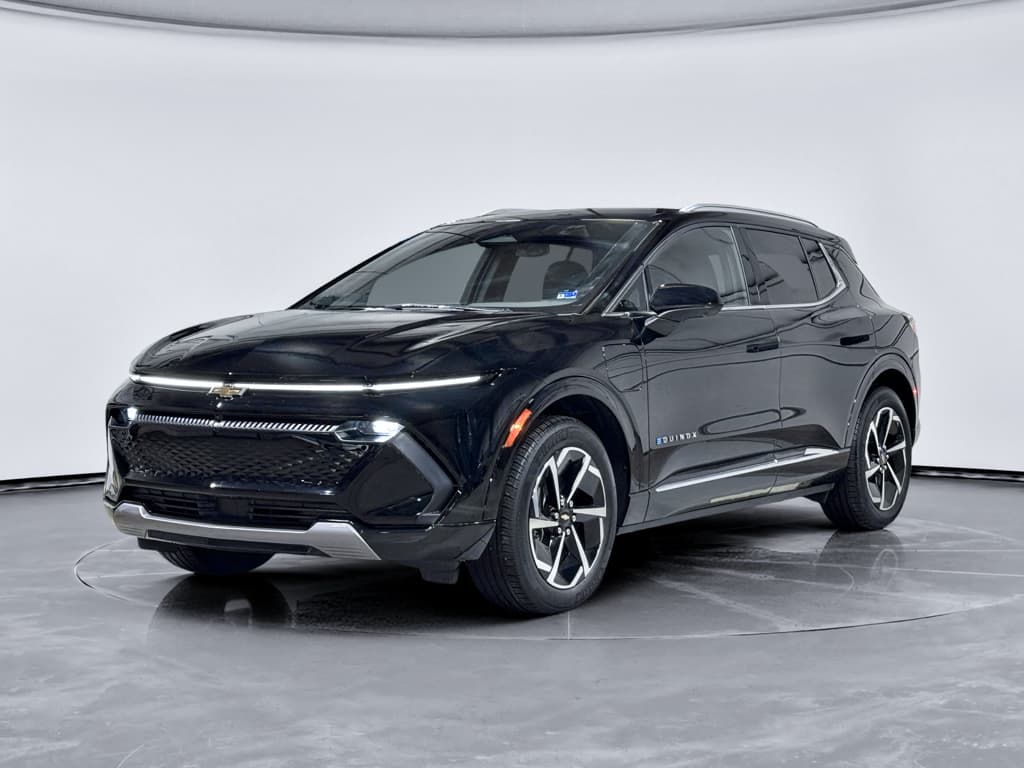
When you hear the phrase “GM all electric”, it sounds simple: General Motors is going to stop selling gas cars and sell only EVs. The truth is more complicated. GM has bold electric goals, a growing lineup of Ultium‑based EVs, and record EV sales, but also delays, plant shutdowns, and a market that’s cooling off faster than executives predicted. Let’s unpack what GM’s all‑electric future really looks like, and what it means for you if you’re thinking about an EV, new or used, today.
Quick take
GM’s all‑electric vision in plain English
General Motors has spent the past few years telling investors and drivers that its future is all electric. The headline promise: transition its light‑duty lineup to zero tailpipe emissions by 2035, backed by a corporate goal of carbon neutrality by 2040. In practice, that means phasing out most gasoline and diesel models over the next decade and replacing them with vehicles built on its Ultium battery platform.
- A long‑term goal: no new light‑duty gas vehicles by around 2035, depending on regulations and demand.
- A new EV architecture: Ultium batteries and motors shared across Chevy, GMC, Buick, and Cadillac.
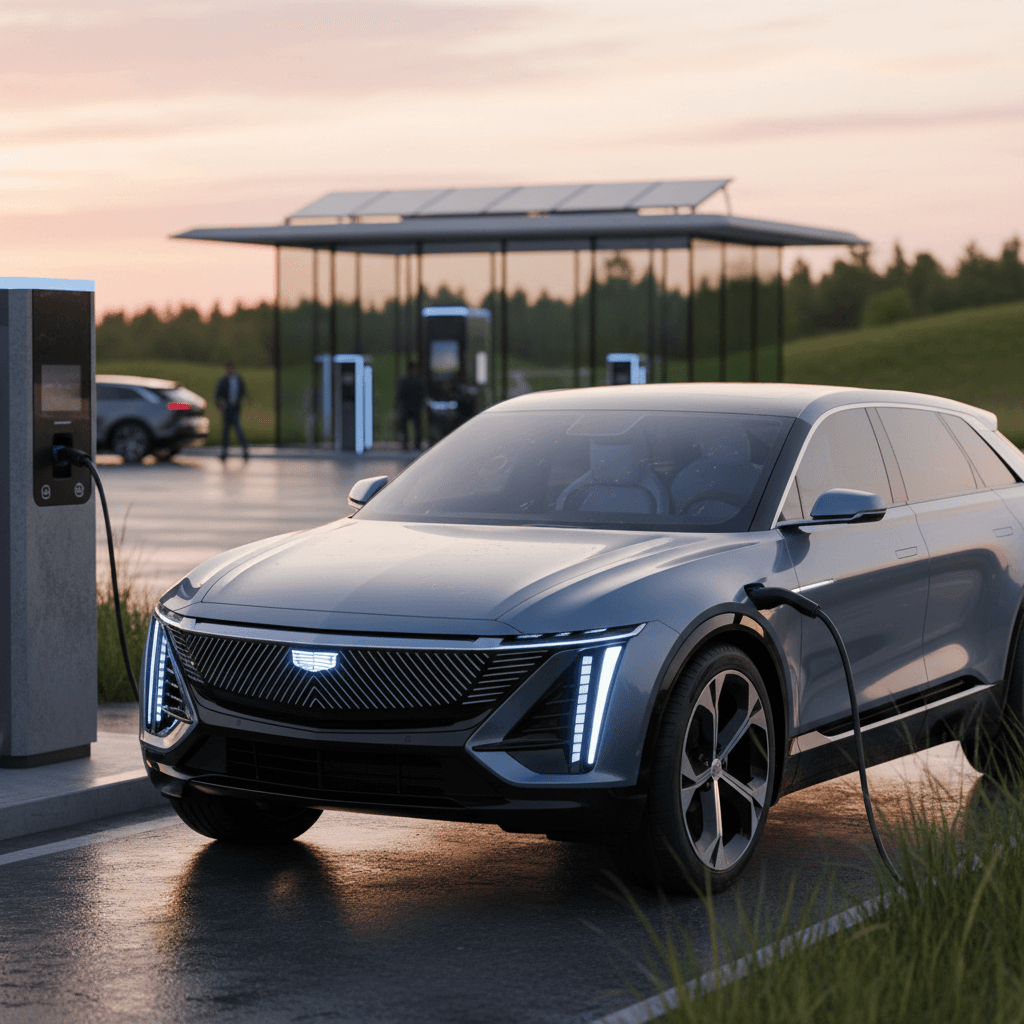
- A broad price ladder: from affordable crossovers like the Equinox EV to luxury models like the Cadillac LYRIQ and big toys like the GMC HUMMER EV.
On paper, it’s a clean story: one battery system, lots of body styles, every brand getting its own electric heroes. On the ground, it’s messier. EV demand has zig‑zagged, tax credits have changed, and GM has already slowed some factory plans. So when you see “GM all electric” in marketing, think of it as a direction, not a finish line that’s already been crossed.
GM’s EV push by the numbers
Ultium: the battery system behind GM’s electric future
At the heart of the GM all‑electric story is Ultium, the company’s in‑house battery and motor system. Instead of designing a one‑off battery pack for each model, GM builds different vehicles from the same building blocks: Ultium cells, modules, and motors that can be scaled for everything from a compact crossover to a hulking HUMMER EV.
Ultium, broken down for normal humans
What it means when you’re the one plugging in every night
Flexible batteries
Ultium packs are made from modular battery cells. GM can change pack size and layout to dial in range and performance for each model, from a compact Chevy all‑electric crossover to a three‑row Cadillac.
Fast‑charging capability
Most Ultium EVs support DC fast charging, often in the 150–190 kW range on the right charger. That’s enough to add a big chunk of highway range during a coffee stop, not an overnight stay.
Shared components
Because many EVs use the same motors and battery tech, GM can spread costs and software updates across the lineup, in theory improving reliability and lowering costs over time.
How Ultium helps you
Current GM all‑electric lineup you can actually buy
“All electric” doesn’t mean every GM vehicle on the lot is an EV, far from it. But the electric side of the showroom is no longer a single quirky hatchback. As of late 2024 and into 2025, GM’s battery‑electric lineup covers luxury SUVs, practical crossovers, and full‑size trucks.
Headline GM all‑electric models in the U.S.
Not exhaustive, but a snapshot of the EVs most shoppers are likely to cross‑shop.
| Model | Brand | Type | Approx. EPA Range | Positioning |
|---|---|---|---|---|
| Chevrolet Equinox EV | Chevrolet | Compact SUV | Up to ~300 miles (select trims) | Mainstream, value‑focused family EV |
| Chevrolet Blazer EV | Chevrolet | Midsize SUV | Roughly 250–320 miles, trim‑dependent | Sporty, higher‑priced crossover |
| Chevrolet Silverado EV | Chevrolet | Full‑size pickup | Up to mid‑300‑mile range on select versions | Work + lifestyle electric truck |
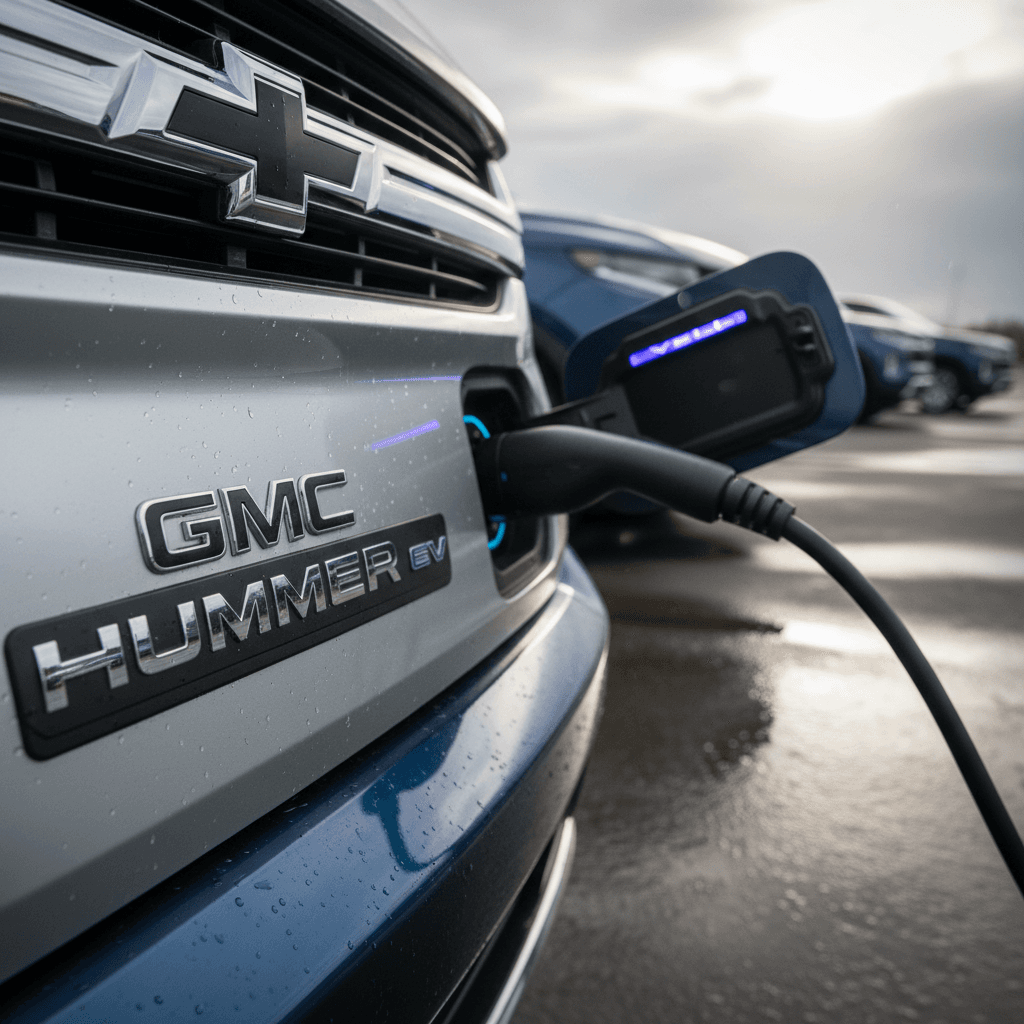
| GMC HUMMER EV Pickup/SUV | GMC | Full‑size off‑road SUV/pickup | Roughly 300 miles, off‑road focused | Halo “supertruck” and SUV |
| Cadillac LYRIQ | Cadillac | Luxury midsize SUV | Around 300+ miles, configuration‑dependent | Luxury centerpiece of Cadillac EV push |
| Cadillac OPTIQ | Cadillac | Compact luxury SUV | Estimated mid‑200‑mile range | Smaller, more attainable Cadillac EV |
| BrightDrop Zevo vans | BrightDrop | Commercial vans | Varies by use and configuration | Fleet and commercial delivery use |
Availability and specs are approximate and can change quickly; always check the latest details with a dealer or automaker site before you sign anything.
Don’t forget regional reality
What’s coming next in GM’s all‑electric plan
GM has teased a long list of all‑electric models, especially at the Cadillac and Chevrolet brands. Some are already trickling into showrooms; others are running behind schedule or being quietly reshuffled.
Notable GM EVs on the way
Models that fill gaps or push the brand upmarket
Cadillac VISTIQ
A three‑row electric SUV slotted between LYRIQ and Escalade IQ. It’s meant to give families a true all‑electric people‑mover without going full yacht‑size.
More Silverado EV & Sierra EV trims
GM is still fleshing out its electric truck range with more affordable and more work‑focused trims, plus a GMC Sierra EV companion to the Silverado.
Next‑gen Bolt
GM has confirmed a new generation of the beloved Bolt nameplate, aiming squarely at the affordable EV segment that it once dominated.
For shoppers, that means the GM EV landscape in 2026–2027 will look different from what you see today. If you want the newest tech or a very specific body style, like a three‑row electric Cadillac, waiting may make sense. If you just want a solid, mainstream EV, the current Equinox EV, Blazer EV, and LYRIQ already cover a lot of needs.
The reality check: delays, slowdowns, and what changed
If you’ve been following GM’s announcements for a few years, you may notice a pattern: big electric promises, then quieter news about reduced production, plant pauses, or layoffs. That’s not a sign GM is abandoning EVs; it’s a sign reality has arrived.
Why GM is tapping the brakes
- Slower near‑term demand: After a red‑hot 2021–2023, EV demand in the U.S. cooled in 2024–2025, especially for pricier models.
- Tax credit changes: Shifting federal rules and the expiration of some credits have made certain EVs more expensive overnight.
- Factory economics: Running a high‑tech battery plant at half capacity is expensive. GM would rather pause, retool, and restart than lose money on every vehicle.
What it means for shoppers
- You may see fewer trims or slower rollouts than early press releases promised.
- Some models may be “order only” with months‑long waits, especially in specific regions.
- Discounts can swing wildly: an overstocked EV in one region may be heavily incentivized, while another is scarce and marked up.
Watch the tax‑credit fine print
How GM’s all‑electric models stack up
When you’re shopping, slogans like “GM all electric” don’t matter; what matters is how these EVs compare with Tesla, Hyundai–Kia, Ford, and others on price, range, charging, and everyday livability. GM’s EVs land in a middle lane: mostly competitive on paper, sometimes behind on charging speed and software polish, sometimes ahead on value and interior space.
GM EV strengths vs. common competitors
A high‑level view to help narrow your shopping list
Where GM tends to shine
- Value crossovers: Equinox EV and some Blazer EV trims can undercut similar Hyundai, Kia, or Tesla models once discounts and credits are applied.
- Space and comfort: Many GM EVs feel like spacious SUVs first, EVs second, a plus for families.
- Truck capability: Silverado EV and HUMMER EV offer serious towing and off‑road cred, if you can live with the size and price.
Where GM still lags
- Charging network: GM relies on public networks like Electrify America and others. Reliability is improving but still hit‑or‑miss compared with Tesla’s Superchargers.
- Software polish: Early Blazer EVs, for example, saw recalls and software glitches, issues GM has worked to address, but worth checking on a per‑model basis.
Where it’s a mixed bag
- Reliability perception: Many owners loved the old Bolt, but battery recalls dented confidence. Ultium products are newer, and their long‑term track record is still forming.
- Resale value: EV resale depends on battery health, incentives, and gas prices. Some GM EVs may depreciate faster than market leaders, great if you’re buying used, tougher if you’re buying new.
Should you buy a GM EV now or wait?
This is the question behind every “GM all electric” headline: is now the right time to jump, or should you wait for the next wave of models and incentives? There’s no universal answer, but you can narrow it down by how you drive and how comfortable you are with change.
Questions to help you decide
1. How predictable is your driving?
If most of your miles are local commuting with occasional road trips, today’s GM EVs, especially Equinox EV and LYRIQ, can handle it comfortably with home or workplace charging.
2. Do you qualify for tax credits?
Federal and state incentives can change the math by thousands of dollars. If you qualify now for a credit on a GM EV you like, that’s a strong reason not to wait for a hypothetical future model.
3. Are you sensitive to first‑year bugs?
Early builds of any new EV can have software or hardware headaches. If you prefer proven hardware, look for a model that’s been on sale at least a year, or consider a gently used EV with a strong battery report.
4. Do you need a specific body style?
If you absolutely need a three‑row electric SUV or a particular work‑truck configuration, you may be better off waiting for upcoming Cadillac or Chevy/GMC trims to hit volume production.
5. How long will you keep the car?
If you tend to keep vehicles 8–10 years, buying later in the decade may get you longer‑range, more efficient Ultium tech. If you swap cars every 3–5 years, today’s pricing and incentives may matter more than squeezing out the last bit of future‑proofing.
A smart middle path
Ready to find your next EV?
Browse VehiclesShopping used EVs in a GM‑goes‑electric world
Even if you never buy a new GM EV, GM’s all‑electric strategy affects the used market you shop in. As automakers push EVs, more lease returns and trade‑ins show up, sometimes from owners who simply wanted the newest thing, sometimes from people whose lifestyle didn’t mesh with charging.
How GM’s EV push helps used buyers
- More choice: As GM sells more Equinox EVs, Blazer EVs, LYRIQs and trucks, those vehicles eventually flow into the used market.
- Potential bargains: If a particular GM EV depreciates faster than rivals, you can benefit as a used buyer, as long as the battery is healthy.
- Better charging coverage over time: More EVs on the road means more pressure to improve public charging reliability, no matter which brand you drive.
What to watch closely on a used EV
- Battery health: This is the heart of any EV. Range loss or fast‑charging limits can turn a great price into a bad deal.
- Software history: Ask about recalls, updates, and whether important fixes have already been done.
- Charging behavior: On a test drive, plug in if you can, even briefly, to confirm charging works as expected.
How Recharged can help
GM all‑electric FAQ
Frequently asked questions about GM’s all‑electric future
The bottom line for drivers
“GM all electric” isn’t a switch that flips on one January morning. It’s a long transition, one that’s already delivering genuinely useful EVs like the Equinox EV, LYRIQ, and Silverado EV, even as GM slows some plant plans and rethinks timelines. For you as a driver, the task isn’t to memorize every corporate goal; it’s to find the vehicle that fits your life, your budget, and your charging reality today.
If a new GM EV checks those boxes, and the price, incentives, and charging options add up, there’s no reason to wait for a perfect future that may arrive later than advertised. If you’d rather let the dust settle, the used EV market is getting richer every year. With tools like the Recharged Score, verified battery diagnostics, and EV‑savvy advisors, you can navigate GM’s electric era on your terms and step into an EV with your eyes wide open.