If you’re wondering, “Can I finance a used electric car with bad credit?” the honest answer is: often yes, but not on the same terms as someone with squeaky‑clean credit. In 2026, lenders are more cautious, especially with EVs, but buyers with fair or even subprime scores still get approved every day if they structure the deal the right way.
First things first
Can You Finance a Used EV With Bad Credit?
You can finance a used electric car with bad credit, but approvals look different than they did a few years ago. Delinquency rates climbed through 2024–2025, and lenders have tightened standards, cutting subprime approvals and favoring borrowers with stronger profiles. That doesn’t mean “no”; it means you’ll need to be strategic about the lender you choose, the vehicle you pick, and how you structure the loan.
- Expect higher interest rates than prime borrowers, especially on used vehicles.
- Expect more scrutiny of your income, employment stability, and debt‑to‑income ratio.
- Expect requests for a larger down payment, a shorter term, or a co‑signer if your score is in the low 500s or below.
- Expect more questions about the specific EV you’re buying, its age, mileage, and battery health.
Reality check on approvals
How Lenders See Bad Credit for Used EV Loans
Most auto lenders don’t look at your credit score in isolation; they place you in risk tiers that drive which programs you qualify for and what APR you’ll see. While each lender’s cutoffs are slightly different, the market commonly uses ranges like these:
Typical Auto Loan Credit Tiers in 2026
How lenders group borrowers by FICO score when pricing used-car loans.
| Tier | Approx. FICO Range | How Lenders View You | Typical Used-Loan APR (Approx.) |
|---|---|---|---|
| Super prime | 781–850 | Very low risk, best terms | 7–8% |
| Prime | 661–780 | Low risk | 9–11% |
| Nonprime | 601–660 | Medium risk | 13–16% |
| Subprime | 501–600 | High risk | 18–22% |
| Deep subprime | 300–500 | Very high risk, limited options | 20%+ if approved |
These are general ranges, not hard rules, some credit unions and captive lenders may be more flexible.
If your score is under about 660, you’re in the nonprime or subprime bands. You can still get a loan, but lenders will work hard to control their risk: they may cap the amount you can finance, limit the term, or only approve certain cars that hold value better.
Look beyond the score
Unique Challenges of Financing Used EVs With Bad Credit
Used EVs layer a few extra wrinkles onto the bad‑credit financing equation. After a run‑up during the pandemic, many EVs, especially older models and some high‑volume brands, saw resale values correct sharply. At the same time, negative equity has become a real issue: by late 2024 well over a third of financed drivers were underwater on their loans, with EVs hit hardest.
Why Some Lenders Hesitate on Used EVs for Subprime Borrowers
Understanding their risk helps you present a stronger application.
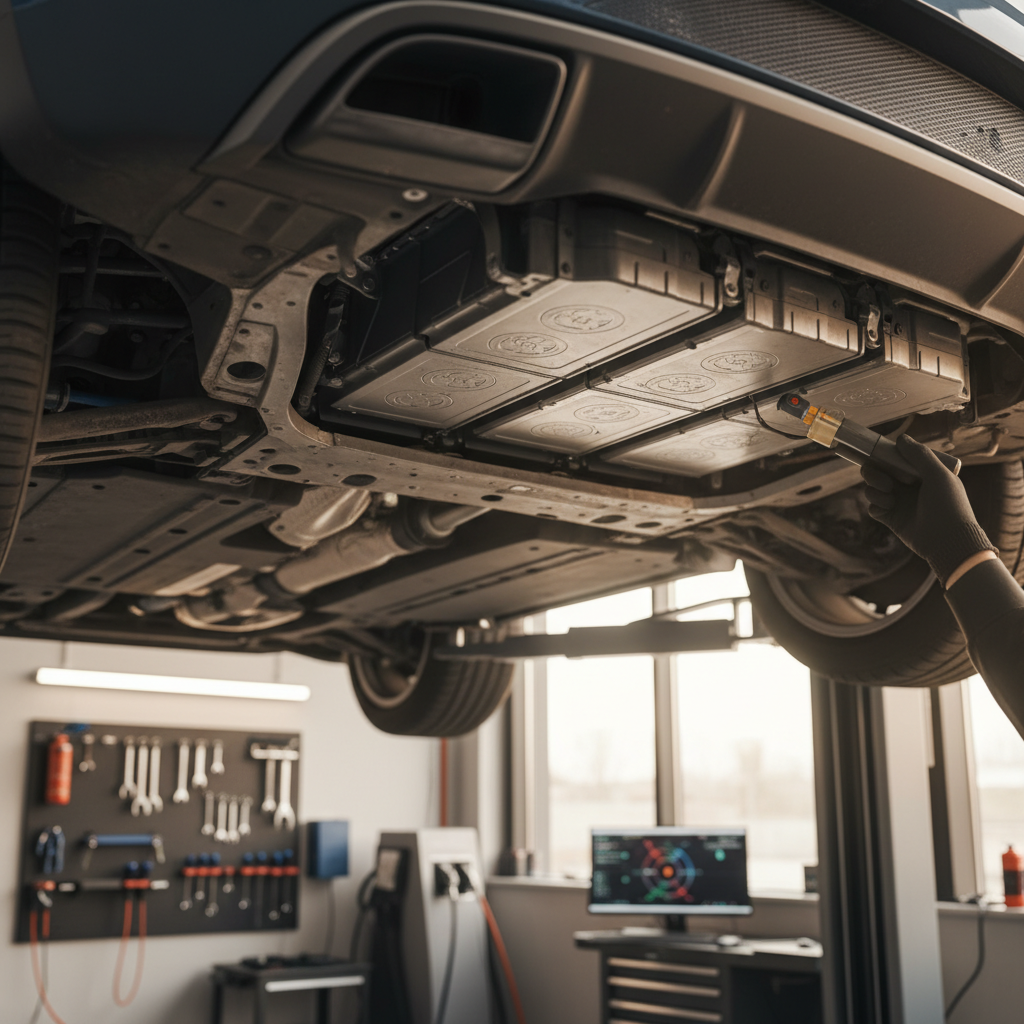
Battery uncertainty
Price volatility
Niche demand
Where Recharged helps de‑risk EVs
Requirements to Finance a Used Electric Car With Bad Credit
Every lender has its own playbook, but most will look for the same four pillars when you’re trying to finance a used EV with bad or fair credit: income, stability, skin in the game, and a sensible car choice.
Common Requirements for Bad‑Credit Used EV Financing
1. Verifiable, stable income
Expect to provide recent pay stubs, bank statements, or tax returns. As a rough guideline, many lenders want your total car payment (loan + insurance) below 15–20% of your gross monthly income.
2. Reasonable debt‑to‑income ratio
Lenders will compare your monthly debts, credit cards, student loans, other car loans, to your income. Lower is better; paying down small balances before you apply can help.
3. Down payment or trade‑in value
Putting 10–20% down (or bringing solid trade‑in equity) shows commitment and reduces the lender’s risk. With bad credit, a down payment can make the difference between approval and denial.
4. Clean recent payment history
A few old late payments might be OK; recent repossessions, bankruptcies, or unpaid auto loans are harder to work around. If you have them, be prepared to explain and show improvement.
5. Realistic vehicle choice
Choosing a modestly priced, later‑model EV with verified battery health is much easier to finance than a high‑priced performance model that’s already seen heavy depreciation.
Know your paperwork
How to Improve Your Odds of Approval
You don’t have to wait years to fix your credit before you can drive an EV. In many cases, a few weeks of targeted work can noticeably improve your odds, or at least get you better terms on the same score.
Five High‑Impact Moves Before You Apply
Most of these cost little more than time and discipline.
Check your reports
Kill small balances
Save a targeted down payment
Consider a strong co‑signer
Right‑size your budget
Pre‑qualify with multiple lenders
Why Terms Matter More When Credit Is Weak
Don’t chase the lowest monthly payment
How Much Will a Used EV Cost Per Month With Bad Credit?
Let’s look at realistic examples. These are illustrative only, but they’ll give you a feel for how much bad credit changes the payment on a modest used EV.
Sample Payments: Used EV at Different Credit Levels
Approximate payments on a $22,000 used EV with $2,000 down (financing $20,000) at 60 months.
| Credit Tier | Example APR | Estimated Monthly Payment | Total Interest Paid |
|---|---|---|---|
| Prime (~700) | 10% | $425 | ≈ $5,500 |
| Nonprime (~630) | 14% | $466 | ≈ $7,960 |
| Subprime (~580) | 20% | $530 | ≈ $11,800 |
Actual offers will depend on your full profile, the vehicle, and lender programs.
Notice how the APR pushes the payment. With bad credit, you’re often paying the same car off at a much higher rate. That’s why it’s critical to keep the vehicle price reasonable and avoid ultra‑long terms, even if a dealer is willing to offer them.
Use rate to negotiate car choice, not the other way around
Where to Find Used EV Financing if Your Credit Isn’t Perfect
Not all lenders think about EVs, or bad credit, the same way. Where you shop for financing can matter as much as what you buy.
Banks and captive lenders
Traditional banks and automaker‑affiliated lenders tend to favor prime and near‑prime borrowers. In 2025 many raised minimum scores into the mid‑600s for the best programs and pulled back on subprime approvals. They can still be great options if your credit is recovering into the 640–680 range, but they’re often less flexible below that.
Credit unions and specialty lenders
Credit unions are often more forgiving of past mistakes if you can show stable income and a realistic plan. Some online lenders and finance companies also specialize in nonprime and subprime auto loans, though their rates may be higher. A retailer that partners with multiple lenders can help you compare offers without visiting half a dozen branches.
Digital auto retail is now the norm
How Recharged Approaches Used EV Financing
Recharged was built around a simple idea: buying a used EV should be more transparent and less stressful than buying a gas car, not the other way around. That’s especially important if your credit history isn’t perfect.
What Makes Recharged Different for Bad‑Credit Used EV Buyers
It’s not just about getting approved, it’s about getting approved on a car that still makes sense two or three years from now.
Recharged Score battery report
Multiple financing options
Right‑sizing the car to the payment
Avoiding negative equity traps
Nationwide delivery & digital paperwork
Human guidance, start to finish
Pre‑qualify without pressure
Common Mistakes to Avoid With Bad-Credit EV Loans
When you’re worried about getting approved, it’s easy to say “yes” to any offer that flashes green. But the wrong structure can turn your dream EV into a financial burden. Here are mistakes to avoid.
Bad‑Credit EV Financing Traps to Watch Out For
1. Focusing only on the monthly payment
Dealers can lower a payment by stretching the term or packing fees into the loan. Always look at <strong>total interest paid</strong> and whether you’ll still want the car near the end of the term.
2. Ignoring negative equity on your trade
If you owe more than your current car is worth, rolling that amount into a new loan can sink your equity from day one. Ask for a clear breakdown of how much old debt is being financed into the new EV.
3. Financing the wrong EV
Some older or niche EVs look cheap up front but may have limited range, aging batteries, or shaky resale. A slightly newer, simpler EV with strong battery health is often the safer bet.
4. Skipping a real budget
Don’t fog up the numbers. Add insurance, charging, parking, and maintenance before deciding what you can afford. If the budget’s too tight, be willing to wait or choose a less expensive car.
5. Applying everywhere in one weekend
Multiple hard inquiries in a short period can drag your score down. Use soft‑pull pre‑qualification where possible, or work with a retailer that can shop multiple lenders at once for you.
6. Overlooking federal and local incentives history
New federal EV tax credits on used cars ended in late 2025, and many state programs have changed too. Don’t rely on outdated incentive calculators when planning your budget, use current numbers.

FAQs: Financing a Used EV With Bad Credit
Frequently Asked Questions
Bottom Line: Can You Finance a Used EV With Bad Credit?
You can finance a used electric car with bad credit in 2026, but only if you treat the decision like a long‑term financial commitment, not just a way to get into the latest tech. Lenders are more cautious with EVs and subprime borrowers than they were a few years ago, and that caution is justified by higher delinquencies and volatile resale values.
Your best move is to control the variables you can: clean up your credit report, pay down revolving balances, save a meaningful down payment, and choose a realistically priced, later‑model EV with verified battery health. Pair that with a lender, or a digital retailer like Recharged, that actually understands used EVs, and you’re far more likely to get an approval that still feels like a good decision years down the road.