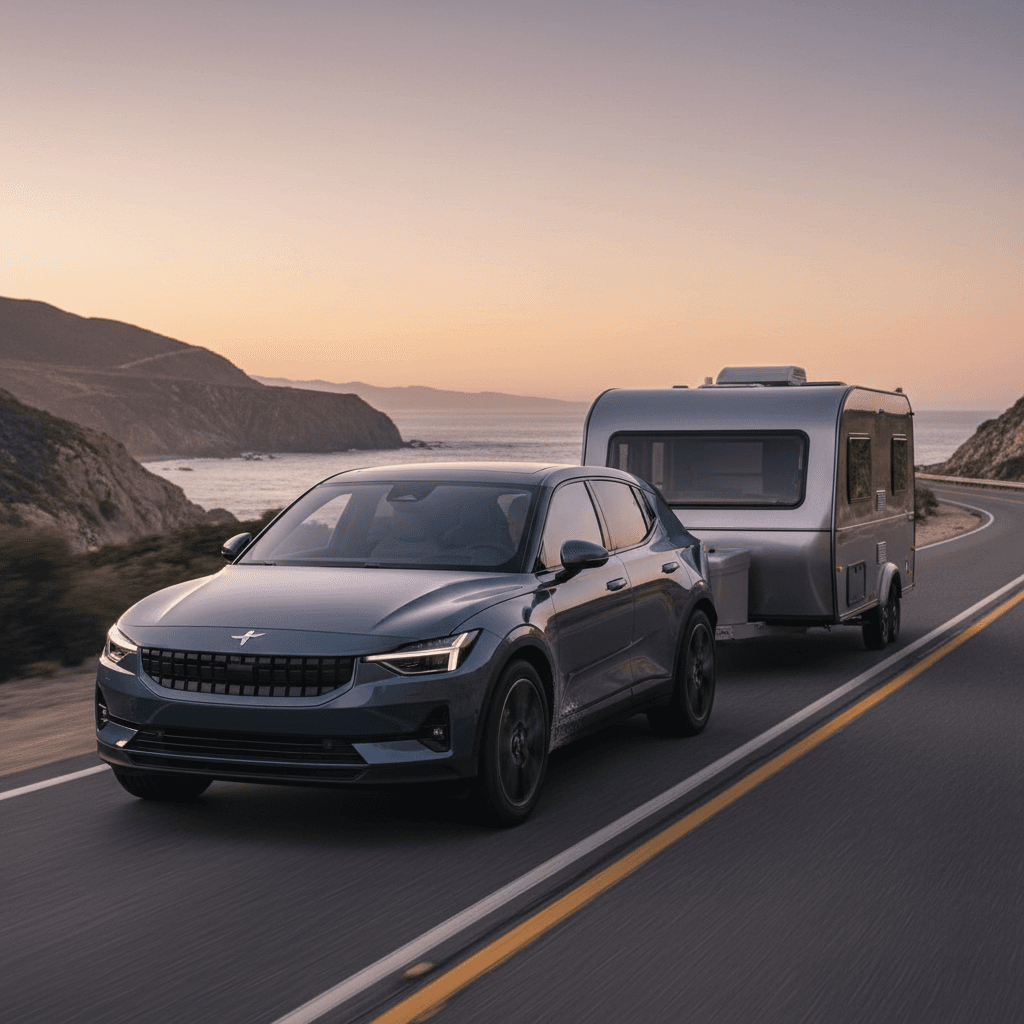
If you’re eyeing a Genesis GV60, you’re probably wondering two things: how far it can go on a charge, and whether this sleek little luxury EV can actually tow. The short answer: the GV60 is rated to tow up to 2,000 pounds and delivers between ~235 and ~294 miles of EPA range, depending on trim and wheels, but the way those numbers play together in the real world is where things get interesting.
Quick GV60 specs
Genesis GV60 at a glance: tow rating & range
Key Genesis GV60 towing and range numbers
On paper, the Genesis GV60’s 2,000‑lb tow rating puts it in the same light‑duty trailer class as many compact crossovers. It won’t replace a body‑on‑frame truck, but it will happily pull a teardrop camper, a pair of bikes on a hitch rack, or a small utility trailer. The catch is that towing can easily eat 30–50% of your effective range, so understanding each trim’s baseline range is crucial before you hitch anything up.
Genesis GV60 towing capacity explained
Genesis rates the GV60 for up to 2,000 lbs of towing capacity when properly equipped. That figure shows up in spec sheets for recent U.S. model years, including 2024 and 2025, and you’ll see similar numbers listed for 2026 showroom models as well. Under the skin, the platform is closely related to the Hyundai Ioniq 5 and Kia EV6, which sit in the same towing ballpark.
- Maximum braked trailer weight: about 2,000 lbs (when equipped with tow hitch and wiring, and within GVWR/GAWR limits)
- Tongue weight: typically 10% of trailer weight, plan on roughly 200 lbs max on the hitch
- Intended use: light trailers, bike racks, cargo carriers, not heavy campers or boats
- No gooseneck or weight‑distributing hitches: this is a compact unibody crossover, not a dedicated tow rig
Towing is trim‑ and market‑dependent
Just as important as the raw tow number is what happens to your range once you latch a trailer on. Even a modest 1,500‑lb load with a bluff front surface can make your sleek crossover push air like a brick, and that’s where the GV60’s otherwise excellent efficiency and fast‑charging hardware have to work harder.
Genesis GV60 range by trim, wheels, and model year
Most U.S.‑spec Genesis GV60s built from 2023–2025 share a 77.4 kWh battery pack. What really changes range is the drivetrain and wheel size. Bigger wheels and dual‑motor all‑wheel drive look great on Instagram, but they cost you miles.
Approximate EPA range by GV60 trim (U.S. 2023–2025)
These are ballpark EPA ratings; always verify against the window sticker or EPA label for a specific vehicle.
| Model / Trim | Drivetrain | Typical wheels | Approx. EPA range |
|---|---|---|---|
| Standard (RWD) | Single‑motor RWD | 19" | Up to ~294 miles |
| Advanced (AWD, 19") | Dual‑motor AWD | 19" | ~264 miles |
| Advanced (AWD, 20") | Dual‑motor AWD | 20" | ~248 miles |
| Performance (AWD, 21") | Dual‑motor AWD | 21" | ~235 miles |
Smaller wheels and rear‑wheel drive deliver the best range; bigger wheels and performance trims trade range for grip and power.
What about 2026 and beyond?
For everyday driving, you’ll rarely see the full EPA number, but the pattern holds: RWD Standard is the range king, Advanced AWD sits in the middle, and Performance AWD trades range for power and large wheels. If you’re thinking about towing at all, start with the longest‑range configuration you can reasonably afford.
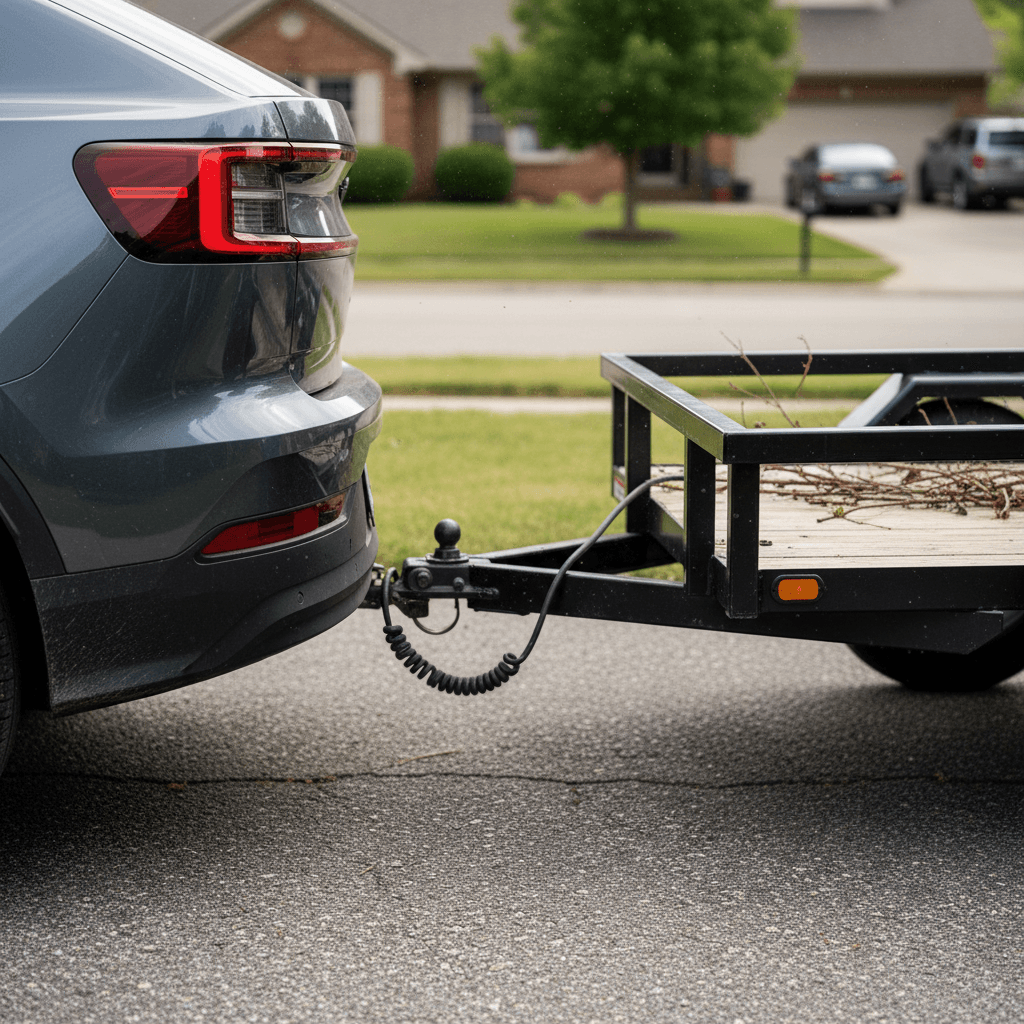
How towing affects Genesis GV60 range in the real world
Any EV will lose range when towing; the only real question is how much. With a GV60, that answer depends heavily on your trailer’s weight, shape, speed, and weather. A light, low utility trailer is one thing; a tall box trailer is another.
Typical GV60 range impact when towing
These are rough directional estimates, treat them as planning guides, not promises.
Very light load
Up to ~1,000 lbs (bikes, cargo tray, very small trailer).
- Expect roughly 15–25% range loss.
- Maintaining 60–65 mph helps a lot.
Moderate load
1,000–1,500 lbs with some frontal area.
- Plan for 25–40% range loss.
- More frequent charging stops on highway trips.
Near max tow
1,500–2,000 lbs boxy trailer or small camper.
- Range can drop by 40–50%+.
- High speeds and headwinds make it worse.
Aim for 60–80% of the rating
Think of the GV60 as a sprinter with a backpack: it can absolutely tow, but the heavier and taller that backpack gets, the more often you’ll need to stop for energy. The payoff is that, unlike a gas SUV, DC fast charging can take you from 10% to 80% in under 20 minutes at a high‑powered station, so your refuel stops are shorter even if they’re more frequent.
What you can realistically tow with a GV60
Because the Genesis GV60 is a compact luxury crossover, the sweet spot is light, simple trailers and accessories, not 24‑foot travel trailers. Tow within that envelope and the experience is surprisingly refined.
GV60‑friendly towing use cases
1. Bike racks and cargo carriers
Probably the most common use for the GV60’s hitch. A loaded hitch rack or cargo tray barely nicks range, and it’s perfect for weekend getaways.
2. Small utility trailer
A 4x8 utility trailer with camping gear, home‑improvement supplies, or a motorcycle will generally land under 1,500 lbs and stay well within the GV60’s comfort zone.
3. Teardrop or micro‑camper
Lightweight teardrop campers in the 1,200–1,800‑lb range are realistic if you’re disciplined about speed and route planning. Expect more frequent fast‑charge stops on the highway.
4. Lawn equipment or appliances
Rent a light trailer for a mower, grill, or appliances, and your GV60 can play weekend pickup truck, just remember that high speeds with a tall load will crush range.
5. Winter sports gear
With a hitch‑mounted ski rack or small enclosed box, the GV60 makes a great snow‑day shuttle. Cold weather will already trim range, so add extra buffer when planning mountain drives.
What the GV60 is not built to tow
GV60 towing setup: hitches, wiring, and accessories
Here’s where things get tricky: Genesis has offered a factory tow hitch or “tow package” in some markets and trims, but availability and wiring support have been inconsistent by model year. Some U.S. owners report that the factory‑branded hitch is marketed for accessories only, while others successfully tow light trailers using aftermarket receivers and wiring harnesses.
Factory hitch (where available)
- Cleanest integration with the bumper and crash structure.
- In some cases, sold as “accessory‑use only” (bike racks, cargo), without clear trailer wiring support.
- Limited availability depending on region and model year.
Aftermarket stealth hitches
- Popular brands offer hidden receivers for 2023–2024 GV60s, with mixed fitment reports on later years.
- Owners often add a universal 4‑pin wiring harness tapped into the taillights or factory pre‑wiring.
- Professional installation is strongly recommended to preserve safety systems and warranty.
Check wiring support on newer model years
- Use only rated hitches and hardware that match or exceed the GV60’s tow rating.
- Have the hitch and wiring installed by an experienced EV‑savvy shop whenever possible.
- Verify that trailer lights work correctly and that there are no error messages after installation.
- Keep an eye on rear suspension squat, if the vehicle sags noticeably, your tongue weight is too high.
Range tips for road‑tripping and light towing
The good news is that the GV60’s 800‑volt architecture and 10–80% in ~18 minutes DC‑fast‑charge capability make it well‑suited to road trips, even when you’re burning more energy with a trailer. You just need to think more like a pilot and less like a commuter.
Practical GV60 range strategies when towing
Small changes in how you drive and plan can claw back a surprising amount of range.
Slow down a notch
Driving 60–65 mph instead of 75+ cuts aero drag dramatically. With a trailer behind a GV60, that can mean 30–40 extra miles of usable range.
Plan charger spacing
When towing, plan legs of 70–120 miles instead of stretching for the full EPA range. Use apps that let you filter for fast chargers near highways and food stops.
Mind weather & elevation
Cold temps, headwinds, and mountain climbs all stack penalties on range. Build in more buffer on winter ski trips or drives through the Rockies.
Charge from 10–80%, not 0–100
If you’re new to EV towing, try a dry‑run trip with a smaller load first. Drive your usual highway route, log consumption and arrival state of charge, and use that real data to plan future road trips more accurately.
Buying a used GV60 for towing and range: what to look for
On the used market, the Genesis GV60 is a bit of a connoisseur’s choice: distinctive styling, high‑end tech, and a driving feel that’s more European hot hatch than anonymous crossover. If you’re shopping used with towing and range in mind, you’ll want to look beyond the pretty paint and crystal shift orb.
Used GV60 checklist for towing & range shoppers
1. Confirm tow rating & hitch history
Check the specific car’s documentation to confirm it’s rated to tow, and inspect any existing hitch for rust, damage, or questionable wiring work.
2. Prioritize higher‑range trims
If you plan to tow or road‑trip, a Standard RWD or Advanced AWD with smaller wheels will give you more usable range than the Performance trim with 21s.
3. Check battery health, not just miles
Ask for a <strong>battery health report</strong>. Tools like the Recharged Score go beyond simple odometer readings to show real‑world battery condition and projected range.
4. Look for DC‑fast‑charge history
Heavy frequent DC fast charging isn’t a deal‑breaker, but if the car lived on road‑trip duty, you’ll want an expert to confirm the pack is still in strong shape.
5. Verify software & charging updates
Make sure the GV60 has the latest software for charging curves, route planning, and driver‑assist systems. Updates can subtly improve efficiency and road‑trip usability.
6. Test‑drive with weight on board
If possible, test‑drive with passengers or cargo to get a feel for how the suspension and brakes behave under load before you add a trailer into the mix.
How Recharged can help
Ready to find your next EV?
Browse VehiclesGenesis GV60 towing & range FAQs
Frequently asked questions about GV60 towing capacity and range
Bottom line: Is the GV60 good for towing?
The Genesis GV60 is, at heart, a stylish, quick, tech‑heavy compact crossover that can tow on the side. Its roughly 2,000‑lb tow rating, fast‑charging prowess, and respectable range make it a solid choice for drivers who mostly haul people and gear but occasionally want to drag along a teardrop, a bike rack, or a utility trailer.
If your life involves regular heavy‑duty towing, you’ll be happier with a more truck‑like platform. But if you want a fun‑to‑drive luxury EV that can handle weekend toys without drama, and you’re willing to plan your charging like a grown‑up, the GV60 fits the brief. And if you’re shopping used, working with a seller who can provide verified battery health and honest range data, like the Recharged Score on every vehicle at Recharged, turns the GV60 from a question mark into a confident, future‑proof choice.