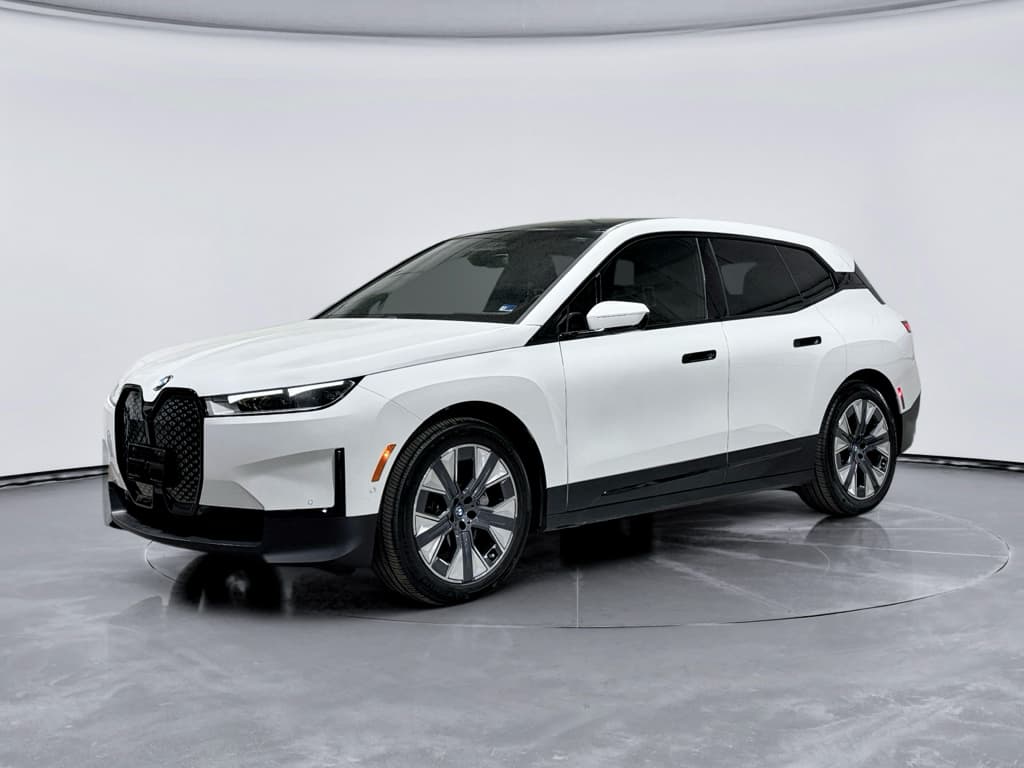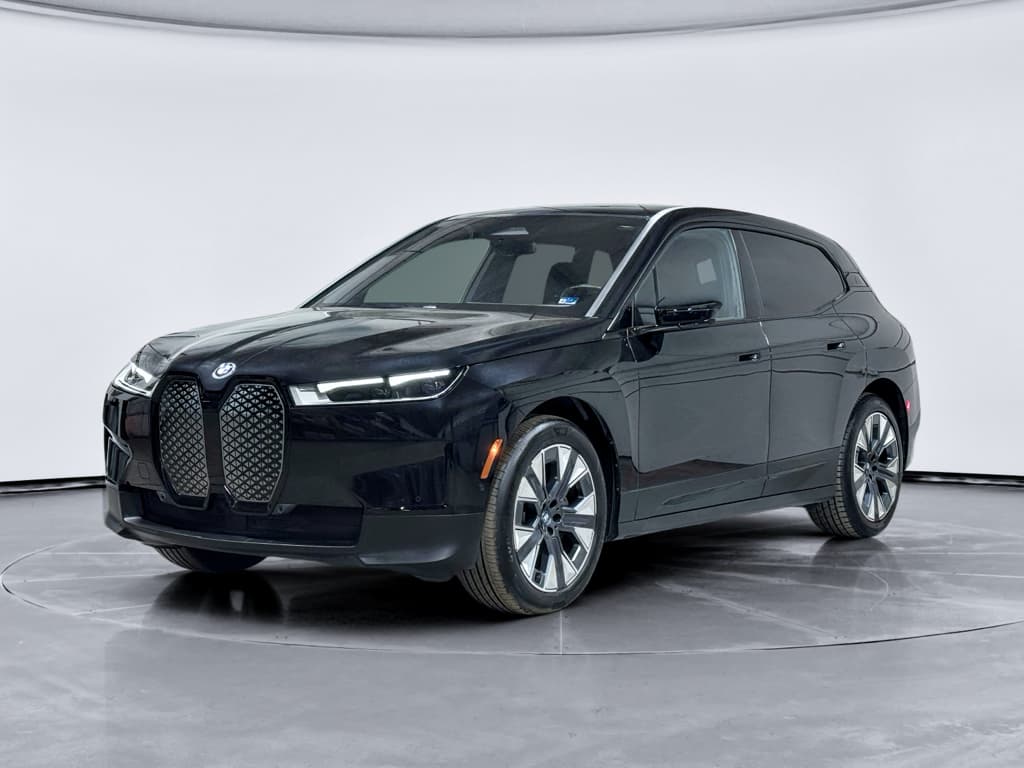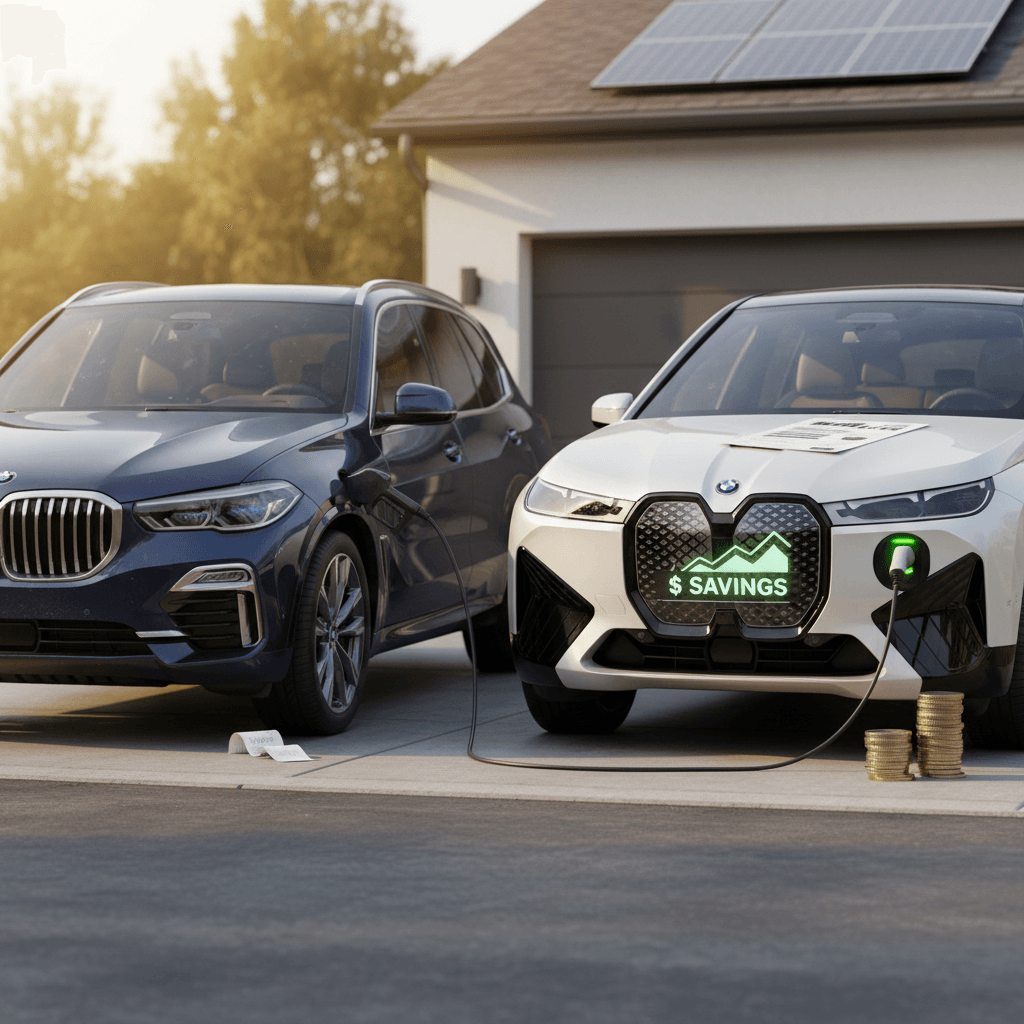
If you’re driving a BMW X5 and eyeing the all‑electric BMW iX, the question isn’t just whether the iX feels more futuristic. You want to know whether switching from a BMW X5 to a BMW iX delivers real cost savings, once you add up fuel, electricity, maintenance, and long‑term ownership.
Quick answer
Why drivers are switching from BMW X5 to BMW iX
What’s really driving the switch from BMW X5 to BMW iX?
It’s not just about the tech, it’s about the math.
Fuel pain vs. electricity predictability
Battery torque and smooth power
Policy, incentives and long‑term outlook
From a used‑vehicle market perspective, the BMW X5 has long been a staple of the luxury SUV segment, but the iX is increasingly on shopping lists for buyers who are done with $80–$120 fill‑ups and want a quieter, lower‑maintenance experience. On Recharged, we see more shoppers cross‑shopping used iX models against late‑model X5s, asking the same question you are: does the math pencil out?
Key assumptions: fuel, electricity and efficiency
To talk about switching from a BMW X5 to a BMW iX cost savings in a way that’s actually useful, we need a few baseline assumptions. You can (and should) swap these numbers for your own situation, but this gives us a starting point.
Baseline assumptions for BMW X5 vs. BMW iX cost comparison
These are typical U.S. averages in early 2026. Plug in your own prices later to customize the math.
| Metric | BMW X5 (gasoline) | BMW iX (electric) |
|---|---|---|
| Energy efficiency | 25 mpg (X5 40i mixed driving) | 3.0 mi/kWh (iX xDrive50/xDrive60 typical) |
| Energy price | $4.00 per gallon of gas | $0.18 per kWh home electricity |
| Annual miles | 12,000 miles | 12,000 miles |
| Driving mix | Urban/suburban with some highway | Same route, same miles |
| Fuel type | Premium gasoline | Level 2 home charging, occasional DC fast charge |
Numbers are rounded for simplicity and represent plausible national averages, not guarantees.
Your numbers will vary
BMW X5 vs BMW iX: cost per mile breakdown
Energy cost per mile: BMW X5 vs BMW iX
Here’s the simple math that drives most of the savings when you switch from an X5 to an iX:
- BMW X5 fuel cost per mile = $4.00 ÷ 25 mpg = $0.16 per mile
- BMW iX electricity cost per mile = $0.18 ÷ 3.0 mi/kWh = $0.06 per mile
- Energy cost difference = $0.16 − $0.06 = $0.10 saved per mile in favor of the BMW iX.
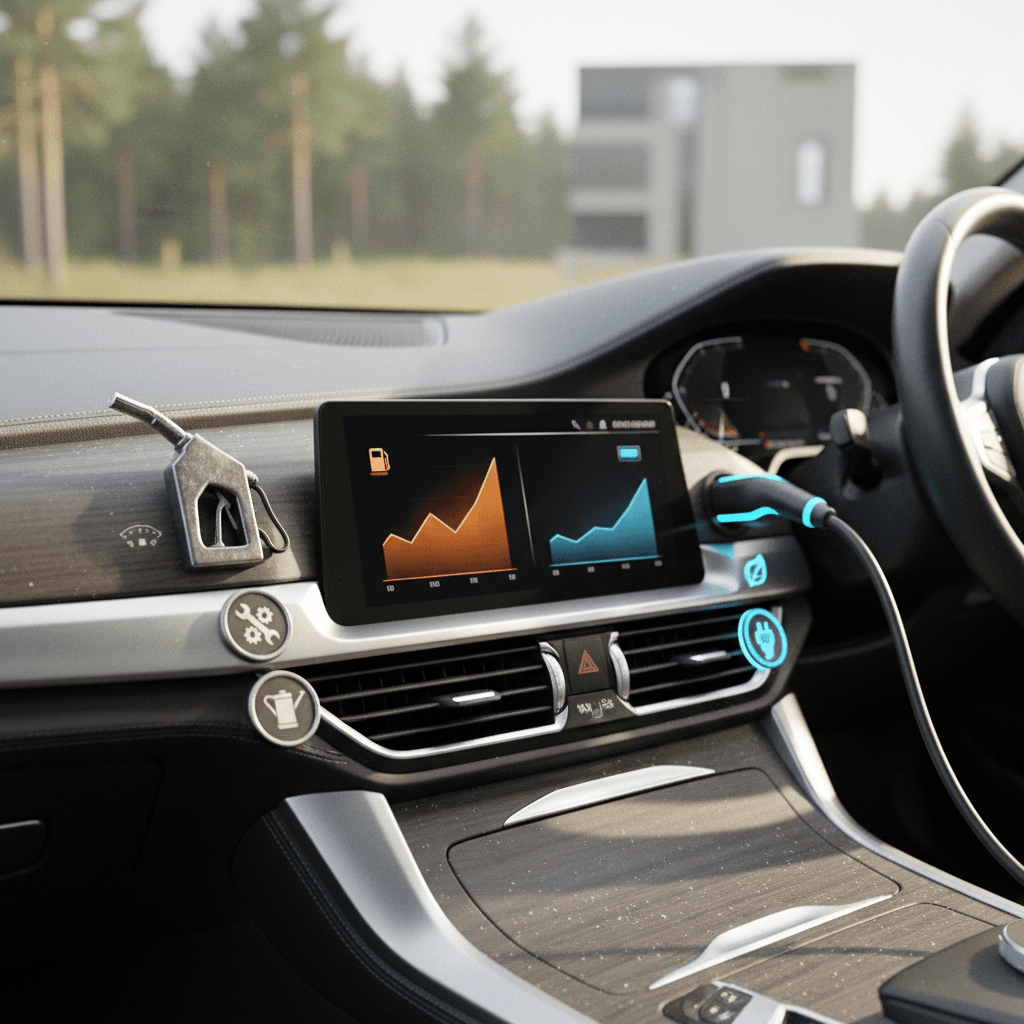
Think in dollars per 10,000 miles
Annual savings for different driving patterns
Not every X5 owner drives the same way. A suburban commuter logging 8,000 miles per year will see different savings than a sales rep racking up 20,000 miles. Here’s how the fuel‑vs‑electricity math plays out across a few common scenarios.
Estimated annual energy costs: BMW X5 vs BMW iX
Based on $4.00/gal gas, $0.18/kWh electricity, 25 mpg X5, 3.0 mi/kWh iX.
| Annual miles | X5 fuel cost | iX electricity cost | Estimated annual savings |
|---|---|---|---|
| 8,000 miles | $1,280 | $480 | ≈ $800 |
| 12,000 miles | $1,920 | $720 | ≈ $1,200 |
| 15,000 miles | $2,400 | $900 | ≈ $1,500 |
| 20,000 miles | $3,200 | $1,200 | ≈ $2,000 |
Use this table as a directional guide, swap in your own prices to refine the numbers.
High‑mileage drivers win big
City/suburban X5 driver
If most of your time in the X5 is spent in suburban traffic, your real‑world mpg may be below the EPA combined rating, especially in winter. That pushes your fuel cost per mile up, and makes the iX’s advantage even larger.
Highway‑heavy X5 driver
If you sit at a steady 70 mph for hours, you may see close to rated mpg in the X5, narrowing the gap a bit, but the iX still typically wins on energy cost, and there’s no oil changes or transmission service waiting on the other side of that trip.
Ownership beyond fuel: maintenance, insurance and taxes
Fuel and electricity are the easiest line items to compare, but they aren’t the whole story. When you switch from a BMW X5 to a BMW iX, several other ownership costs change too.
Beyond fuel: where the BMW iX trims ownership costs
Some costs go down, a few may go up.
Maintenance: fewer moving parts
Repairs and wear items
Insurance, taxes and fees
Don’t forget state and utility incentives
Battery health and resale value on a used BMW iX
A big question for anyone moving from a BMW X5 to a BMW iX, especially in the used market, is, “What happens to the battery, and how does that affect my long‑term costs?” X5 buyers are used to thinking about miles, options and service history. With an iX, verified battery health joins that short list of must‑know data points.
- Modern BMW EV packs are designed with substantial buffers and thermal management to slow degradation.
- Real‑world iX owners commonly report modest capacity loss over the first several years, not the dramatic drop some early EVs experienced.
- Battery health has a direct impact on resale value and real‑world range, which in turn affects how useful the vehicle feels on road trips.
How Recharged approaches BMW iX battery health
When a BMW iX saves you money, and when it might not
Even with attractive energy and maintenance savings, the iX won’t look like a slam‑dunk in every scenario. Here’s where the switch from X5 to iX really shines, and where you may want to pause and sharpen your pencil.
Scenarios where switching from BMW X5 to BMW iX makes financial sense
And a few cases where it’s more of a wash.
Where the BMW iX usually wins
- High annual mileage: 15,000+ miles per year magnifies fuel vs. electricity savings.
- Expensive local fuel: If premium gas regularly sits north of $4/gal in your area, the X5’s fuel bill balloons.
- Home charging access: A Level 2 charger at home lets you tap cheaper, predictable electricity rates.
- Buying used iX: Letting the first owner absorb initial depreciation can make total cost of ownership very compelling.
Where the math can be tighter
- Very low annual mileage: Under 6,000 miles a year, fuel savings alone may not offset a higher payment.
- Very cheap gas, pricey electricity: In some regions with low fuel taxes but high kWh prices, the per‑mile gap narrows.
- No home or workplace charging: If you rely heavily on high‑priced public DC fast charging, your energy costs can climb.
- Short‑term ownership: If you plan to keep the iX for only 1–2 years, transaction costs and depreciation loom larger.
Watch public fast‑charging costs
How to run your own BMW X5-to-iX savings calculation
The best way to decide whether switching from BMW X5 to BMW iX saves you money is to plug your own numbers into a simple framework. Here’s a step‑by‑step checklist you can walk through in 15 minutes.
DIY: Your personal BMW X5 → BMW iX cost‑savings calculator
1. Gather your current X5 fuel data
Look at your last few months of fill‑ups or your X5’s trip computer. Note your actual <strong>average mpg</strong> and how many miles you drive in a typical month or year.
2. Find your local fuel and electricity prices
Grab the price you actually pay for premium gasoline and check your most recent electric bill for your <strong>cents per kWh</strong> rate, including taxes and fees. If your utility has off‑peak EV rates, note those too.
3. Estimate BMW iX efficiency for your use case
A conservative planning number is about <strong>3.0 miles per kWh</strong> for mixed driving. If you do lots of city miles or drive gently, you may see higher; frequent high‑speed highway runs may lower this a bit.
4. Calculate cost per mile for both vehicles
Use these formulas: X5 cost per mile = local gas price ÷ your real mpg. iX cost per mile = local $/kWh ÷ your assumed miles per kWh. The difference is your <strong>per‑mile savings</strong>.
5. Multiply by your annual mileage
Multiply that per‑mile savings by the miles you expect to drive each year. That gives you an annual dollar figure you can compare directly to any payment difference between the X5 and the iX.
6. Layer in maintenance and incentives
Estimate your X5’s oil changes, brake jobs and other routine service over the next 3–5 years, then compare to expected iX maintenance. Add any state, utility or employer EV incentives on the iX side of the ledger.
Use a conservative iX estimate
Financing a used BMW iX and maximizing value
For many X5 owners, the switch to an iX happens through the used market: trading a late‑model X5 into a 2–3‑year‑old BMW iX to avoid the steepest part of new‑car depreciation while still getting a long range and the latest tech.
Leaning on EV‑friendly financing
Because the BMW iX is still a premium vehicle, structuring the deal matters. Financing tools that understand EV residual values and lower operating costs can help balance your monthly payment with your expected fuel and maintenance savings.
How Recharged fits in
Recharged offers EV‑focused financing options, trade‑in support, and nationwide delivery on used BMW iX models. Pair that with a Recharged Score battery report and you get a clearer picture of long‑term costs than you typically see at a traditional dealership.
Turn your X5 into lower EV costs
FAQ: Switching from BMW X5 to BMW iX cost savings
Frequently asked questions about BMW X5 → BMW iX savings
Bottom line: is switching from BMW X5 to BMW iX worth it?
Looking strictly at fuel vs. electricity, switching from a BMW X5 to a BMW iX often cuts your energy cost per mile by around half in today’s U.S. market. Stack on lower routine maintenance and the right purchase price, especially on a well‑vetted used iX, and the numbers start to favor the EV for many luxury‑SUV drivers.
Where the equation gets trickier is low‑mileage driving, pricey electricity without off‑peak relief, or heavy reliance on public fast charging. That’s why your own route, local prices and ownership horizon matter as much as national averages.
If you’re ready to run the numbers on a specific BMW iX, a platform like Recharged can help you compare real vehicles side‑by‑side with your current X5, complete with Recharged Score battery health reports, fair‑market pricing, EV‑savvy financing and nationwide delivery. That way, the decision to swap your BMW X5 keys for an iX isn’t just about loving the way it drives. It’s about knowing, with clear math, how the switch affects your bottom line over the next several years.