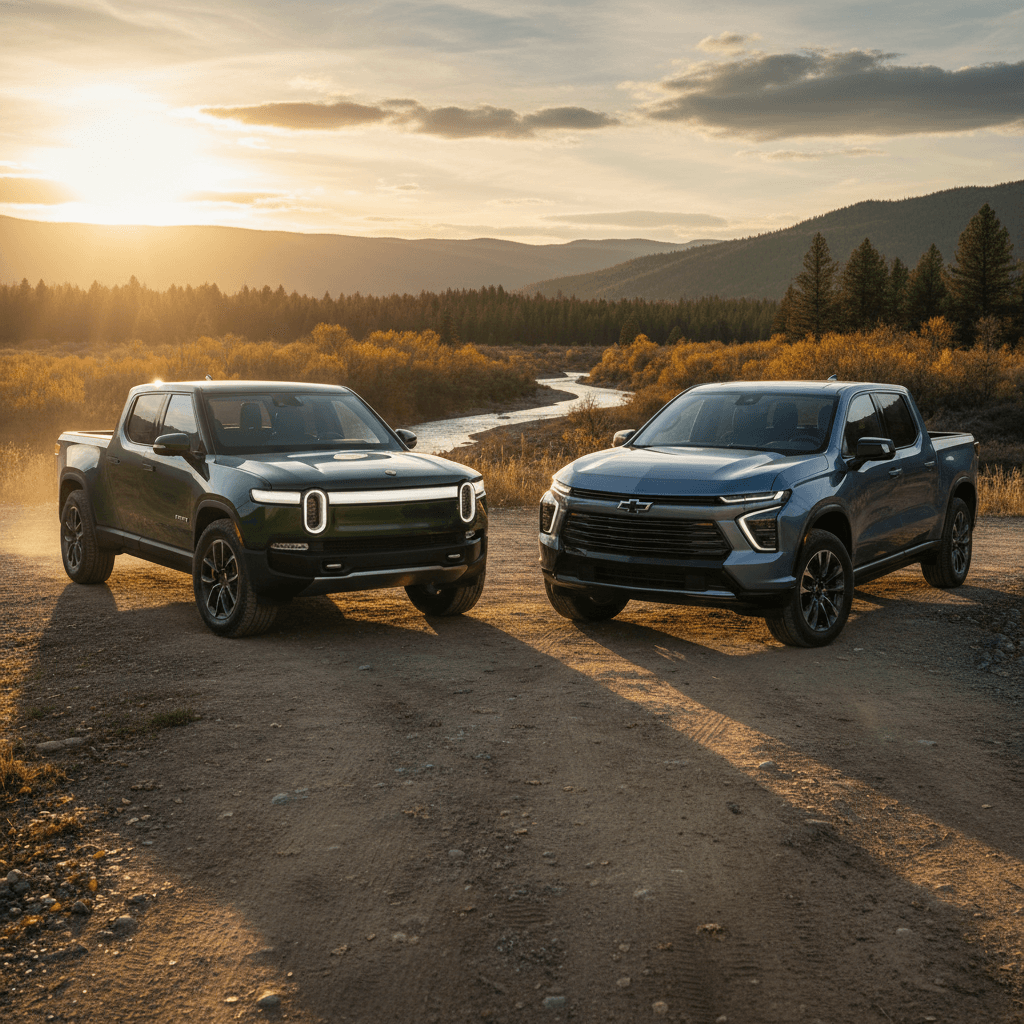
You’ve narrowed your electric truck shopping list down to the Rivian R1T and the Chevrolet Silverado EV. One is the outdoorsy adventure rig that helped kick off the EV truck craze, the other is a full-size workhorse from a brand that’s been building trucks for more than a century. Both are fast, both are capable, and both are expensive. The real question is: which one actually fits the way you live and work?
Quick Take
Overview: Rivian R1T vs Chevrolet Silverado EV
Rivian R1T: Adventure-first midsize-ish truck
- Roughly between a midsize and full‑size truck in footprint, easier to park in suburban garages.
- Standard dual‑motor all‑wheel drive, available tri‑ and quad‑motor performance versions.
- Famous for its Gear Tunnel, frunk, and off‑road capability.
- 11,000‑lb rated towing, strong acceleration, and a premium cabin.
Chevrolet Silverado EV: Full‑size work-and-family rig
- Built on GM’s Ultium EV platform, similar footprint to a conventional full‑size Silverado.
- Dual‑motor all‑wheel drive across the lineup.
- Long wheelbase and big battery for excellent highway range.
- Up to 12,500‑lb towing and around a 5'11" bed with optional midgate to extend cargo length into the cab.
How to use this comparison
Key Specs: Range, Towing, and Payload at a Glance
Rivian R1T vs Chevrolet Silverado EV: Core Specs
Approximate specs for popular 2025 model‑year configurations. Exact numbers vary by wheel size, package, and options.
| Truck / Trim (2025) | Estimated Range* | Max Towing | Max Payload | Drivetrain |
|---|---|---|---|---|
| Rivian R1T Dual Motor Large Pack | ~350 miles (varies by wheels) | 11,000 lb | ~1,700+ lb | Dual‑motor AWD |
| Rivian R1T Tri Motor Max Pack | Around 370+ miles | 11,000 lb | Similar to Dual (check build) | Tri‑motor AWD |
| Silverado EV WT Standard Range | ~280 miles | 8,500 lb | Up to ~2,350 lb | Dual‑motor 4WD |
| Silverado EV WT / LT Extended Range | Up to ~440–490 miles (configuration‑dependent) | Up to 12,500 lb | Up to ~1,800 lb | Dual‑motor 4WD |
| Silverado EV RST Extended Range | Around low‑400‑mile range | Up to 10,000 lb | ~1,400 lb | Dual‑motor 4WD |
Always confirm final specs on the specific truck you’re buying, especially in the used market.
About the numbers
Headline Numbers That Matter Most
Everyday Driving and Comfort
How They Feel on the Road
Two very different personalities behind the wheel, even if they share instant torque.
Rivian R1T: Sporty and playful
- Shorter overall length and wheelbase make it feel more like a big SUV than a long‑bed pickup.
- Steering is quick, and the air suspension can hunker down on the highway or rise up off‑road.
- Ride quality is firm but controlled; it feels eager, even in everyday driving.
- Cabin has a modern, almost Scandinavian vibe with large screens and minimal clutter.
Silverado EV: Big‑truck calm
- Long wheelbase and hefty curb weight give the Silverado EV a planted, relaxed highway feel.
- Steering is light for the size, but you’re always aware you’re driving a full‑size truck.
- Available four‑wheel steering and adaptive air suspension (RST) help tighten its turning circle and smooth out broken pavement.
- Interior layout is more traditional truck: big center screen, physical storage, familiar Chevy switchgear on work‑oriented trims.
Parking, garages, and city maneuvering
Towing and Hauling: Which EV Truck Works Harder?
On paper, the Silverado EV wins the towing crown. Certain WT and LT Extended Range trims are rated up to about 12,500 pounds of trailer, with payload figures topping out around 1,800–2,350 pounds depending on configuration. The Rivian R1T maxes out at 11,000 pounds of towing with a weight‑distributing hitch and carries roughly mid‑1,000‑pound payloads depending on options and wheels. In everyday use, though, the story is more nuanced.
Rivian R1T for towing
- Best suited for occasional towing under about 8,000 pounds, especially if you value off‑road access to campsites or trailheads.
- Shorter wheelbase means a bit more motion with heavier trailers, but clever tow modes and strong regen help keep things settled.
- Max Pack or Large Pack is strongly recommended if you tow frequently, Standard Pack real‑world towing range can feel limited.
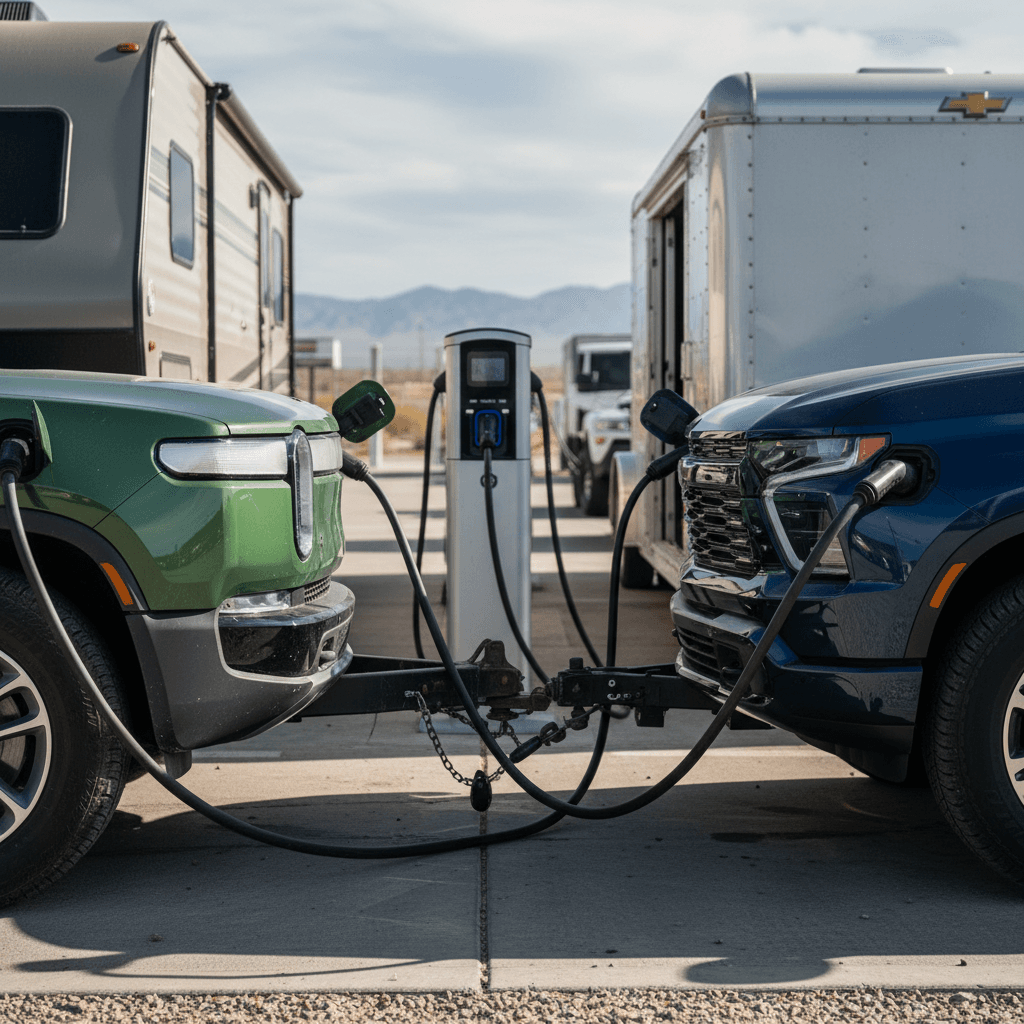
- Excellent camera systems and trailer aids make hitching easy, but DC fast‑charging with a trailer attached can still be awkward at some stations.
Silverado EV for towing
- Longer wheelbase and higher gross vehicle weight give it a stable, heavy‑duty feel with big trailers.
- With the big Ultium battery, you start with more rated range, so losing half your range when towing still leaves a workable number of miles.
- Chevy’s trailering tech suite, integrated brake control, multiple camera views, and trailer profiles, will feel familiar if you’ve owned a modern gas Silverado.
- Payload matters: heavy tongue weight, passengers, and cargo all come out of the payload budget. Always check the door‑jamb sticker on the exact truck you’re buying.
Payload is just as important as tow rating
Towing With an Electric Truck: Questions to Answer First
1. How heavy is your typical trailer?
If you’re regularly pulling 10,000+ pounds, the Silverado EV’s higher tow rating and huge battery make it the more comfortable choice. If you tow 3,000–7,000 pounds a few times a year, either truck can work.
2. How far between charging stops?
EV towing can easily cut your range in half, or more. Map out your usual routes using DC fast‑chargers, and be honest about how often you’re willing to stop.
3. Where will you charge while towing?
Back‑in chargers with short cables are tricky with a trailer. Look for pull‑through or end spots, and scout your usual routes in apps before a big trip.
4. Do you need off‑road access with a trailer?
Rivian’s air suspension and approach/departure angles make it better for getting a small camper to a remote site. The Silverado EV is happier on wide gravel roads, job sites, and highways.
5. How important is bed payload?
If you regularly carry heavy tools, an in‑bed camper, or a tongue‑heavy trailer, chase payload, not just tow rating. Some nicely optioned trucks have surprisingly low payload.
Range, Battery Packs, and Charging Experience
The Silverado EV’s ace is simple: big battery, big range. Certain 2025 WT Extended Range versions flirt with 500 miles of rated range on a full charge, while mainstream LT and RST trims still deliver very strong numbers compared with most EVs. Rivian gives you multiple battery choices, Standard, Large, and Max packs, with mid‑ to high‑300‑mile ratings on popular R1T builds, and performance versions trading a bit of range for wild acceleration.
Charging: Living With Each Truck Day to Day
Both support DC fast charging and Level 2 at home, but the details matter.
Home charging
- Both trucks are happiest on a dedicated 240V Level 2 charger in your garage or driveway.
- Because the Silverado EV battery can be so large, a modest 32–40‑amp home charger may take a long time from low state of charge, think overnight plus.
- Rivian’s smaller packs are quicker to refill, but you’ll still want at least a 40‑amp Level 2 for convenient daily use.
Fast charging on the road
- Both trucks use CCS fast‑charging hardware on current models, with future NACS availability evolving by year; adapters and new ports are rolling out across brands.
- Silverado EV can add a lot of miles per stop thanks to its pack size and high peak charging rates.
- Rivian has improved charging curves over time and continues to roll out software updates that help on road trips.
Real‑world range mindset
- For daily commuting, both trucks have more than enough range, most owners plug in at home and treat the battery like a fuel tank that’s always at least half full.
- For road‑tripping or towing, a Silverado EV Extended Range is simply less stressful: you start with more margin.
- Rivian fights back with smaller size and an emerging Rivian Adventure Network that’s focused on outdoor routes.
Home charging tip
Tech, Interior, and Utility Features
Rivian R1T: Clever storage and adventure tricks
- Gear Tunnel runs between the cab and bed, perfect for skis, recovery boards, or a camp kitchen.
- Lockable frunk adds secure cargo space where an engine would be.
- Available camp speaker, built‑in air compressor, and integrated accessory power ports cater to outdoor life.
- Cabin feels upscale, with vegan leather, wood, and high‑resolution displays. Software is Rivian’s own, with over‑the‑air updates improving features over time.
Silverado EV: Big bed, midgate, and work‑ready tech
- Standard bed is roughly 5'11" with a power tailgate; the available midgate lets you fold the rear seats and open the cab wall to haul longer items.
- Multiple power outlets can turn the truck into a rolling generator, handy for jobsites or tailgates.
- Cabin appointments vary widely: WT is durable and basic, LT mainstream, and RST leans into luxury and big‑screen tech.
- GM’s driver‑assist technology and trailering camera systems will feel familiar to late‑model Chevy owners.
Most useful party tricks
Pricing, Trims, and Ownership Value
Pricing is a moving target, especially as incentives, dealer markups, and manufacturer discounts ebb and flow. By 2025–2026, both the Rivian R1T and Silverado EV span a broad range, from relatively stripped‑down work or dual‑motor models well under six figures, to fully loaded performance or luxury builds that can break the $90,000–$100,000 barrier.
How Pricing Typically Stacks Up
Exact numbers change fast, but the relationship between these trucks is clear.
Rivian R1T
- Well‑equipped dual‑motor Large Pack trucks often price out in the premium half‑ton range, more than a gas F‑150 or Silverado, but less than some luxury SUVs.
- Tri‑ and quad‑motor Max Pack variants command a serious premium for their performance and range.
- Used examples are starting to show meaningful depreciation, which can create strong value for second owners who understand battery health.
Silverado EV
- WT trims target fleet buyers and value‑focused owners, especially with the smaller Standard Range battery.
- LT and RST Extended Range models sit firmly in premium truck territory, especially once you add packages.
- Because the Silverado EV is newer to the retail market, used inventory is thinner, but that will change quickly as more trucks come off leases and first‑wave ownership.
Don’t forget incentives and charging perks
Thinking Used? What to Know About R1T and Silverado EV
As early Rivian R1Ts and first‑wave Silverado EVs filter into the used market, they become especially interesting for buyers who want big performance and capability without paying brand‑new prices. But with any used EV truck, the battery and fast‑charging history matter just as much as leather seats or wheel size.
Buying a Used R1T or Silverado EV: What to Check
Battery health and fast‑charging history
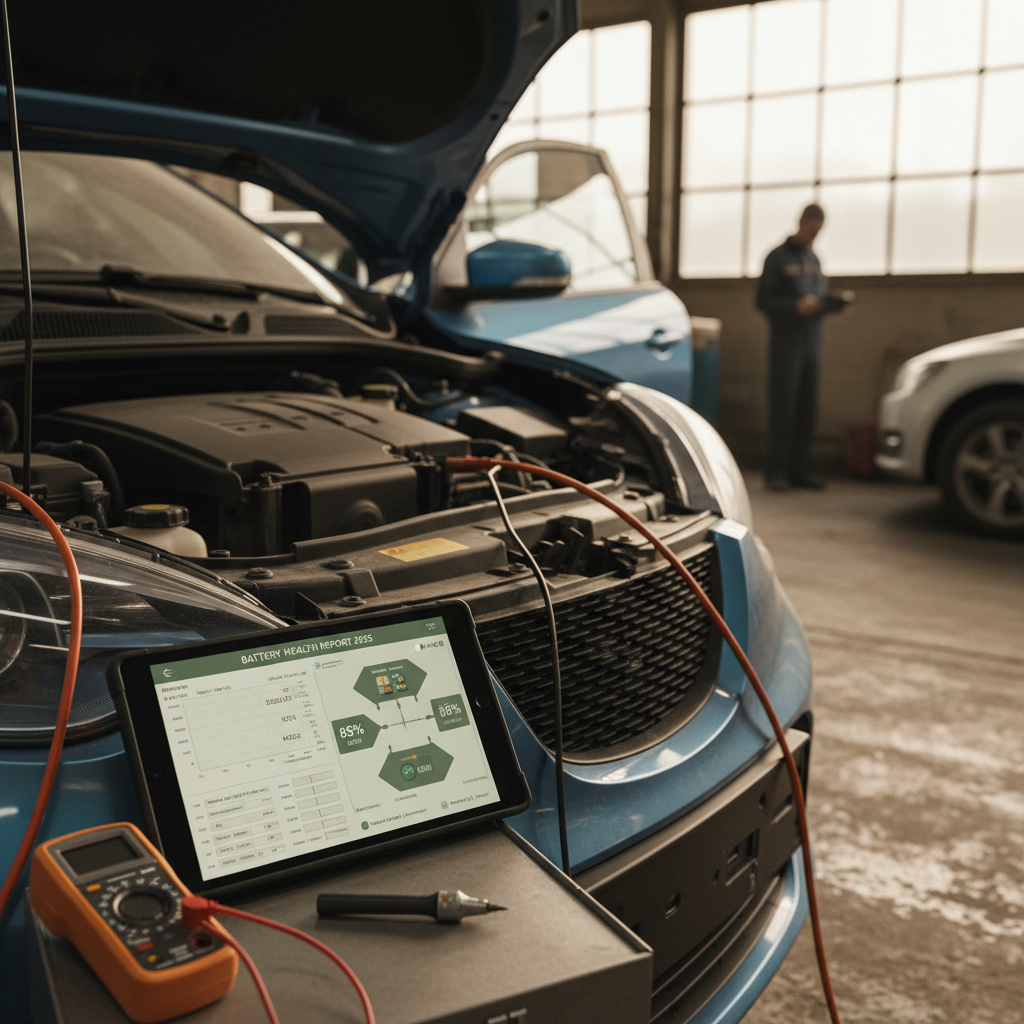
Ask for documentation or reports that show state of health, not just current range estimates. Lots of DC fast‑charging and heavy towing can accelerate battery wear.
Software level and recall work
Both Rivian and GM push frequent software updates that improve charging, range estimates, and driver‑assist systems. Make sure the truck is on current software and that recall work is complete.
Towing and payload use
A truck that spent its life towing near max capacity may have more wear on brakes, suspension, and tires. Look for hitch wear, trailer wiring repairs, and uneven tire patterns.
Undercarriage and off‑road damage
For R1Ts in particular, inspect skid plates, suspension arms, and cooling lines. Off‑road fun can turn into expensive repair bills if you inherit hidden damage.
Charging equipment and adapter included
Confirm which home charging cables, portable chargers, and adapters come with the truck. Replacing a missing OEM cable can be surprisingly pricey.
How Recharged can help
Ready to find your next EV?
Browse VehiclesWhich Electric Truck Should You Buy?
Rivian R1T vs Silverado EV: Best Fits by Buyer Type
The adventure‑first driver
You spend more weekends on forest roads and trailheads than at construction sites.
You want clever storage for bikes, skis, camping gear, and dogs.
You’d rather thread a slightly smaller truck through town than muscle a full‑size every day.
Best pick: <strong>Rivian R1T</strong>, ideally with Large or Max Pack and all‑terrain tires.
The towing and workhorse owner
You regularly pull 7,000–12,000‑lb campers, boats, or equipment trailers.
You care about a long wheelbase, big battery, and traditional bed space.
You’re coming out of a gas ½‑ton or ¾‑ton Silverado and like Chevy’s trailering tech.
Best pick: <strong>Chevrolet Silverado EV</strong>, preferably an Extended Range LT or WT for maximum capability.
The family daily‑driver
You mostly commute, run errands, and handle weekend projects with only occasional towing.
You want an EV that feels special, with modern design and a quiet cabin.
Truck size in parking garages and school lanes is a real concern.
Best picks: <strong>Rivian R1T</strong> if you want something unique and slightly easier to park; <strong>Silverado EV LT</strong> if you need more cabin and bed space.
The value‑focused used shopper
You’re looking hard at depreciation curves and total cost of ownership.
You care more about battery health than having the latest wheels or color.
You’re open to either brand if the right used truck and price show up.
Best move: Shop <strong>Recharged</strong> for R1T and Silverado EV listings with Recharged Score battery diagnostics, and let an EV specialist talk you through trade‑offs.
There’s no wrong choice between the Rivian R1T and the Chevrolet Silverado EV, only the wrong choice for your life. The Rivian is the charismatic, go‑anywhere adventure truck with just enough practicality to handle day‑to‑day chores. The Silverado EV is the quietly confident long‑range hauler that feels instantly familiar to anyone who’s owned a modern Chevy pickup. Decide whether your truck life leans more toward trailheads or trailers, commuting or concrete, then let the specs support that decision. And if you’re shopping used, a transparent battery health report and expert guidance, like you’ll get from Recharged, will matter more than any single performance number on a spec sheet.