If you live where snow, slush and single‑digit mornings are part of life, you’re probably wondering how the Ford Mustang Mach‑E really handles winter. In this Ford Mustang Mach‑E winter driving review, we’ll break down snow and ice traction, cold‑weather range loss, comfort, and which trims and model years are best if you’re shopping new or used.
Quick take
Mustang Mach-E in Winter: Big Picture
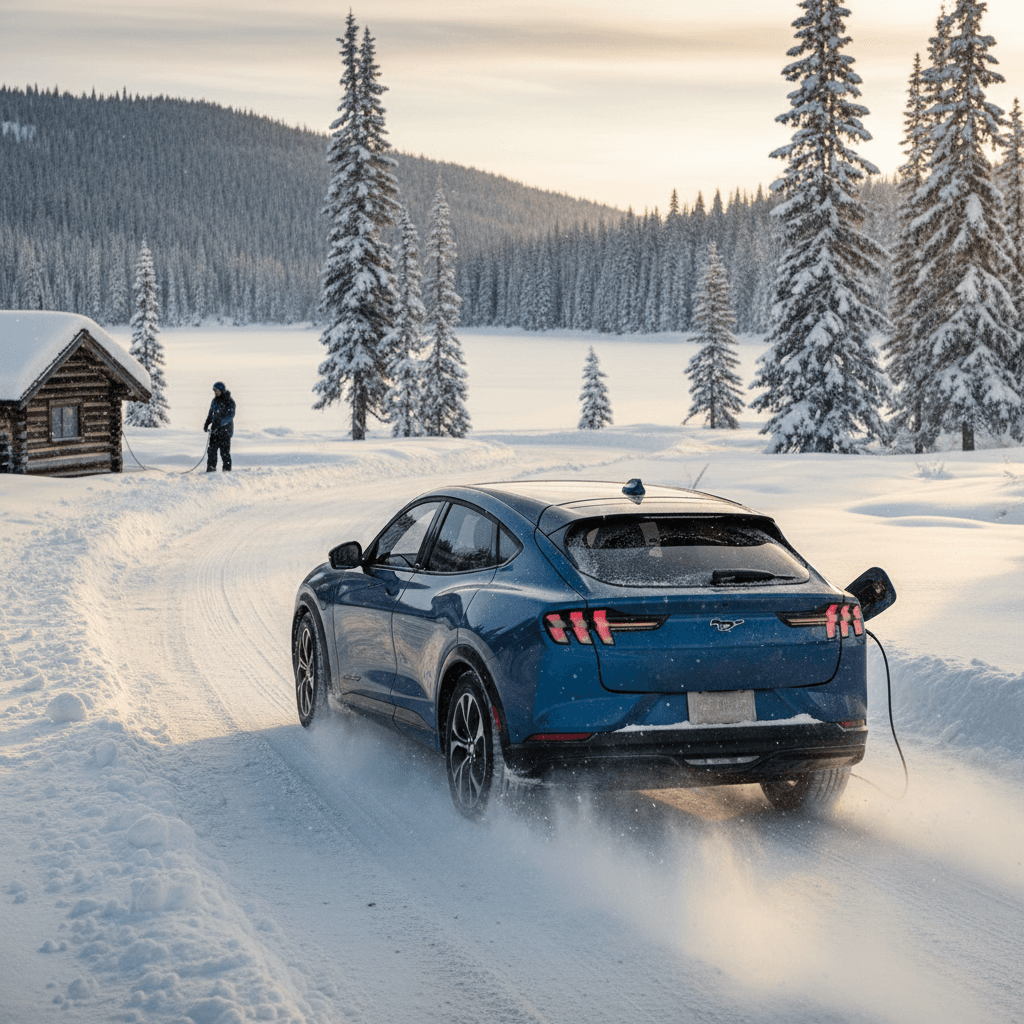
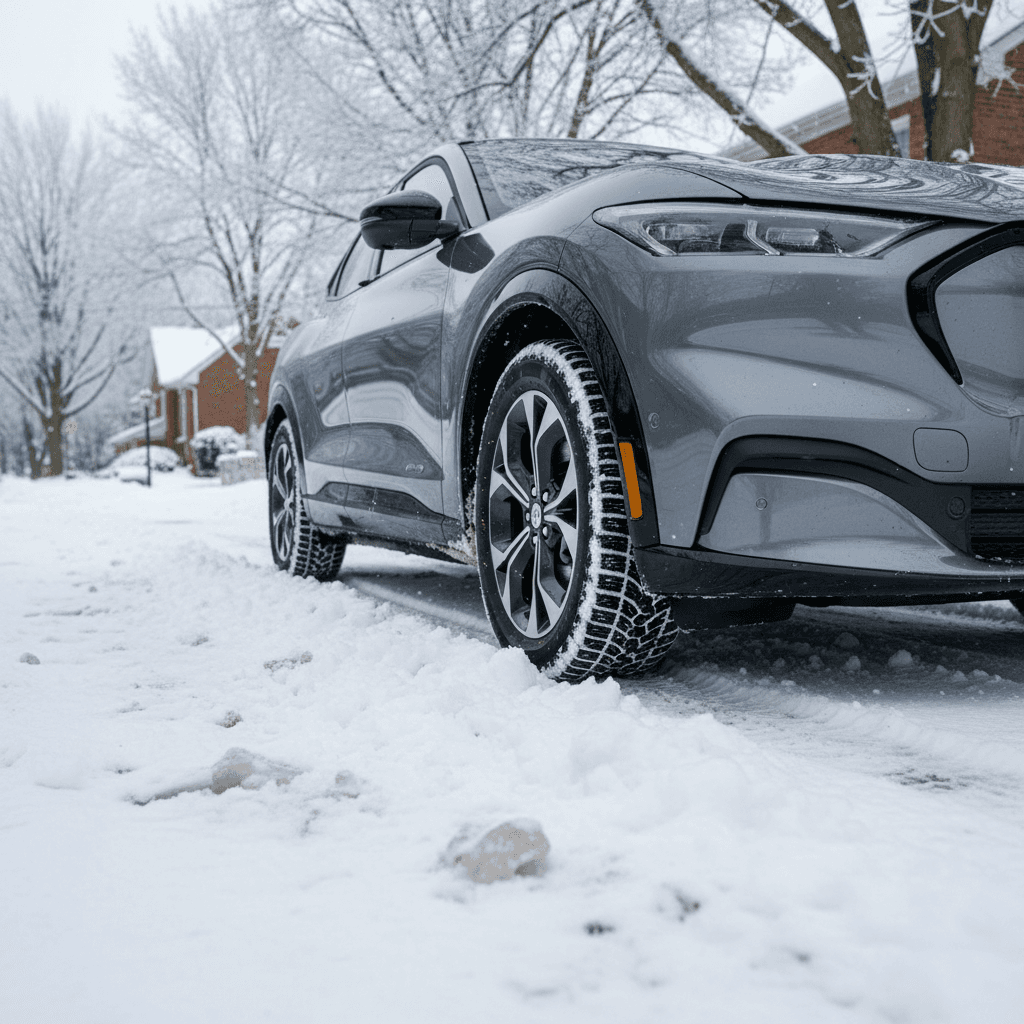
On paper, the Mustang Mach‑E checks many winter boxes: available dual‑motor all‑wheel drive, quick traction control, instant torque for pulling out of deep snow, and strong regenerative braking to help manage speed on slick descents. In practice, owner feedback across several winters paints a fairly consistent picture: with the right tires, the Mach‑E feels planted and confidence‑inspiring in snow and even on ice; on worn all‑seasons, it can feel skittish, just like any 5,000‑pound SUV.
Mach-E Winter Behavior at a Glance
Independent tests and owner reports from snowy regions describe the Mach‑E as one of the more composed EVs on ice, especially in AWD form. Drivers in places like New England, the upper Midwest and Canada regularly praise the stability and predictable behavior, even when navigating fully iced‑over back roads. At the same time, you’ll find posts from owners disappointed in snow grip when they relied on stock all‑season tires or forgot that EV weight doesn’t excuse basic physics.
Tires matter more than drivetrain
Snow and Ice Performance: Traction, Modes and Tires
The Mach‑E’s electric all‑wheel‑drive system can send torque to the axle that has grip almost instantly. That’s a major plus when you’re starting on a slick uphill or clawing your way through plow berms at the end of your driveway. In independent winter drives, dual‑motor Mach‑E models tracked straight in deep snow, with traction control tamping down wheelspin before things got messy.
- AWD models (Select/Premium/GT/Rally) are noticeably more composed in deep snow and on icy hills than rear‑drive trims.
- RWD models are still very manageable on plowed roads, but you’ll feel the rear step out more easily if you’re aggressive with throttle or regen.
- The relatively low 5.7-inch ground clearance means you’ll hear packed snow hitting the underbody in ruts and unplowed neighborhoods.
Drive modes for winter
- Whisper: Softer throttle and gentler braking. A great default in snow or mixed rain/ice because it avoids sudden weight transfer.
- Engage: Middle ground. Works fine in light snow if you’re smooth with your inputs.
- Unbridled: Sportiest mode. Fun on dry roads, and some experienced drivers run it in snow with proper winter tires, but it’s not the safest choice if traction is marginal.
One‑pedal driving in snow
- Full one‑pedal regen can unsettle the car if you abruptly lift off the accelerator on ice.
- Many owners switch one‑pedal off in heavy snow, using blended regen plus light friction braking for more predictable weight transfer.
- Others keep one‑pedal on but are very careful to modulate their foot instead of snapping off the throttle.
Simple setup for the first snow day
Choosing the Right Tires for Mach-E Winters
Why your factory tires may not be enough
Dedicated winter tires
If you see real winters, regular snow, ice and temps well below freezing, dedicated winter or studless snow tires transform the Mach‑E. Owners report night‑and‑day differences in confidence and stopping distance.
All-seasons in mild climates
In milder U.S. climates where roads are usually plowed quickly and temps hover near freezing, good all‑season tires can be enough. Still, avoid worn or budget tires; this is a heavy EV.
Performance summer tires
GT and performance trims may come with summer‑biased tires. These can become almost useless near freezing and dangerous in snow. If you buy a used GT in a snowy state, budget for a second winter wheel‑and‑tire set.
Cold-Weather Range: How Much Does It Drop?
Every EV loses range in winter, and the Mustang Mach‑E is no exception. Batteries are less efficient in the cold, heating the cabin takes significant energy, and snowy roads add rolling resistance. Owners in northern U.S. states and Canada frequently report 25–45% range reduction when temperatures stay below about 20°F, especially on highway drives.
Real-World Winter Range Expectations
Approximate winter range vs. EPA ratings for common Mach‑E configurations, assuming sustained freezing temps and mixed driving.
| Model / Battery | EPA Rated Range | Typical Cold-Weather Range | Notes |
|---|---|---|---|
| Standard Range RWD | ~240–260 mi | ~150–185 mi | City driving and preconditioning help stay toward the higher end. |
| Standard Range AWD | ~220–240 mi | ~140–175 mi | Dual motors add traction but also draw more energy. |
| Extended Range RWD | ~300–320 mi | ~190–230 mi | Best choice if you want to offset winter losses without frequent fast charging. |
| Extended Range AWD / GT | ~260–300 mi | ~170–210 mi | Performance driving or high speeds in cold can eat into range quickly. |
Numbers are estimates from owner reports and should be treated as planning guidelines, not guarantees.
Why range drops so much in winter
- On sub‑freezing days, plan charging stops assuming 30–40% less range than the EPA number, especially at highway speeds.
- Preconditioning the battery before DC fast charging greatly improves speed and consistency on winter road trips.
- Parking in a garage or even under covered parking can noticeably reduce overnight range loss compared with being exposed to wind and single‑digit temps.
Heat Pump Updates and Best Model Years for Winter
Ford has iterated on the Mustang Mach‑E since launch, and those changes matter for winter driving. Early model years relied more heavily on resistive heating, which is effective but energy‑hungry. For the 2025 model year, Ford added a vapor‑injection heat pump across the lineup, packaging it under the hood where part of the front trunk used to be. That upgrade reduced frunk volume but substantially improved heating efficiency in cold weather.
- 2021–2023 Mach‑E: No factory heat pump in North America. Cars still warm up quickly, but cabin heat uses more energy in deep cold, which contributes to larger winter range losses.
- 2024 Mach‑E: Incremental efficiency and hardware tweaks, plus updated motors on some trims that modestly improve real‑world range and performance.
- 2025+ Mach‑E: Adds the vapor‑injection heat pump and other refinements. Owners in cold regions report noticeably better winter efficiency versus early cars, with less range drop in extended sub‑freezing conditions.
Best Mach-E years for cold climates
There is a trade‑off: beginning with 2025, Ford shrank the front trunk to package the heat pump hardware, and for 2026 the frunk became a paid option. If you like the Mach‑E’s hose‑out frunk for snowy boots or tailgates, you’ll want to confirm whether a specific 2025–2026 vehicle actually has it before you buy.
Cabin Comfort, Visibility and Daily Usability
Once you’re inside, the Mach‑E feels well‑suited to winter life. The cabin heats quickly, especially if you’re plugged in and preconditioning before you leave. Heated seats and a heated steering wheel (where equipped) pull much less energy than blasting hot air, and most owners lean on those features to stay comfortable while keeping the climate set a few degrees lower.
Winter Comfort and Convenience Highlights
How the Mach-E behaves when temperatures plunge
Fast cabin warm-up
Owners regularly note that heat comes on quickly, even on bitter mornings. That instant electric heat is a big quality‑of‑life upgrade over some gas SUVs.
Defrost and visibility
The Mach‑E’s defrosters clear the windshield and front windows quickly. The rear window wiper is small, and some owners upgrade it or wish it were more effective in wet, salty slush.
Everyday practicality
The hatchback layout and fold‑flat rear seats make winter gear duty easy, think skis, snowboards, and bulky coats. Just remember the moderate ground clearance if your driveway drifts over.
Recall note for 2021–2025 models
Practical Winter Driving Tips for Mach-E Owners
Whether you already own a Mach‑E or you’re considering a used one from a marketplace like Recharged, a few habits make a big difference in winter. Think in terms of three buckets: grip, energy, and planning.
Essential Winter Setup and Driving Tips
1. Invest in proper winter tires
If you regularly see snow or ice, a set of quality winter tires is the single biggest upgrade you can make. They dramatically shorten stopping distances and make traction control feel smarter.
2. Precondition while plugged in
Use the FordPass app or in‑car scheduling to warm the cabin and, on newer models, precondition the battery <strong>while the car is charging</strong>. You’ll start with a warm pack, better regen, and more real‑world range.
3. Adapt your drive mode and regen
For slick days, start in Whisper mode with one‑pedal driving off or reduced. As you gain experience, you can choose the balance of regen and throttle response that feels safest for your roads.
4. Watch your state of charge buffer
In deep winter, avoid running the pack down to single digits. Aim to start longer trips at 80–100% and plan to arrive at chargers with 10–20% remaining as a margin for headwinds, detours or unexpected traffic.
5. Use seats and wheel, not just hot air
Heated seats and steering wheel keep you comfortable using less energy than cranking cabin temperature. Combine them with a modest climate setting to preserve range.
6. Clean sensors and cameras
Snow and road spray can quickly cover cameras, parking sensors and the charge port door. Make a quick walk‑around part of your routine after storms.
Planning winter road trips
Buying a Used Mustang Mach-E for Winter Driving
If you’re looking at a used Mustang Mach‑E, especially from an online retailer or marketplace, winter performance should be part of your checklist, not an afterthought. The right configuration and a healthy battery can turn it into a fantastic four‑season daily driver; the wrong one can leave you frustrated on cold mornings.
What to prioritize for winter
- AWD and Extended Range: If you regularly see snow or run long highway stretches in the cold, an AWD extended‑range Mach‑E gives you both traction and extra winter headroom.
- Heat pump (2025+): For colder climates, targeting a heat‑pump‑equipped model can shave meaningful energy use on sub‑freezing days.
- Winter wheel-and-tire set: Some used sellers include a dedicated winter setup. That can save you hundreds of dollars right away.
What to check before you buy
- Battery health: Ask for documented battery diagnostics or a third‑party report so you know how much usable capacity remains, critical when winter already trims range.
- Recall and software history: Confirm door‑latch and other safety recalls are complete and that the vehicle is running current software for charging and drive‑mode behavior.
- Physical inspection: Look for underbody rust from salted roads, worn tires, and windshield chips from winter debris.
How Recharged can help
Ford Mustang Mach-E Winter Driving: Pros and Cons
Mach-E Winter Strengths and Trade-offs
Where it shines and where to be cautious
Winter strengths
- Excellent traction and stability in AWD trims, with very composed behavior on snow and ice when properly tired.
- Fast cabin warm‑up and effective seat/wheel heaters for comfort without huge energy penalties.
- Low center of gravity and quick traction control give it a secure, planted feel compared with many gas SUVs.
- Heat pump on newer models reduces winter range loss and energy use.
Winter drawbacks
- Noticeable winter range loss, often 25–45%, especially at highway speeds in sub‑freezing weather.
- Limited ground clearance makes deep, unplowed snow and rutted roads more challenging.
- Performance‑oriented OEM tires on GT models can be very poor in the cold unless replaced with winter‑ready rubber.
- Certain years sacrifice some frunk space, or make it optional, to package the heat pump, reducing under‑hood storage for snowy boots and gear.
Ford Mustang Mach-E Winter Driving FAQ
Frequently Asked Questions About the Mach-E in Winter
Bottom Line: Who the Mach-E Suits in Winter
Taken as a whole, this Ford Mustang Mach‑E winter driving review shows an EV that’s very well‑sorted for cold climates, provided you respect its limitations. On the right tires, and especially in AWD form, it’s among the more confidence‑inspiring electric SUVs in snow and ice. The trade‑offs are predictable: heavier winter range loss than gas drivers are used to tracking, modest ground clearance, and some model‑year quirks around frunk space and heating hardware.
If your winter reality is plowed suburban streets, ski‑weekend highway runs and the occasional nor’easter, a well‑specced Mach‑E with winter tires and home charging is a strong all‑rounder. If you’re ready to explore used options, shopping through a transparent marketplace like Recharged, with verified battery health, fair pricing and EV‑savvy guidance, can help you find the right Mach‑E for many winters to come.