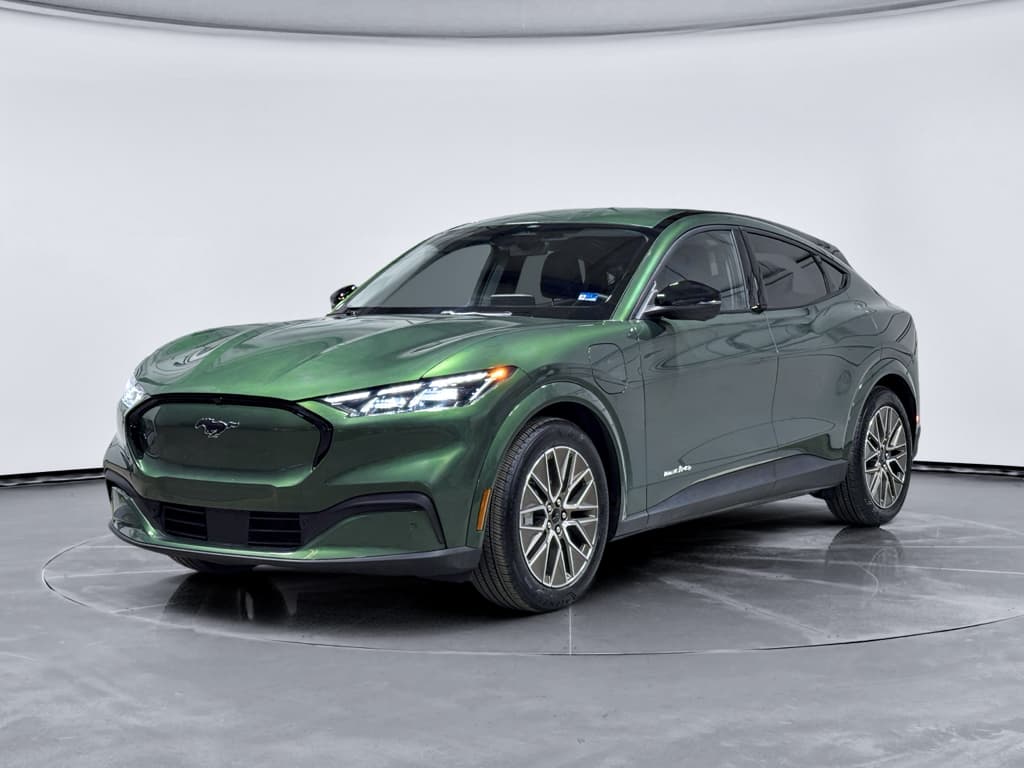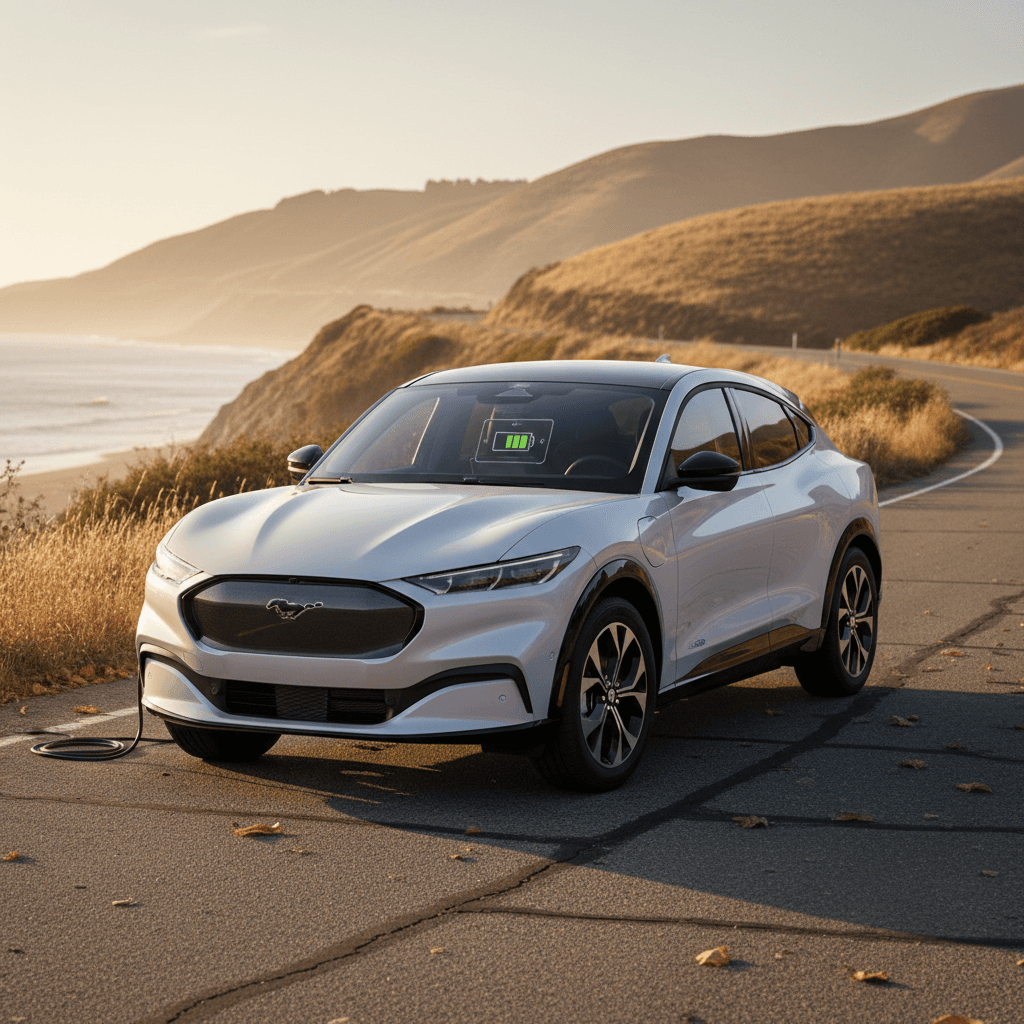
If you’re cross-shopping electric SUVs, the Ford Mustang Mach-E is almost impossible to ignore. But the same things that make it compelling, strong performance, bold styling, aggressive pricing, also come with real trade-offs. This guide walks through the Ford Mustang Mach-E pros and cons in plain English so you can decide if it fits your life, whether you’re buying new or shopping the used market.
Quick Take
Ford Mustang Mach-E at a Glance
Mustang Mach-E Fast Facts (Recent Model Years)
Across its trims, Select, Premium, GT, and the Rally variant, the Mach-E spans from practical family EV to legitimately quick performance crossover. Recent updates have improved range, power, and charging times, and Ford has added access to Tesla Superchargers via a NACS fast-charging adapter, which meaningfully improves road-trip usability for U.S. drivers.
Key Pros of the Ford Mustang Mach-E
Pro: Performance and Driving Dynamics
Let’s start with the thing that justifies the Mustang badge: how it drives. Even base rear‑wheel‑drive models feel more engaging than many electric crossovers thanks to quick torque, well‑weighted steering, and a rear‑biased feel. Step up to a GT or Rally model and you’re looking at up to around 480 hp with 600–700 lb‑ft of torque and 0–60 mph runs near or below 4 seconds, sports‑car performance in a family SUV footprint.
- RWD layout on many trims gives a playful, natural feel compared with front‑drive‑based EVs.
- Low center of gravity from the battery pack helps cornering and stability.
- Multiple drive modes let you dial in throttle response and steering weight.
- GT and Rally trims genuinely compete with performance EVs that cost more.
Driving Tip
Pro: Competitive Range and Growing Charging Options
Range used to be a weak spot for some legacy‑OEM EVs, but the Mach-E has largely caught up. With the extended‑range battery and rear‑wheel drive, recent Premium models are EPA‑rated up to about 320 miles of range, while standard‑range and all‑wheel‑drive versions land closer to the mid‑200s to ~300 miles depending on trim. That’s squarely competitive with Tesla Model Y, Hyundai Ioniq 5, and Kia EV6 on paper.
Everyday Charging: Where the Mach-E Shines
Home charging is where most owners will feel the benefits
Home Charging Friendly
The Mach-E supports up to Level 2 home charging, adding roughly 20–30+ miles of range per hour with a 40–48A charger, depending on battery and conditions.
Improved DC Fast Charging
Updates to the battery and charging profile cut 10–80% DC fast‑charge times to the low‑to‑mid‑30‑minute range on recent models, making road trips more realistic.
Access to More Networks
Through Ford’s BlueOval Charge Network and NACS adapter support, you can tap into major public networks plus many Tesla Supercharger sites for added flexibility.
Real-World Range Note
Pro: Design, Interior Space, and Tech
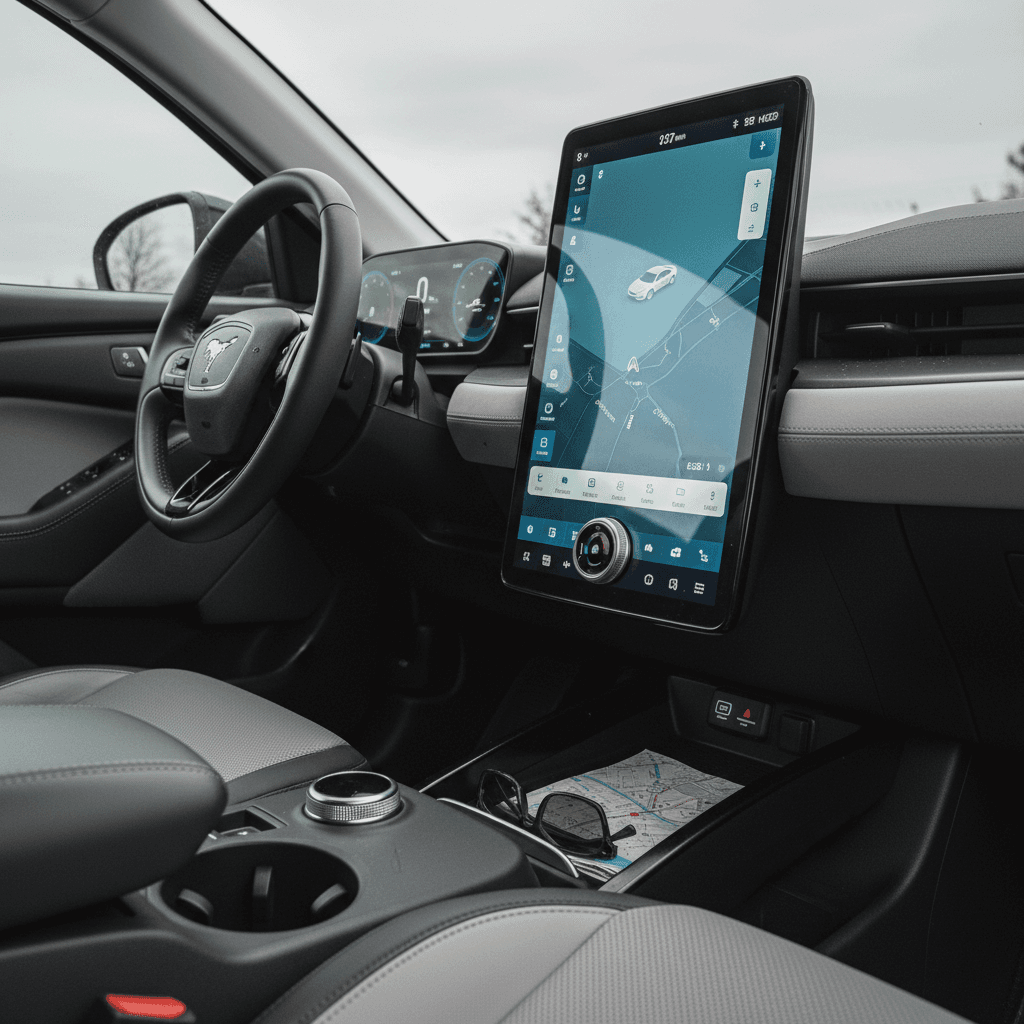
Love it or hate it, the Mach-E’s styling stands out. It borrows just enough Mustang cues, long hood, tri‑bar taillights, fastback roofline, to feel special, without sacrificing the upright seating position and cargo space buyers expect in a compact SUV. Inside, the flat floor and hatchback layout make it easy to use as a primary family car.
- Cabin space is generous for four adults; the rear seat is usable for taller passengers, though the sloping roof can pinch headroom for the tallest.
- Cargo space is competitive with other compact EV SUVs, with a wide rear opening and split‑fold rear seats.
- The large central touchscreen with Ford’s latest SYNC software feels modern and generally responsive, especially in later model years.
- Available panoramic glass roof and premium audio make the cabin feel airy and upscale.
Design Win
Pro: Ownership Costs and Incentives
Total cost of ownership is one of the Mach-E’s under‑appreciated strengths, especially if you’re buying used. Electricity is typically cheaper per mile than gasoline, and EVs have fewer wear items than ICE vehicles. Ford’s battery warranty (generally 8 years/100,000 miles on the high‑voltage pack) adds a safety net, and many U.S. buyers can still access federal or state incentives on new or used EVs depending on current rules.
Ownership Advantages to Factor In
Lower Fuel Costs
Charging at home, especially off‑peak, can cut your per‑mile energy cost well below a comparable gas SUV, often to just a few cents per mile depending on local rates.
Less Routine Maintenance
No oil changes, fewer filters, and no exhaust system. You’ll mainly budget for tires, brakes (which wear slowly thanks to regen), and standard checks.
Warranty Coverage
Ford’s EV component coverage helps de‑risk early years of ownership. For used buyers, check in‑service dates and mileage to see what’s still in effect.
Potential Incentives
Depending on your income, location, and whether the car is new or used, you may qualify for tax credits or rebates that improve the value equation.
Key Cons of the Ford Mustang Mach-E
Con: Charging Speed Still Lags Best-in-Class
The Mach-E’s DC fast charging has improved, but it still isn’t the benchmark. Peak charging power tops out around 150 kW on long‑range packs, and while recent updates have pulled 10–80% times into the low‑30‑minute range, Hyundai/Kia’s 800‑volt platforms and many Tesla models still charge faster in the real world.
Where It’s Acceptable
- For occasional road trips or modest daily driving, 30–40 minutes to add a big chunk of range is workable.
- If you primarily charge at home and only fast‑charge a few times a month, you may barely notice the difference vs. faster competitors.
- Access to Tesla Superchargers via NACS adapters helps compensate by improving station availability and reliability.
Where It’s a Problem
- If you road‑trip frequently on sparse charging corridors, slower DCFC sessions stack up.
- When stations are busy, a long session can mean waiting in line and waiting to charge.
- Compared with the quickest‑charging EVs, you’ll spend noticeably more time parked at chargers on cross‑country drives.
Road-Trip Reality Check
Con: Ride Quality and Noise Trade-offs
Ford leaned toward a sporty tuning for the Mach-E. That keeps body motions in check but also means a firmer ride than some competitors, especially on 19‑ or 20‑inch wheels. On broken pavement, the suspension can feel busy, and you’ll hear more impact noise than in softer‑tuned EVs.
- GT and Rally models, with performance tires and stiffer setups, can feel harsh on rough roads.
- Wind and road noise are reasonable but not class‑leading; Tesla and some Korean competitors can be quieter at highway speeds.
- If you’re coming from a softly sprung crossover, test‑drive on your worst local roads before committing.
Con: Software Glitches and Recalls
Like most modern EVs, the Mach-E is a rolling computer network, and that’s been a double‑edged sword. Owners have reported infotainment freezes, laggy touch responses, and occasional driver‑assist quirks, especially on earlier model years. Ford has issued multiple software updates and recalls, including a large recall related to rearview camera software that affected Mach-E and other Ford models, with many fixes delivered via over‑the‑air updates.
Why This Matters
Con: Packaging Compromises and Frunk Changes
EVs often use their under‑hood space for a front trunk, or “frunk.” Early Mach-E models offered a reasonably useful frunk, but later revisions shrank its size to make room for a heat pump and, for the 2026 model year, Ford has even made the finished frunk an extra‑cost option on some trims. Without it, you’re left with exposed components rather than a tidy storage bin.
- Later‑model Mach-Es provide less useful frunk space than some earlier years and rivals.
- The sloping roofline eats into rear headroom compared with boxier EV crossovers.
- Door‑mounted electronic latches and lack of traditional handles take a little getting used to and can be frustrating for some passengers.
Model-Year Differences
Ford Mustang Mach-E vs Key Rivals
How the Mach-E Stacks Up Against Popular EV SUVs
High-level comparison of the Mach-E with three of its most‑shopped rivals.
| Model | Core Strengths | Core Weaknesses | Best For |
|---|---|---|---|
| Ford Mustang Mach-E | Engaging to drive; strong value used; solid range; broad dealer network | DC fast charging not best‑in‑class; firm ride; some software/recall noise | Drivers who value fun and style without Tesla pricing |
| Tesla Model Y | Supercharger access; very efficient; strong performance; OTA software polish | Interior fit/finish complaints; price volatility; minimal physical controls | People who prioritize charging network and efficiency |
| Hyundai Ioniq 5 | Ultra‑fast 800‑V charging; comfortable ride; distinctive design | Less sporty; dealer markups can be an issue; availability varies | Road‑trippers and comfort‑focused buyers |
| Kia EV6 | Sporty feel plus fast charging; sharp styling; good range | Rear visibility; sometimes firm ride; dealer experience can be mixed | Enthusiasts who also care about DCFC speed |
Use this as a directional guide, exact specs vary by trim and year.
How to Use This Comparison
Who the Mustang Mach-E Is Great For (and Who Should Skip It)
Is the Mach-E a Good Fit for You?
Match your driving profile to the car’s strengths and weaknesses
Good Fit If…
- You want an EV that’s fun to drive but still practical for family duty.
- You can install or consistently access Level 2 home charging.
- Most of your driving is commuting, errands, and regional trips, not constant cross‑country road‑tripping.
- You’re comfortable with a slightly firmer, sportier ride.
Maybe Skip If…
- You need the absolute fastest DC fast charging available today.
- You’re extremely sensitive to ride harshness or cabin noise.
- You strongly prefer a very boxy, high‑roof SUV shape for rear headroom and cargo.
- You’re already stressed by tech glitches and want the simplest possible interface.
Buying a Used Mustang Mach-E: Extra Pros & Cons
In the used market, the Mustang Mach-E can be an especially compelling value. Early depreciation plus improving software and charging performance over time mean you can often get a lot of EV for the money, if you know what to look for.
Used Mustang Mach-E: What to Watch
1. Battery Health and DCFC History
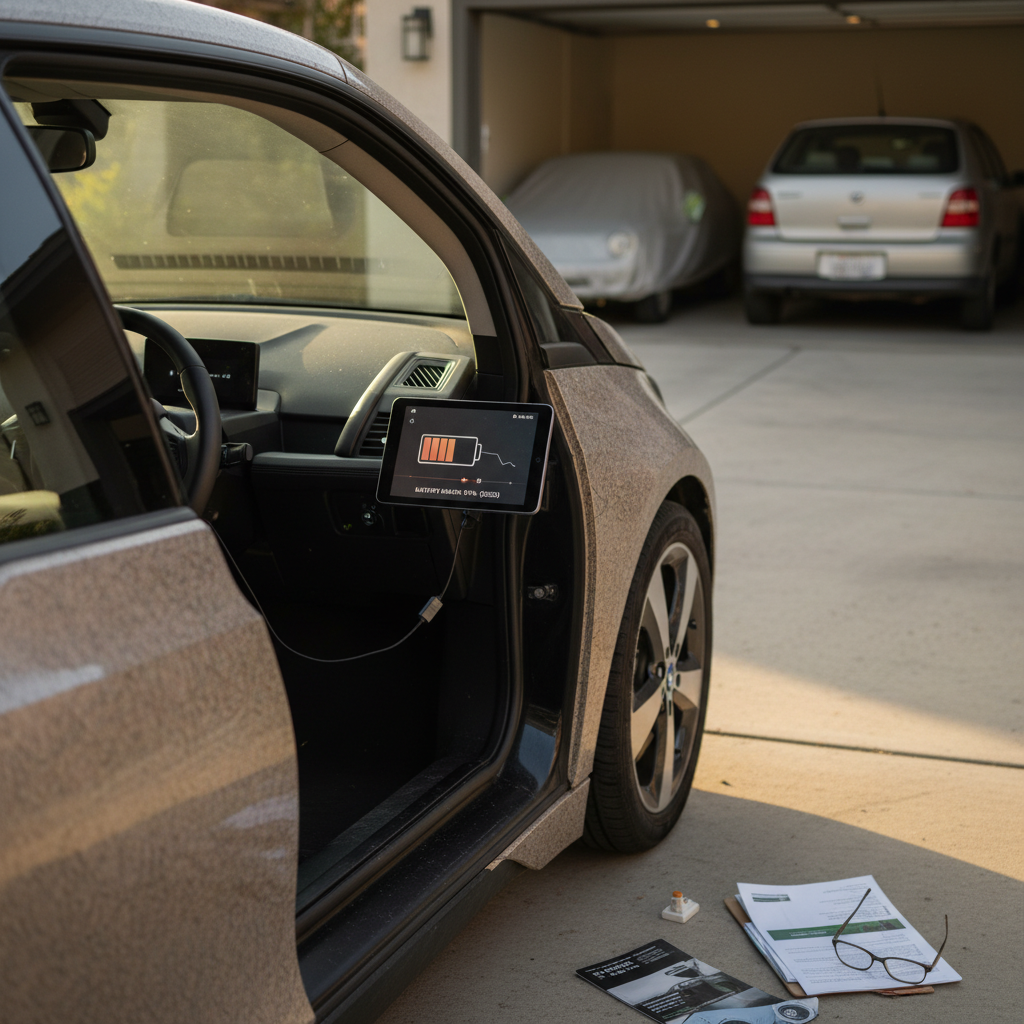
Ask for battery health documentation if available. Frequent DC fast charging isn’t necessarily a deal‑breaker, but you’ll want transparency. At Recharged, every vehicle comes with a <strong>Recharged Score battery health report</strong> so you can see real‑world pack condition, not just a guess.
2. Recall and Software Status
Confirm that major recalls, especially camera, high‑voltage contactor, and software‑related campaigns, have been addressed. A well‑maintained Mach-E should be fully up to date on OTA and dealer‑applied fixes.
3. Charging Hardware and Cables
Make sure the factory mobile charger, any included Level 2 equipment, and (if applicable) fast‑charging adapters are present and in good condition. Replacing lost hardware can get expensive quickly.
4. Tires, Brakes, and Suspension
Performance‑oriented EVs can be hard on tires. Inspect tread depth and look for uneven wear that might indicate alignment issues. On a test drive, listen for clunks or rattles over bumps.
5. Interior Wear and Tech Functionality
Check every door handle, latch, seat adjuster, and infotainment function. Test Apple CarPlay/Android Auto, driver‑assist features, and the rear camera to ensure everything works consistently.
How Recharged Can Help
Ready to find your next EV?
Browse VehiclesFord Mustang Mach-E Pros and Cons: FAQ
Frequently Asked Questions About Mustang Mach-E Pros & Cons
Bottom Line: Should You Buy a Mustang Mach-E?
The Ford Mustang Mach-E is not a perfect EV, but it doesn’t need to be. Its combination of engaging performance, solid range, and increasingly attractive pricing makes it one of the most compelling electric SUVs on the U.S. market, especially as a used buy. Its biggest downsides, charging speed, a firm ride, and some software/recall baggage, are real but manageable if you go in with clear eyes.
If you mostly drive locally, can rely on home charging, and want something that still feels like a driver’s car, the Mach-E belongs on your shortlist. If you’re shopping used and want a data‑driven view of battery health and value, consider browsing Mustang Mach-E listings on Recharged, where every EV includes a Recharged Score Report, expert EV guidance, and options for trade‑in, financing, and delivery. That way, you’re not just betting on a badge, you’re making an informed, transparent decision about your next EV.