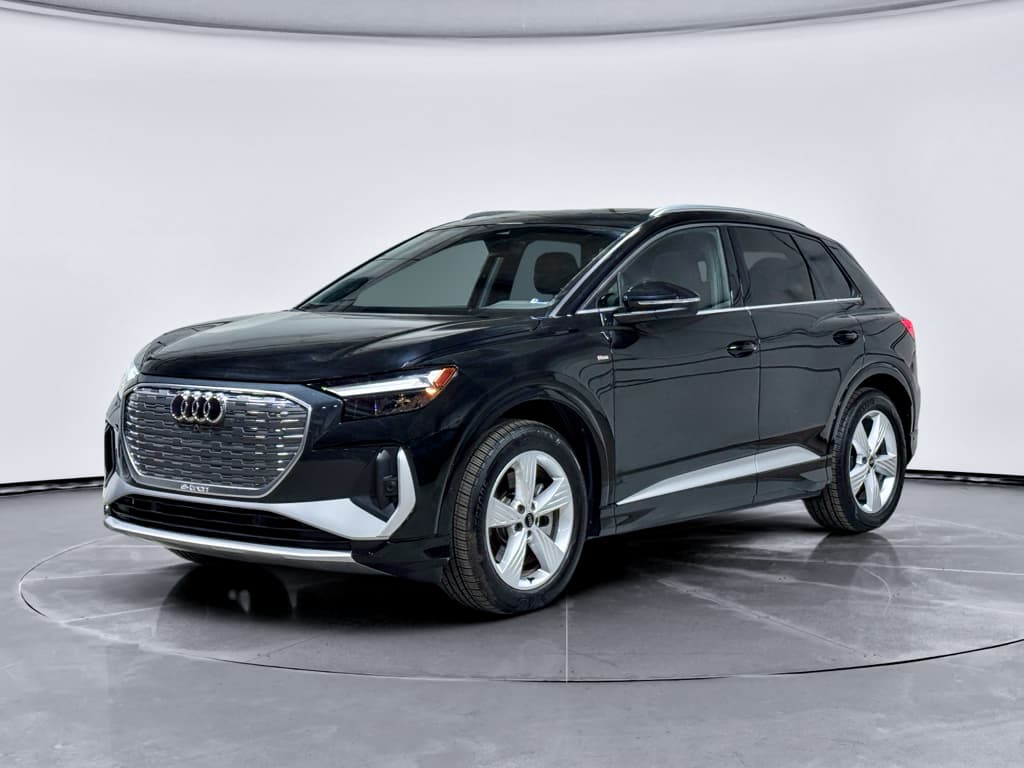
Selling an Audi e-tron GT isn’t like unloading a regular used sedan. You’re dealing with a six‑figure luxury EV that depreciates quickly, has a complex battery pack, and attracts buyers who ask sharp questions about technology, range, and warranty. With the right strategy, though, you can turn that complexity into confidence, and real money, instead of leaving thousands on the table in a rushed trade‑in.
Luxury EVs play by different rules
Why selling an Audi e-tron GT is different
A new e-tron GT often starts life in the low six‑figure range. By years 3–5, it has usually lost a large chunk of that on paper, which makes it look like a screaming deal to used buyers, and a painful hit if you’re the one selling. At the same time, it’s a low‑volume, tech‑heavy car, so serious shoppers expect clear answers on battery health, charging behavior, and warranty status before they commit.
Audi e-tron GT: what buyers care about most
Tip 1: Know your e-tron GT’s real market value
Before you write a single word of your listing, get grounded in reality. The e-tron GT is a niche, high‑MSRP car with steep initial depreciation, and generic pricing tools often lag behind fast‑moving EV values.
How to zero in on a realistic asking price
Check EV‑savvy valuation tools
Start with trusted pricing sites, but don’t stop there. Look specifically at recent sales and listings for 2021–2024 e-tron GTs that match your trim (Prestige, RS, etc.), mileage, and options.
Search real listings, not just algorithms
Look at actual asking prices, and more importantly, how long those cars have been listed. A car that sits for 60 days at a price point is telling you something.
Account for packages and wheels
Carbon roof, performance pack, ceramic brakes, and 21‑inch wheels can move the needle. Spell them out in your notes so you don’t price yourself like a base car.
Be honest about mileage and condition
A clean 18,000‑mile car with no paintwork is in a different league than a 45,000‑mile example with curb rash and a repaired fender. Price accordingly.
Pick your negotiation room
Decide how much margin you want above your “walk‑away” number, typically $1,500–$3,000 for a car at this price point, then set your initial ask there.
Anchor your price with documentation
Tip 2: Make battery health your hero stat
For most Audi e-tron GT buyers, the battery is the make‑or‑break question. Range and long‑term health matter more than a few tiny rock chips. If you lead with solid battery documentation, you instantly separate your car from anonymous dealer listings that say nothing beyond “battery good.”
Ways to prove your e-tron GT’s battery health
Pick at least one, ideally two, to reassure serious buyers
Professional battery health report
Ask an EV‑literate shop or marketplace to run a battery health diagnostic. Recharged, for example, includes a battery health score on every car it lists, based on usable capacity and DC fast‑charging history.
Screenshots from the car
Photograph the range display at 100% charge and the energy or battery menu. This gives buyers a real‑world sense of usable range, not just brochure numbers.
Charging history & habits
If you’ve mostly charged at home on Level 2 and rarely lived at 100% or 0%, say so. Responsible charging habits suggest slower long‑term degradation, which smart buyers appreciate.
Don’t exaggerate range
Tip 3: Use warranty and service history as confidence builders
High‑end EV buyers are buying peace of mind as much as performance. Your job is to show that the car has been cared for and still has meaningful coverage left.
- Gather the factory warranty details for your model year, especially the high‑voltage battery coverage, which on recent e-tron models is typically 8 years/100,000 miles from the in‑service date.
- Print or save a PDF of your service history: annual inspections, software updates, tire rotations, and any repair work. Buyers love seeing that you followed Audi’s recommendations.
- If your car is still under Audi’s new‑car or CPO warranty, or has a transferrable extended warranty, state the exact expiration date and mileage in your listing.
- Note any open recalls you’ve already had addressed and keep the paperwork handy. Nobody wants to discover a battery‑related recall from a third‑party search after the fact.
Turn warranty into a selling line
Tip 4: Detail your e-tron GT like a luxury EV
An Audi e-tron GT that looks like it’s been loved is far easier to sell, and easier to justify a strong price on. You don’t need a concours detail, but you do need more than a drive‑through wash.
Pre‑sale detailing checklist for an Audi e-tron GT
Deep interior clean
Vacuum everything, clean the carpets, and gently wipe down the leather or leather‑free seats, steering wheel, screens, and console. EV buyers are especially sensitive to wear on high‑tech cabins.
De‑clutter completely
Remove child seats, charging cables you’re not including, toll tags, and spare sunglasses. A clean, empty car feels newer and less personal, which helps buyers picture it as theirs.
Restore wheels and tires
Have curb rash professionally repaired if it’s bad, clean the brake dust off those big wheels, and dress the tires. On a performance EV, wheels are one of the first things shoppers inspect.
Address small paint issues
A good detailer can improve light swirls and minor scratches. For deeper damage, get one quote for touch‑up or paintless dent repair, you may decide a few hundred dollars is worth removing a bargaining chip.
Show the charging port
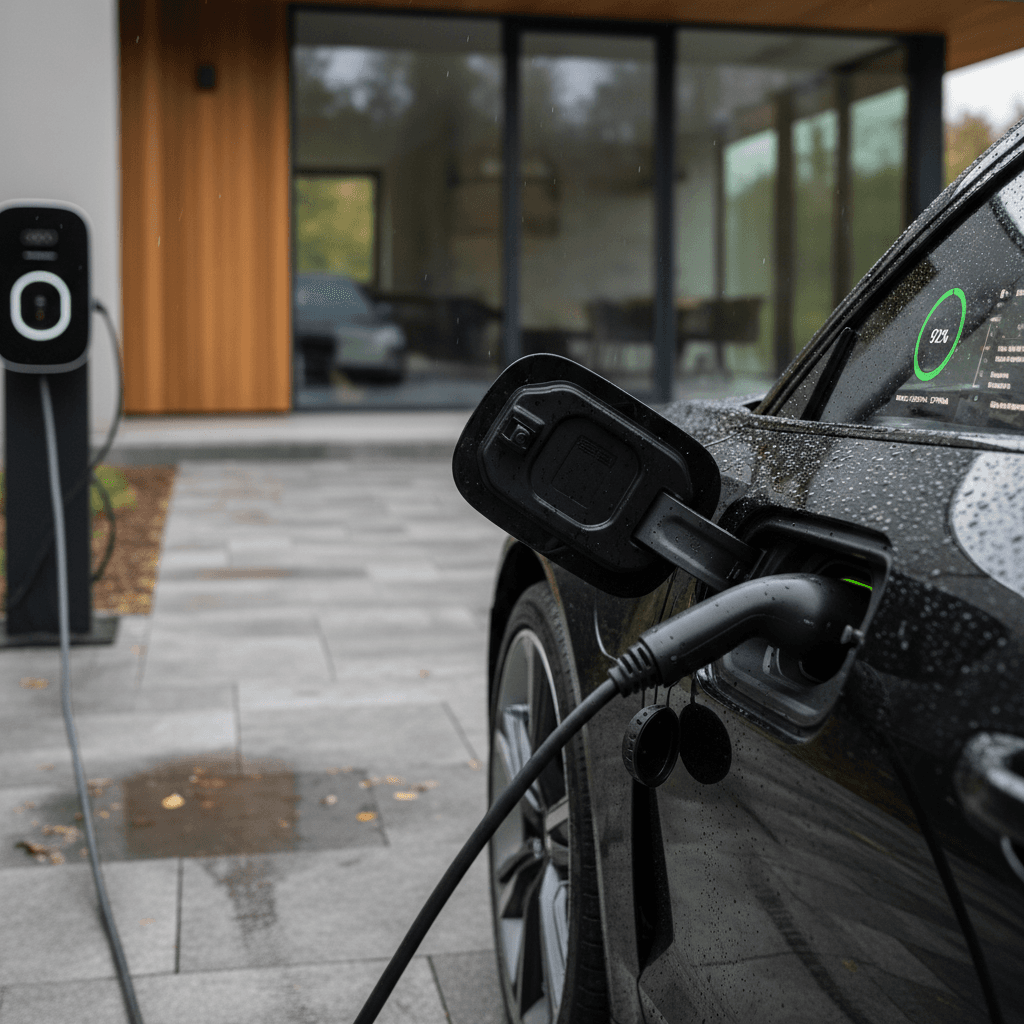
Clean around the charging port door and hinge. A tidy, corrosion‑free port with a clean rubber seal makes the car feel well cared for at its most EV‑specific touchpoint.
Don’t forget the frunk and trunk
Tip 5: Take photos that sell, not just show
Most buyers will meet your Audi e-tron GT for the first time on a phone screen. Great photos can put you at the top of their list before they even compare prices.
Essential photo checklist for your Audi e-tron GT listing
Aim for 20–30 clear, well‑lit photos that tell a story of condition, care, and EV readiness.
| Category | Must‑have shots | Tips |
|---|---|---|
| Exterior | Front 3/4, rear 3/4, both sides, straight‑on front and rear, wheels close‑ups | Shoot at golden hour if you can, and leave enough space around the car so buyers can see stance and paint condition. |
| Interior | Driver’s seat, dashboard, center console, rear seats, headliner, door panels | Show screens fully lit with no warning lights, and take a wide shot from each rear door. |
| EV details | Charging port open, charge cable and connector, charge port on charger side if you have Level 2 at home | Show the car plugged in if possible, it subtly reassures buyers that everything works. |
| Odometer & screens | Digital cluster with mileage, battery/energy screen, range at typical state of charge | Include one photo at 80–100% charge with range shown to back up your battery‑health claims. |
| Flaws | Any curb rash, paint chips, scuffs, interior wear | Photograph blemishes honestly. Buyers are far less upset by known flaws than by surprise flaws. |
Good photos reduce time‑wasting questions and make serious buyers more comfortable traveling for your car.
Tip 6: Write an EV‑specific listing that answers questions up front
The worst listings say, “Great car, runs perfect.” That might work for a $6,000 commuter, but not for a six‑figure EV when it was new. Your goal is to write a listing so complete that serious buyers only have two questions left: when they can see it, and how you’ll handle payment.
Key facts to include
- Year, trim, and major options (Prestige, RS, Performance package, carbon roof, 21‑inch wheels).
- Mileage and ownership history (original owner vs. CPO, why you’re selling).
- Battery and range: real‑world highway and mixed‑driving range, plus any battery health reporting you have.
- Charging habits: mostly Level 2 at home? Regular DC fast charging? Buyers will ask, answer it now.
- Warranty status: exact dates/miles for basic and battery warranties, any extended or CPO coverage.
EV‑specific extras that help you stand out
- Whether Plug & Charge, route planning, or over‑the‑air updates are enabled and working.
- Any included accessories: home wallbox, portable Level 2 charger, extra NEMA adapters, floor mats.
- Recent software updates or dealer visits, especially if they improved charging behavior or efficiency.
- Links or references to independent battery checks or a marketplace report, such as a Recharged Score, if you’ve had one done.
- Notes on how the car behaves in winter: cold‑weather range and any preconditioning habits.
Use buyer language, not brochure copy
Tip 7: Choose the right selling channel for your situation
Not every Audi e-tron GT seller has the same priorities. Some want every last dollar; others want the car gone by next weekend. The right selling channel depends on how you trade off time, effort, and money.
Where to sell your Audi e-tron GT
Match the channel to your timeline and risk tolerance
Private party
Best for: Maximizing price when you have time.
Pros: Highest potential sale price, especially with strong battery docs and photos.
Cons: You handle everything: screening, test drives, paperwork, and payment safety.
Dealer trade‑in
Best for: Convenience when buying another car immediately.
Pros: Fast, low‑stress, sales tax advantages in some states.
Cons: Usually the lowest dollar amount, and many dealers undervalue complex EVs.
EV‑focused marketplace
Best for: Selling a high‑end EV with expert help.
Pros: Platforms like Recharged specialize in used EVs, offer battery health diagnostics and a Recharged Score, help with pricing, marketing, and even nationwide buyers.
Cons: May involve listing fees or a commission, but often still nets more than a generic trade‑in.
You can mix and match
Tip 8: Screen buyers and protect your time
A well‑written Audi e-tron GT listing will attract plenty of attention, and not all of it serious. Screening politely but firmly keeps you safe and sane.
- Use your ad to filter out low‑effort buyers by being clear about price firmness, location, and no joyrides.
- Ask initial inquiries to share their full name and how they plan to pay (cashier’s check from their bank, wire transfer, financing through their credit union, etc.).
- Be wary of anyone who dodges basic questions, wants to ship the car sight unseen with over‑complicated payment, or pressures you to move off‑platform too quickly.
- When you schedule a viewing, choose a public, well‑lit location, a bank branch or police‑station parking lot is ideal, and bring a friend if possible.
Red flags to walk away from
Tip 9: Handle test drives safely, especially with an EV
A 500‑plus‑horsepower, all‑wheel‑drive EV will expose bad driving habits instantly. You want your buyer to experience the e-tron GT’s performance without putting your car, or yourself, at risk.
Safe, professional test‑drive process
Verify identity first
Before handing over the key, check a valid driver’s license and snap a photo with their permission. If they’re using their own insurance, confirm coverage.
Set clear ground rules
Explain up front: no full‑throttle launches on cold tires, no disabling traction or stability control, and no aggressive driving in neighborhoods. You ride along in the front passenger seat.
Choose a smart route
Plan a 10–15 minute loop with a mix of surface streets and a short highway stretch so they can feel acceleration, braking, and ride quality without chaos.
Explain EV behavior as you go
Point out regen levels, one‑pedal feel, and how the car manages power. Many buyers are new to high‑performance EVs; you’re their first teacher.
Check the car afterward
After the drive, walk around the car together and confirm there’s no new damage. It only takes a minute and avoids awkward “was that there before?” debates.
Tip 10: Get paid securely and handle paperwork cleanly
The only thing scarier than handing over the keys to your Audi e-tron GT is wondering whether the money is real. A clear payment plan removes most of the stress.
Safer payment options
- Wire transfer: Meet at the buyer’s bank or your own. Confirm funds have landed in your account before signing over the title.
- Cashier’s check at the bank: Only accept a cashier’s check if you can call the issuing bank or deposit it in person and wait for confirmation.
- Buyer financing: If the buyer is using a credit union or lender, you may end up signing paperwork at that institution. Ask for the process in advance.
Paperwork checklist
- State title (or lender payoff letter if you still have a loan).
- Bill of sale with VIN, mileage, price, and both parties’ information.
- Any state‑specific release‑of‑liability forms so you’re not on the hook once the car drives away.
- Service records, warranty booklets, and both key fobs in a folder for the new owner.
Mind your loan payoff
Tip 11: Decide when to sell, now vs. wait
Timing matters with any car, but especially with luxury EVs that see rapid tech improvements. Newer battery chemistries, faster charging, and fresh facelifts can all nudge used values.
Should you sell your Audi e-tron GT now or later?
Questions to sanity‑check your timing
Reasons to sell sooner
- You’re within the first 3–5 years, before the battery warranty clock scares off risk‑averse buyers.
- You don’t use the performance or space and want something more efficient or practical.
- Newer models are adding range or features that will make yours look dated, and you’d rather exit before the next drop.
Reasons to wait
- You love the car and don’t have a replacement lined up, especially in a tight inventory moment.
- You’re upside‑down on a loan and can comfortably keep driving while equity catches up.
- Your mileage is low and you’re just outside a seasonal lull (for instance, you might wait until early spring to catch more shoppers).
Where Recharged fits in
FAQ: Selling an Audi e-tron GT
Frequently asked questions about selling an Audi e-tron GT
Bringing it all together
Selling an Audi e-tron GT is part detective work, part storytelling. You’re not just off‑loading a car, you’re convincing the next owner that this particular EV, with this particular history, is worth real money in a crowded market. When you ground your price in market data, lead with battery health and warranty, present the car at its best, and manage test drives and payment like a pro, you tilt the whole process in your favor.
If you’d rather not go it alone, Recharged is built for exactly this job. From battery‑health diagnostics and Recharged Score reports to expert pricing help, financing, trade‑ins, and even nationwide delivery, you can choose how hands‑on or hands‑off you want to be. Either way, the right preparation turns your e-tron GT from “complicated to sell” into a confident, well‑documented EV that smart buyers will line up to own next.