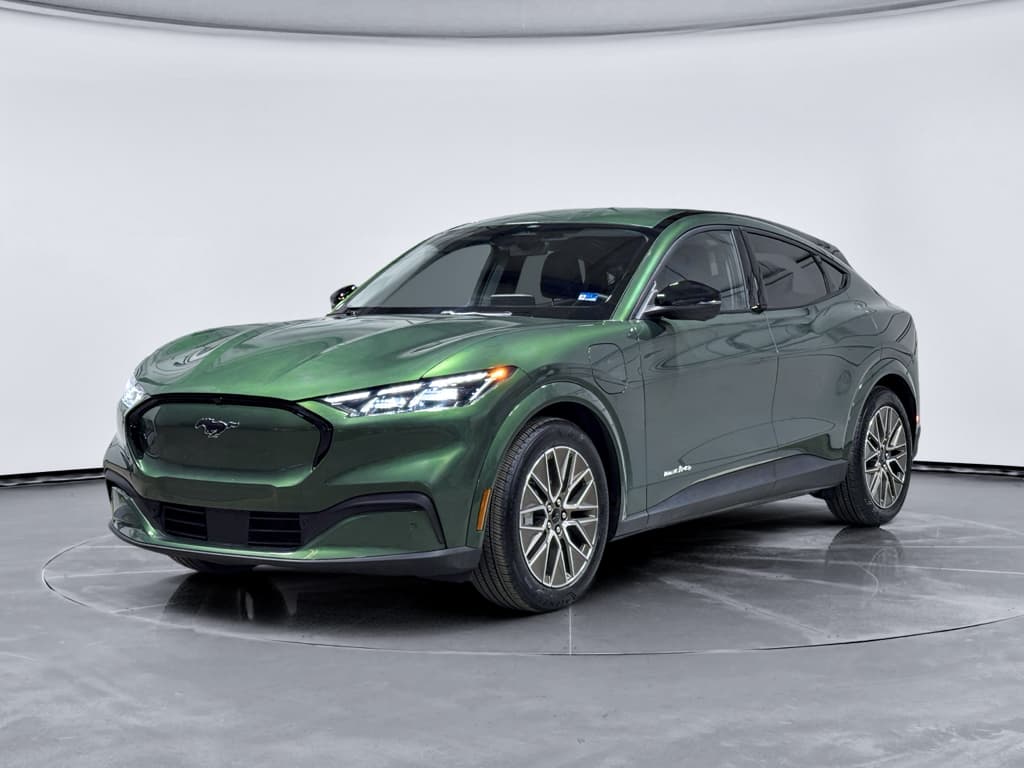
If you’re eyeing a used Ford Mustang Mach‑E, you don’t just want glossy marketing claims, you want to know what this EV is like after **two years of real‑world use**. How’s the battery holding up? What actually breaks? And is a 2‑ or 3‑year‑old Mach‑E a smart buy compared with a Tesla Model Y or Hyundai Ioniq 5?
How we built this 2‑year review
2‑Year Mustang Mach‑E Ownership at a Glance
What 2 Years With a Mustang Mach‑E Really Looks Like
A typical Ford Mustang Mach‑E owner who bought new in 2022 or 2023 and is now two years in has put on **roughly 10,000–15,000 miles per year**. For many, this is a commuter plus weekend road‑trip car, not just a city runabout. Feedback from owner communities shows two clear trends: day‑to‑day driving and range are mostly drama‑free, while software quirks and recalls can be the frustrating part of ownership.
What owners tend to love
- Instant torque and planted, rear‑drive feel even on non‑GT trims.
- Real‑world range that usually matches, or beats, EPA estimates in mild weather.
- Quiet, comfortable cabin that still feels like a Mustang more than an appliance.
- Over‑the‑air updates that gradually improve charging curves, driver aids, and interface polish.
What tends to annoy after 2 years
- Inconsistent phone‑as‑a‑key performance; many owners go back to the fob.
- SYNC 4A glitches or freeze‑ups requiring a steering‑wheel button reboot.
- Fast‑charging hiccups at some non‑Tesla stations and occasional "Charge Fault" messages.
- More recalls and software campaigns than many buyers expected from Ford.
Think like a second owner
Battery Health and Range After 2 Years
Battery anxiety is usually at the top of the list for any used‑EV shopper. The Mustang Mach‑E uses a liquid‑cooled NMC pack, Standard Range around 68 kWh and Extended Range around 88 kWh. Real‑world data so far suggests that **degradation is modest in the first 2 years**: many owners report 3–6% capacity loss initially, then a slower decline of roughly 1–2% per year as the chemistry settles.
How a 2‑Year‑Old Mach‑E Battery Typically Looks
Assuming normal driving and mostly Level 2 charging
Standard Range (RWD/AWD)
Originally rated around 210–250 miles depending on trim.
After ~2 years, many owners report usable range still in the 200–235 mile ballpark in mild weather.
Extended Range (RWD/AWD)
EPA ratings in the 260–310 mile zone, again depending on configuration.
After 2 years, it’s common to see 250–295 miles under similar conditions.
Warranty Coverage
Ford’s high‑voltage battery warranty is typically 8 years / 100,000 miles with at least 70% capacity guaranteed.
That safety net matters for second owners buying at year 2–4.
Cold weather & fast‑charging habits matter
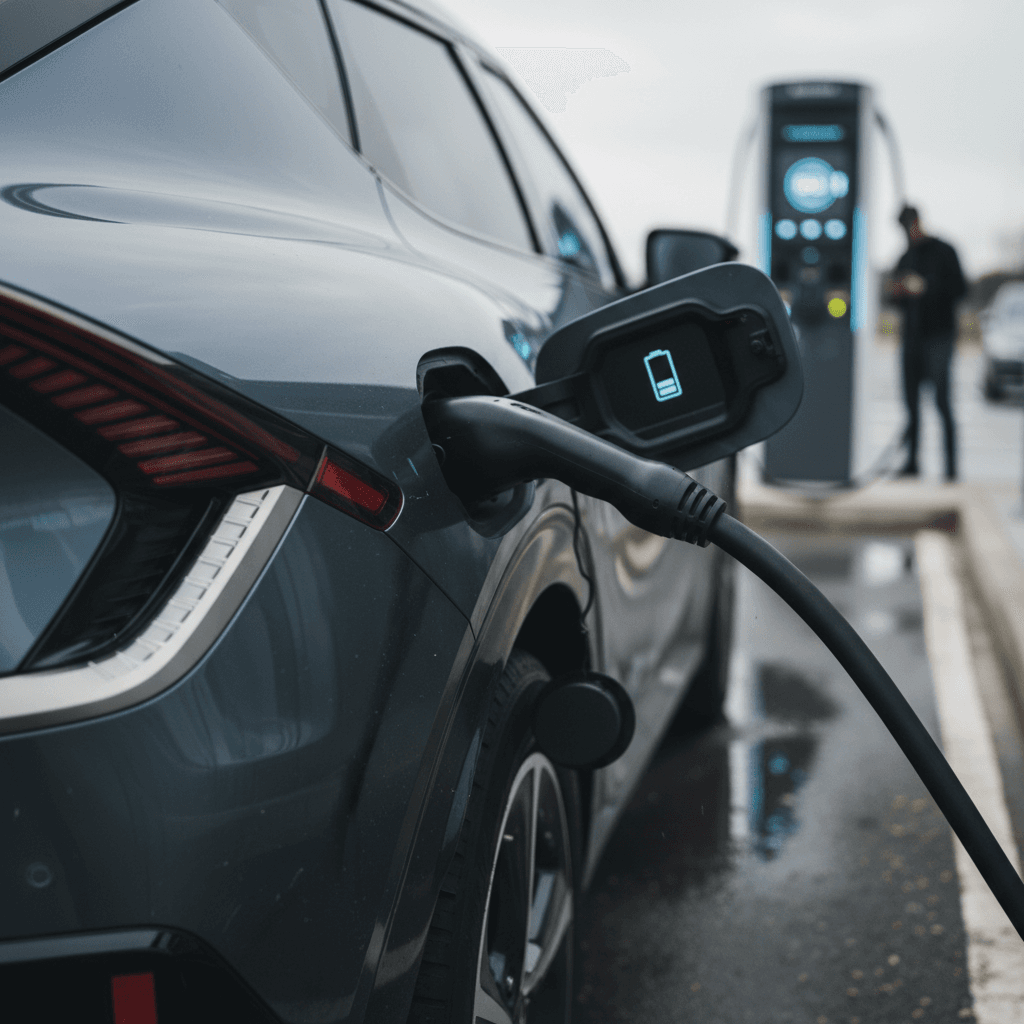
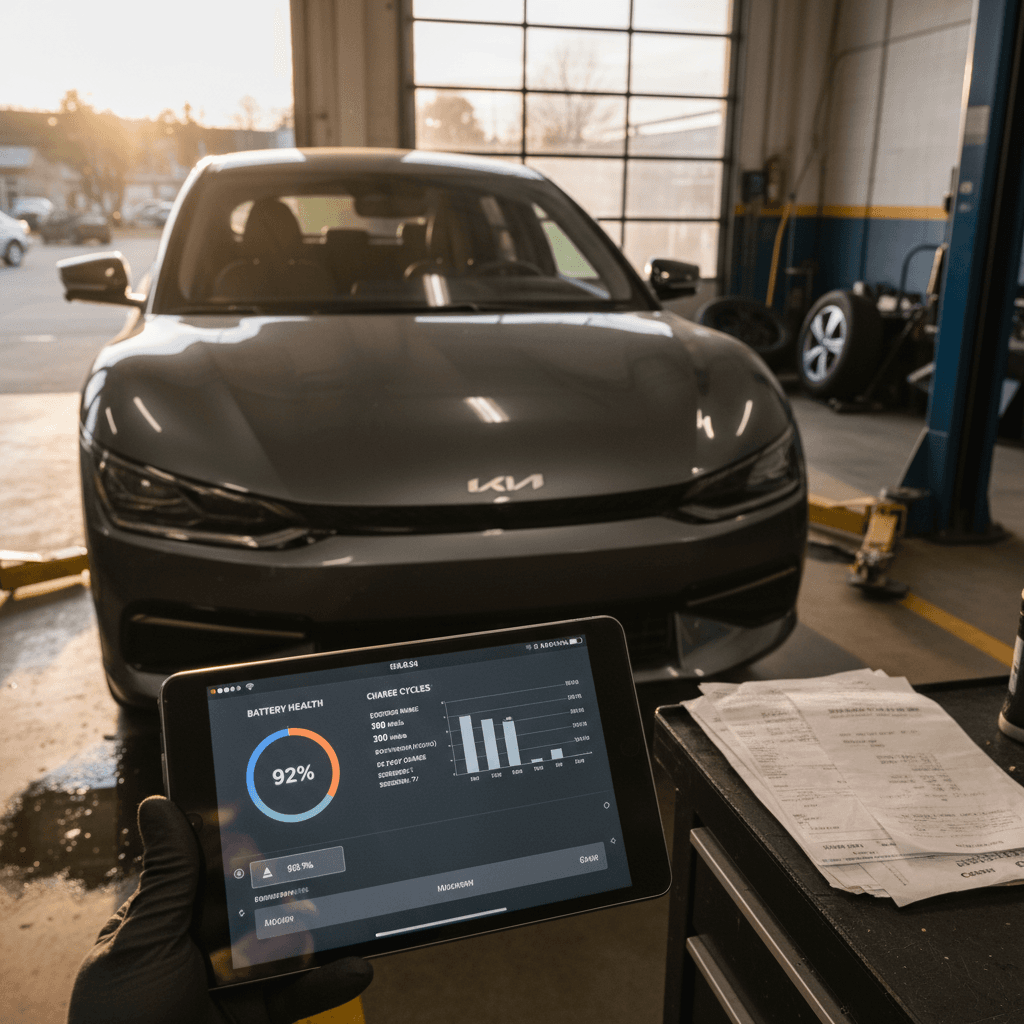
At Recharged, every Mach‑E listing includes a **Recharged Score battery health report**. We measure pack health directly rather than guessing from range estimates, so you can see if a particular car is typical, better, or worse than its peers before you buy.
Charging Experience: Home, Public, and Tesla Superchargers
Two years in, most Mach‑E owners have settled into a routine: slow and cheap charging at home, plus a mix of Electrify America, other CCS networks, and now Tesla Superchargers for road trips. The hardware in the car is fundamentally solid; nearly all the complaints are about the **networks and software handshakes**, not the onboard charger itself.
What charging looks like after 2 years of Mach‑E ownership
1. Home Level 2 is the foundation
Most owners install a 32–48A Level 2 charger at home, which adds roughly 25–30 miles of range per hour. Once that’s in place, daily driving feels nearly effortless.
2. Public CCS can be hit‑or‑miss
On older networks, especially some high‑power CCS stations, Mach‑E owners still report random "Charge Fault" errors or early session cut‑offs. Usually it’s a station problem, but it adds friction on long trips.
3. Tesla Supercharger access is a game‑changer
With Ford gaining access to the Tesla Supercharger network, many Mach‑E drivers now rely on NACS‑to‑CCS adapters for road trips. These sites are generally more reliable, but you must use a compatible adapter.
4. Software updates improve charging curves
Over‑the‑air updates have adjusted how the Mach‑E preconditions the battery and manages fast‑charging. Later software tends to reduce taper and shorten DC stop times compared with early 2021 builds.
5. Plan around winter and extreme heat
At two years in, owners in cold‑weather regions know to precondition the cabin and battery while plugged in and to expect slower charging speeds and 20–30% less winter range.
Used‑buyer tip: ask about adapters
Reliability, Recalls, and Common Issues
The Mustang Mach‑E has two personalities: mechanically, it’s been quite solid after the early teething issues; electronically, it has seen a **higher‑than‑average number of recalls and software campaigns**, especially on 2021–2022 builds. By the two‑year mark, most of the big problems will either have been fixed, or should be on your checklist.
Common Mustang Mach‑E Issues by Year 1–3 of Ownership
These are the issues most often reported in the first few years, especially on 2021–2023 models that you’re likely to see used today.
| Issue | How it shows up | How serious is it? | What to check on a used Mach‑E |
|---|---|---|---|
| High‑voltage junction box / contactor faults | "Stop Safely Now" warnings, sudden loss of drive power, especially after DC fast charging or hard acceleration. | High – can cause power loss while driving, but addressed through recalls and updated hardware/software. | Confirm all related recalls and service campaigns are completed; ask for service records. |
| Door latch / lock software faults | Rear doors may stay locked when 12V power is low, risk of rear passengers being trapped inside. | High – safety concern but typically fixed via software update. | Verify door latch recall is closed on the VIN; physically test all doors from inside and outside. |
| SYNC 4A freezes or black screen | Infotainment screen stops responding; climate/audio controls unavailable until reboot. | Annoying – rarely dangerous, but frustrating on long drives. | On a test drive, cycle the screen, try CarPlay/Android Auto, and check for smooth responsiveness. |
| Phone as a Key glitches | Car doesn’t unlock or start reliably with phone alone; "key not detected" messages. | Low – convenience issue; can be bypassed by using key fob. | Plan to use the key fob and set a door keypad code; don’t treat PaaK as mission‑critical. |
| 12‑volt battery failures | Random error messages, car won’t wake up, or refuses to go into gear. | Medium – can strand you, but fix is a standard 12V replacement. | Ask if the 12V battery has been replaced yet; on older builds, a fresh 12V is a positive sign. |
| Fast tire wear | Factory tires worn out by ~20,000–25,000 miles, especially on GT and AWD trims. | Medium – not a defect, but a cost surprise if you drive aggressively. | Inspect tread depth and sidewall condition; budget for early replacements on performance‑oriented trims. |
Not every car will have every problem, but you want proof that critical recalls were addressed.
Don’t ignore recall history
From a reliability standpoint, the story after two years is this: the **electric drivetrain and main battery pack have been robust**, while software, low‑voltage, and supplier issues have generated the headlines. As a used buyer, that’s actually good news, the stuff that’s expensive to fix has held up; the tricky part is verifying that the previous owner stayed on top of updates.
Comfort, Driving Dynamics, and Tech
Set aside the Mustang badge for a second. After two years of ownership, most drivers describe the Mach‑E as a **comfortable, quick, and refined EV crossover** rather than a traditional pony car. That’s not a criticism, just an honest description of how it’s used.
How the Mach‑E Feels to Live With After 2 Years
Insights drawn from long‑term tests and owner reports
Ride & handling
RWD models strike a good balance of comfort and control. GT and Performance Edition trims are legitimately quick, but their firmer ride and heavier wheels can feel harsh on broken pavement after the honeymoon period.
Interior & space
Two years in, owners consistently praise front‑seat comfort, cargo flexibility, and the lack of engine noise. Some report minor squeaks and rattles, but overall build quality is competitive with other mainstream EV crossovers.
Tech & UX
SYNC 4A’s huge portrait screen impresses at first. Over time, opinions split: some owners appreciate Ford’s UI and CarPlay support, others find it laggy compared with Tesla or Hyundai/Kia systems.
“Mechanically, my Mach‑E has been boring in the best way. The only drama has come from software bugs and recalls, not the motor or battery.”
Good news for used buyers
Ownership Costs: Tires, Maintenance, and Depreciation
An EV like the Mustang Mach‑E has far fewer moving parts than a gas crossover, so **routine maintenance is light** over the first two years: no oil changes, no spark plugs, no exhaust. Most scheduled service is just tire rotations, cabin air filters, brake inspections, and the occasional software update.
- Many Mach‑E owners report **front tires needing replacement around 20,000–25,000 miles**, especially on GT and AWD trims driven enthusiastically.
- Brake wear is minimal thanks to strong regenerative braking; pads can easily last 60,000+ miles if you use one‑pedal driving.
- Ford’s recommended service intervals are relatively simple, good for owners, but dealers sometimes upsell unnecessary items, so read the manual.
- Insurance costs depend heavily on region but are broadly in line with other $45,000–$60,000 EV crossovers.
- Electricity is usually far cheaper per‑mile than gas; owners who can charge off‑peak at home see the biggest savings.
Depreciation cuts both ways
On Recharged, that depreciation is exactly what we try to clarify. Our pricing tools benchmark each Mach‑E against the wider market, and every car includes a **Recharged Score** that factors in battery health, mileage, options, and condition, so you can see whether a specific 2‑year‑old example is fairly priced or a potential bargain.
Is a 2‑Year‑Old Mustang Mach‑E a Good Used Buy?
Viewed purely through a long‑term reliability lens, the Mustang Mach‑E sits in a sensible middle ground. It doesn’t have the decade‑long data of a Tesla Model 3/Y, but early results show **robust battery chemistry, a durable drivetrain, and issues that are mostly software‑fixable**. Where it shines as a used buy is the value proposition: you’re getting a modern, tech‑forward EV with Mustang character for considerably less than its original MSRP.
Why a 2‑year‑old Mach‑E makes sense
- Initial depreciation has already hit; you avoid the steepest value drop.
- Most early recalls and software campaigns have been completed.
- Battery and drivetrain track record is encouraging so far.
- Competitive range and charging speeds versus other used EVs.
- Distinct styling and driving feel versus more anonymous crossovers.
Reasons to be cautious
- Above‑average recall count means you must verify history carefully.
- Infotainment and PaaK glitches can be frustrating if you expect Tesla‑level polish.
- Fast tire wear adds to real‑world running costs, especially on performance trims.
- Charging infrastructure quality still depends heavily on where you live.
Who the used Mach‑E suits best
Used Mach‑E Checklist: What to Look For
If you’re serious about buying a used Mustang Mach‑E, especially one around two years old, go in with a plan. Here’s a focused checklist that blends owner experiences, recall history, and EV‑specific best practices.
Pre‑Purchase Checklist for a 2‑Year‑Old Ford Mustang Mach‑E
1. Verify recall and software campaign completion
Use the VIN to check Ford and NHTSA recall databases. On a test drive, confirm the infotainment, door latches, and driver‑assist systems behave normally. A Recharged listing will call out completed campaigns explicitly.
2. Get a real battery health assessment
Don’t rely only on the dash range estimate. Ask for a third‑party battery health check or a **Recharged Score** report that measures pack capacity and fast‑charging behavior versus similar Mach‑Es.
3. Inspect tires and brakes closely
Look for uneven wear (edge feathering, cupping) that might indicate alignment issues. On performance trims, budget for near‑term tire replacement if tread is low at 20,000–30,000 miles.
4. Test all doors, locks, and phone‑as‑a‑key
Unlock and open every door from inside and outside. Pair your phone, test PaaK, and set a keypad code. Any weird behavior should prompt questions about software version and recall status.
5. Stress‑test the infotainment system
Run navigation, Bluetooth or CarPlay/Android Auto, adjust climate controls, and switch between drive modes. You’re looking for lag, reboots, or freezes that may need a software refresh.
6. Review service and charging history
Ask where the car was charged (mostly home vs. public DC fast) and how often it sat at 100% state of charge. A mostly‑home‑charged car with regular software updates is ideal.
7. Clarify warranty transfer and coverage
Confirm how much of the 8‑year/100,000‑mile battery and EV component warranty remains. For higher‑mileage 2‑year‑old cars, that cushion can be a big part of the value equation.
How Recharged simplifies this checklist
Ford Mustang Mach‑E 2‑Year Ownership FAQ
Common Questions About 2‑Year‑Old Mustang Mach‑E Models
Two years in, the Ford Mustang Mach‑E has proven that Ford can build a credible, engaging electric crossover, with some software‑era growing pains. For used‑EV shoppers, that mix is actually encouraging: the expensive hardware has been dependable, depreciation is your friend, and most early missteps are fixable with software and recall work. If you pair a solid inspection with a verified battery‑health report, like the Recharged Score, you can get a lot of EV for the money in a 2‑year‑old Mach‑E, and enjoy the next six to eight years of battery warranty knowing exactly what you’re getting into.