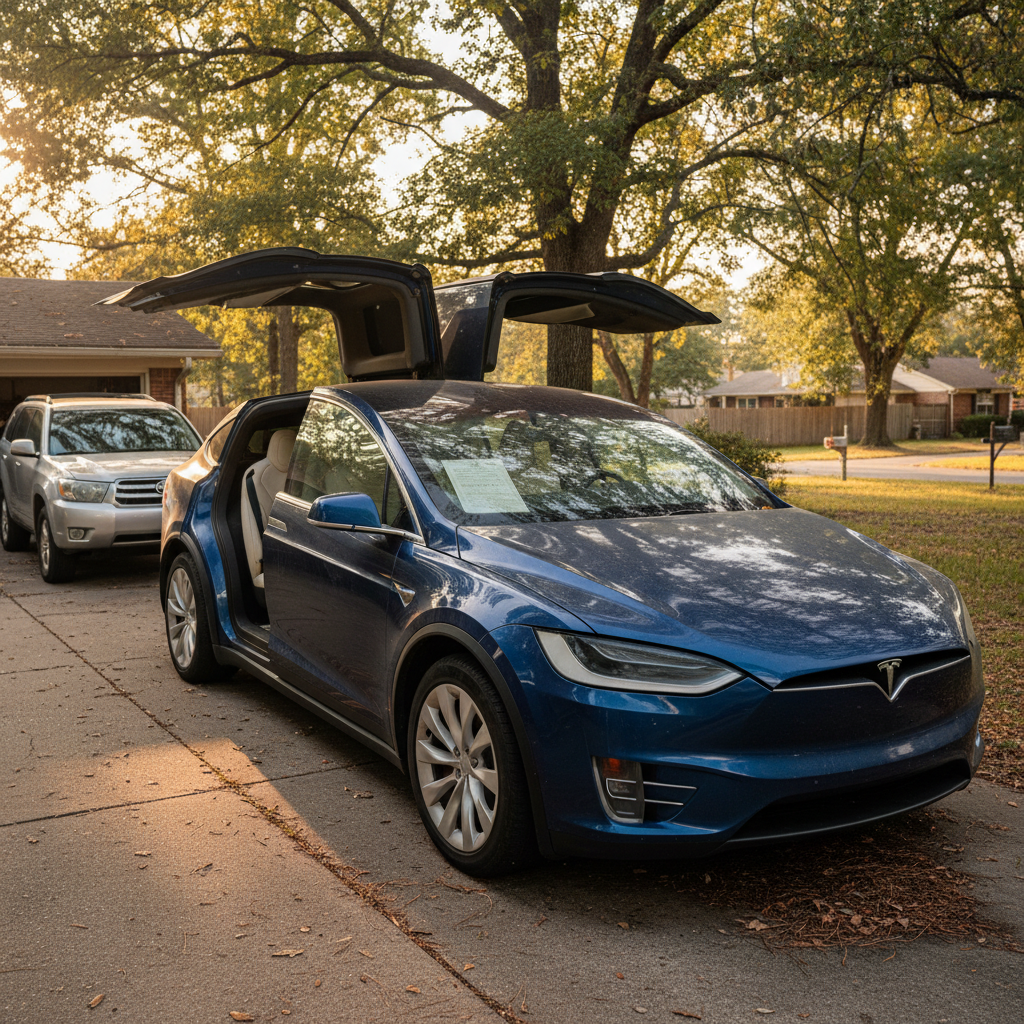
Choosing between the Tesla Model X 5 seat vs 6 seat vs 7 seat layout isn’t just a checkbox on the order form. It determines how much cargo you can haul, how happy your third‑row passengers are, and how easy everyday life feels in your EV, especially if you’re buying used and want to get it right the first time.
Three layouts, same basic vehicle
Why Model X seating choice really matters
On paper, the three Model X seating configurations can look similar. In reality, they serve different kinds of owners. If you routinely move four kids and their friends, the 6- and 7‑seat layouts shine. If you road‑trip with two people and a dog, the 5‑seater may be all the SUV you need, and it frees up more space for luggage.
Who each Model X layout is best for
Match the seating configuration to your real daily use, not just the rare edge case.
5-seat Model X
- Couples or small families (1–2 kids)
- Owners who prioritize cargo over people
- Frequent Costco/Home Depot haulers
6-seat Model X
- Families with 2–3 kids needing easy third-row access
- Carpoolers who want captain’s chairs
- Adults riding in all three rows
7-seat Model X
- Larger families or frequent carpool duty
- Maximum seats in minimal footprint
- Occasional use of a tighter third row
Model X 5 seat vs 6 seat vs 7 seat: quick overview
Tesla Model X seating configurations at a glance
High‑level differences between the 5-, 6- and 7‑seat Model X layouts.
| Configuration | Row Layout | Total Seats | Best For | Key Advantage | Key Tradeoff |
|---|---|---|---|---|---|
| 5-seat | 2 + 3 | 5 | Small families, couples, cargo-heavy use | Maximum cargo space and flat load floor | No third-row flexibility |
| 6-seat | 2 + 2 + 2 | 6 | Families who use all three rows often | Easy third-row access via captain’s chairs | Less contiguous cargo width with third row up |
| 7-seat | 2 + 3 + 2 | 7 | Larger families, carpools, short trips with many passengers | Maximum seating capacity | Tighter third row and more awkward access |
Use this as a starting point, then weigh it against your own passengers, cargo and commute.
Think about your 90%, not your 10%
Space and comfort: how each Model X layout feels
Front row: roughly the same for all
No matter which configuration you pick, the front row of a Model X feels similar. You get a high seating position, expansive glass, and generous legroom. The seating choice mainly changes what happens behind you, not up front.
Second row: bench vs captain’s chairs
- 5-seat & 7-seat: A three‑person bench in the second row. Good for squeezing in a third passenger, but the middle seat is narrower.
- 6-seat: Two individual captain’s chairs with armrests and a pass‑through to the third row. These seats are more comfortable for adults and give a premium feel.
If you regularly carry adults in the second row, the 6‑seat layout usually wins on comfort.
The 6‑seat Model X is often considered the sweet spot for comfort: every passenger gets a defined seat with more shoulder room, and nobody is stuck in the narrow middle of a bench. The tradeoff is losing the ability to fold a solid three‑wide second row for an occasional sixth or seventh passenger, because there is no bench in the middle to begin with.
Check for sliding vs fixed second-row seats
Cargo space and practicality for real life
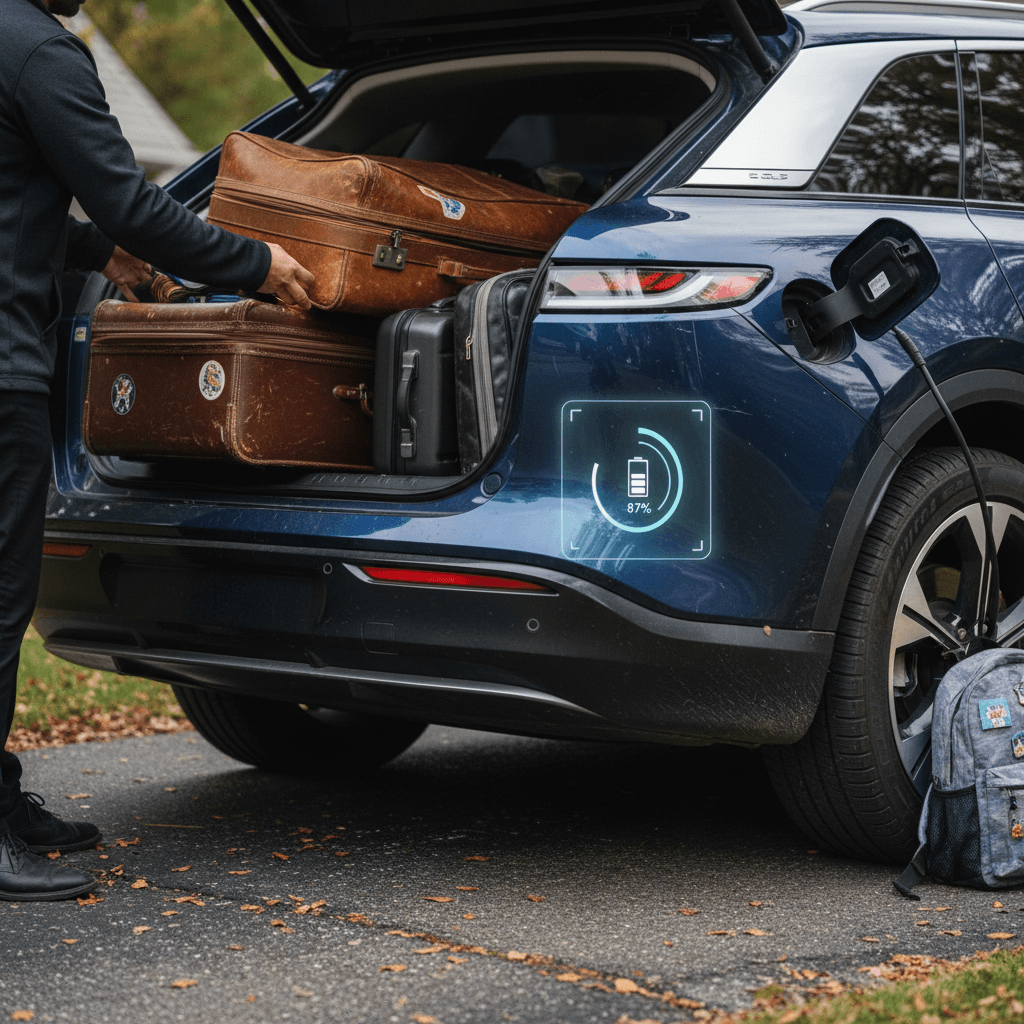
Tesla publishes official cargo numbers, but what matters is how easily you can load strollers, sports gear, dogs and luggage. Here’s how the three layouts behave once you start folding things down.
How each seating layout handles cargo
Think about your stroller, suitcases, golf clubs or skis, not just cubic feet on paper.
5-seat Model X
- Rear seats fold for a long, mostly flat load floor
- Easiest layout for bulky boxes or furniture
- Best choice if you often drive with only 1–2 passengers
6-seat Model X
- Third row down: good mix of passenger space and luggage room
- Open aisle helps carry long, narrow items between seats
- Third row up: cargo area shrinks, especially in height
7-seat Model X
- Third row up: smallest cargo hold of the three
- Third row down: similar to 5‑seat but bench hardware takes some space
- Most versatile when you regularly flip between people and cargo
Don’t forget the frunk
Family use, carpools, and road trips
Where the Model X really earns its keep is as a family EV and road‑trip machine. The right seating layout makes the difference between a quiet cabin and constant “I’m squished” complaints from the second and third rows.
Match your seating choice to your family reality
You have 1–2 kids and rarely drive more than 4 people
A <strong>5-seat Model X</strong> often makes the most sense. You get more cargo capacity and a simpler interior, but can still seat visiting grandparents by using the full second row.
You have 3–4 kids and use all three rows regularly
A <strong>6-seat Model X</strong> shines here. Captain’s chairs keep siblings separated, and the open middle aisle makes buckling kids in the third row less of a yoga session.
You frequently carpool 5–6 kids to school or sports
A <strong>7-seat Model X</strong> gives you the most belts in one vehicle. Just recognize that the rear two seats are best for smaller kids, not full‑size adults on long trips.
You road-trip often with adults in every row
The 6‑seater is usually the least stressful choice. Adults in the second row get real seats with space between them, and third‑row riders can slide in between the captain’s chairs without gymnastics.
Child seats and boosters
Access to the third row: who actually fits back there?
Tesla’s Falcon Wing doors help with third‑row access, but the path you take to get back there changes with each seating layout. That path matters if you’re buckling kids or routinely loading adults in the way back.
6-seat: easiest path to the third row
With two captain’s chairs in the second row, passengers can simply walk down the center aisle to reach the third row. You still have the option to slide the captain’s chairs forward, but most people simply step between them.
For parents, this makes strapping in third‑row kids much easier, you can stand outside with the Falcon Wing doors open and reach through the middle.
7-seat: more seats, trickier access
The 7‑seat Model X uses a 60/40 split bench. To reach the third row, you’ll usually tilt and slide one section forward. That means:
- Access depends on which part of the bench is folded
- A child seat installed on the wrong side can block the path
- Adults may need to duck and twist more than they’d like
It works, but families quickly learn there are “good” and “bad” spots for car seats in this layout.
Third‑row comfort itself is similar between 6- and 7‑seat versions: fine for kids and shorter adults, tighter for tall passengers on long drives. If you only rarely use the third row, a 7‑seater gives you maximum seat count with minimal downside. If you use it often, the 6‑seater’s open aisle usually wins.
Try the third row before you buy
Ride quality and interior flexibility
On the road, all Model X versions deliver similar ride and handling, air suspension, all‑wheel drive on many trims, and the same battery weight slung low in the chassis. The main difference you’ll notice day‑to‑day is how easy it is to reconfigure the cabin when your plans change.
- 5-seat: Simplest interior. Fewer moving parts, fewer motors and hinges. Fold the rear bench and you’ve got a big, mostly flat cargo hold.
- 6-seat: Most premium feel. Everyone gets a defined chair, and the open center keeps the cabin airy. But with more individual seats come more components to inspect on a used vehicle (motors, tracks, upholstery wear points).
- 7-seat: Most flexible in terms of headcount. You can keep part of the second row up and part down, or drop the third row while still seating five comfortably. It takes a bit more thought to get the combination exactly how you want it.
Think long‑term maintenance
Cost and availability on the used Model X market
When new, 6‑ and 7‑seat interiors cost extra over the 5‑seat base layout. In the used market, those original option prices don’t translate 1:1 to resale, but they do influence how many examples of each configuration you’ll find, and what you might pay.
How seating choices tend to show up used
On Recharged and other EV‑focused marketplaces, you’ll typically see good representation of 6‑ and 7‑seat vehicles because many first owners bought the Model X specifically as a family hauler. If you’re flexible on color or wheel size but firm on seating layout, you’ll widen your options and possibly lower your cost.
How Recharged helps you compare
How to choose: 5 vs 6 vs 7 seat Model X
Step‑by‑step checklist to pick your Model X layout
1. Count real daily passengers, not one‑off trips
Write down how many people ride with you on a typical weekday and weekend. If you almost never exceed four passengers, a <strong>5‑seat</strong> layout may be the practical choice.
2. Decide if the third row must fit adults
If adults will regularly sit in the third row, lean toward a <strong>6‑seat</strong> Model X for easier access and more comfortable seating. If kids will be back there 90% of the time, a <strong>7‑seater</strong> can work fine.
3. Measure your “problem items”
Think strollers, dog crates, skis or work gear. Measure their length and width. Compare that to the cargo dimensions in listings or by viewing the vehicle in person to see whether a 5‑seat’s larger cargo hold would make life easier.
4. Consider car seats and boosters
If you’re installing multiple child seats, sketch where they’d go in each layout. The <strong>6‑seat</strong> Model X keeps them separated on captain’s chairs and preserves a central aisle to the third row.
5. Weigh simplicity vs flexibility
5‑seat equals simple and spacious; 7‑seat equals maximum belts; 6‑seat sits in the middle with comfort and access. Decide whether you’re more likely to regret not having extra seats or regret carrying unused seats everywhere you go.
6. Shop across a few configurations
If you’re browsing a marketplace like Recharged, filter for different seating layouts and compare actual listings. Photos of the seats folded, unfolded, and loaded with luggage can tell you more than any spec sheet.
Inspection tips for a used Model X interior
Regardless of which seating configuration you choose, a used Model X interior has moving parts and electronics that deserve a close look. That’s especially true for 6‑ and 7‑seat layouts, where more seats can move, fold and tilt.
- Operate every seat: Fold, slide and recline every row from every switch. Watch for slow motors, grinding noises or misaligned latches.
- Check seat backs and hinges: Look for scuffs, broken trim pieces or loose hardware where seats fold or tilt forward.
- Inspect upholstery high‑wear zones: Outer bolsters of captain’s chairs and the edges of the second‑row bench tend to show wear first.
- Confirm third-row headroom and legroom: Sit back there yourself, or have the tallest family member do it, to confirm it meets your expectations.
- Verify Falcon Wing door operation: Since those doors frame access to rows two and three, make sure they open smoothly and sensors respond correctly in tight spaces.
Leverage diagnostics and documentation
FAQ: Tesla Model X 5-, 6- and 7-seat questions
Frequently asked questions about Model X seating
Bottom line: which Model X layout is right for you?
If you boil it down, the 5-seat Model X is for owners who prioritize cargo and simplicity, the 6-seat Model X is for families who want maximum comfort and easy third‑row access, and the 7-seat Model X is for drivers who simply need to move as many people as possible in one EV.
The right choice comes from your own passenger count, cargo habits and willingness to trade space for seats. Take the time to picture your daily routine, school runs, grocery trips, weekend getaways, and then shop used Model X listings that match that reality. With transparent marketplaces like Recharged, you can compare 5‑, 6‑ and 7‑seat examples side‑by‑side, factor in battery health via the Recharged Score, and land on an SUV that fits both your life and your budget.