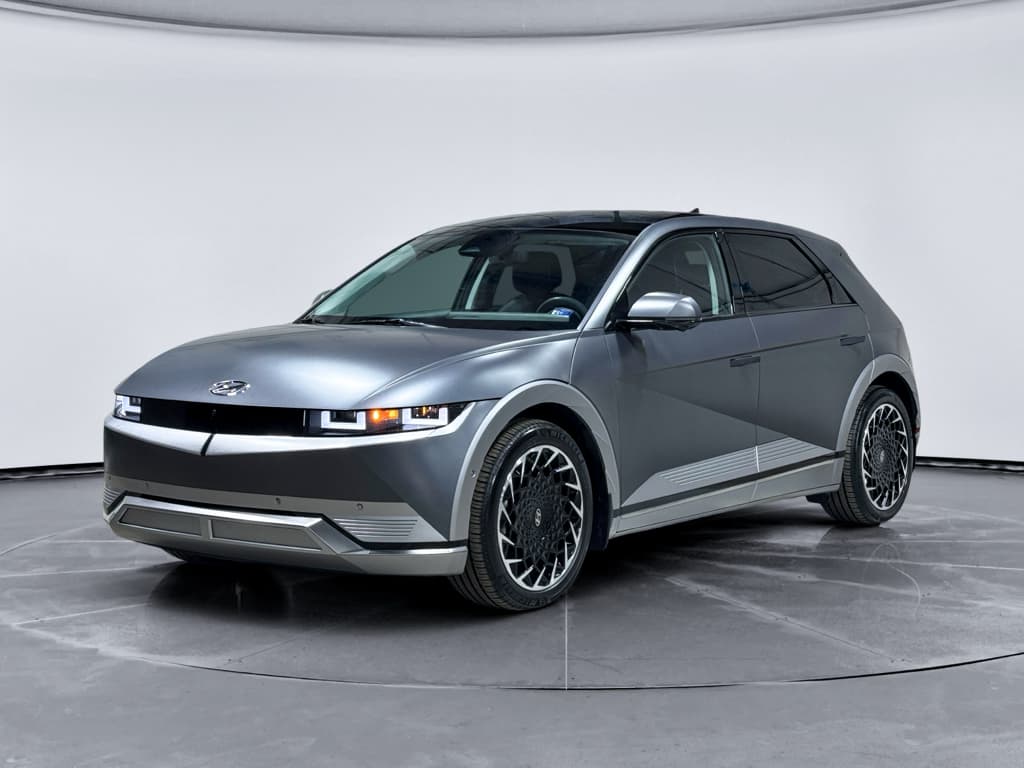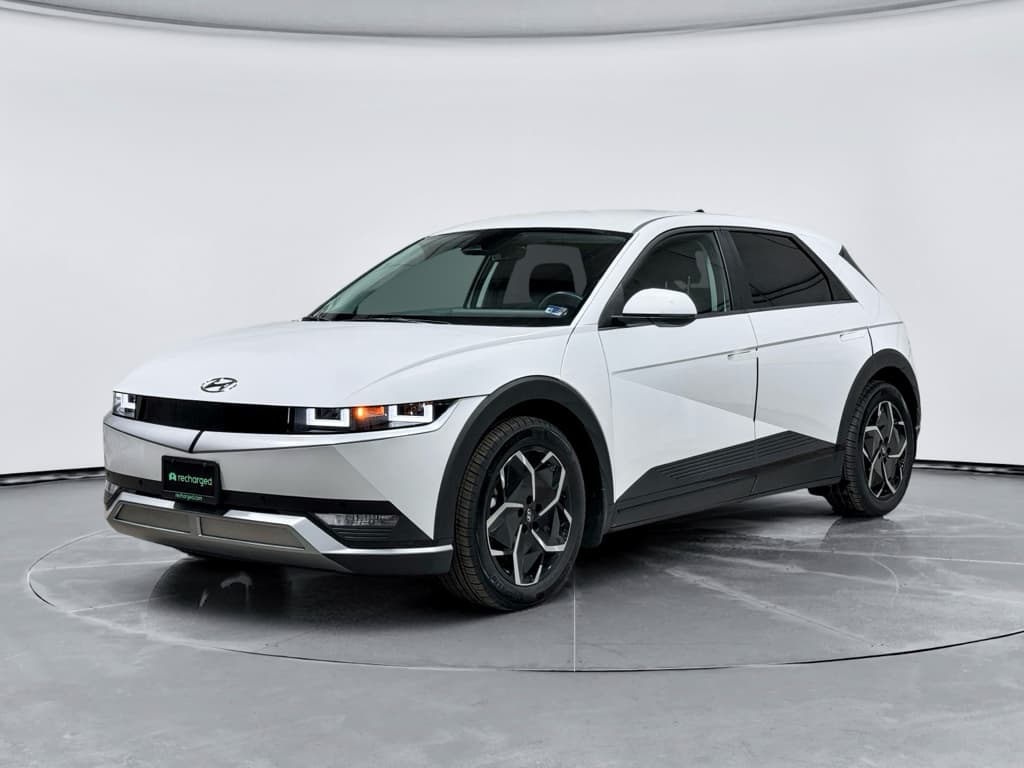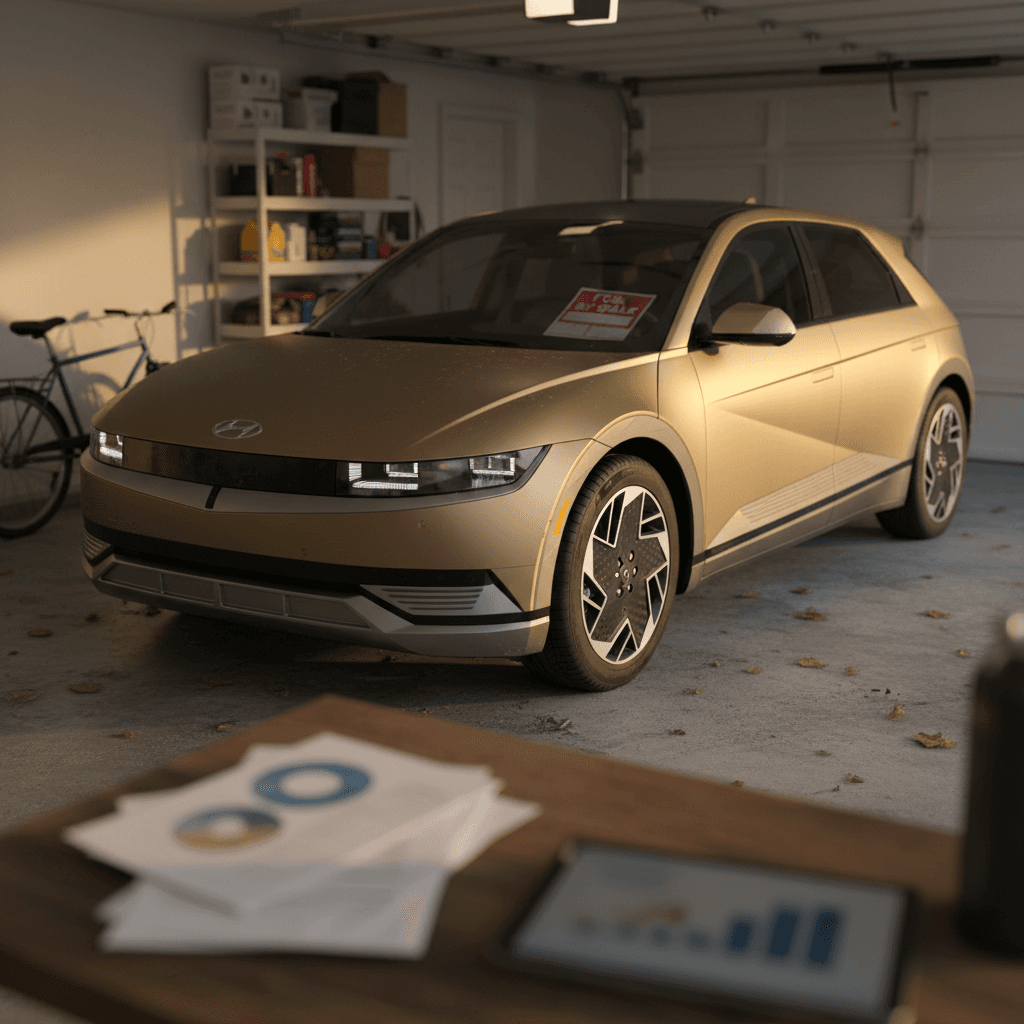
If you’re eyeing a used EV, you’ve probably asked yourself: is a 2022 Hyundai IONIQ 5 a good buy in 2026? The short version: it can be an excellent value, striking design, fast charging, long range, and big depreciation working in your favor, but only if you understand its reliability quirks and buy the right car with the right protections.
Snapshot verdict
Quick answer: Is a 2022 IONIQ 5 a good buy?
When it is a good buy
- You’re getting a clean 2022 IONIQ 5 at a steep discount vs. new.
- All major recalls and software updates have been done, with documentation.
- You still have years of EV system and battery warranty left.
- You buy from a seller who can prove battery health and fast‑charging performance.
When it’s not a good buy
- The car shows ICCU/charging failure history without clear resolution.
- Warranty is about to expire and the price doesn’t reflect that risk.
- You need maximum reliability with minimal shop time.
- You’re uncomfortable with faster‑than‑average EV depreciation.
If you tick the boxes on recalls, charging behavior, and warranty, the 2022 IONIQ 5 lands in a sweet spot: you let the first owner eat the biggest depreciation hit, but you still enjoy modern EV tech, sharp styling, and a long battery warranty window.
Why the 2022 IONIQ 5 is so appealing used
Strengths that make a 2022 IONIQ 5 attractive
These are the reasons shoppers keep circling back to early‑build IONIQ 5s.
Standout design & space
Fast DC charging
Real‑world range
On top of that, the 2022 IONIQ 5 was a clean‑sheet EV on Hyundai’s E‑GMP platform and won multiple awards when it launched. That early hype, combined with today’s softer EV prices, is exactly why used‑market shoppers are giving it a second look.
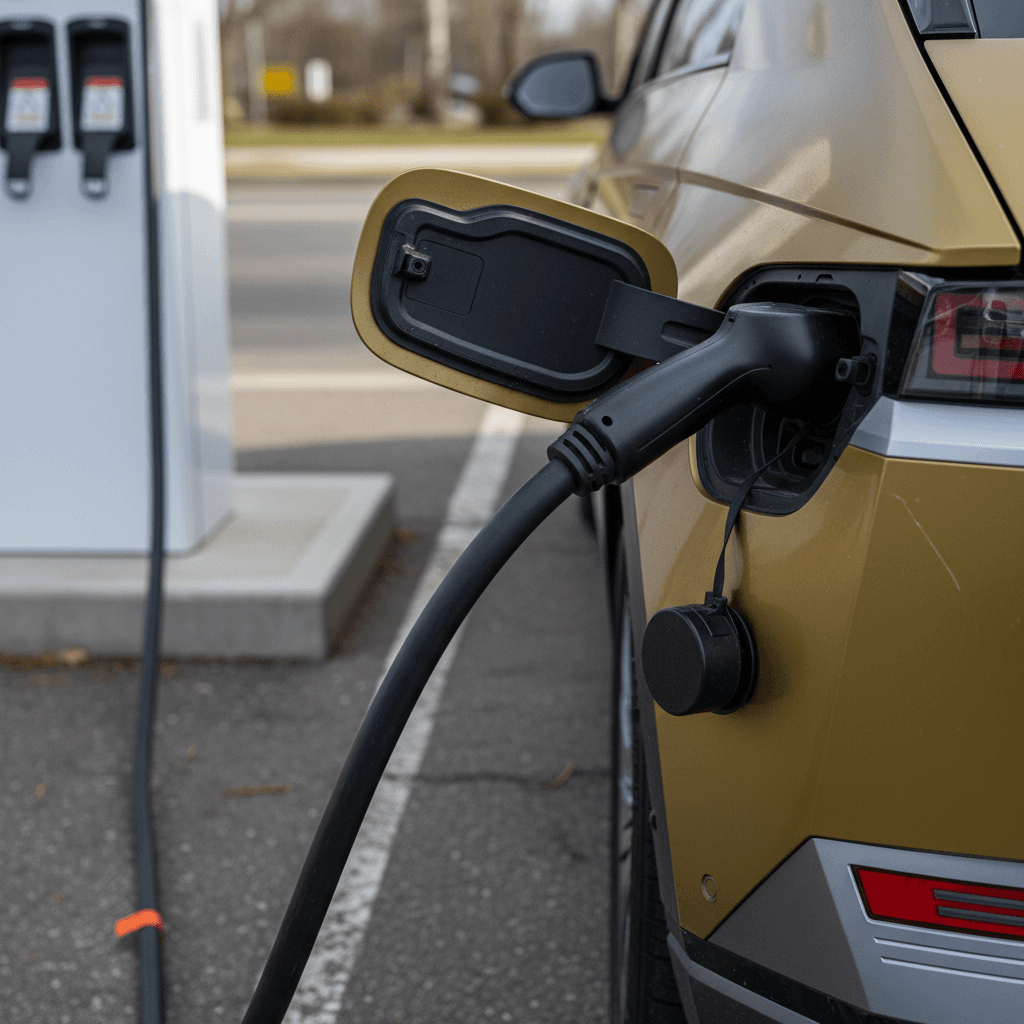
Pricing and depreciation: What are 2022 IONIQ 5s worth now?
2022 IONIQ 5 value snapshot (2026 used market)
Exact numbers vary by mileage, trim, location, and incentives, but multiple pricing analyses and dealer data show the same trend: the IONIQ 5 depreciated unusually fast compared with many gas SUVs and some rival EVs. That’s painful for first owners, but exactly why 2022s are intriguing now.
Why the depreciation is your opportunity
One more wrinkle: later model years got feature updates and, in some cases, restored eligibility for more federal incentives. That pulled down values on 2022–2024 cars even further, because buyers could jump into a newer build for similar monthly payments. As a used buyer, you benefit from that pricing pressure.
Reliability issues you need to know about
The 2022 IONIQ 5 is not a disaster, but it’s also not a paragon of Toyota‑like reliability. Owner reports, complaint databases, and warranty claims all highlight a few consistent trouble spots you should understand before you buy.
Most common 2022 IONIQ 5 problem areas
These are the patterns showing up most often in owner complaints and reliability data for early IONIQ 5 builds.
| Issue | What happens | Why it matters | What to ask for |
|---|---|---|---|
| ICCU / charging failures | Car suddenly limits power, throws warnings, or stops accepting charge; may shut down while driving. | Can strand the vehicle and require expensive parts if out of warranty. | Proof of recall repairs and any ICCU replacements, plus current charging behavior. |
| 12‑volt battery problems | Car goes dead after sitting, won’t start or shift; may need jump‑starts. | Annoying and confidence‑sapping, especially if parked at airports or street‑parked. | Service records for 12V battery replacement and software updates. |
| Software / driver‑assist quirks | Random warnings, phantom braking, camera glitches, infotainment bugs. | Can be scary or just irritating on long drives. | Confirmation the car has the latest software updates and TSBs. |
| Steering & alignment complaints | Pulling, vibration, or vague steering feel reported by some owners. | Can affect confidence and tire wear over time. | Fresh alignment report and even tire‑wear patterns. |
Not every 2022 IONIQ 5 will experience these issues, but they’re common enough that you should probe them during a pre‑purchase inspection.
ICCU failures: the headline concern
In practical terms, that means two things. First, you want a 2022 whose prior owner stayed on top of dealer visits and recall campaigns. Second, you want to test how the car behaves on both Level 2 and DC fast chargers before you sign paperwork. A 10‑minute spin around the block won’t reveal the charging‑system behavior that separates a solid car from a headache.
Battery health and warranty coverage
Hyundai’s warranty is one of the bright spots if you’re shopping a 2022 IONIQ 5. U.S.‑market IONIQ 5s came with 8–10 years / 100,000 miles of high‑voltage battery coverage from the original in‑service date, plus separate coverage for other EV components.
- High‑voltage battery: typically 8–10 years / 100,000 miles from first sale, against defects in materials and workmanship.
- EV powertrain and components: separate extended coverage under Hyundai’s hybrid/EV system warranty.
- Basic bumper‑to‑bumper: 5 years / 60,000 miles, which is now expiring or already expired on early 2022s.
What that means for a 2022 in 2026
Normal battery degradation on modern EVs tends to be gradual, and most real‑world IONIQ 5 owners report modest range loss over the first few years. The bigger practical risk isn’t instant catastrophic battery failure, it’s buying a car with hidden heavy degradation or inconsistent fast‑charging behavior.
How to sanity‑check battery health on a 2022 IONIQ 5
Confirm in‑service date and warranty end
Ask for the original sales paperwork or pull a warranty report so you know exactly when high‑voltage battery coverage expires. Don’t guess.
Review a third‑party battery health report
If possible, get an independent battery health scan or a <strong>Recharged Score</strong> style report that quantifies usable capacity instead of relying only on a dashboard guess.
Test DC fast‑charging behavior
On a warm battery and a reputable DC fast charger, watch how quickly the car ramps up to peak kW and how long it holds it. Sudden throttling or abnormal taper can hint at thermal or battery issues.
Compare displayed range to EPA figures
After a full charge, compare the estimated range to the trim’s original EPA rating. Some difference is normal, but a huge gap, especially with low mileage, warrants extra questions.
How the 2022 compares to newer IONIQ 5 model years
Hyundai has steadily refined the IONIQ 5 since 2022. Later model years gained hardware tweaks, software updates, and, by 2025, some meaningful feature upgrades, including bigger batteries and small usability improvements.
2022 vs. newer IONIQ 5s: What you give up, and what you save
High‑level snapshot; exact features vary by trim and region.
| Model year | Pros | Cons as of 2026 | Typical pricing impact |
|---|---|---|---|
| 2022 | Cheapest entry point; still modern styling and fast charging. | First‑year quirks, more ICCU complaints, no later refinements. | Often several thousand dollars cheaper than a comparable 2024–2025. |
| 2023–2024 | Some running updates and software improvements; still plentiful used supply. | Still impacted by early‑production quirks; less depreciation cushion than 2022. | Priced in between 2022 and 2025, sometimes close enough to make 2025 tempting. |
| 2025+ | Larger batteries in some trims, added features and U.S. assembly improving incentives. | Higher upfront cost; less time for real‑world reliability patterns to emerge. | Command the highest prices; depreciation curve still steep in early years. |
For many shoppers, the 2022’s big price discount outweighs modest feature gains on later years, especially if they don’t need every tech upgrade.
How to think about the trade‑off
Who should buy a used 2022 IONIQ 5, and who should skip it
Great fit if you…
- Want a modern EV crossover without a premium‑brand price.
- Are fine buying used and plan to keep the car for many years.
- Have access to reliable home charging and evolving DC fast networks.
- Are willing to dig into service history, recalls, and battery health instead of buying on looks alone.
Probably not a fit if you…
- Need max reliability and have no appetite for software or charging‑system drama.
- Plan to flip the car again in a year or two and are worried about further depreciation.
- Can comfortably afford a newer IONIQ 5 or another EV with a cleaner reliability record.
- Don’t have time or interest in a careful pre‑purchase inspection.
Pre‑purchase checklist for a 2022 IONIQ 5
Treat a 2022 IONIQ 5 like you would any sophisticated used EV: assume nothing, verify everything. Here’s a step‑by‑step list you can take to a seller or independent inspector.
2022 IONIQ 5 pre‑purchase checklist
1. Pull a detailed vehicle history report
Confirm mileage, prior accidents, structural damage, and lemon‑law or buyback history. Pay close attention to any repeated electrical or charging‑related service visits.
2. Verify all recalls and campaigns
Ask the seller for a printout from a Hyundai dealer showing <strong>completed recalls and service campaigns</strong>, especially those related to the ICCU, charging, and software updates.
3. Inspect for ICCU and charging repairs
Look for invoices showing ICCU replacement or charging‑system work. A properly repaired car isn’t an automatic no, but repeated failures or vague repair notes are a red flag.
4. Test drive on mixed roads
Drive at city and highway speeds. Watch for warning lights, odd noises, steering pull, phantom braking, and any glitchy behavior from cameras or driver‑assist systems.
5. Check both Level 2 and DC fast charging
If possible, plug into a home or public Level 2 charger and at least one reputable DC fast charger. Confirm the car charges reliably and reaches reasonable power levels for its state of charge.
6. Review battery health documentation
Ask for any prior battery health reports or capacity tests. If they don’t exist, consider having a third‑party battery evaluation done, or buying from a retailer who already provides one.
7. Inspect tires and alignment
Uneven tire wear can hint at suspension or alignment issues. You’re looking for even tread depth, no cupping, and a car that tracks straight on the highway.
8. Confirm warranty transfers and end dates
Confirm that all Hyundai warranties transfer to you and note exact expiration dates for the high‑voltage battery, EV components, and remaining powertrain coverage.
How Recharged evaluates used IONIQ 5s
Because the 2022 IONIQ 5 blends strong fundamentals with some legitimate reliability questions, it’s the kind of EV that rewards careful, data‑driven inspection. That’s exactly where a platform like Recharged is designed to help.
What you get with a Recharged IONIQ 5
Every vehicle goes through the same EV‑specific process before it ever hits the site.
Recharged Score battery diagnostics
Transparency on pricing & history
EV‑specialist support
Ready to find your next EV?
Browse VehiclesIf you already own a 2022 IONIQ 5 and are thinking about selling, Recharged can also help you get an instant offer or consign the car, with your battery health and service history presented clearly to the next owner. That transparency matters even more on models with mixed reliability headlines.
FAQ: 2022 IONIQ 5 as a used buy
Common questions about buying a 2022 IONIQ 5 used
Bottom line: Is a 2022 IONIQ 5 right for you?
A 2022 Hyundai IONIQ 5 is not the right used EV for someone chasing bulletproof reliability or hoping to dodge depreciation entirely. But for shoppers who understand its story, fast charging, award‑winning design, generous battery warranty, heavy early depreciation, and a few well‑documented trouble spots, it can be one of the best values in the used EV market right now.
If you’re willing to put in the work on service records, recalls, and battery health, ideally with a data‑backed report like the Recharged Score, a 2022 IONIQ 5 can give you a lot of EV for the money. If you’d rather have a simpler story and are comfortable paying more up front, a newer model year or a different EV entirely may fit better. Either way, go in with clear eyes, a clear checklist, and a clear understanding of how this car fits your budget and your tolerance for risk.